
The Historical Context of Cucina Povera
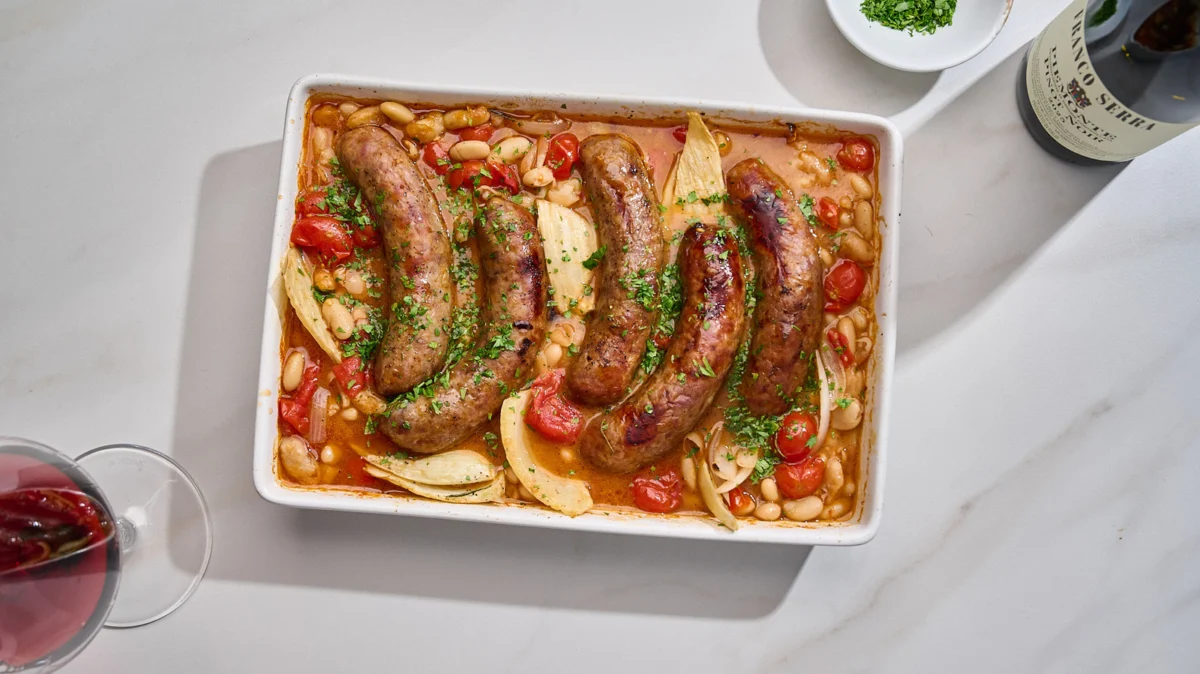
The term cucina povera, or "cooking of the poor," originated in the Italian countryside where food scarcity necessitated a creative approach to nutrition. Ingredients such as cannellini beans, day-old bread, seasonal tomatoes, and tough cuts of meat or sausages were the backbone of this culinary movement. Historically, these dishes were developed to ensure nothing went to waste, utilizing the starch from beans to thicken broths and the juices from roasted vegetables to create natural sauces. Today, this philosophy has been adapted by home cooks and chefs alike, prioritizing ingredient quality over complicated techniques. The one-pan method reflects an evolution in home meal preparation, moving from the labor-intensive heritage of the Mediterranean to the streamlined, time-conscious environment of modern kitchens.
Nutritional Profile and Ingredient Selection
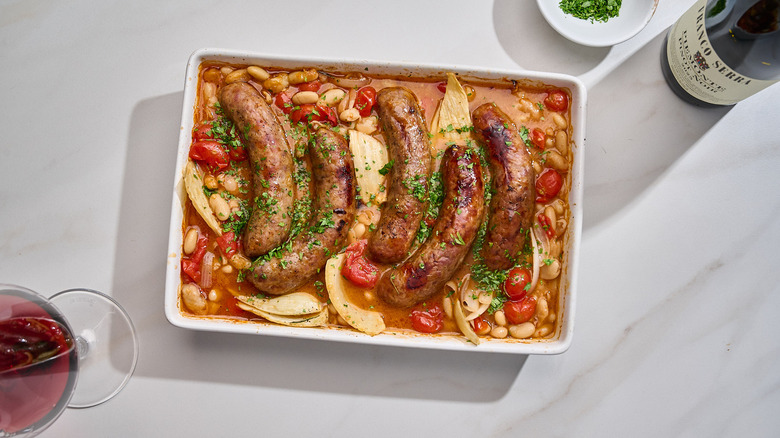
The dish centers on a balance of protein, fiber, and healthy fats. Cannellini beans, a staple of central Italian cuisine, are prized for their creamy consistency and ability to absorb surrounding flavors. From a nutritional standpoint, they provide a significant source of plant-based protein and dietary fiber, which, when paired with the protein-dense Italian sausage, creates a satiating meal.
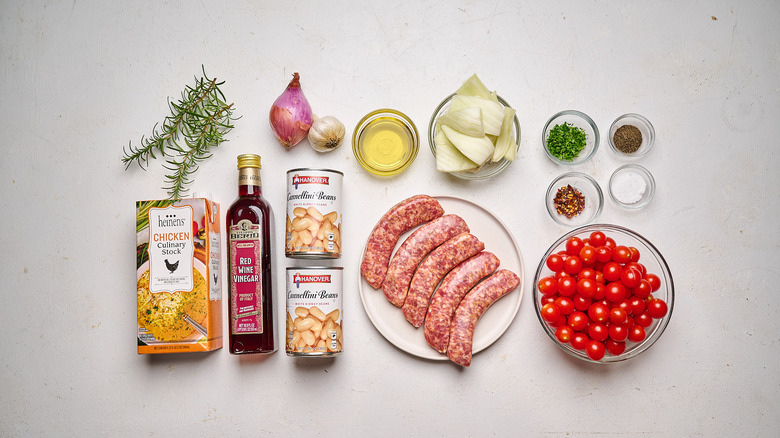
Based on nutritional estimates, a single serving of this dish contains approximately 768 calories, 36.3 grams of protein, and 14 grams of fiber. The inclusion of fennel—a bulbous vegetable rich in Vitamin C and potassium—adds a subtle, anise-like sweetness that cuts through the richness of the pork sausage. When roasted, the natural sugars in cherry tomatoes caramelize, while the chicken broth acts as a medium for the aromatics (garlic, shallot, and rosemary) to infuse the entire casserole.

Chronological Preparation and Execution
The preparation follows a standardized sequence designed to optimize the Maillard reaction—the chemical process that occurs when proteins and sugars brown under heat, creating complex flavor profiles.
- Thermal Preparation: The process begins by preheating the oven to 425 F (218 C). High-heat roasting is essential for ensuring the sausages achieve a crisp, browned exterior while the tomatoes burst and release their juices into the bean base.
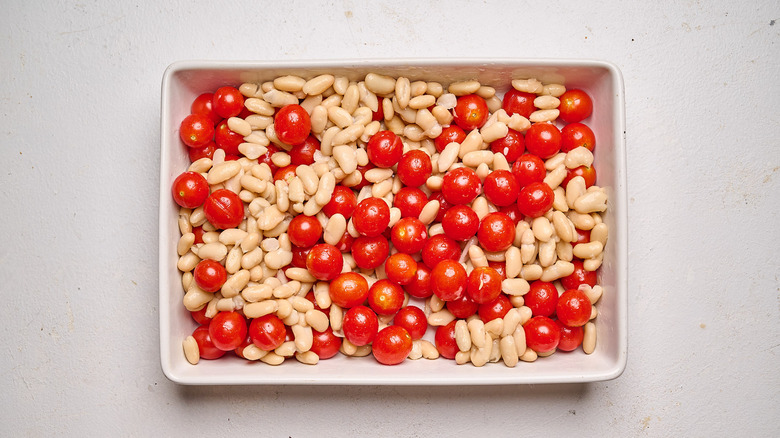
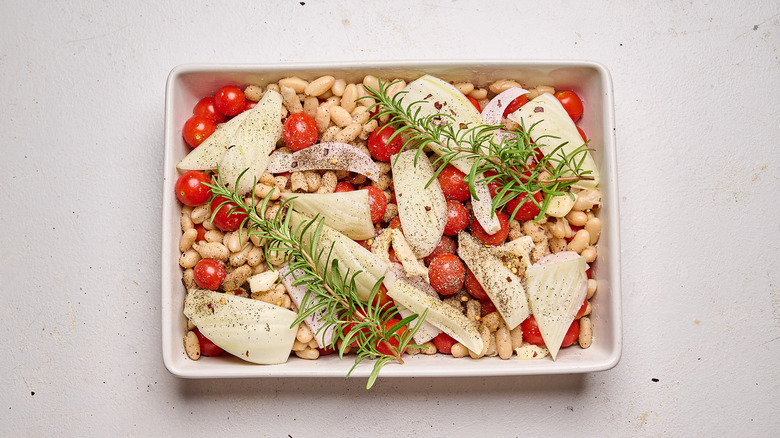
- Base Assembly: In a 9×13-inch baking dish, the cherry tomatoes and cannellini beans are combined. The choice of a large surface area allows for even heat distribution.
- Aromatic Infusion: Aromatics including sliced fennel, garlic, and shallots are added, along with dried rosemary, salt, pepper, and red pepper flakes. These are combined with chicken broth to create the poaching liquid.
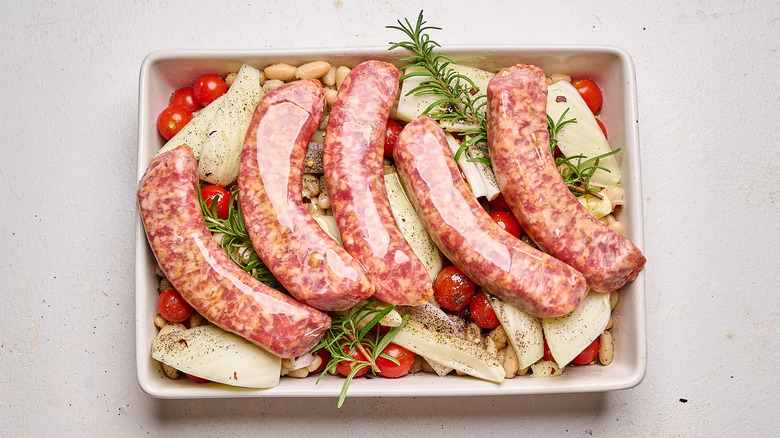
- Protein Incorporation: The Italian sausages are nestled directly into the bean and tomato mixture. Drizzling with olive oil before roasting facilitates the browning of the sausage skin.
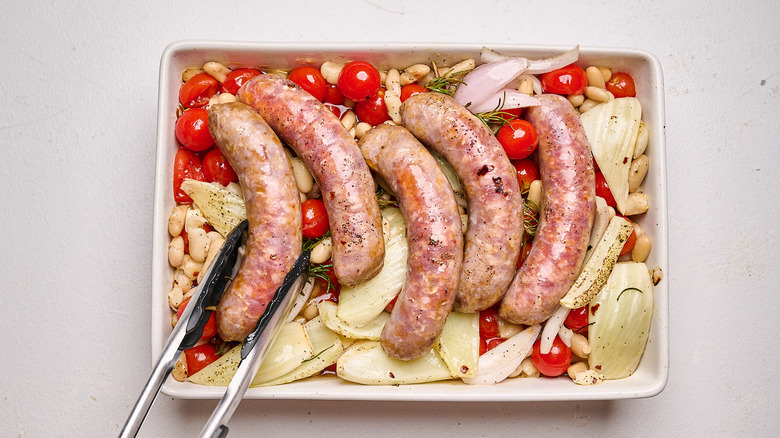
- The Roasting Cycle: The initial roast lasts 20 to 25 minutes. A mid-process intervention—flipping the sausages and stirring the vegetables—ensures that the tomato-bean mixture thickens into a cohesive, creamy sauce rather than drying out.
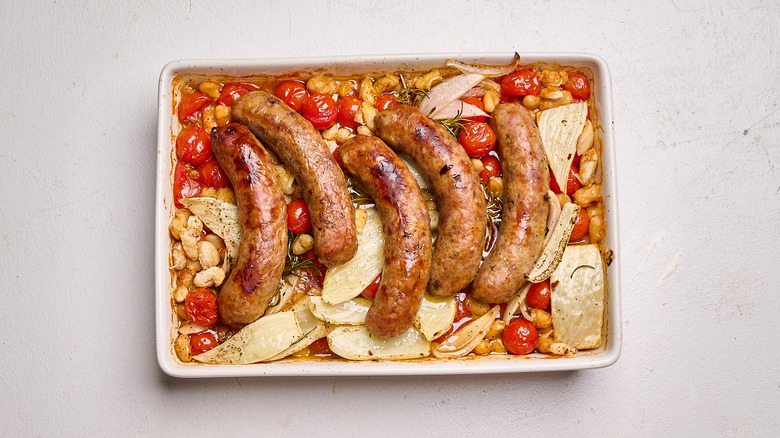
- Final Caramelization: A secondary roast of 10 to 15 minutes ensures the sausages are cooked through and deeply browned.
- Emulsification: The final step involves removing the sausages to stir a small amount of red wine vinegar into the tomato mixture. Pressing the tomatoes with a spatula releases their pectin and juices, which, when combined with the starch from the beans, creates a luxurious, thickened sauce.
Broader Culinary Implications and Versatility
The significance of this recipe lies in its adaptability. Culinary analysts note that "template-based" recipes—those that allow for ingredient substitutions based on seasonal availability—are becoming increasingly popular as a means of reducing food waste.
For instance, while cannellini beans are recommended for their texture, the dish remains structurally sound with the substitution of navy or garbanzo beans. Similarly, the vegetable base is highly customizable. The addition of dark leafy greens like kale, spinach, or Swiss chard in the final stages of cooking adds nutritional density and color. For those seeking a more bitter contrast, broccoli rabe is a traditional pairing that balances the fattiness of the pork. Other additions, such as artichoke hearts, mushrooms, or Kalamata olives, allow for regional variations, such as incorporating Mediterranean or Provençal influences.
Serving Strategies and Cultural Pairings
In traditional Italian dining, the sauce is as vital as the protein. The combination of roasted tomato juices and bean starch creates a rustic broth that is traditionally served with crusty bread. A high-hydration loaf, such as a rustic Italian boule or a classic baguette, is ideal for mopping up the residual sauce. Focaccia, due to its oil-rich structure and porous crumb, is an alternative that adds further complexity to the meal. While the dish is nutritionally complete, those seeking additional starch may serve it over soft polenta, which acts as a neutral canvas for the savory sausage and bean mixture.
Expert Perspective: The Role of the Parmesan Rind
A notable technique often recommended for this type of dish is the inclusion of a Parmesan rind. When simmered or roasted within the sauce, the rind imparts a deep, umami-rich flavor that cannot be replicated by salt alone. This practice highlights the sustainable nature of the dish, encouraging the use of byproducts that would otherwise be discarded. It represents the intersection of economic resourcefulness and gourmet flavor development.
Conclusion: The Future of One-Pan Cooking
The rise of one-pan dinner recipes signifies a shift in consumer behavior, where the demand for "fast-casual" dining at home meets the growing interest in authentic, ingredient-focused cooking. This Italian sausage and cannellini bean recipe serves as a model for this shift, proving that with a clear understanding of heat, acidity, and ingredient synergy, one can produce a restaurant-quality meal with minimal kitchen cleanup. By maintaining the principles of cucina povera while utilizing modern oven technology, this dish remains a relevant and enduring staple in the contemporary kitchen.
