
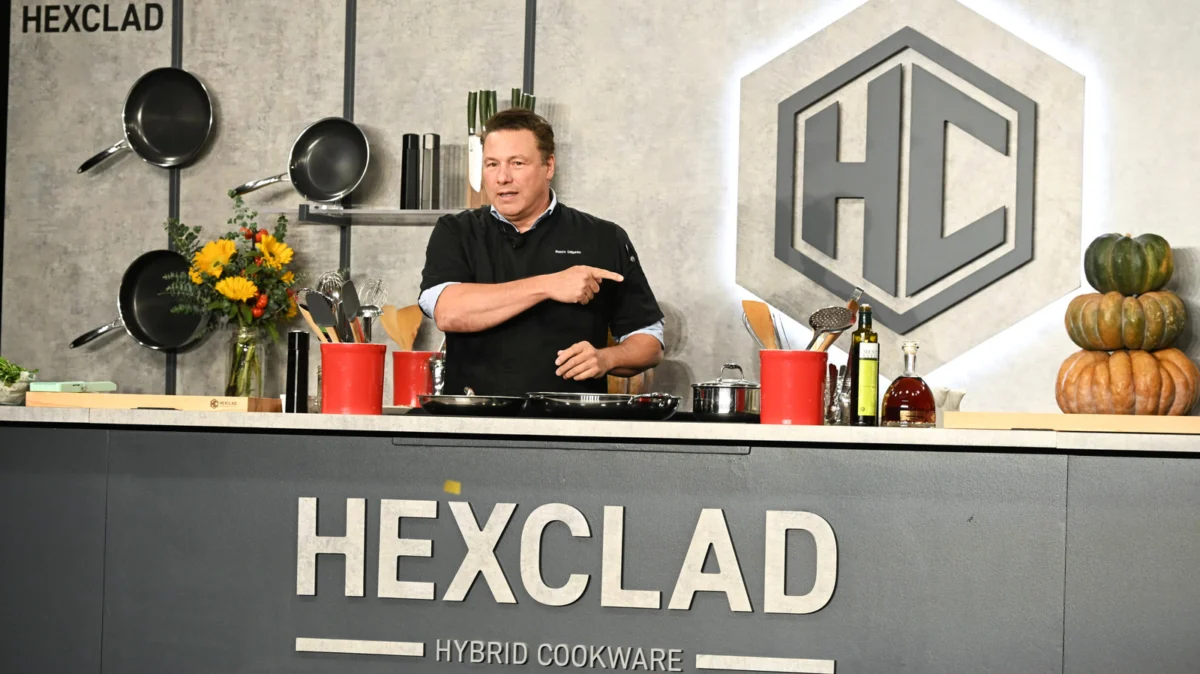
The landscape of modern kitchenware has been fundamentally altered by the rise of premium, hybrid cookware brands that promise to bridge the gap between professional-grade stainless steel and the convenience of non-stick surfaces. HexClad, bolstered by high-profile celebrity endorsements—including partnerships with chefs like Gordon Ramsay and appearances at major culinary events such as the NYC Wine & Food Festival—has established itself as a market leader in this category. While the brand’s unique laser-etched hexagonal design and claims of durability have garnered significant consumer interest, the transition from a niche product to a household name has invited increased scrutiny. As with any high-end consumer product, a disconnect occasionally arises between marketing expectations and the actual user experience. By analyzing data from consumer protection agencies, such as the Better Business Bureau (BBB), and public sentiment across retail platforms like TrustPilot and Amazon, it becomes clear that potential buyers should weigh both the performance benefits and the common logistical frustrations associated with the brand.
A Pattern of Logistics and Shipping Complications
For many consumers, the purchase process is the first point of potential friction. Reports filed with the Better Business Bureau frequently cite issues related to fulfillment. These complaints often involve extended delivery timelines, incomplete order shipments, or items being routed to incorrect addresses. While logistics issues can affect any direct-to-consumer brand, the frustration for HexClad customers is often exacerbated by difficulties in reaching responsive customer support to rectify these errors.
It is critical to distinguish between fulfillment channels. Orders placed through third-party marketplaces, such as Amazon, fall under the logistics umbrella of those platforms, meaning the responsibility for delivery issues rests with the retailer rather than the manufacturer. However, when purchasing directly from the HexClad website, the company assumes full responsibility for the courier’s performance. Consumers who find themselves in a loop of non-responsive communication or unresolved shipping errors often point to this as a significant barrier to the "premium" experience the brand’s price point suggests.
The Durability Paradox: Peeling and Performance
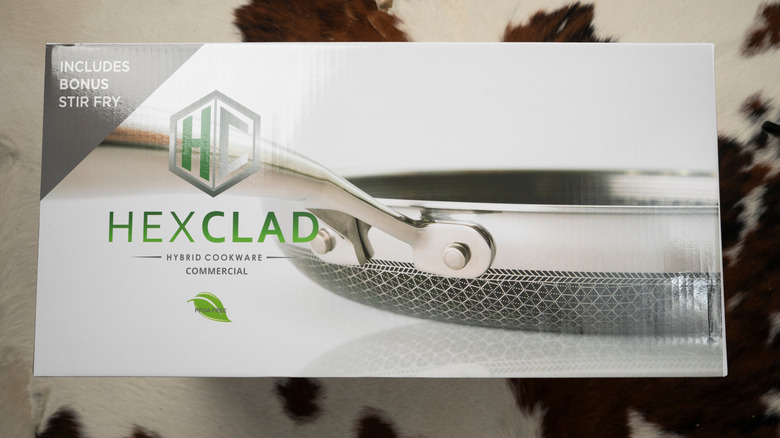
At the core of the HexClad product is its hybrid technology, which sandwiches an aluminum core between layers of stainless steel, topped with a proprietary non-stick coating. The intended benefit of this design is that the raised stainless steel honeycomb structure protects the non-stick valleys, theoretically allowing for the use of metal utensils. However, a recurring point of contention in user reviews is the premature degradation of the non-stick surface.
Some users have reported the coating peeling or flaking shortly after purchase, occasionally even before the first use. This "acute failure" of the cookware is a point of significant concern for customers who have invested hundreds of dollars into a set. While it is standard for non-stick surfaces to lose their effectiveness over time—a process often described as a "chronic" decline—the immediate failure of a new pan is contrary to the brand’s durability claims. This is further complicated by the fact that HexClad requires specific care routines, such as seasoning the pan, to maintain its performance. The necessity of seasoning—a step typically associated with cast iron or carbon steel rather than modern non-stick—is often a point of confusion for consumers who expect a "set-it-and-forget-it" non-stick experience.

The Evolution of Marketing and Safety Standards
The brand has not been without its legal challenges. A notable chapter in the company’s history involves a class-action lawsuit concerning the marketing of its first-generation products. The litigation challenged the company’s use of terms like "non-toxic," "PFAS-free," and "PFOA-free" in its advertising. At the time, the pans utilized polytetrafluoroethylene (PTFE), a substance that, while considered safe by many industry standards, falls under the broad category of "forever chemicals" (PFAS) that many environmentally conscious consumers seek to avoid.
HexClad settled the class-action suit without an admission of wrongdoing, but the incident significantly influenced the company’s trajectory. Since that settlement, the brand has shifted to a second-generation line of ceramic-coated cookware, known as TerraBond. This transition has largely addressed the specific chemical concerns raised in the lawsuit. However, the legacy of that legal action continues to color the discourse in online forums, with some consumers conflating the current product line with the older, contested models.

Warranty Limitations and Refund Policy Strictness
A significant source of dissatisfaction for many HexClad users is the rigid interpretation of the brand’s return and warranty policies. The company offers a limited lifetime warranty, but it is important for consumers to understand the specific exclusions. The warranty covers manufacturing defects but explicitly excludes damage caused by "misuse," which the company defines as overheating, improper cleaning, or failure to properly season the cookware.
Furthermore, the company maintains a strict 30-day window for returns. Once this window closes, the brand generally refuses cash refunds, opting instead to replace defective items. For a consumer who has lost faith in the product’s quality, a replacement may feel like an insufficient resolution. Additionally, in instances where a return is processed within the 30-day window, shipping costs are generally not refunded. While this is a common practice in e-commerce, it remains a point of irritation for customers who feel that the total cost of ownership is higher than advertised.

The Impact of Reseller Channels on Consumer Rights
The "authorized seller" distinction is perhaps one of the most overlooked aspects of the HexClad purchase experience. The company’s warranty is non-transferable and is explicitly reserved for the original purchaser who buys through authorized channels. When consumers purchase "new" items from unauthorized resellers on platforms like eBay or secondary marketplaces, they effectively forfeit their access to the lifetime warranty.
This policy has led to situations where consumers receive a product, encounter an issue, and are then told by HexClad support that they have no recourse because the item was not purchased from a sanctioned vendor. This highlights the importance of vetting the source of the purchase. Consumers who buy through major retailers like Costco or authorized kitchenware distributors are protected by the specific return policies of those entities, which can sometimes be more flexible than the policies provided directly by the manufacturer.

Analyzing the Customer Service Experience
Data from third-party review sites like TrustPilot indicates a polarized experience. While the brand maintains a high overall rating, the distribution of reviews reveals a segment of users—roughly 10% to 15%—who report intense frustration with customer support. Common complaints involve a repetitive, bureaucratic process where customers are required to submit the same evidence multiple times to different representatives, leading to delays and a sense of being "shunted" through a system that lacks continuity.
When analyzing these reports, it is evident that the company’s customer service infrastructure has struggled to keep pace with its rapid growth. The disparity between the glowing five-star reviews and the scathing one-star reports suggests that the quality of service a customer receives may be inconsistent. For potential buyers, this emphasizes the need to document all interactions, maintain proof of purchase, and understand that in the event of a dispute, the resolution process may require significant persistence.
Broader Implications for Premium Kitchenware
The tension surrounding HexClad serves as a case study for the broader premium kitchenware market. As brands increasingly rely on influencer marketing and direct-to-consumer sales, the burden of managing consumer expectations becomes greater. When a product is marketed as "the last pan you will ever need to buy," it invites a higher level of scrutiny than a standard consumer product.
For the average home cook, the decision to invest in HexClad should be made with a clear understanding of the maintenance requirements and the limitations of the warranty. The pans are undoubtedly capable of high performance, but they are not immune to the physical realities of heat and friction. By balancing the marketing narrative with a realistic assessment of these common complaints, consumers can make a more informed choice, ensuring that their kitchen investment aligns with their expectations for durability, support, and overall value.
