
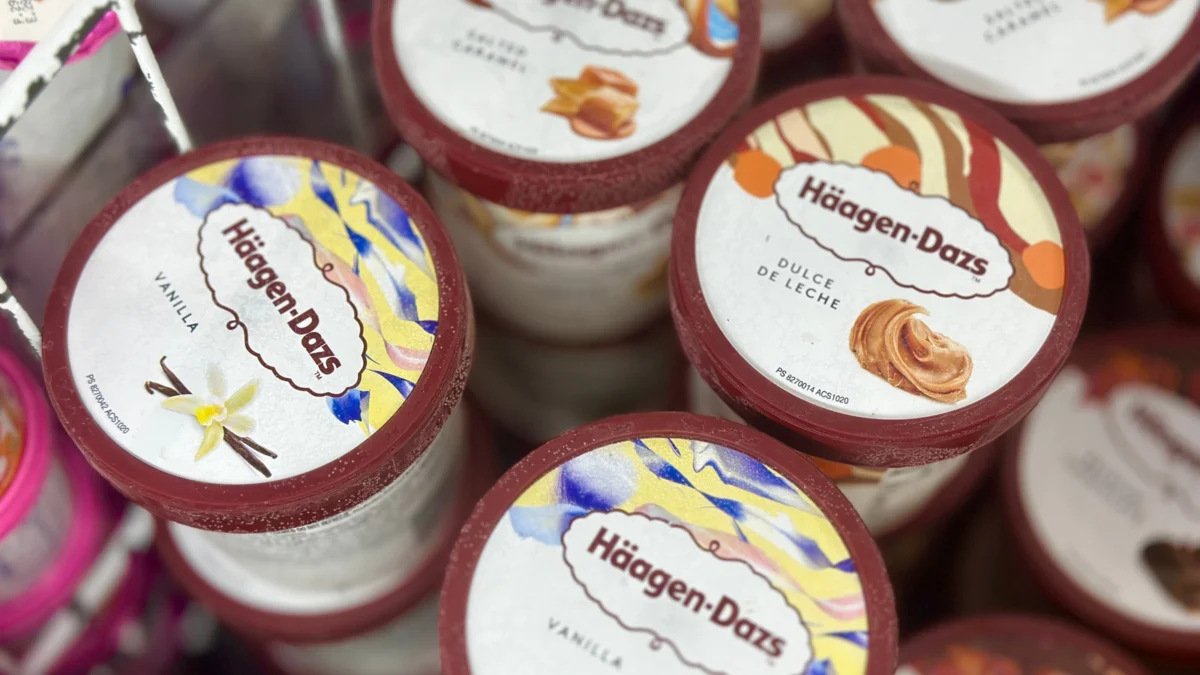
In the crowded landscape of modern frozen confections, where limited-edition releases and experimental flavor profiles dominate grocery store freezer aisles, the endurance of the original Häagen-Dazs trio—Vanilla, Chocolate, and Coffee—serves as a testament to the power of culinary consistency. Since their debut in 1960, these three flavors have remained the bedrock of the brand’s identity, surviving decades of shifting consumer trends and the aggressive industrialization of the ice cream market. While the Häagen-Dazs name suggests a Scandinavian heritage, the brand is a distinctly American creation born from the vision of Polish-Jewish immigrants Reuben and Rose Mattus in the Bronx, New York.
The Origins of a Premium Standard
During the mid-20th century, the American ice cream industry was characterized by the widespread adoption of mass-production techniques designed to maximize profit margins. Manufacturers frequently injected air into their products—a process known as "overrun"—to increase volume, resulting in a lighter, less dense, and often lower-quality dessert. Reuben and Rose Mattus took a diametrically opposed approach. By prioritizing a high butterfat content and minimizing the air whipped into the base, they created a denser, more decadent product that appealed to a growing demographic of consumers seeking a luxury experience in their own homes.
The brand name itself was a marketing masterstroke. Despite having no connection to Denmark, the Mattuses selected the name "Häagen-Dazs" to evoke an image of Old World craftsmanship and tradition. This branding, combined with the decision to market the product as a premium, "adult" indulgence, allowed the company to command a higher price point than its competitors. The launch of the original three flavors—Vanilla, Chocolate, and Coffee—established a baseline for what would become the industry’s gold standard for shelf-stable, high-end ice cream.
Chronology of Expansion
While the original trio launched in 1960, the brand did not remain static for long. The success of the initial lineup provided the capital and brand loyalty necessary for expansion. In 1966, the company introduced Strawberry, which quickly joined the original three as a staple in the brand’s permanent collection.
- 1960: Häagen-Dazs is founded in New York; Vanilla, Chocolate, and Coffee flavors are released.
- 1966: The brand expands its permanent collection with the introduction of Strawberry.
- 1970s–1980s: The brand experiences rapid growth as it moves from regional availability to national distribution, cementing its reputation as a premium grocery store staple.
- 1983: The brand is acquired by The Pillsbury Company, which helps scale production and distribution further while maintaining the core recipes.
- Present Day: The product line has evolved into dozens of varieties, yet the original three remain the top-performing base flavors, serving as the benchmark against which all new, complex flavor profiles are measured.
Analytical Breakdown: Why the Trio Endures
The continued market dominance of the original three flavors can be attributed to a combination of ingredient integrity and psychological familiarity. Unlike many contemporary brands that rely on complex mix-ins or chemical stabilizers to simulate texture, the original Häagen-Dazs recipe relies on a simple base of cream, skim milk, cane sugar, and egg yolks.
In recent blind taste tests and industry rankings, these flavors consistently perform well. The Vanilla is frequently cited for its use of authentic Madagascar vanilla, which provides a depth of flavor that artificial extracts cannot replicate. The Chocolate is lauded for its straightforward, intense cocoa profile, which lacks the waxy mouthfeel often found in lower-cost competitors. The Coffee, perhaps the most iconic of the three, remains a fan favorite because it has resisted the industry trend of adding excessive sugars or artificial flavorings, instead utilizing a robust coffee infusion that appeals to purists.
Consumer Sentiment and Market Impact
Market analysts note that the "evergreen" status of these three flavors provides a strategic advantage for the brand. During periods of economic uncertainty, consumers tend to retreat toward products they perceive as reliable and comforting. The original trio functions as a safe, high-quality purchase that carries minimal risk of disappointment.
Digital discourse, particularly on platforms like Reddit and various consumer review forums, highlights a strong generational attachment to these products. Long-time customers often compare the current recipes to their childhood memories of the brand. While some vocal critics occasionally debate whether the density or richness has shifted over the last sixty years, the overwhelming consensus remains that the product maintains a standard of quality that exceeds the average grocery store offering.
For instance, the Coffee flavor is frequently praised by coffee aficionados for its ability to capture the essence of a dark roast without relying on syrupy additives. This sentiment is echoed across various retail platforms, where the "five-ingredient" simplicity is frequently highlighted as the primary selling point.
The Broader Implications of Minimalism
The longevity of the Vanilla, Chocolate, and Coffee flavors offers a broader lesson in food science and business strategy. In an era where brands are incentivized to constantly innovate and release seasonal, limited-time offerings to capture social media attention, Häagen-Dazs serves as a case study for the value of "less is more."
By sticking to a simple, high-quality recipe, the brand has avoided the pitfalls of brand dilution. While other competitors have struggled with the costs of complex supply chains for exotic ingredients, Häagen-Dazs has maintained a consistent cost-to-quality ratio. This has allowed them to protect their market share even as craft ice cream shops and boutique brands have proliferated.
Furthermore, the original trio provides the "canvas" for the modern consumer. Because these flavors are so consistent, they have become the industry standard for pairings. Whether served as the base for a sundae, topped with fresh fruit, or enjoyed alongside a warm dessert like brownies or pies, these three flavors are designed to be versatile. They are not merely standalone products; they are components of a wider culinary experience.
Looking Ahead
As the brand looks toward the future, the challenge will be to balance the innovation required to keep up with younger demographics against the rigid quality control necessary to maintain the integrity of the original three flavors. The success of the Vanilla, Chocolate, and Coffee varieties suggests that as long as the brand continues to prioritize the purity of its primary ingredients, it will maintain its status in the premium frozen food segment.
The legacy of Reuben and Rose Mattus is not just in the creation of a brand, but in the creation of a category. By refusing to compromise on the ratio of air to cream, they established a standard that has defined the expectations of the American consumer for over six decades. As the market continues to evolve, these three pillars—Vanilla, Chocolate, and Coffee—will almost certainly remain the anchor of the Häagen-Dazs portfolio, proving that even in a world obsessed with the new, the classics remain the most resilient.
