

The modern domestic landscape is increasingly defined by a persistent tension between the desire for nutritious, home-cooked meals and the constraints of a high-paced professional and personal schedule. As consumers pivot toward "dump-and-go" culinary solutions, the slow cooker has emerged as a cornerstone appliance for household efficiency. Among the most popular iterations of this trend is the slow-cooked chicken taco, a dish that has gained widespread traction for its minimal prep time, high protein content, and adaptability. This report examines the mechanics, nutritional profile, and broader implications of adopting slow-cooker methodologies for mid-week meal management.
The Mechanics of the Slow Cooker Method
The primary appeal of slow-cooked chicken tacos lies in the thermodynamic process of low-temperature, long-duration cooking. Unlike high-heat methods such as searing or grilling, which can rapidly dehydrate lean proteins like chicken breast, the slow cooker environment maintains a consistent, moist heat. This process allows the connective tissues in the meat to break down gradually, resulting in a tender product that is naturally conducive to shredding.
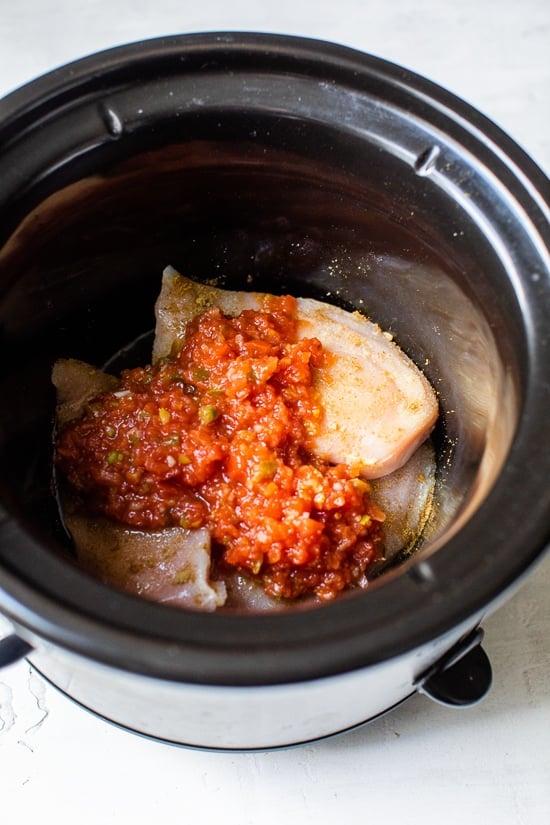
From a logistics standpoint, the recipe requires approximately two minutes of active labor. By combining raw chicken breast with a liquid-based medium—typically a commercially prepared or homemade salsa—the cook creates a self-basting environment. The addition of dry spices further infuses the protein as it undergoes the denaturation process over a period of four to eight hours. This "set-it-and-forget-it" approach addresses a common pain point in modern time management: the inability to supervise a stove during the late afternoon hours.

Nutritional Profile and Dietary Implications
In an era of increasing health consciousness, the nutritional breakdown of standard family meals is under greater scrutiny. Data indicates that a standard serving of these slow-cooked chicken tacos—defined as three tacos—contains approximately 474 kilocalories. Crucially, the meal offers a high protein density, with approximately 45.5 grams per serving. This is particularly relevant for individuals managing fitness goals or those looking to increase satiety without relying on processed, high-fat alternatives.
The inclusion of fiber-rich components, such as a traditional cabbage slaw or avocado, contributes to the overall nutritional balance, providing roughly 9.5 grams of dietary fiber. Furthermore, with a fat content of 13.5 grams—predominantly derived from healthy unsaturated sources if prepared correctly—this meal functions as a macronutrient-dense option that supports a balanced diet. The sodium content, measured at approximately 470.5 milligrams, remains within a moderate range for a main course, though health experts suggest that individuals with specific dietary restrictions should monitor the salt content in pre-packaged salsas used in the preparation.

Chronology and Scalability of Preparation
The implementation of this meal follows a standardized chronology designed for maximum efficiency:
- Morning Preparation (0–5 minutes): Raw ingredients, including poultry, spices, and salsa, are placed into the ceramic insert of the slow cooker. The device is set to either a low or high-heat cycle.
- The Passive Phase (3–8 hours): The appliance operates independently. During this time, the internal temperature of the chicken must reach a minimum of 165°F (74°C) to ensure safety according to food-handling guidelines.
- Execution Phase (5–10 minutes): Upon completion of the cooking cycle, the protein is shredded directly within the vessel.
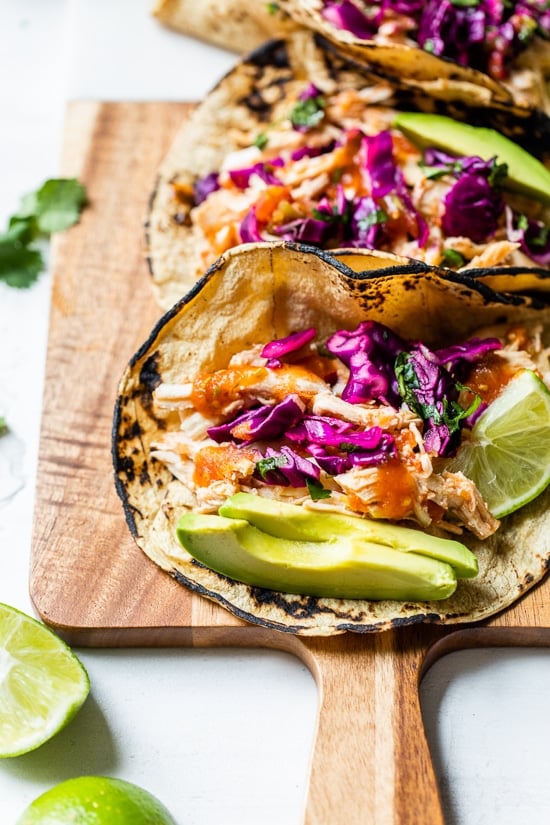
- Assembly: The shredded mixture is plated into warm corn tortillas, supplemented with fresh garnishes like lime, cabbage, or cilantro.
This workflow is highly scalable. Because the recipe is easily doubled or tripled, it has become a staple for individuals who utilize "batch cooking" or "meal prepping" to ensure they have high-quality protein available throughout the work week.
Expert Analysis: The Role of Convenience in Food Security
Sociologists and nutritionists have noted that the rise of simplified, appliance-based cooking is a direct response to the "time poverty" experienced by many working families. According to industry analysis, the shift toward slow-cooker recipes is not merely a trend in flavor preference but a functional adaptation to modern labor patterns. By outsourcing the cooking time to an automated appliance, households are better able to avoid the reliance on ultra-processed, shelf-stable convenience foods that are often high in refined sugars and trans fats.
Furthermore, the versatility of the slow cooker—accommodating everything from chicken thighs, which offer a higher fat content and different texture, to plant-based proteins—provides a baseline for dietary variety. Experts suggest that the predictability of these recipes reduces "decision fatigue," a psychological phenomenon that often leads to unhealthy takeout consumption during the end of the day.

Best Practices for Optimal Results
While the process is inherently simple, adherence to specific culinary guidelines can significantly enhance the final outcome. First, for safety and consistency, it is strongly advised to avoid using frozen chicken. Thawing the meat completely before it enters the slow cooker ensures that the internal temperature reaches a safe threshold across the entire volume of the meat, preventing the risk of bacterial growth that can occur if the center of a frozen protein remains in the "danger zone" for too long.
Secondly, the choice of protein is significant. While chicken breast is the standard for those seeking lower caloric intake, boneless, skinless chicken thighs are often cited as a superior option for those who prioritize texture and moisture. Thighs contain more intramuscular fat, which renders during the slow-cooking process, ensuring that the final result is succulent even if the cooking time exceeds the recommended duration by an hour or two.

Broader Impact and Future Outlook
The sustained popularity of these recipes speaks to a broader cultural shift: the reclamation of the home kitchen through technology. As more individuals seek to balance rigorous professional lives with personal wellness, the reliance on automated cooking solutions is projected to grow. Manufacturers of slow cookers and multi-cookers have responded by integrating digital timers and remote-start capabilities via smartphone applications, further reducing the friction between ingredient acquisition and meal consumption.
Ultimately, the slow-cooked chicken taco serves as a case study for efficient, health-conscious, and cost-effective meal planning. By leveraging the slow-cooker method, households can achieve a high-quality nutritional output with a minimal investment of time. As the culinary landscape continues to evolve, the integration of such simple, robust, and protein-forward recipes will remain a vital tool in the repertoire of the modern, time-crunched consumer, providing a reliable foundation for long-term health and dietary stability.
