
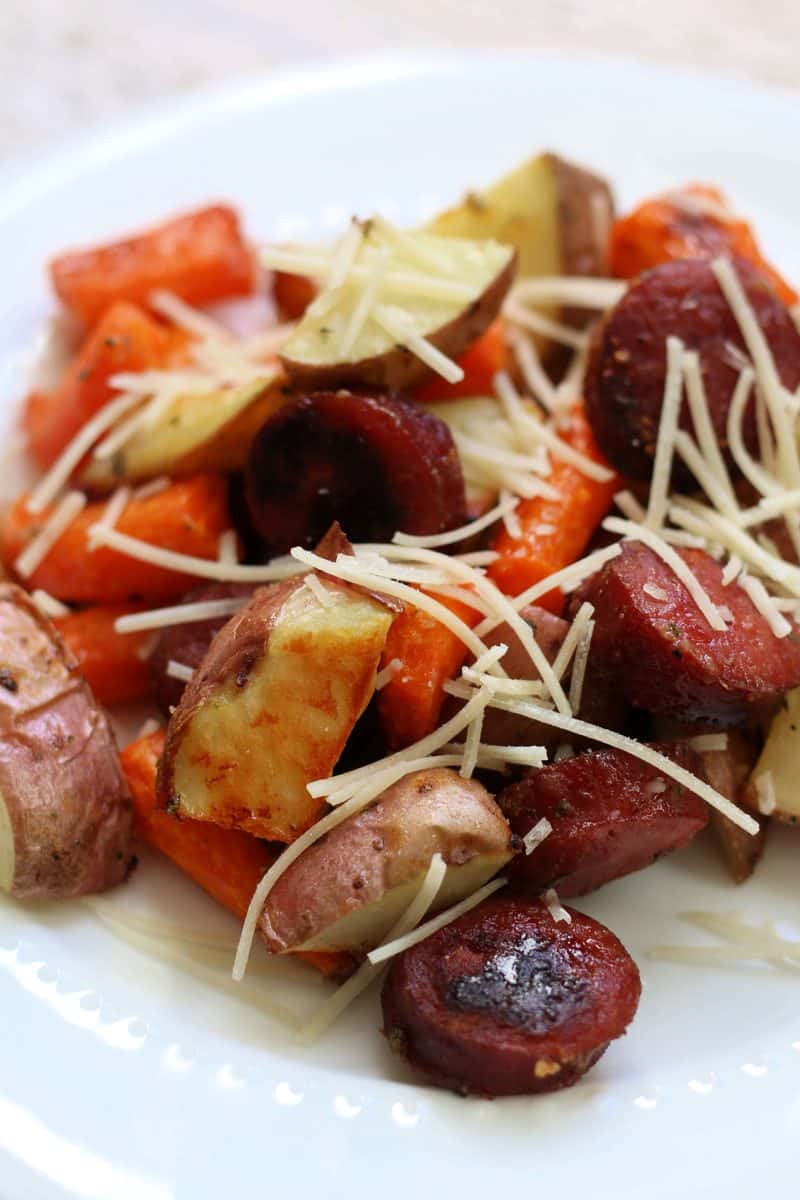
In an era where time-constrained households are increasingly prioritizing efficiency in meal preparation, the emergence of sheet pan dinners has transitioned from a niche culinary trend to a staple of modern domestic logistics. Among the most popular iterations of this method is the combination of ranch-seasoned potatoes and smoked sausage, a dish that exemplifies the integration of convenience, nutritional balance, and flavor consistency. By utilizing a single high-temperature roasting process, this meal minimizes preparation time and clean-up, addressing the growing demand for "one-pan" solutions in the contemporary American kitchen.
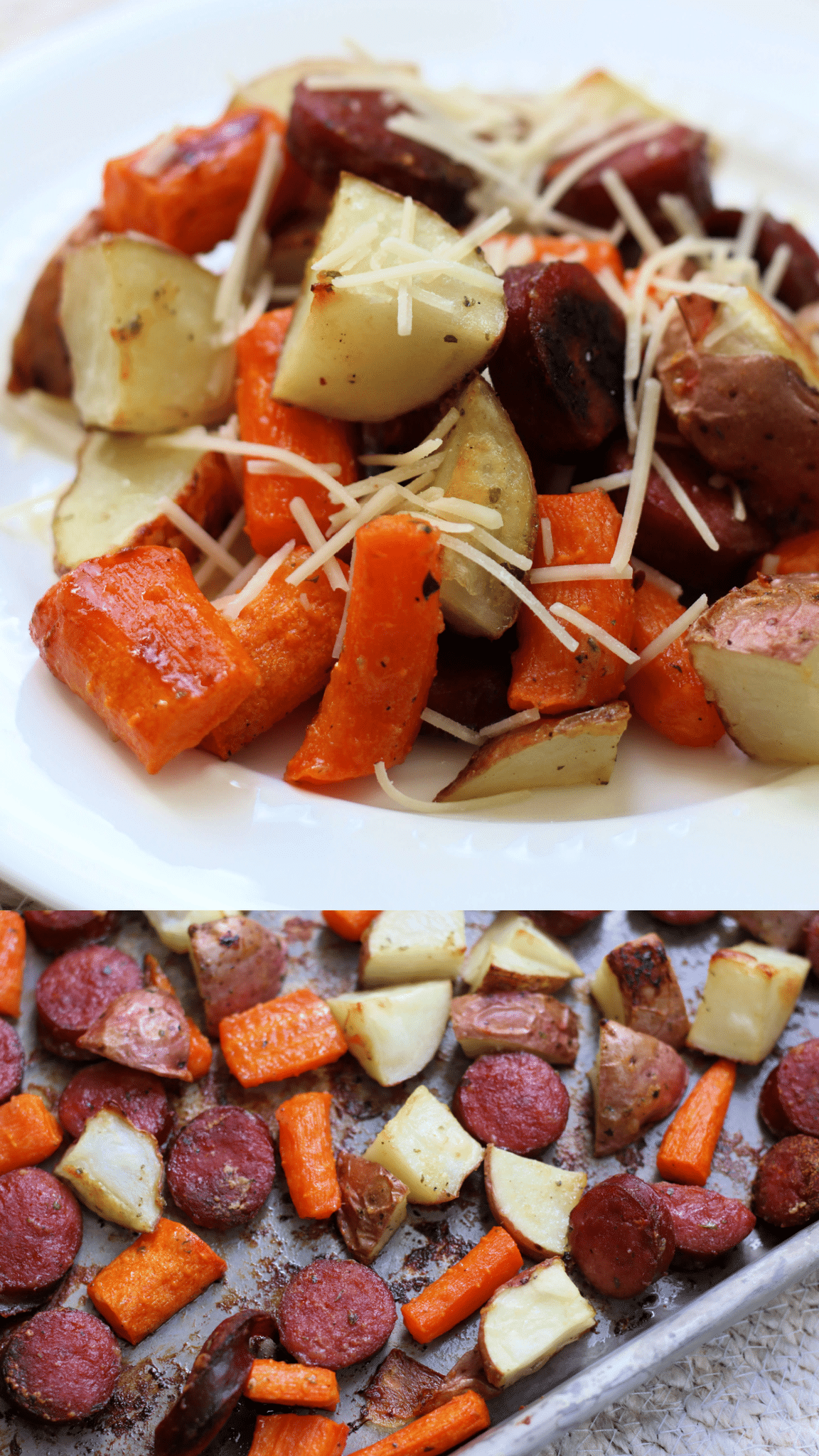
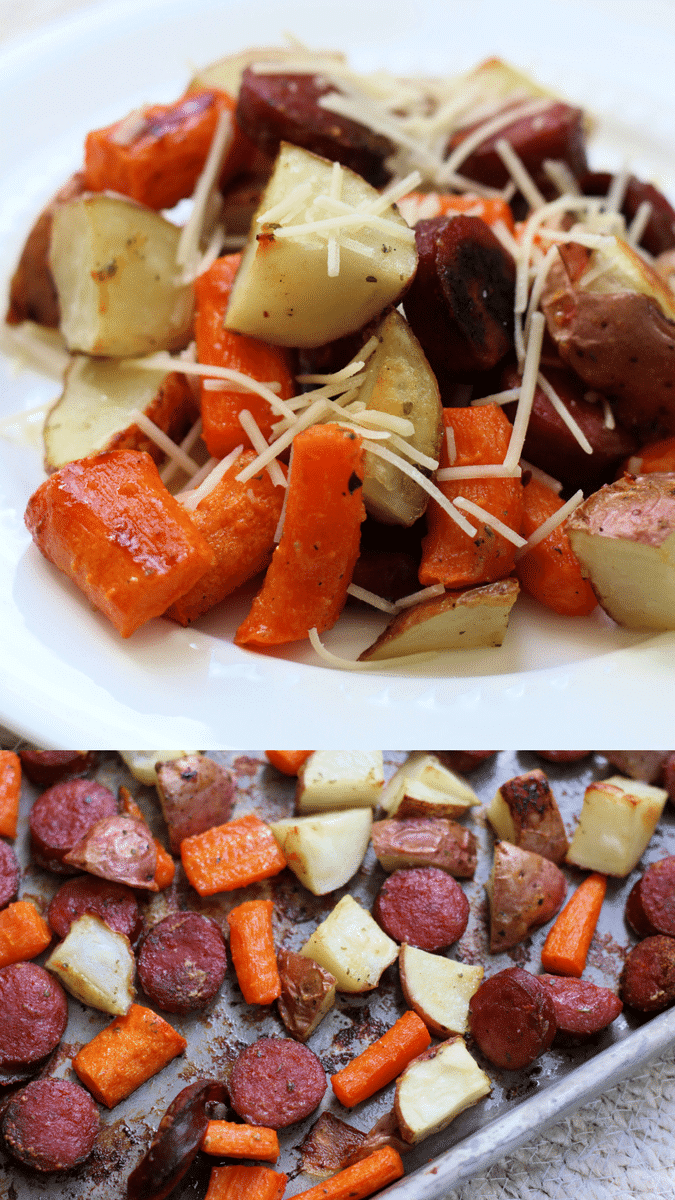
The mechanics of this dish rely on a precise application of thermodynamics. By heating an oven to 425°F (approximately 218°C), home cooks can achieve a Maillard reaction on both the surface of the smoked sausage and the exterior of the red potatoes. This high-heat environment is essential for rendering the fat from the sausage, which then coats the accompanying carrots and potatoes, facilitating even roasting and the development of a caramelized texture. The incorporation of dry ranch seasoning—typically a blend of dried herbs, garlic powder, onion powder, and buttermilk powder—provides a uniform flavor profile that complements the savory, smoky notes inherent in processed beef or pork sausage.
Historical Context and the Evolution of Sheet Pan Cooking
The popularity of the sheet pan method can be traced back to the broader movement of "simplified cooking" that gained momentum during the late 2010s and early 2020s. As labor force participation rates stabilized and the pace of domestic life accelerated, the demand for culinary techniques that reduced the "active" time spent in the kitchen grew significantly. According to consumer lifestyle data, households frequently cite the need for leftovers as a primary driver in meal selection; the sheet pan approach is uniquely suited to this, as the roasted components maintain structural integrity when reheated, making them highly effective for workplace or school lunches.
The inclusion of smoked sausage in such recipes is not merely a matter of taste; it is a tactical choice. Smoked sausage, which is typically pre-cooked and heavily seasoned during the curing process, serves as a high-protein anchor that requires minimal intervention. This reduces the risk of food safety issues associated with undercooked proteins, as the primary objective of the cooking process becomes the roasting of the vegetables rather than the sanitization of raw meat.
Chronological Preparation and Optimization
The preparation process for this dish follows a structured sequence designed to maximize efficiency. The timeline for a standard production is as follows:

- Thermal Preparation: The oven must be preheated to 425°F at least 15 to 20 minutes prior to ingredient insertion to ensure ambient heat consistency.
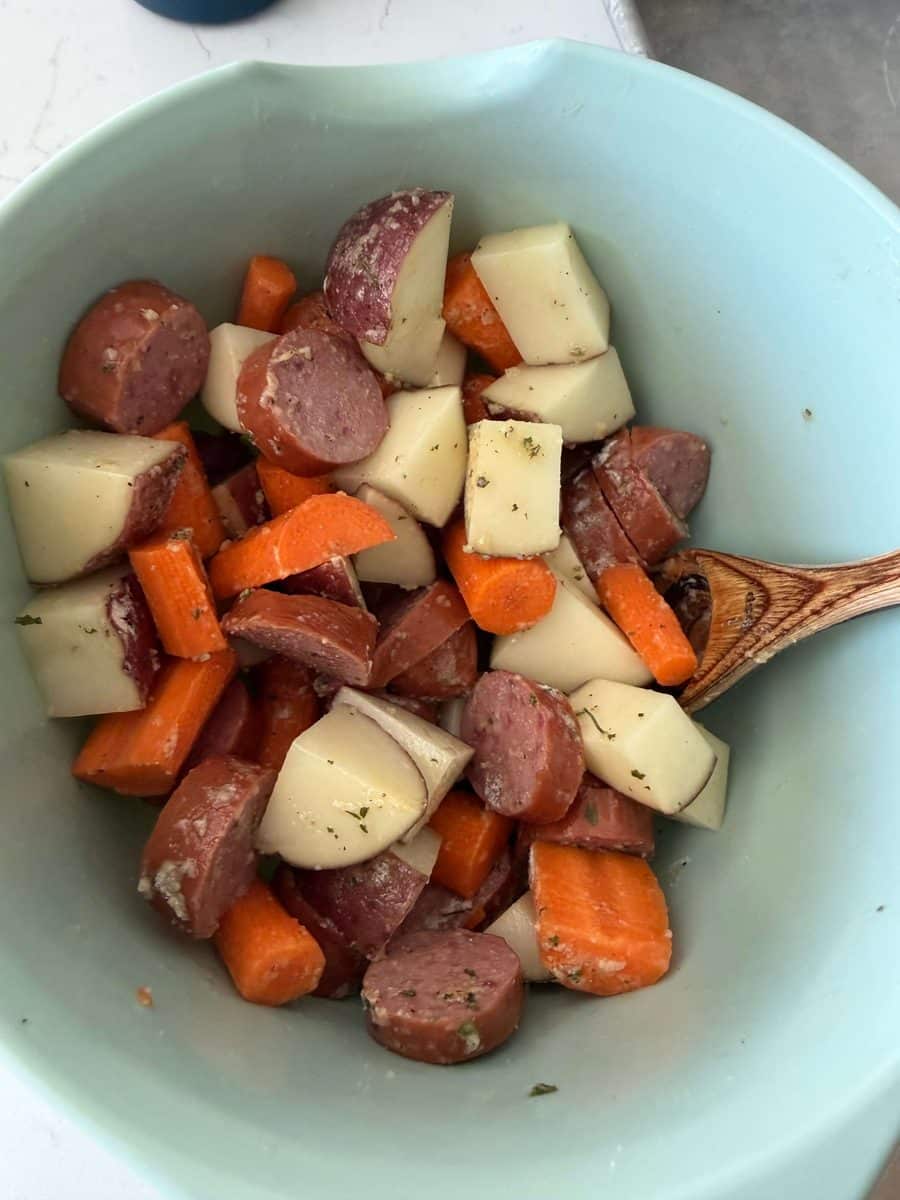
- Ingredient Preparation: Potatoes, typically of the red or waxy variety to ensure they hold their shape during roasting, are cut into uniform 1-inch cubes. Carrots are sliced into similar dimensions to ensure simultaneous cooking times.
- Emulsification: The vegetables and sliced sausage are placed in a mixing bowl and tossed with a high-smoke-point oil (such as avocado or vegetable oil) and the ranch seasoning mix. This step is critical, as it ensures the herbs and spices adhere to the surfaces of the ingredients.
- The Roasting Phase: The mixture is distributed across a rimmed baking sheet. A duration of 30 minutes is the standard, with a mandatory mid-point agitation—stirring the contents—to prevent uneven charring.
- Finishing: The addition of grated Parmesan cheese in the final minutes of cooking introduces a salty, umami-rich finish that binds the flavor profile.
Data and Nutritional Considerations
From a nutritional standpoint, the dish offers a balanced macronutrient profile, provided the portioning of the sausage—often high in sodium and saturated fats—is moderated. The incorporation of root vegetables like potatoes and carrots provides essential fiber, potassium, and vitamins A and C. Culinary analysts note that while the sodium content of commercial ranch seasoning packets can be elevated, the dish remains a more cost-effective and nutrient-dense alternative to processed frozen dinners or quick-service restaurant alternatives.

When analyzing the economic impact of such meals, the cost per serving is significantly lower than that of comparable restaurant-prepared meals. With the price of staples like potatoes, carrots, and bulk-packaged smoked sausage remaining relatively stable compared to other protein sources, the recipe represents a high-yield solution for family budgeting.
Expert Perspectives on Culinary Efficiency
Dietitians and home economists often categorize sheet pan meals as "low-cognitive-load" cooking. This concept refers to the reduction of mental effort required to execute a meal, which is a major factor in preventing "decision fatigue"—a common phenomenon among working professionals at the end of a business day. By utilizing a standardized seasoning agent like dry ranch mix, the cook eliminates the need for complex spice blending, effectively outsourcing the flavor development to the manufacturer of the seasoning.
Furthermore, the versatility of the dish is frequently cited by culinary experts as a key benefit. While the baseline recipe calls for potatoes, carrots, and sausage, the format is highly permissive of substitutions. For instance, bell peppers, broccoli florets, or sweet potatoes can be integrated depending on seasonal availability or dietary preferences. This adaptability ensures that the recipe remains relevant regardless of the cook’s specific dietary constraints or the local grocery supply.

Broader Implications and Industry Trends
The persistence of the "one-pan" trend reflects a broader shift in the culinary industry toward minimalist cooking. Major food conglomerates have responded by increasing the availability of pre-cut vegetables and diverse varieties of pre-cooked sausages, essentially creating a "kit" for the consumer to assemble with minimal effort. This transition has also spurred innovation in the appliance sector, with the rise of high-performance convection ovens and air fryers, which further reduce the time required to achieve the desired crispiness of roasted vegetables.

As the industry moves forward, the integration of technology—such as smart ovens that adjust temperature based on moisture levels—may further streamline this process. However, the fundamental appeal of the ranch-seasoned potato and sausage dinner remains rooted in its simplicity. It bridges the gap between the necessity of a home-cooked meal and the realities of a modern, time-sensitive lifestyle.
The cultural impact of such recipes is also notable. Social media platforms and digital food archives have democratized these cooking methods, allowing for the rapid dissemination of "hacks" and techniques. The ability for home cooks to share variations, such as incorporating different cheeses or regional sausage varieties (such as kielbasa or andouille), has fostered a community of practice that continuously refines the basic sheet pan dinner.

Conclusion: A Staple of Modern Nutrition
In summary, the preparation of ranch-seasoned potatoes and smoked sausage on a single sheet pan is more than a culinary endeavor; it is an efficient response to the logistical challenges of modern dining. By adhering to a standardized preparation timeline, optimizing ingredient uniformity, and utilizing shelf-stable flavor enhancers, households can maintain a high standard of home-cooked nutrition with minimal time investment. As the culinary landscape continues to evolve, the principles of simplicity, efficiency, and adaptability demonstrated by this dish will likely remain at the forefront of domestic food preparation strategies. Through careful management of resources and an appreciation for the mechanics of roasting, the home cook can achieve consistent, high-quality results that cater to both nutritional needs and the exigencies of daily life.
