
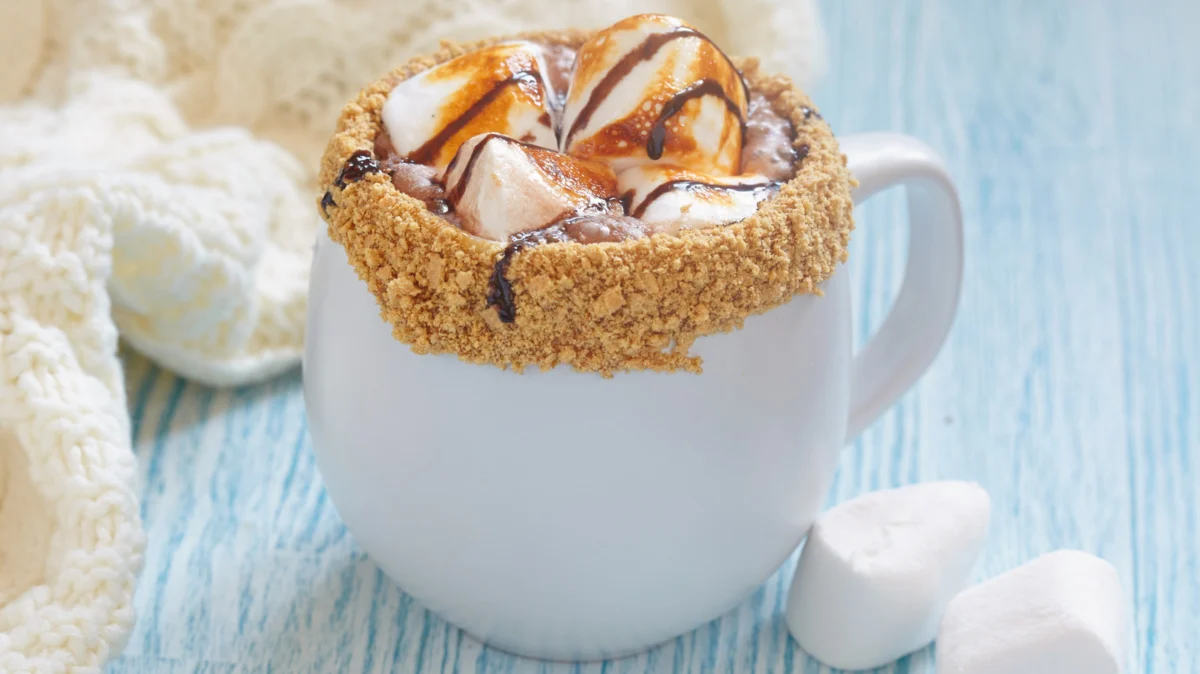
The pursuit of the perfect cup of coffee often leads consumers beyond simple roasts and origins, venturing into the world of flavored syrups to replicate the café experience at home. Among the various flavor profiles available, marshmallow has emerged as a particularly complex challenge for manufacturers. While the flavor is often associated with childhood nostalgia, the chemical recreation of "toasted" sugar and vanilla presents a difficult balancing act between cloying sweetness and a nuanced, authentic finish. Recent industry evaluations have highlighted a significant divide in product quality, specifically contrasting the offerings of industry leaders Monin and Torani.
The Methodology of Flavor Evaluation
To determine which syrup best captures the essence of a campfire treat, recent comparative testing analyzed five prominent marshmallow-flavored syrups currently available in the retail market. The evaluation criteria focused on three primary metrics: aromatic profile, flavor complexity, and viscosity.
In professional sensory analysis, a successful marshmallow syrup must avoid the "artificial" trap—a common pitfall where the flavor leans heavily into an overwhelming, one-dimensional vanilla or a chemical saccharine note. The panel sought to identify the presence of "toasted" notes, which require a subtle, slightly charred bitterness to ground the high-sugar content. The results of these tests placed Monin’s Toasted Marshmallow syrup at the top of the category, while the Torani equivalent fell to the bottom, failing to meet the threshold for authentic flavor representation.
A Comparative Analysis: Monin vs. Torani
The discrepancy between the top-performing Monin product and its competitor, Torani, centers on the execution of the "toasted" claim. Torani, a brand often synonymous with wide-scale coffee shop availability, markets its syrup as "Toasted Marshmallow." However, sensory testing revealed that the product largely lacked the defining characteristic of a toasted finish, presenting instead as a generic, high-fructose, white-sugar sweetness.
Conversely, Monin’s formulation demonstrated a sophisticated balance. By incorporating a hint of bitterness that mimics the caramelization process of roasting a marshmallow over an open flame, the product provides a depth that complements rather than masks the natural acidity and bitterness of coffee. Furthermore, the viscosity of the Monin syrup was noted for its utility in both hot and cold beverages. While some syrups struggle to incorporate into cold liquids, resulting in pooling or uneven distribution, the consistency of the Monin syrup allows for seamless integration into iced lattes, cold foams, and chilled dessert applications.
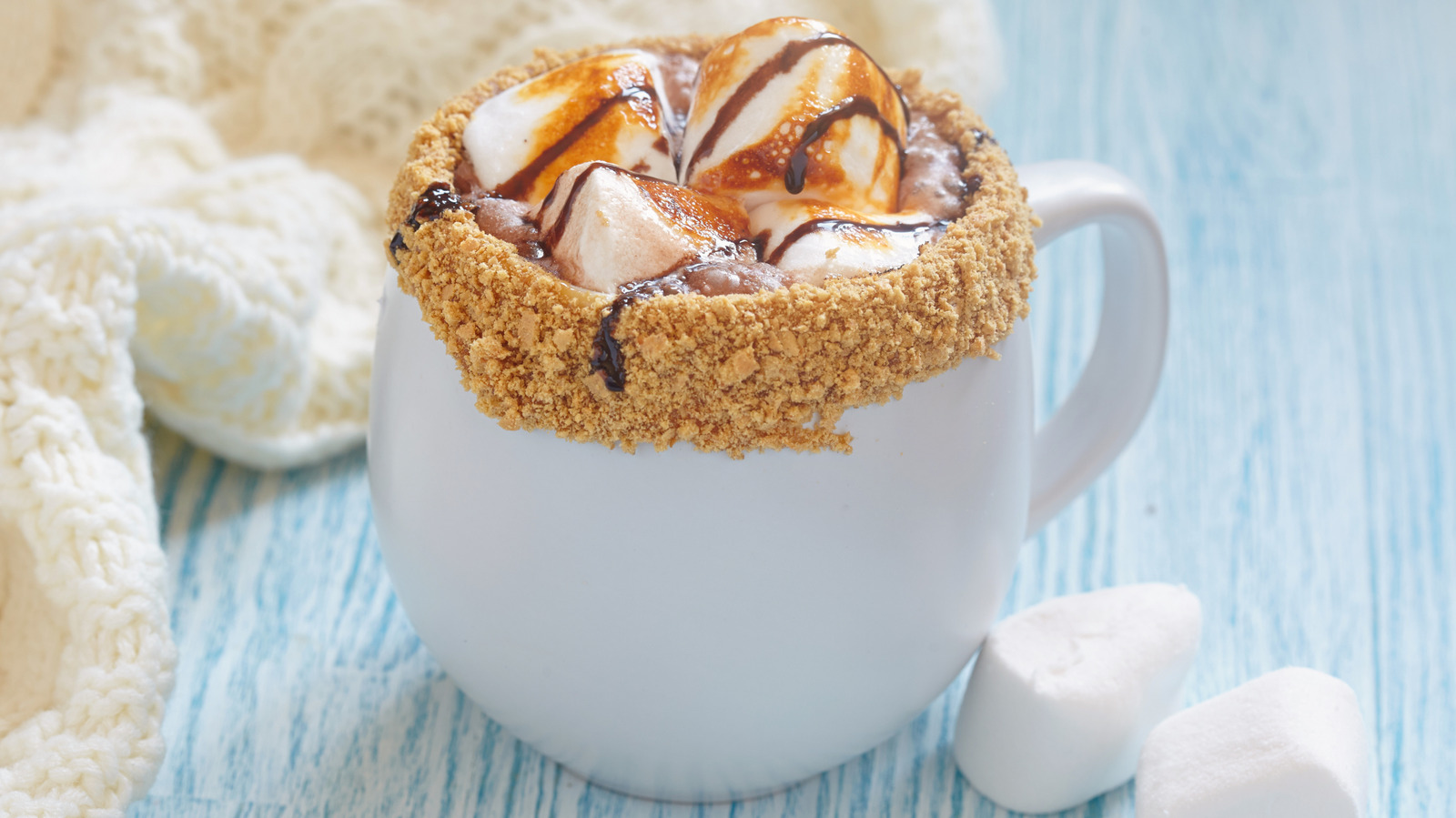
The Rise of Specialty Coffee Syrups
The growth of the flavored syrup market is intrinsically linked to the expansion of the "at-home barista" demographic. According to industry reports, the global coffee syrup market has seen a consistent upward trajectory, fueled by the proliferation of specialized coffee equipment in residential kitchens. Consumers are increasingly seeking professional-grade ingredients that mirror the flavor profiles found in high-end chains like Starbucks or independent artisanal cafes.
Historically, syrups were categorized into basic fruit or nut profiles. The introduction of "complex" flavors like toasted marshmallow, salted caramel, and lavender reflects a broader shift toward culinary-inspired beverages. This shift requires manufacturers to move beyond simple flavoring agents and toward more nuanced flavor engineering. The ability to maintain stability across varying temperatures—from a boiling espresso shot to a refrigerated cold foam—is now a standard requirement for market competitiveness.
Consumer Sentiment and Market Impact
Market analysis suggests that consumer loyalty in the syrup sector is highly sensitive to "flavor authenticity." As social media platforms like TikTok and Instagram continue to highlight home-brewing recipes, users are becoming more discerning regarding the quality of their ingredients.
Review data from major retail platforms underscores this trend. Enthusiasts of Monin’s Toasted Marshmallow syrup frequently cite its versatility as a primary factor in their purchasing decisions. Unlike syrups that are relegated to winter seasonal drinks, the "toasted" profile has been successfully integrated into year-round consumption patterns. Data from customer feedback loops indicates a diverse range of usage:
- Cold Beverages: Integration into iced coffees and cold foams for seasonal summer drinks.
- Dessert Applications: Utilization in no-bake cheesecakes, milkshake bases, and as a sweetener for yogurt.
- Mixology: Incorporation into espresso martinis and other dessert-style cocktails where a balanced, non-cloying sweetness is required.
The consensus among regular users is that the product provides a "vanilla-forward" profile with marshmallow undertones, avoiding the medicinal aftertaste often associated with cheaper, mass-produced alternatives.
Technical Specifications and Flavor Stability
The chemical stability of a syrup is essential for its performance in coffee. Coffee, by nature, is an acidic environment. When a flavoring agent is introduced, it must remain stable without curdling or separating. Monin’s formulation utilizes high-quality sugar bases and natural flavoring agents that withstand the heat of steam-wanded milk, a process that can often cause lower-quality artificial sweeteners to break down or lose their flavor integrity.
The "toasted" note is achieved through the careful inclusion of flavor compounds that mimic the Maillard reaction—the chemical process responsible for the browning and complex flavor development in cooked foods. By balancing this with a clean vanilla extract, the syrup achieves a profile that feels "authentic" to the human palate, which is highly attuned to the smell and taste of charred sugar.
Broader Implications for the Syrup Industry
The failure of a major player like Torani to capture the "toasted" market segment serves as a case study for the importance of continuous product refinement. As consumers gain access to a wider variety of specialty brands, the "first-mover advantage" held by legacy brands is increasingly threatened by newcomers and established brands that prioritize high-fidelity flavor profiles.
For retailers, the implication is clear: product placement and inventory management must evolve to reflect these shifting preferences. As the home coffee market matures, the demand for "professional-grade" ingredients will continue to rise. Stores that stock products with higher flavor accuracy are likely to see better repeat-purchase rates, as consumers abandon brands that fail to deliver on their advertised flavor promises.
Looking Ahead
As the beverage industry continues to innovate, the intersection of science and sensory experience will remain at the forefront. The success of a simple bottle of syrup is no longer just about sugar and water; it is about the ability to transport a consumer to a specific experience—in this case, the nostalgic, warm memory of a campfire.
The data indicates that while Torani maintains a significant share of the market due to its widespread distribution and branding, the "best in class" title is currently being claimed by brands that prioritize flavor complexity and ingredient quality. For the consumer, this signifies a period of transition where the standard for home-brewed beverages is being raised. Whether one is crafting a complex s’mores-inspired latte or simply looking for a touch of sweetness in a morning cup, the choice of syrup is now as critical to the final result as the quality of the coffee beans themselves.
In conclusion, the preference for Monin over Torani in the marshmallow category is supported by a clear distinction in quality control and flavor engineering. As long as consumers continue to prioritize authenticity and versatility in their ingredients, brands that fail to meet these expectations will find it increasingly difficult to compete in an evolving and highly competitive market landscape. The lesson for the industry is that in the world of specialty coffee, the details—specifically the nuanced, bitter-sweet balance of a toasted note—are what separate a good beverage from a truly exceptional one.
