
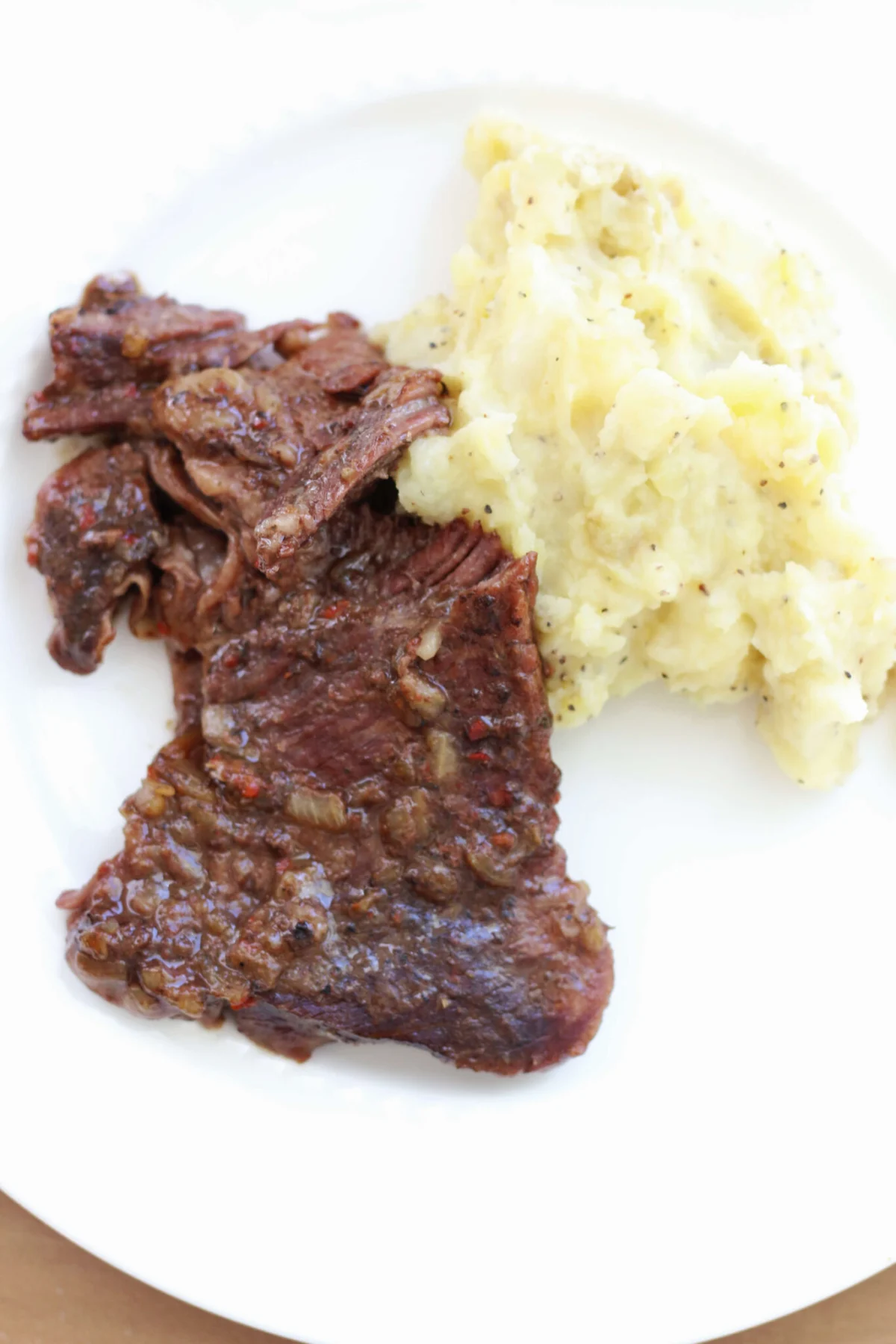
The Culinary Science of Slow-Cooked Chuck
The preparation of Tennessee Barbeque Beef centers on the technique of braising. Unlike dry-heat methods such as grilling or roasting, which can quickly toughen lean cuts, the slow-cooker method relies on a moist, low-temperature environment. The breakdown of collagen into gelatin is the primary chemical objective. When chuck steak is exposed to temperatures between 190°F and 205°F over an eight-hour duration, the collagen in the connective tissue gelatinizes, providing the characteristic "fall-apart" texture that defines high-quality pot roasts and shredded beef preparations.
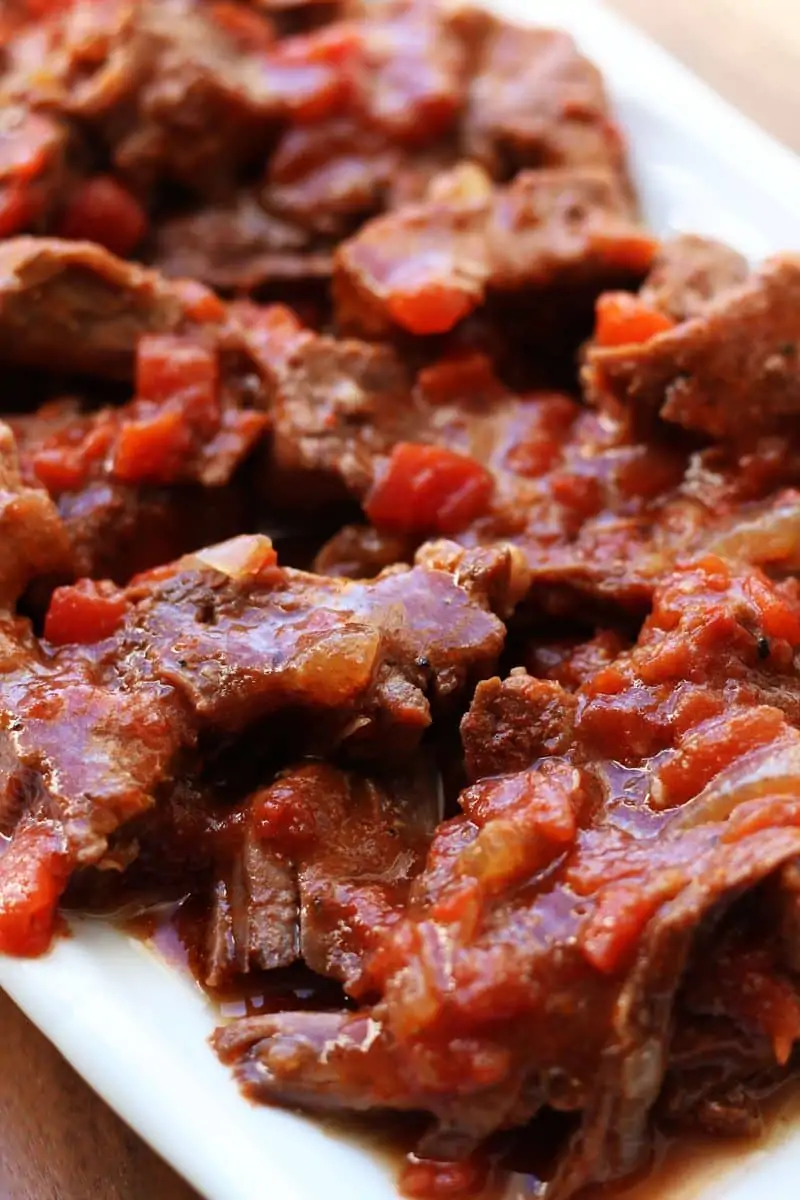
The addition of an acidic medium, in this case, a combination of crushed tomatoes and tomato paste, serves a dual purpose. Beyond providing the base for the barbecue-style flavor profile, the acidity helps facilitate the breakdown of tough fibers, while the sugars—specifically the brown sugar included in the seasoning rub—undergo a mild Maillard reaction and caramelization, deepening the color and complexity of the resulting sauce.
Chronology of Preparation
To achieve the optimal balance of flavor and texture, culinary experts recommend a structured approach to the preparation of this dish. The process generally follows a standardized timeline:
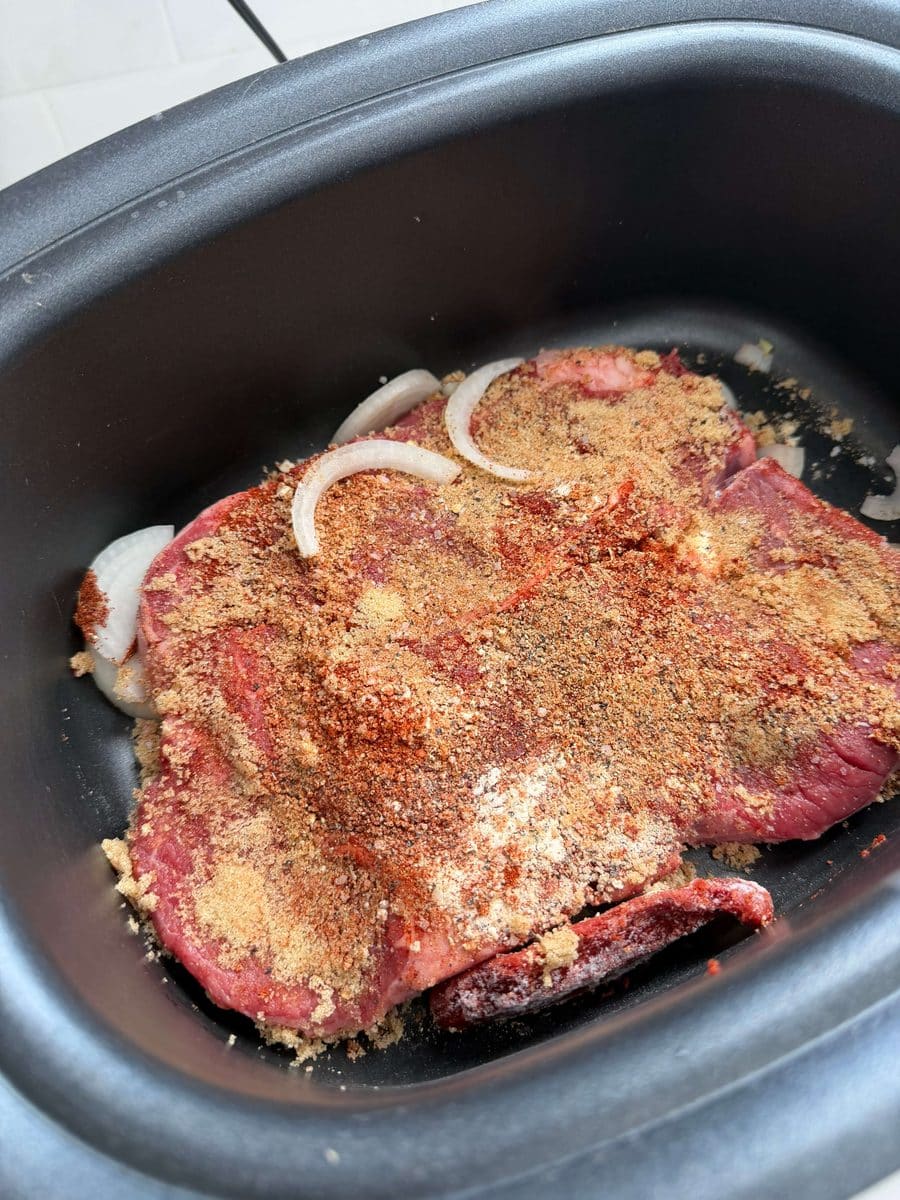
- The Seasoning Phase (0–15 minutes): The beef is prepared by creating a dry rub consisting of brown sugar, smoked paprika, kosher salt, garlic powder, onion powder, black pepper, chili powder, and dry mustard. This mixture is massaged into the surface of the chuck steak. This dry-rub application is essential, as the salt draws out surface moisture to create a brine, which then reabsorbs into the meat, carrying the spice flavors deeper into the muscle.
- The Layering Phase (15–20 minutes): The seasoned beef is placed into the slow cooker, often accompanied by thinly sliced onions. The aromatics act as a bed for the meat, elevating it slightly from the base of the pot to ensure even heat distribution.
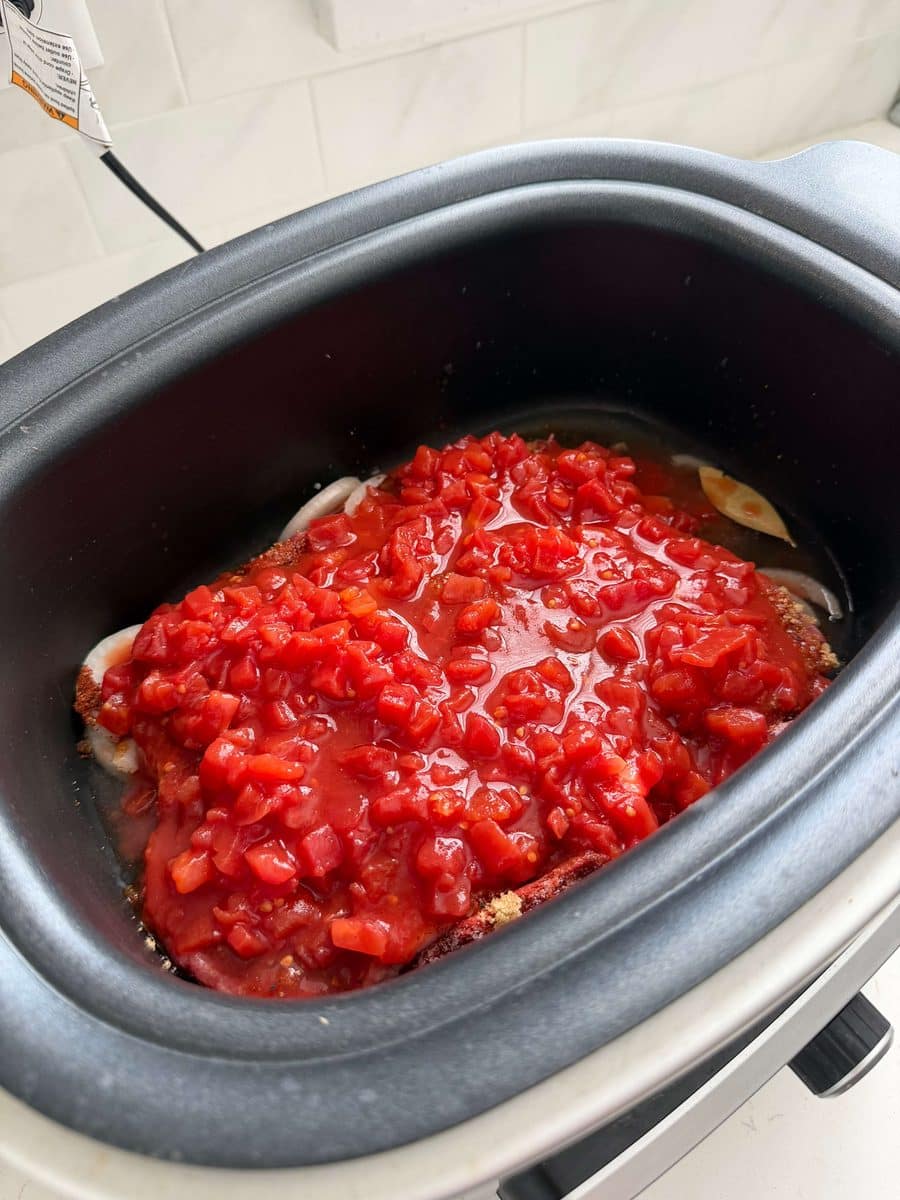
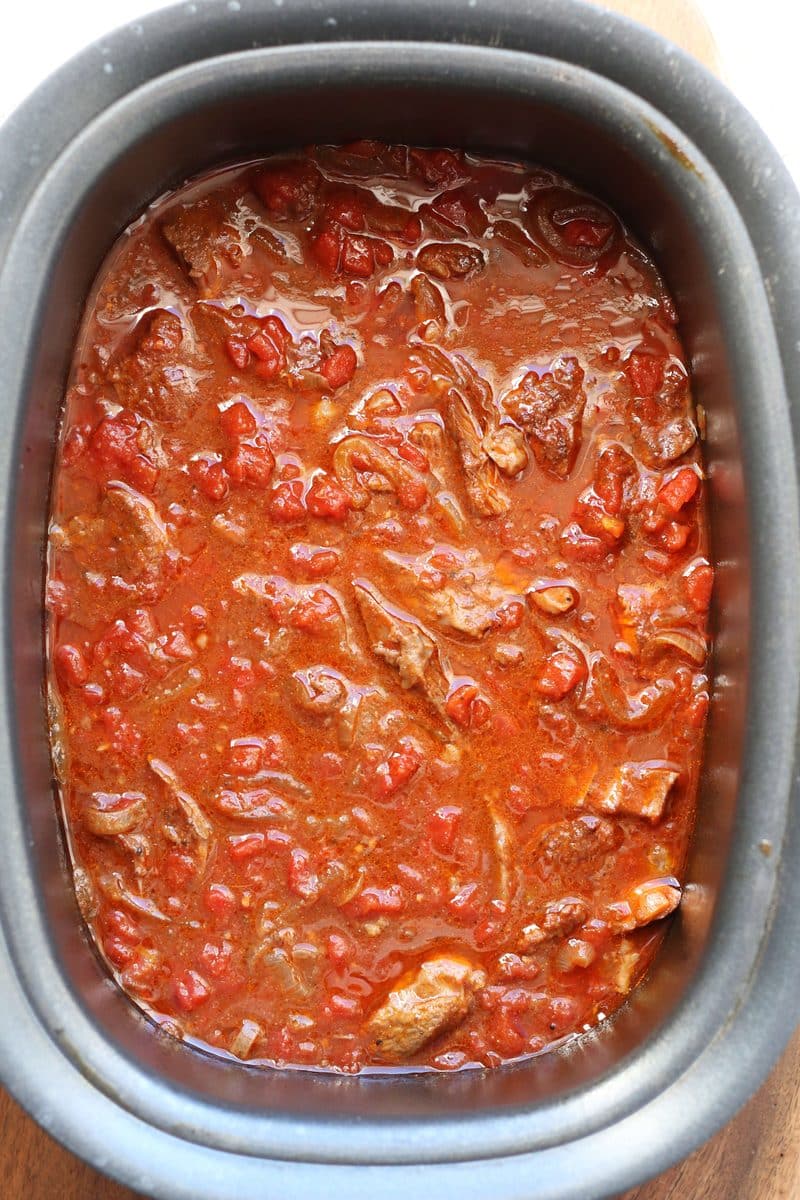
- The Liquid Integration (20–25 minutes): A mixture of crushed or diced tomatoes, tomato paste, beef broth, and minced garlic is poured over the beef. The inclusion of a bay leaf is common practice to introduce subtle herbal undertones.
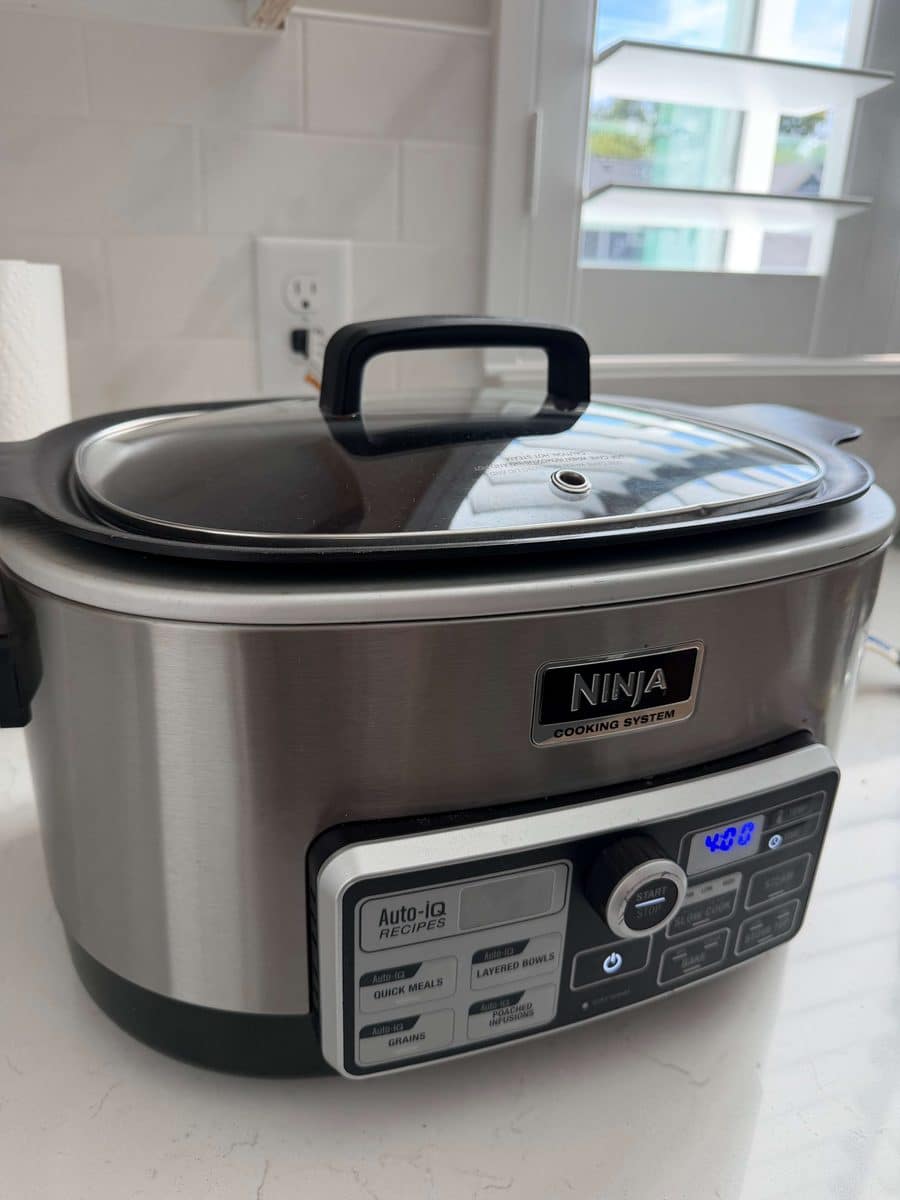
- The Thermal Processing (4–8 hours): The slow cooker is set to a low temperature for eight hours or high for four. During this interval, the internal temperature of the beef must reach a threshold that ensures safety while maintaining the desired texture.
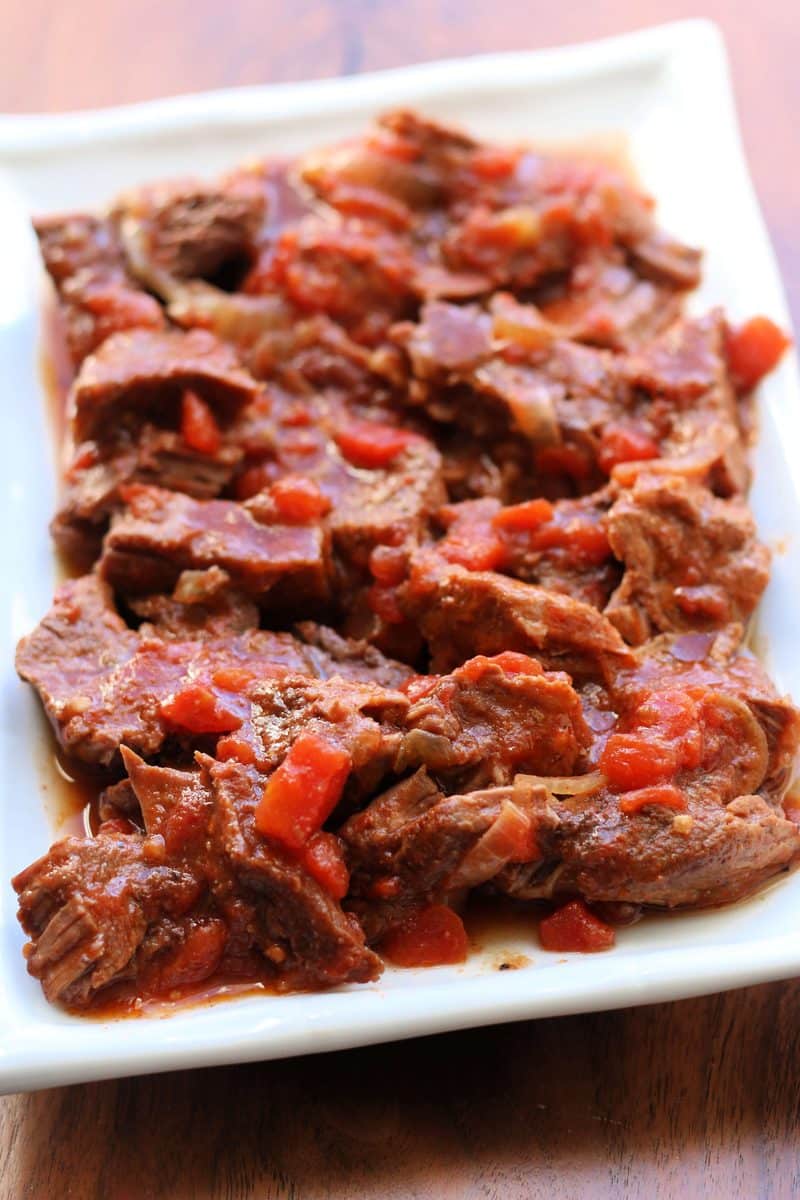
- The Finishing Phase (Final 10 minutes): Once the cooking cycle is complete, the meat is shredded within the vessel. The shredding process allows the fibers to absorb the reduced cooking liquid, creating a cohesive, flavorful mixture that is traditionally served over starches such as mashed potatoes, rice, or pasta.
Nutritional and Dietary Context
From a nutritional perspective, chuck steak is a dense source of high-quality protein, zinc, and B-vitamins, particularly B12. However, it is also a source of saturated fats. When utilizing a slow-cooker method, the fat rendered during the long cooking process creates a rich, caloric sauce.
In modern home cooking, there has been a notable shift toward customizing such recipes to meet specific dietary needs. Many home cooks are now substituting traditional brown sugar with non-nutritive sweeteners for a lower-glycemic index, or replacing beef broth with bone broth to increase the collagen and mineral content of the final dish. Furthermore, because this recipe is naturally gluten-free (provided the broth and spice blends are verified), it has become a staple for households managing celiac disease or gluten sensitivities.
Market Impact and Consumer Trends
The popularity of recipes like Tennessee Barbeque Beef reflects a broader trend in the food industry toward "low-effort, high-reward" home cooking. Market research indicates that as consumer demand for convenience increases, the use of programmable slow cookers and multi-cookers has seen consistent growth. This trend is driven by two main factors: the desire to save time during the work week and the ongoing consumer preference for "comfort foods" that provide emotional satisfaction.
Industry analysts suggest that the "slow cooker movement" is not merely a fad but a response to economic pressures. By purchasing more affordable, tougher cuts of meat—like chuck steak—and utilizing slow-cooking techniques, households can produce restaurant-quality meals at a fraction of the cost of higher-end cuts like sirloin or ribeye. This economic efficiency, combined with the versatility of the final product—which can be repurposed for sandwiches, tacos, or shepherd’s pie—makes it a resilient recipe within the domestic culinary landscape.

Broader Implications for Home Culinary Practices
The rise of digital recipe sharing, as evidenced by the widespread availability of tutorials and ingredient databases, has standardized the preparation of regional dishes. Historically, a recipe for "Tennessee Barbeque Beef" might have been passed down through oral tradition or regional cookbooks, with wide variations in technique. Today, the democratization of culinary knowledge allows for a consistent output, where the variables of seasoning and cook time are controlled by precise, data-driven instructions.

Furthermore, the integration of these recipes into online databases with filtering capabilities (by protein type, dietary restriction, or equipment) highlights a shift in how individuals approach meal planning. The ability to search for "gluten-free" or "low-carb" versions of traditional comfort foods reflects an increasing sophistication in the home-cooking demographic. Consumers are no longer passive recipients of recipes; they are active curators of their nutritional intake, using online tools to manipulate variables to suit their specific lifestyle requirements.

Future Outlook
As the culinary landscape continues to evolve, the intersection of traditional braising techniques and modern technology will likely remain a pillar of home cooking. The Tennessee Barbeque Beef recipe serves as a template for this intersection. It respects the history of the dish while optimizing it for the contemporary home environment.

Future advancements in kitchen technology, such as AI-integrated cooking appliances that monitor moisture levels and temperature in real-time, could further refine this process. Even with such advancements, the fundamental principles—the selection of quality ingredients, the proper application of seasonings, and the patience required for low-and-slow heat—will remain the hallmarks of successful, traditional-style cooking. The continued popularity of such dishes suggests that while the tools of the kitchen change, the appetite for hearty, nutrient-dense, and flavorful home-cooked meals remains a constant in the modern household.
