
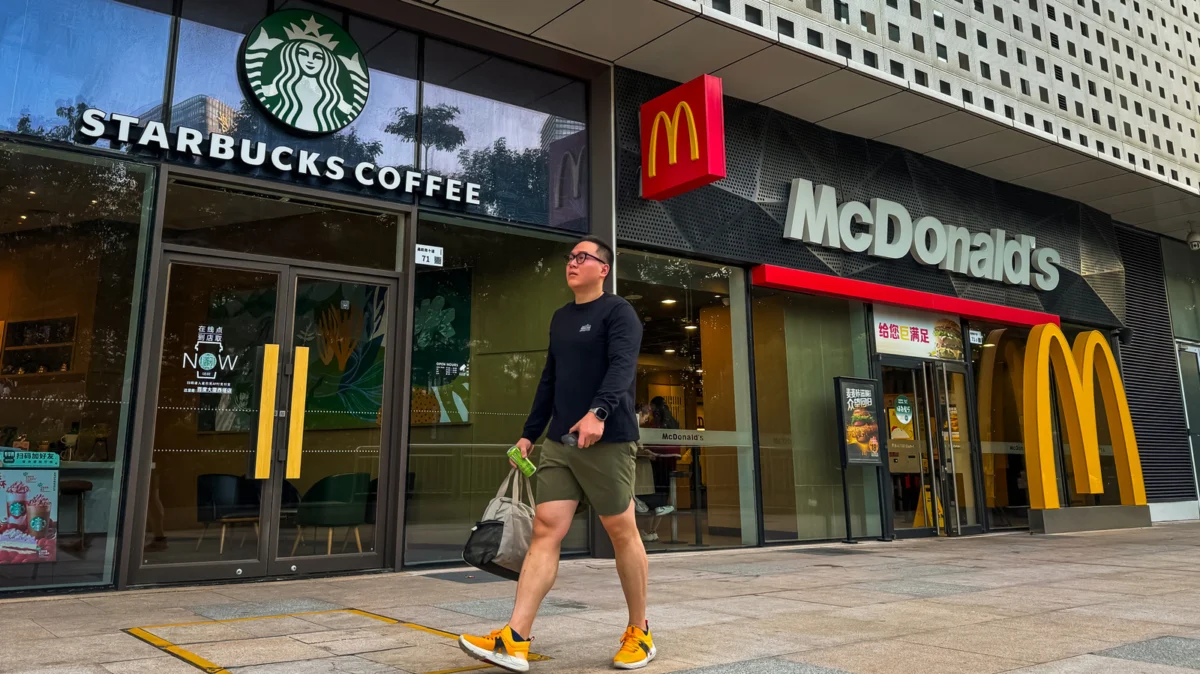
The breakfast industry in the United States has solidified its position as a $35 billion annual juggernaut, driven largely by the evolving demands of a workforce returning to physical offices and an increasing consumer reliance on convenient, on-the-go nourishment. As inflationary pressures continue to influence household budgets, the definition of "value" in the fast-food sector has shifted from simple low pricing to a complex equation of accessibility, digital rewards programs, and the inclusion of diverse dietary options. For the modern commuter or road-tripper, the ideal breakfast chain must bridge the gap between efficiency and quality.
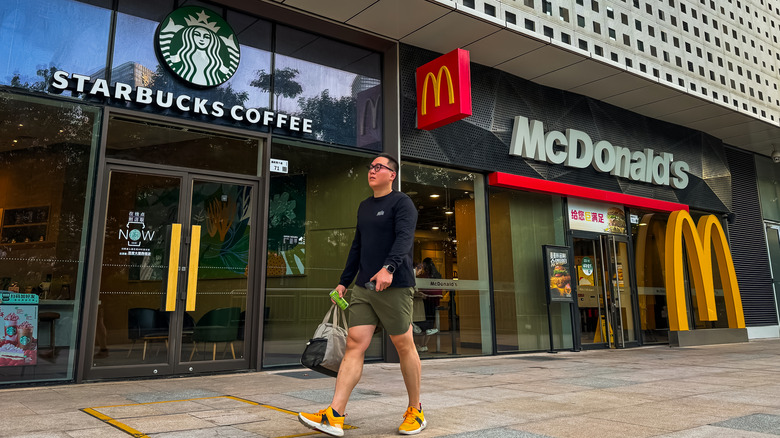
The Evolution of the Morning Meal Market
The historical trajectory of breakfast service in the United States reflects broader economic shifts. In the 1970s, McDonald’s pioneered the modern breakfast market, effectively creating a daily habit for millions. Over the subsequent decades, the sector transformed from a luxury of leisure to a daily utility. Following the global disruptions of the early 2020s, the "return to office" phenomenon has revitalized these chains. Market analysts note that restaurant brands are no longer competing merely on the cost of a sandwich; they are competing on the integration of mobile technology, which provides a frictionless experience for time-sensitive consumers.
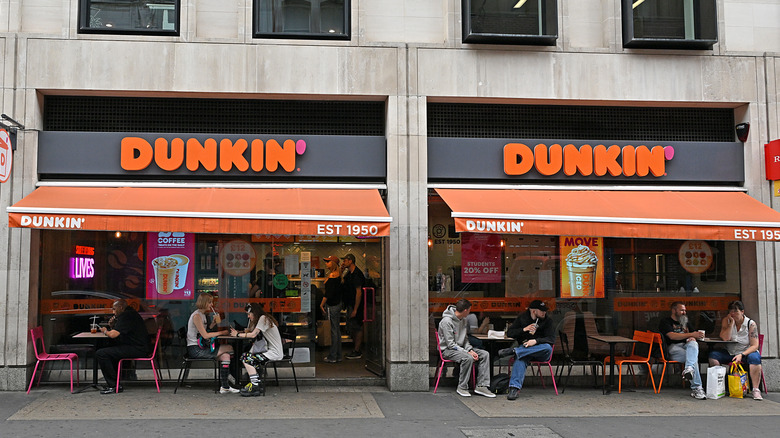
Dunkin’ and the Digital Ecosystem
Dunkin’ maintains a dominant market share by leveraging a hybrid strategy of ubiquity and digital engagement. With thousands of locations ranging from urban hubs to highway rest stops, the brand has optimized its supply chain to ensure consistent availability. Beyond its core pastry and coffee offerings, Dunkin’ has responded to public pressure—notably from advocacy groups like Switch4Good—to eliminate surcharges for non-dairy milk. This change, coupled with a robust rewards program that gamifies point accumulation, allows frequent customers to offset rising menu costs. The brand’s mobile application currently serves as a primary tool for customer retention, allowing users to bypass traditional queues and earn tangible rewards, such as free beverages and food items.
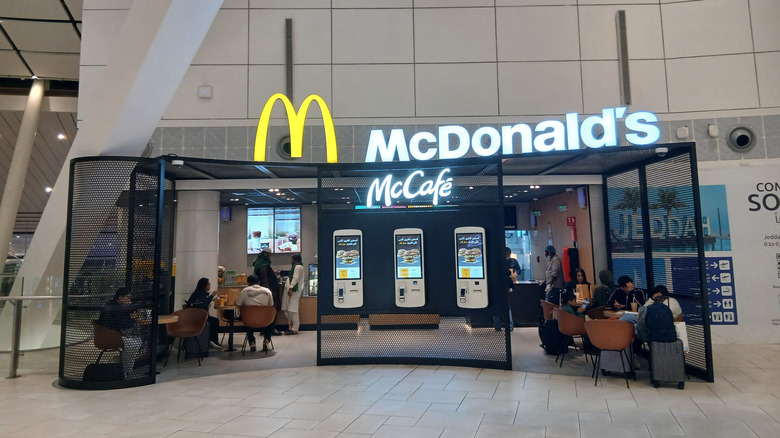
McDonald’s: Scaling Affordability
McDonald’s continues to define the entry-level price point for the U.S. breakfast market. Since the 2017 relaunch of its McCafé platform, the corporation has focused on refining its digital interface to offer personalized discounts. While the era of universal, rock-bottom pricing on coffee has largely concluded, the chain maintains its value proposition through combo meals and app-exclusive coupons. Nutritional transparency has also become a focal point, with the chain offering modified items, such as fruit and maple oatmeal without dairy, catering to a demographic that balances a desire for cost-efficiency with health-conscious dietary habits.
Starbucks: Customization as Value
Starbucks has navigated the changing landscape by positioning its product as a premium experience that remains accessible through high-frequency rewards. With roughly 17,000 U.S. locations, the brand is nearly omnipresent. The recent shift in leadership, marked by a commitment to removing non-dairy upcharges, signals a significant change in corporate policy intended to reduce barriers for consumers with specific dietary requirements. Furthermore, strategic partnerships with Delta Air Lines and Marriott Bonvoy demonstrate an attempt to integrate breakfast into a broader ecosystem of travel and lifestyle rewards, providing value that extends beyond the immediate transaction.
Sit-Down Value: IHOP and Denny’s
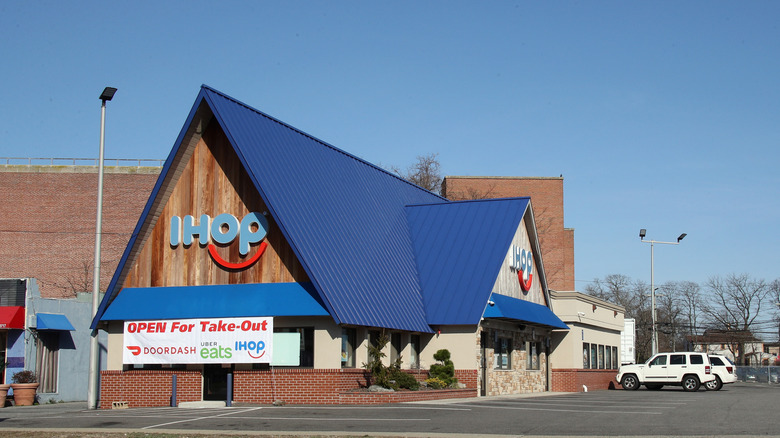
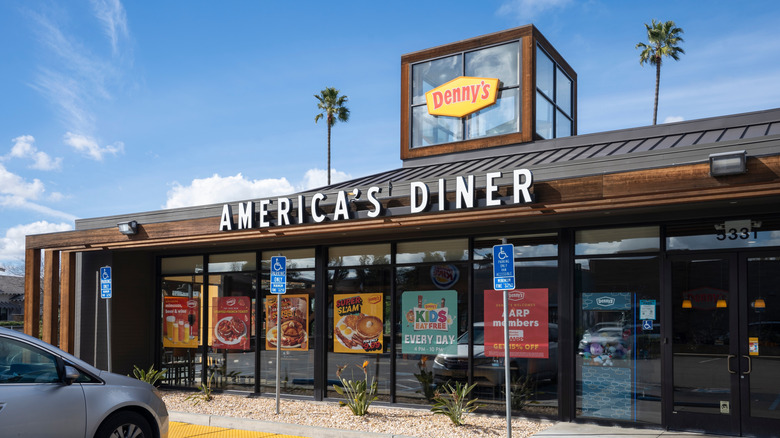
The "diner" segment, led by IHOP and Denny’s, provides a different value proposition: volume and comfort. IHOP’s "International Bank of Pancakes" rewards program is specifically designed to provide high-frequency users with rapid returns on their spending. By offering meal deals under $6 and maintaining a presence in markets with high foot traffic, IHOP appeals to consumers who prefer a seated experience. Denny’s, meanwhile, employs a targeted demographic strategy. By offering substantial discounts to AARP members and a specialized menu for seniors, Denny’s secures loyalty within a critical consumer segment. Their continued innovation, particularly in plant-based partnerships with brands like Dr. Praeger’s, ensures that their menu remains relevant to younger, ethically-minded diners.
Regional Leaders and Specialized Options
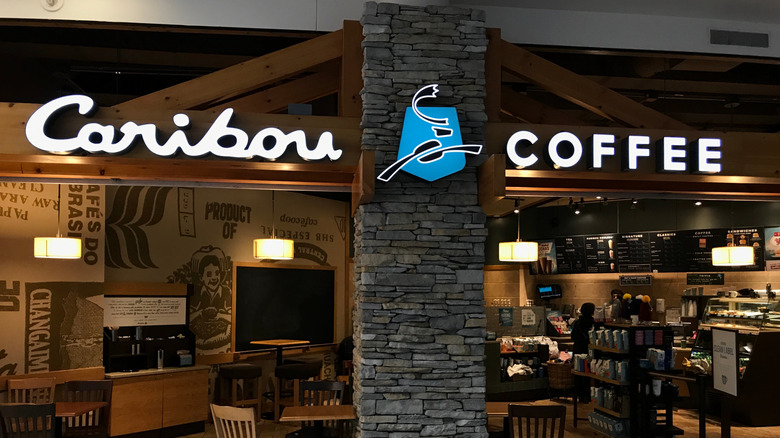
Caribou Coffee serves as a crucial case study in regional dominance. While its footprint is smaller than that of Starbucks, its concentration in the Midwest allows it to operate with high efficiency and strong brand loyalty. Its recent policy shift regarding non-dairy milks, mirrored by larger chains, highlights the industry’s trend toward inclusivity.
Similarly, Jamba has carved out a niche in the health-conscious sector. In an environment where independent juice bars can charge upwards of $20 for a smoothie, Jamba’s ability to provide comparable nutrition at half the cost is a significant market advantage. This value is augmented by a loyalty program that incentivizes repeat visits through welcome bonuses and birthday rewards.
Fast Food Competitors: Burger King and Wendy’s
Burger King and Wendy’s provide essential competition by focusing on the "breakfast sandwich" segment. Burger King’s strategy involves a gamified rewards app that keeps costs low for the average consumer, with its French toast sticks serving as a standout, low-cost menu item. Wendy’s, despite a history of volatility in its breakfast offerings, has successfully utilized its rewards app to provide deep discounts and freebies. This digital-first approach has helped the brand achieve a competitive footing against legacy breakfast providers.
Emerging Trends and Future Outlook
The landscape for breakfast chains is currently shaped by three primary factors:
- Digital Integration: The ability to order ahead and earn points is no longer a luxury; it is a baseline expectation for the modern consumer.
- Dietary Inclusivity: The removal of price penalties for plant-based milks and the expansion of meat-free proteins (such as Impossible Sausage) are becoming standard industry practices.
- Economic Resilience: As food costs fluctuate, chains that offer "value bundles" and senior-specific discounts are better positioned to weather economic downturns.
Methodology for Assessment
The evaluation of these chains is based on a multi-criteria assessment: affordability, national accessibility, the availability of diverse dietary options (including gluten-free and plant-based), and the efficiency of mobile ordering systems. This methodology prioritizes chains that maintain high standards of allergen awareness and customer service, as these factors directly correlate to the "value" perceived by the consumer. By comparing these metrics across the 12 highlighted chains, it is clear that value is no longer just about the bottom-line price of a meal; it is about the intersection of convenience, personalization, and accessibility in an increasingly competitive market.
As the industry looks toward the next fiscal year, the emphasis on digital loyalty programs and the removal of dietary-based surcharges are likely to intensify. For the consumer, the proliferation of these tools—when used strategically—offers a pathway to maintain a consistent breakfast routine without succumbing to the inflationary pressures affecting the broader food and beverage sector. The ongoing competition among these 12 chains suggests that consumers will continue to benefit from the battle for morning loyalty, provided they engage with the digital and reward platforms these restaurants have built to secure their market positions.
