
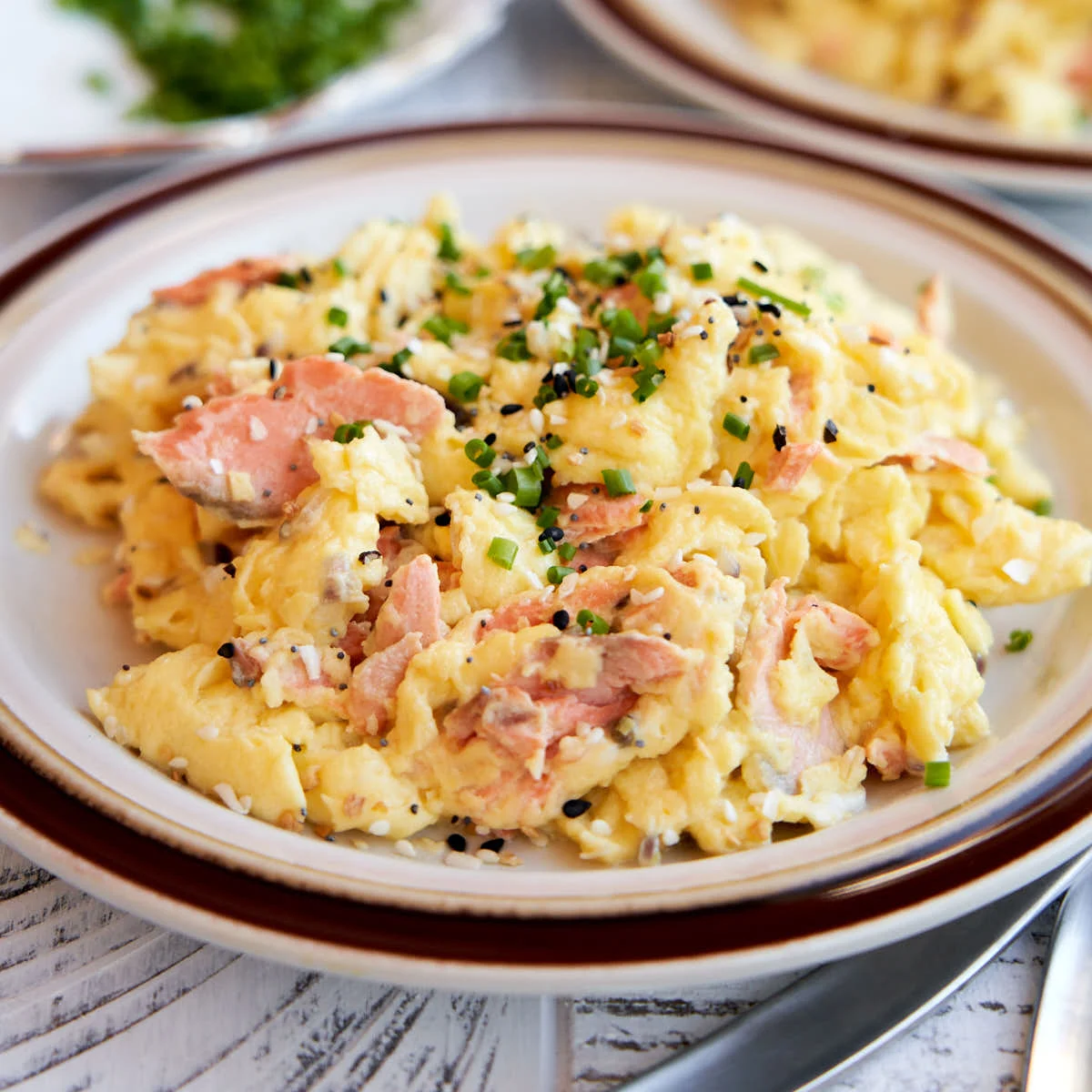
The consumption of salmon and eggs as a combined breakfast dish represents a highly efficient approach to morning nutrition, blending high-quality protein sources with essential omega-3 fatty acids. While historically regarded as a luxury pairing—often associated with Scandinavian or high-end hotel breakfast menus—the dish has transitioned into a practical, utilitarian meal for the modern household. By leveraging leftover cooked fish, consumers can minimize food waste while simultaneously optimizing their daily intake of macronutrients, such as high-biological-value proteins and healthy fats.
Nutritional Context and Health Implications
From a dietary standpoint, the combination of salmon and eggs provides a comprehensive amino acid profile. Salmon is a dense source of eicosapentaenoic acid (EPA) and docosahexaenoic acid (DHA), two long-chain omega-3 fatty acids linked to cardiovascular health and cognitive function. Eggs, conversely, are classified by the American Heart Association and other health organizations as a nutrient-dense food, containing essential vitamins including B12, riboflavin, and choline.
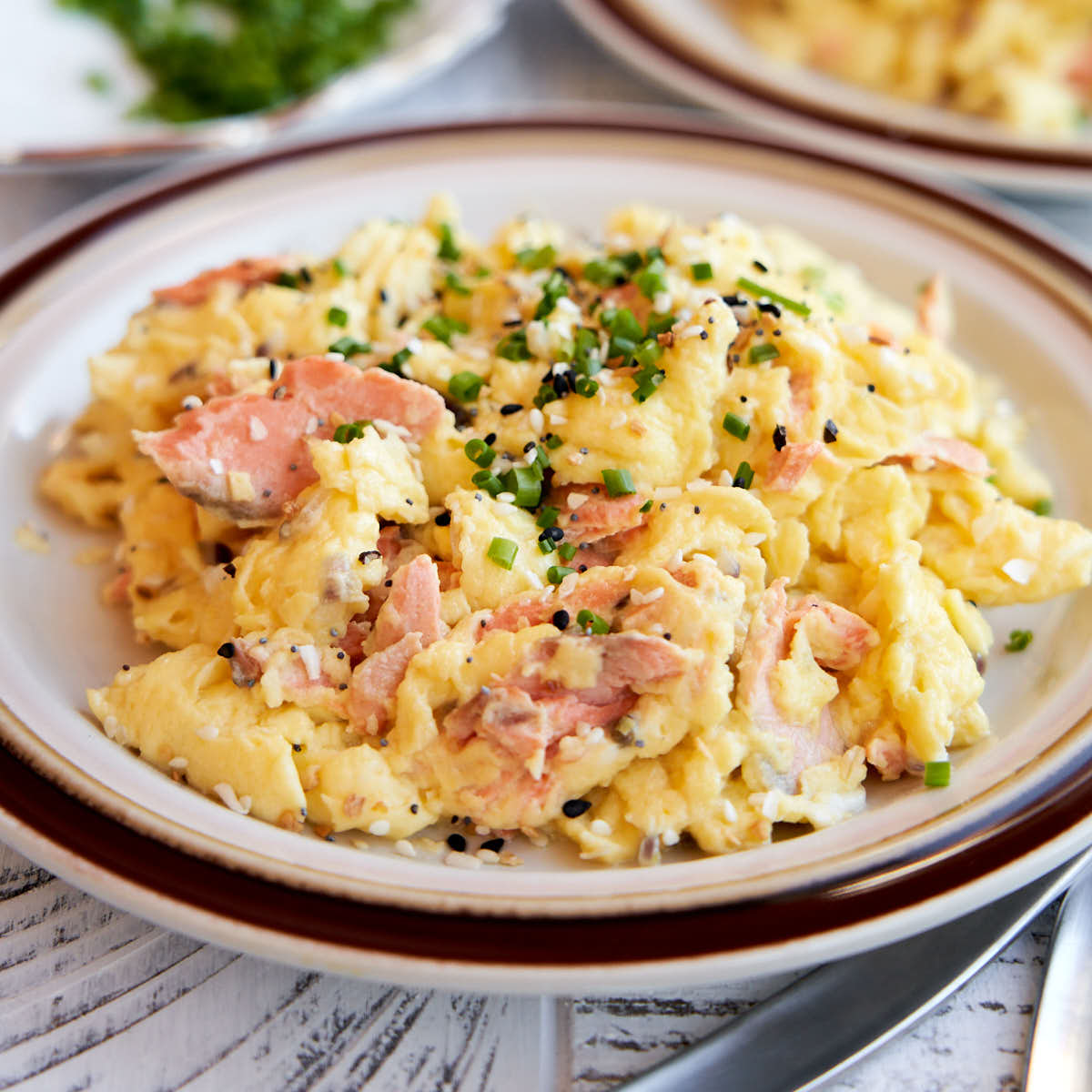
A standard serving of this dish—typically utilizing one to two eggs and approximately three ounces of salmon—offers a significant satiety response. Studies on breakfast composition suggest that high-protein, moderate-fat meals can stabilize blood glucose levels throughout the morning, potentially reducing mid-day caloric intake. Unlike high-carbohydrate breakfast options that often lead to rapid glycemic spikes and subsequent energy slumps, the protein-heavy nature of this dish promotes sustained metabolic stability.
The Evolution of Breakfast Trends
The inclusion of fish in the first meal of the day has seen a marked increase in interest over the last decade. Historically, Western breakfast habits were dominated by cereal grains, dairy, and processed meats. However, market research indicates a shift toward "savory breakfast" options. This transition is attributed to a growing awareness of the metabolic consequences of refined sugar consumption and a broader adoption of low-carbohydrate, high-protein dietary patterns, such as the Mediterranean diet.
The practice of using leftover proteins—specifically cooked salmon—is a reflection of the "zero-waste" movement in home economics. As global food prices fluctuate, the ability to repurpose high-value proteins from dinner into a subsequent morning meal provides an economic advantage to the household. Rather than discarding portions of salmon fillets, consumers are increasingly viewing them as versatile components for breakfast scrambles, omelets, or frittatas.

Technical Preparation and Culinary Best Practices
Achieving the ideal texture in a salmon-and-egg scramble requires adherence to specific thermal management techniques. Culinary experts emphasize the role of fats in preventing the coagulation of egg proteins, which can lead to a "rubbery" texture if cooked improperly. The addition of dairy, specifically half-and-half or heavy cream, is recommended to increase the fat content, which acts as an emulsifier, creating a tender, custard-like consistency.
The sequencing of ingredients is also critical to food quality. The salmon should not be introduced to the pan until the eggs have reached a partial set. This ensures that the fish is gently warmed through without being subjected to the high heat required to set the egg whites, which would result in moisture loss and the degradation of the salmon’s delicate protein structure. Furthermore, the use of room-temperature ingredients is a standard best practice; cold ingredients added to a hot pan can cause temperature fluctuations that interfere with the consistent cooking of the eggs.
Distinctions in Salmon Varieties and Preparation
While many home cooks inquire about the versatility of salmon types, there is a clear culinary distinction between cooked salmon and cold-smoked salmon (lox). While both are rich in nutrients, they perform differently in a hot pan. Smoked salmon has a high sodium content and a pre-cured texture that, when heated, often releases excess salt and becomes tough. Conversely, baked or pan-seared salmon—typically seasoned with mild aromatics—is the preferred variety for this application. The goal is to incorporate the fish in a way that it integrates with the eggs, rather than overpowering them with the intense brine of cured or smoked alternatives.
Economic and Sustainability Considerations
The decision to incorporate fish into the morning routine also aligns with broader sustainability goals. By utilizing leftovers, households actively participate in food loss reduction, a significant contributor to domestic carbon footprint mitigation. Data from the Environmental Protection Agency (EPA) suggests that food waste constitutes the largest portion of material sent to landfills in the United States. Transforming leftover salmon into a breakfast staple is a micro-level intervention that directly addresses this systemic issue.
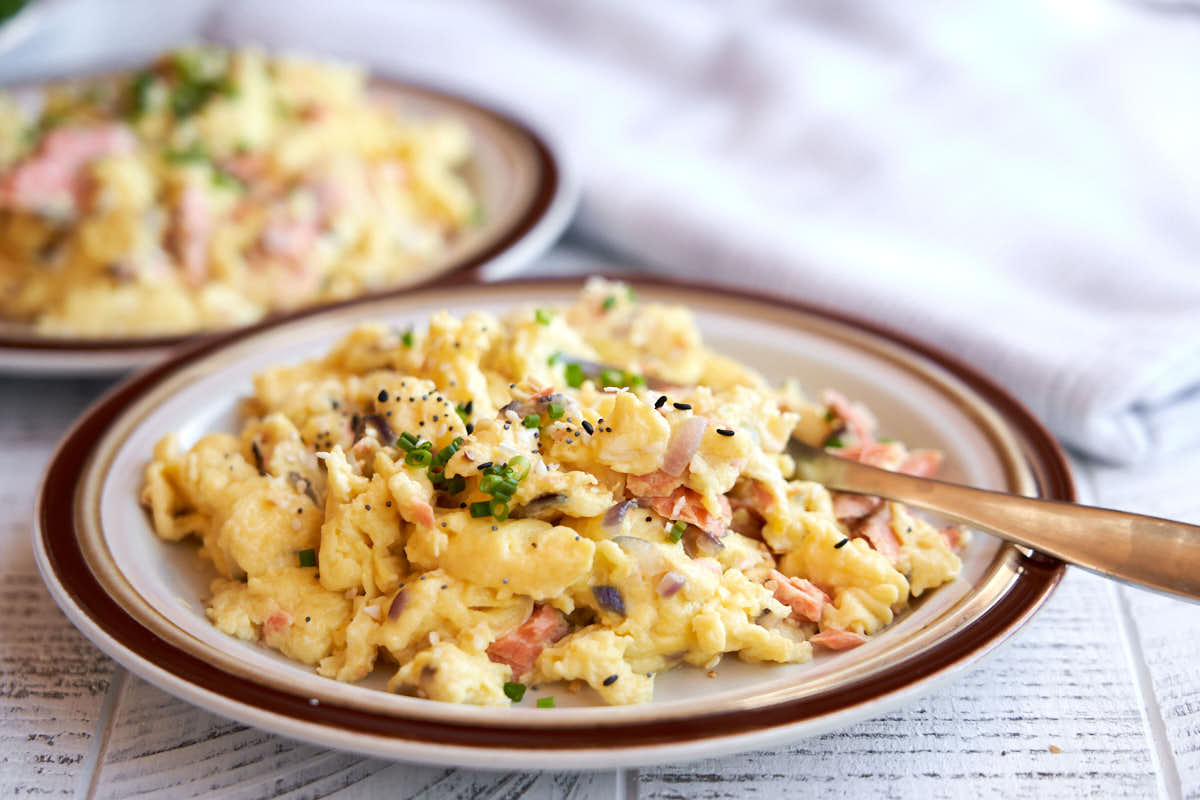
Furthermore, the simplicity of the recipe—requiring only basic equipment such as a skillet, a whisk, and a heat source—lowers the barrier to entry for home cooks. The use of flavor enhancers like "Everything but the Bagel" seasoning or fresh herbs (such as chives or dill) provides a cost-effective way to elevate the sensory experience of the meal without requiring expensive or exotic ingredients.
Future Outlook and Consumer Behavior
As the culinary landscape continues to favor transparency and health-conscious choices, the prominence of protein-centric breakfast dishes is expected to grow. The "Salmon and Eggs" model serves as a template for other similar meals, where leftover dinner proteins are repurposed into breakfast formats. This behavior suggests a shift away from the convenience-based breakfast culture of the 1990s and early 2000s toward a more deliberate, nutrient-focused paradigm.
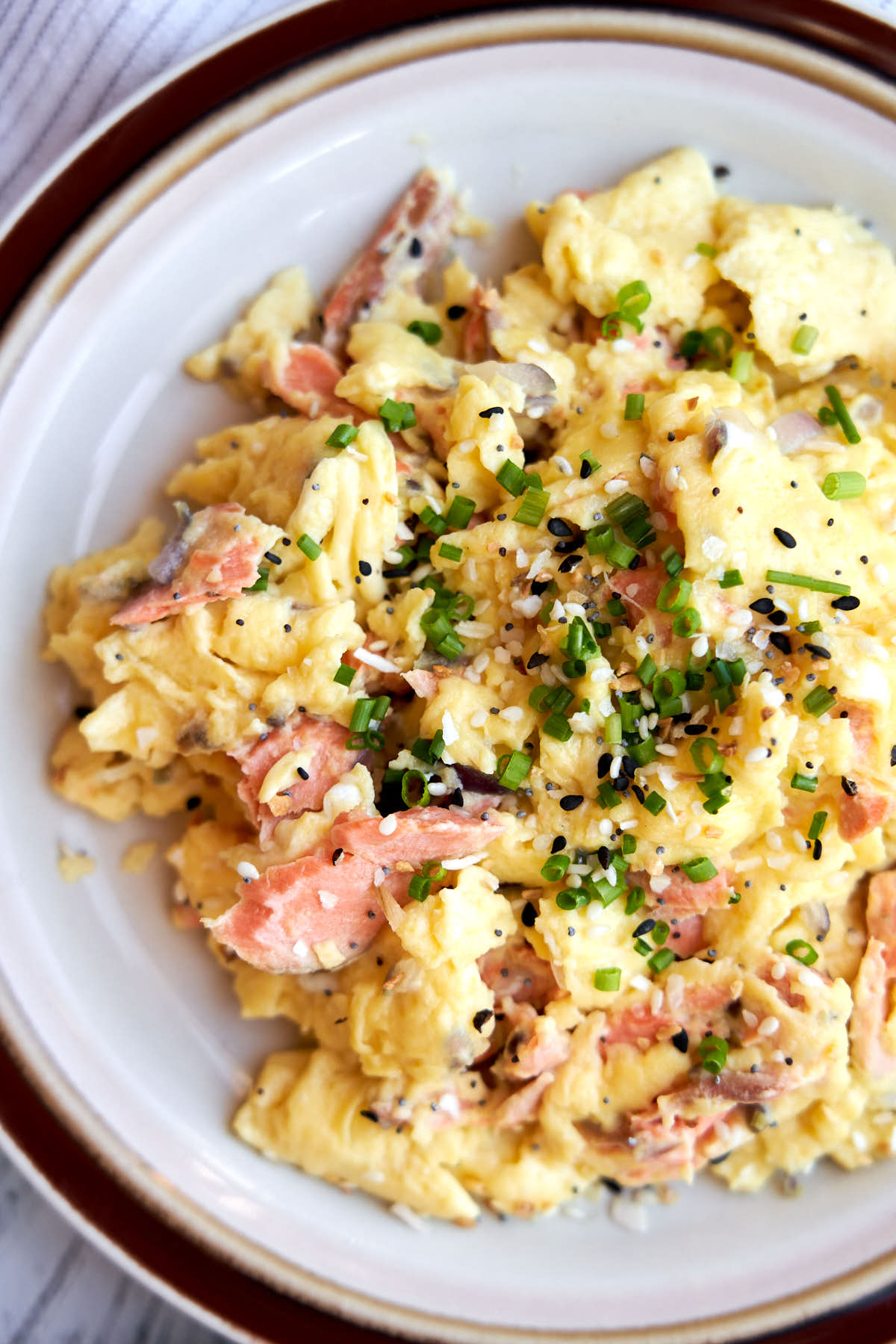
In summary, the preparation of salmon and eggs for breakfast is an exercise in culinary efficiency. By prioritizing high-quality protein, managing thermal cooking variables, and focusing on the reuse of existing food stocks, the dish remains a superior option for those seeking both nutritional density and economic practicality. Whether prepared on a hurried weekday or as part of a more leisurely weekend brunch, the dish represents a balanced, sustainable, and scientifically sound approach to the first meal of the day. As food costs remain a concern for the average consumer, the ability to derive two high-value meals from a single source of protein will likely remain a popular and permanent fixture in home cooking repertoires.
