
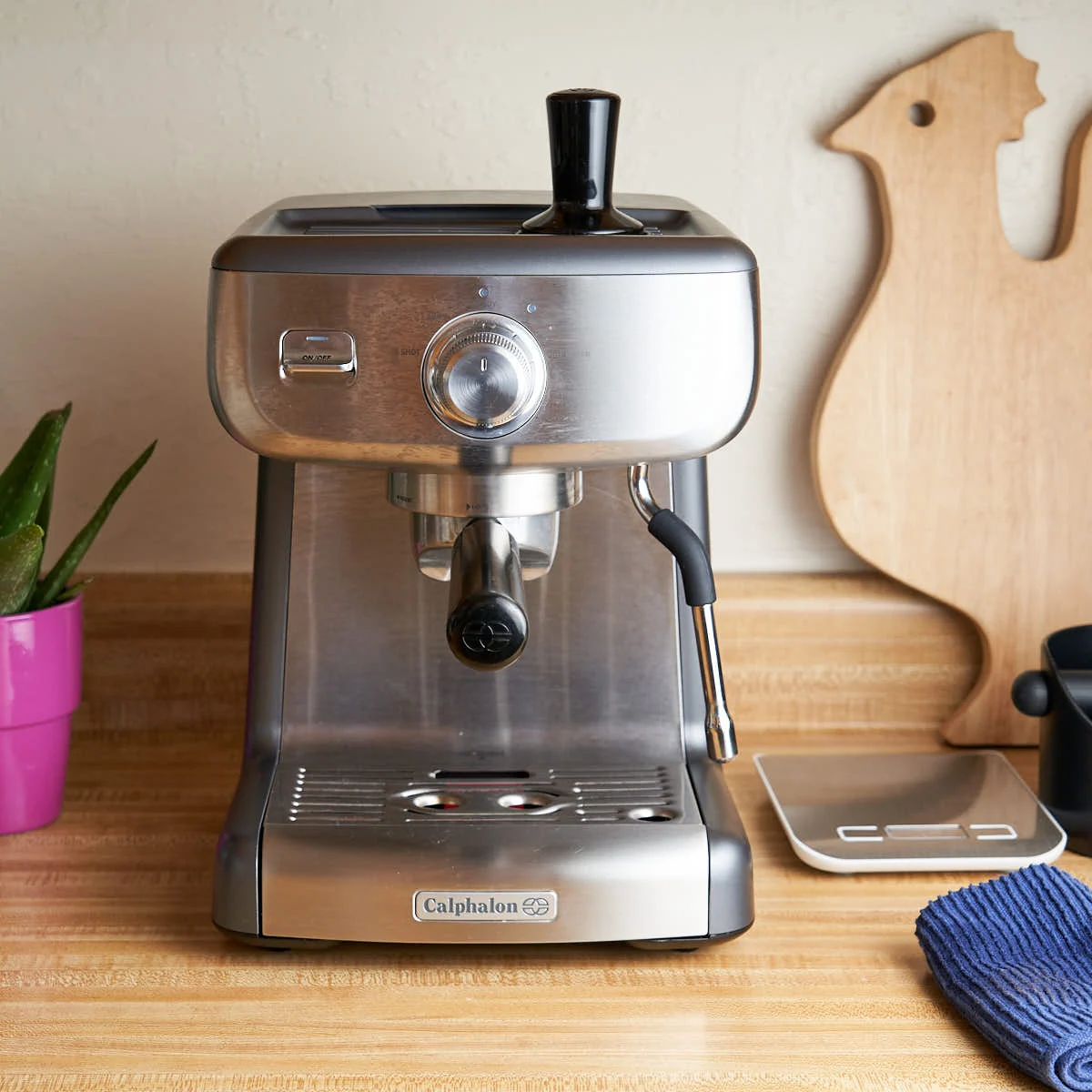
The home espresso market has experienced a significant surge in consumer interest over the past five years, driven largely by shifts in remote work culture and a heightened desire for café-quality beverages without the associated retail costs. Among the mid-range appliances currently dominating the market is the Calphalon Temp IQ Espresso Machine. This unit has positioned itself as a bridge between entry-level manual machines and high-end, prosumer-grade equipment. By prioritizing thermal stability and ease of operation, Calphalon aims to address the common pain points of home brewing: inconsistent extraction temperatures and complicated user interfaces.
Historical Context and Market Positioning
The evolution of domestic espresso machines has traditionally been divided into two categories: the "super-automatic" bean-to-cup machines that prioritize convenience over quality, and the "manual" machines that demand a steep learning curve. The Calphalon Temp IQ enters the space as a semi-automatic machine. Historically, Calphalon is recognized for its high-quality cookware, and its foray into small kitchen appliances represents a strategic effort to capture the "integrated kitchen" demographic. The Temp IQ series was introduced to provide a consistent, temperature-controlled experience, leveraging Thermoblock heating technology, which is designed to heat water rapidly while maintaining precise temperatures throughout the brewing cycle.
Engineering and Technical Specifications
The core of the Calphalon Temp IQ’s performance lies in its PID (Proportional-Integral-Derivative) controller. In professional-grade machines, a PID controller is essential for maintaining water temperature stability, which prevents the coffee from becoming overly bitter or sour due to fluctuations. The Temp IQ implements this technology to ensure the water reaches the optimal extraction range of 195°F to 205°F.
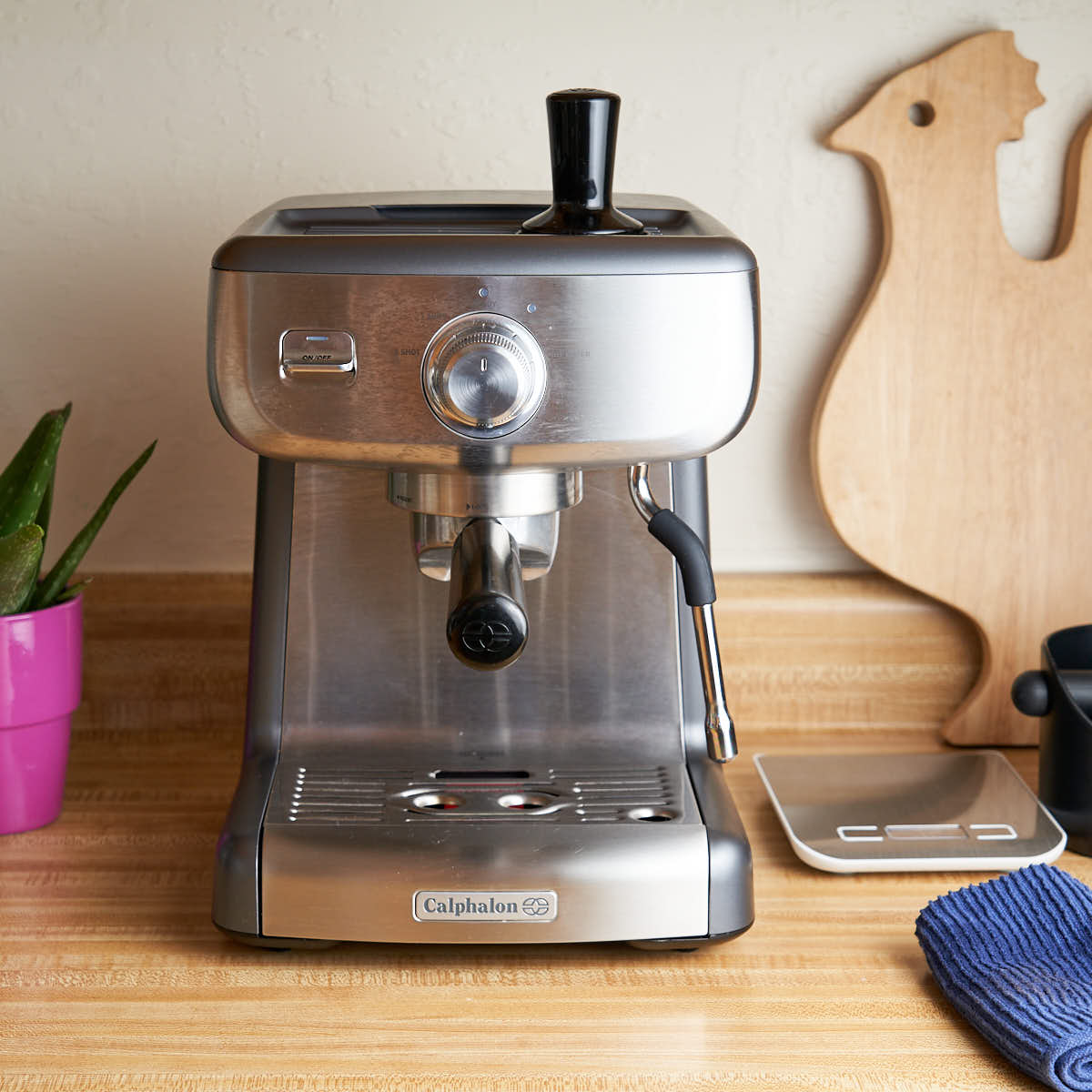
The machine features a 58mm portafilter, a size standard in commercial espresso machines. This is a critical technical advantage; larger portafilters allow for a more even distribution of water across the coffee grounds, leading to a more balanced extraction. The inclusion of a 15-bar Italian pump provides the necessary pressure to produce the rich crema associated with traditional espresso. From a chronological perspective, the release of this machine coincided with the 2020-2021 global shift in consumer habits, where the demand for home-based specialty coffee solutions grew by an estimated 25% year-over-year.
User Interface and Workflow Ergonomics
A common barrier to entry for home espresso is the complexity of the workflow. The Temp IQ minimizes this by utilizing a single-knob control system. This design simplifies the four primary functions: standby, espresso extraction, steam, and hot water delivery. By consolidating these functions, the machine reduces the cognitive load on the user, facilitating a more streamlined morning routine.
For the novice, the learning curve is mitigated by the machine’s automated volumetric controls. Users can program the duration of the shot, allowing the machine to stop the extraction automatically once the desired volume is reached. This removes the need for constant supervision, a feature that distinguishes it from fully manual lever-operated machines.
The Role of the Integrated Grinder vs. Manual Preparation
A significant design choice for the Calphalon Temp IQ is the availability of two distinct models: one with an integrated conical burr grinder and one without. Industry experts often debate the merits of integrated grinders. While integrated units offer space-saving benefits—a critical factor for urban kitchen environments—they often lack the micro-adjustment capabilities of standalone grinders.
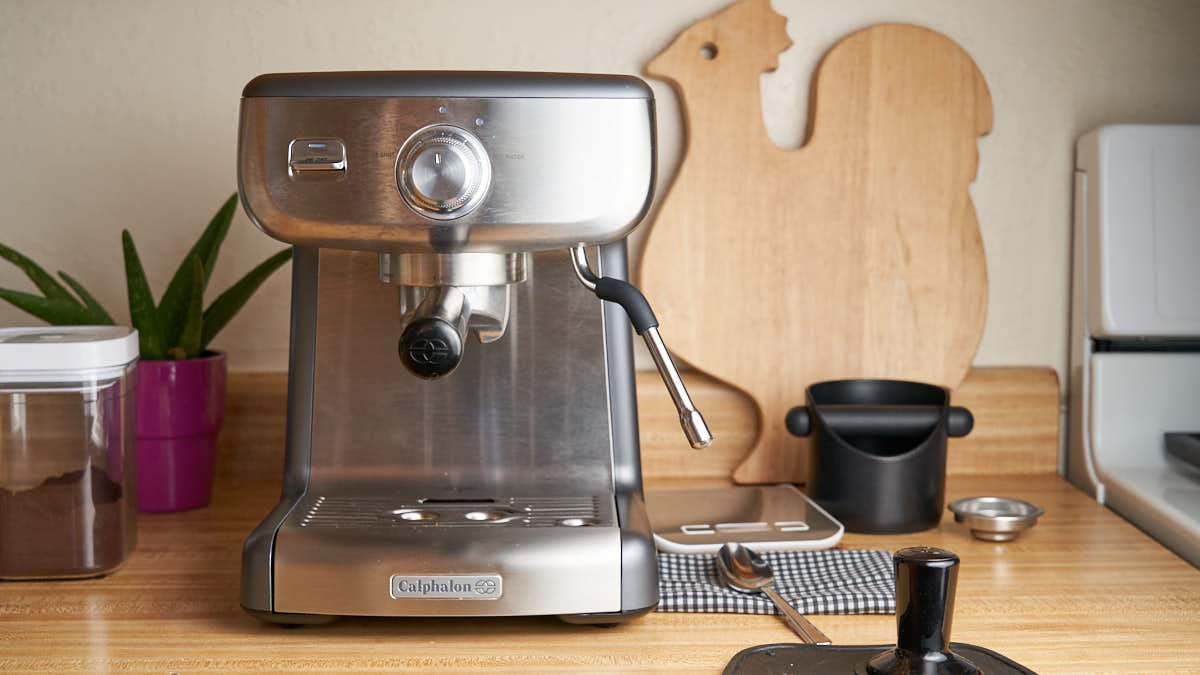
The decision to forgo the built-in grinder, as seen in the non-grinder version of the Temp IQ, allows for a narrower footprint and provides the user with the flexibility to upgrade their grinding equipment independently. This is a crucial distinction for enthusiasts who understand that the quality of the grind is the single most important factor in espresso extraction. By using a high-quality external grinder, users can achieve a more uniform particle size, which directly correlates to the clarity and body of the final espresso shot.
Maintenance Protocols and Longevity
The longevity of a semi-automatic espresso machine is inextricably linked to its maintenance schedule. The Temp IQ requires adherence to specific protocols to prevent the buildup of coffee oils and mineral deposits. The portafilter and basket, while stainless steel, are not dishwasher safe; the chemical environment of a dishwasher can strip the finish and damage internal seals.
The steam wand, a high-traffic component, requires a two-step cleaning process: wiping with a damp cloth immediately following use and "purging" the line by running steam or hot water through the nozzle for several seconds. This prevents milk proteins from coagulating inside the wand, which could otherwise lead to clogs and bacterial growth. Routine descaling—the process of removing calcium buildup from the heating elements—is recommended every 3 to 6 months, depending on the mineral content of the local water supply.
Comparative Analysis and Economic Impact
When evaluating the Calphalon Temp IQ against competitors in the same price bracket, the primary differentiator is its thermal stability. Many entry-level machines utilize cheaper boiler systems that struggle to maintain temperature during back-to-back shots. The Temp IQ’s integration of thermal sensors provides a level of consistency that typically requires a much higher capital investment.
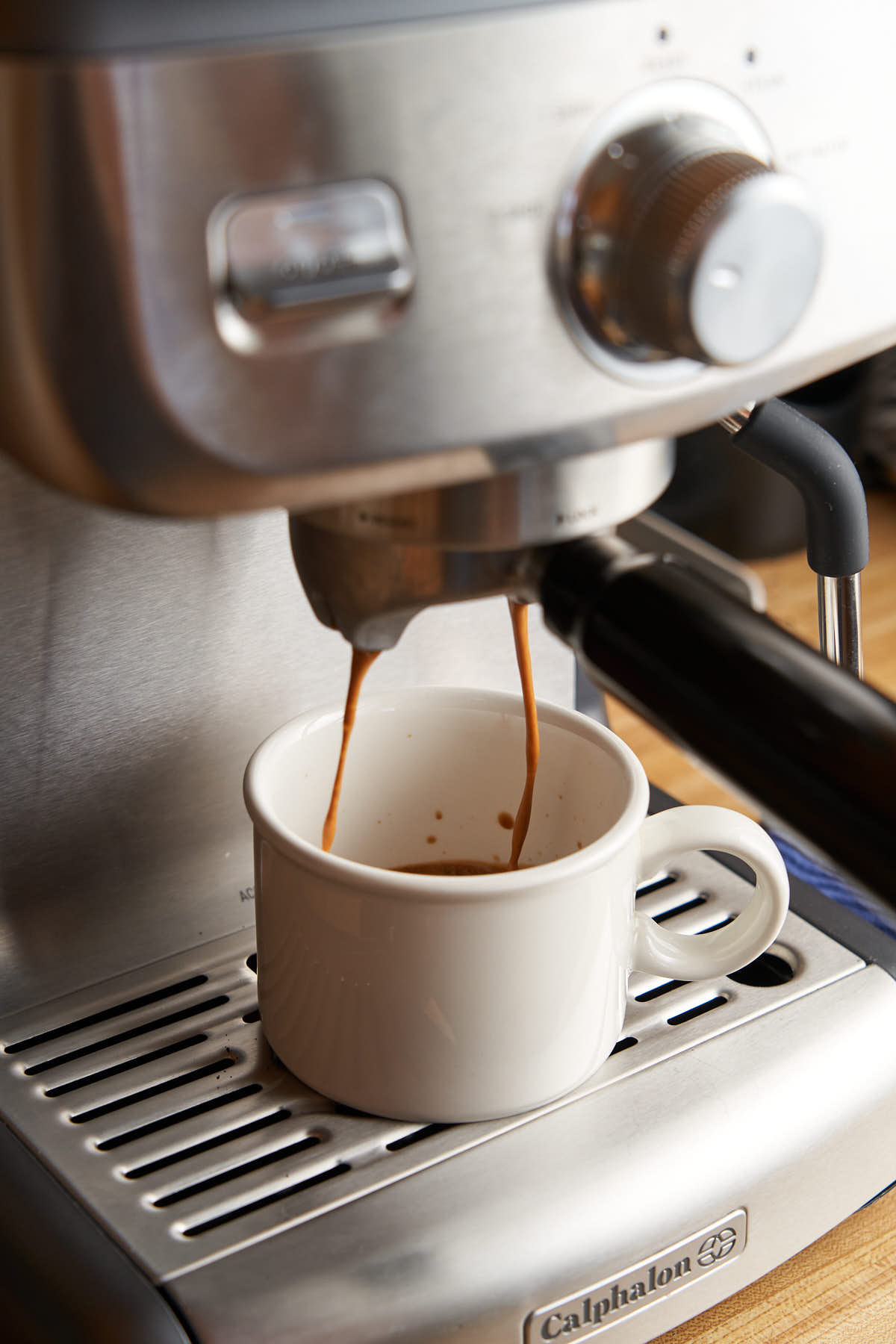
From an economic perspective, the cost of the machine is often offset within the first year of ownership for a daily coffee consumer. If an individual spends $5.00 per day on a café-bought latte, the annual expenditure exceeds $1,800. The Temp IQ, priced at a fraction of that cost, presents a compelling return on investment, particularly when factoring in the cost of high-quality, locally sourced beans.
Broader Implications for the Home Barista
The rise of machines like the Calphalon Temp IQ signifies a democratization of specialty coffee. As technology becomes more accessible, the barrier to producing café-standard beverages at home is effectively lowered. This trend has broader implications for local roasters and coffee shops, as it shifts the consumer’s focus toward the quality of the raw material—the bean—rather than just the convenience of the service.
Furthermore, the detailed documentation and support provided by manufacturers like Calphalon encourage a more educational approach to coffee consumption. By providing a platform that rewards technique—such as proper tamping pressure and grind size adjustment—the machine fosters a deeper appreciation for the chemistry of coffee.
Final Technical Assessment
The Calphalon Temp IQ represents a balanced solution for the consumer who demands professional results without the complexities of professional-grade machinery. Its reliance on industry-standard components, such as the 58mm portafilter and PID-controlled heating, ensures that the machine is not merely a novelty item but a functional tool capable of producing high-quality espresso.
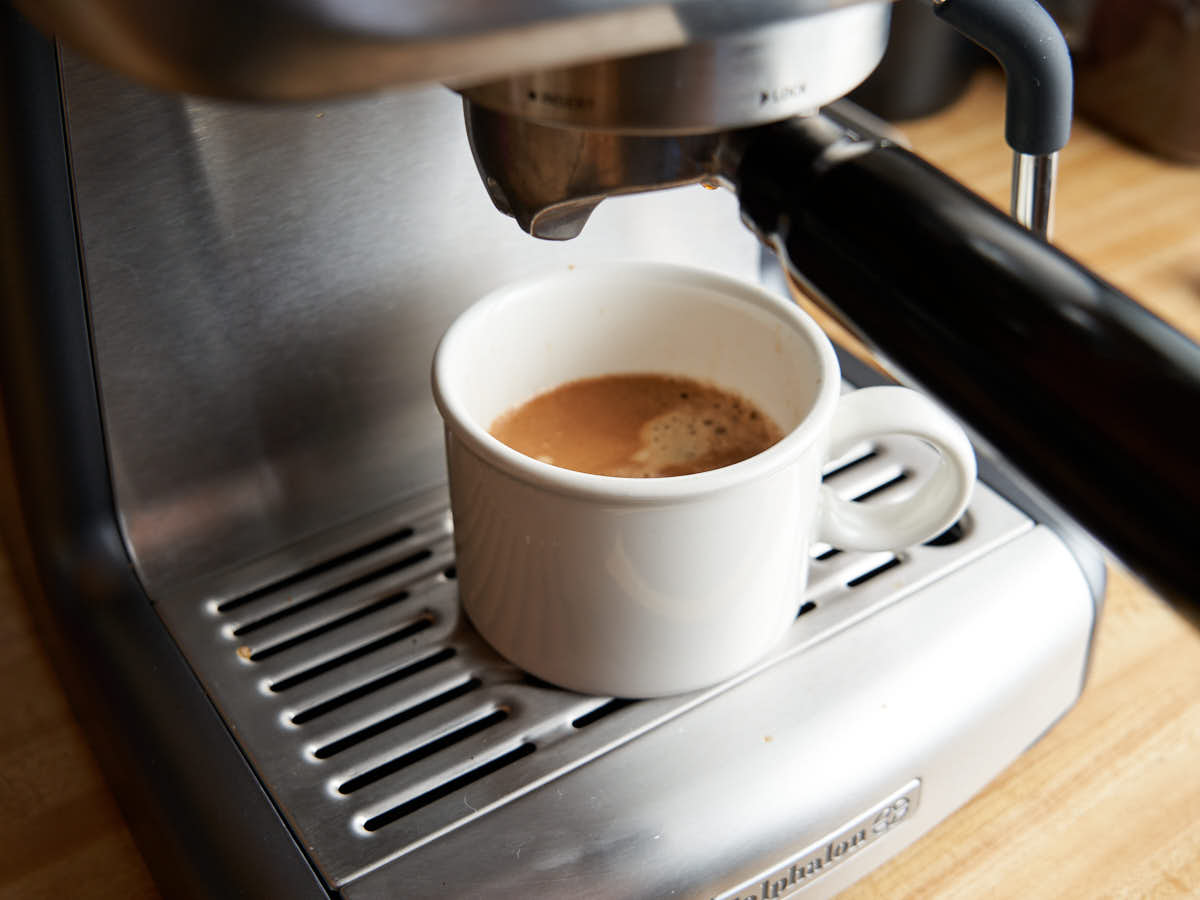
While the machine lacks some of the advanced features of high-end commercial gear—such as pre-infusion pressure profiling or dual-boiler systems—it occupies a necessary niche in the market. It provides a reliable, repeatable, and accessible experience for the home user. For those transitioning from drip coffee or capsule-based systems, the Temp IQ offers an ideal entry point, provided that the user is willing to invest time in understanding the fundamental variables of espresso extraction: grind size, dose, and maintenance.
As the industry continues to innovate, the focus on user-centric design—as exemplified by the Temp IQ—is expected to define the next generation of home espresso appliances. The success of such machines serves as evidence that consumers are no longer satisfied with subpar home-brewed coffee and are increasingly seeking the technical sophistication required to elevate their daily ritual.
