
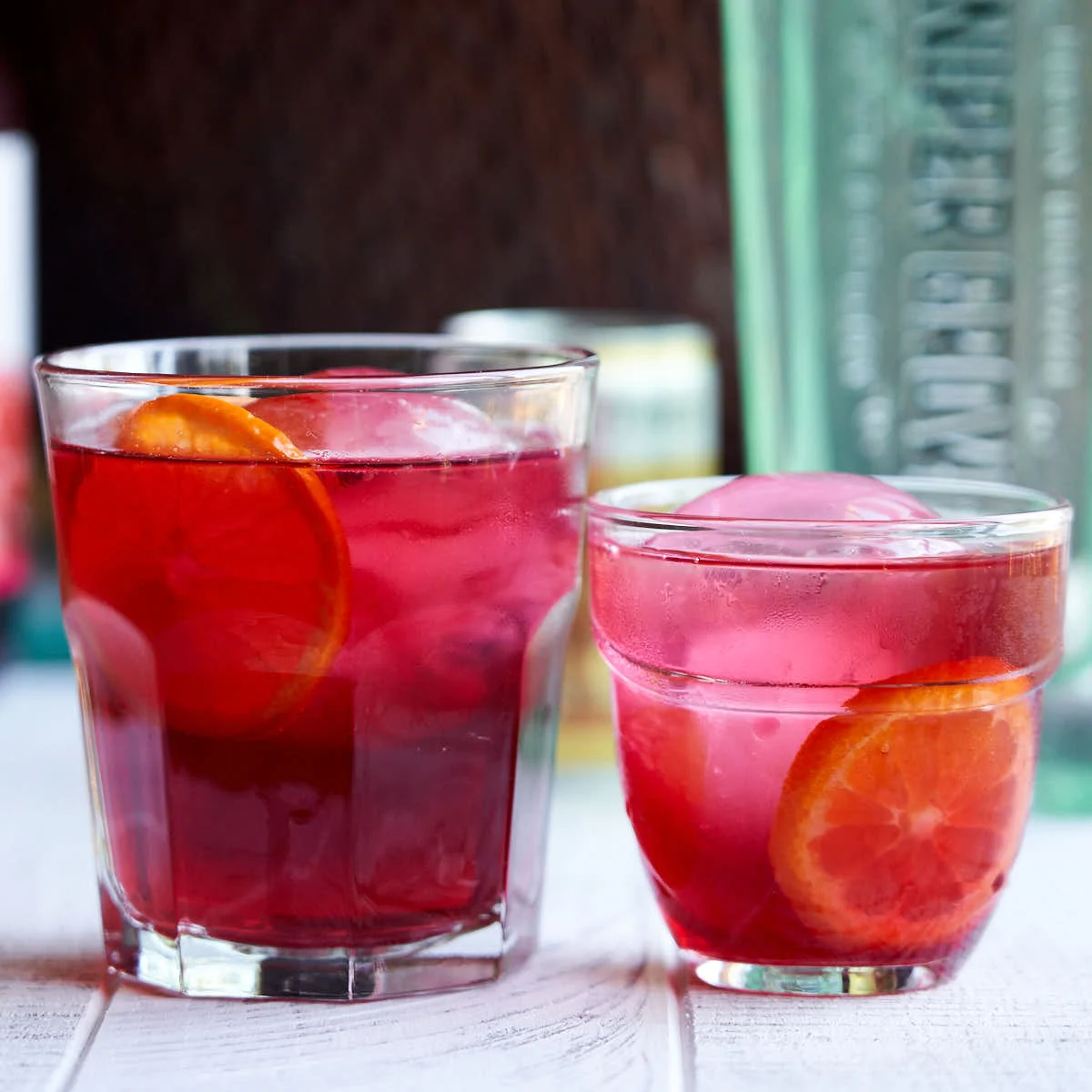
The rising popularity of seasonal mixology has seen a notable shift in holiday brunch trends, with the Cranberry Gin Cocktail emerging as a contemporary staple for festive morning gatherings. As consumers increasingly seek beverages that balance traditional holiday flavors with the refinement of craft cocktails, the intersection of botanical spirits and seasonal fruit juices has become a focal point for home entertainers. This specific concoction, which utilizes a base of dry gin, tonic water, and unsweetened cranberry juice, represents a departure from overly sugary holiday drinks, catering to a growing market preference for balanced, tart profiles during morning brunch services.
The Evolution of Holiday Brunch Beverages
Historically, the Christmas morning menu was dominated by coffee, mimosas, or spiced ciders. However, the last decade has seen a diversification in brunch beverage options. Industry analysts note that gin, once considered a niche spirit, has experienced a global renaissance. According to market research from the International Wine and Spirit Record (IWSR), gin consumption has seen steady growth, driven by the premiumization of the category and the expansion of the craft distillery movement.
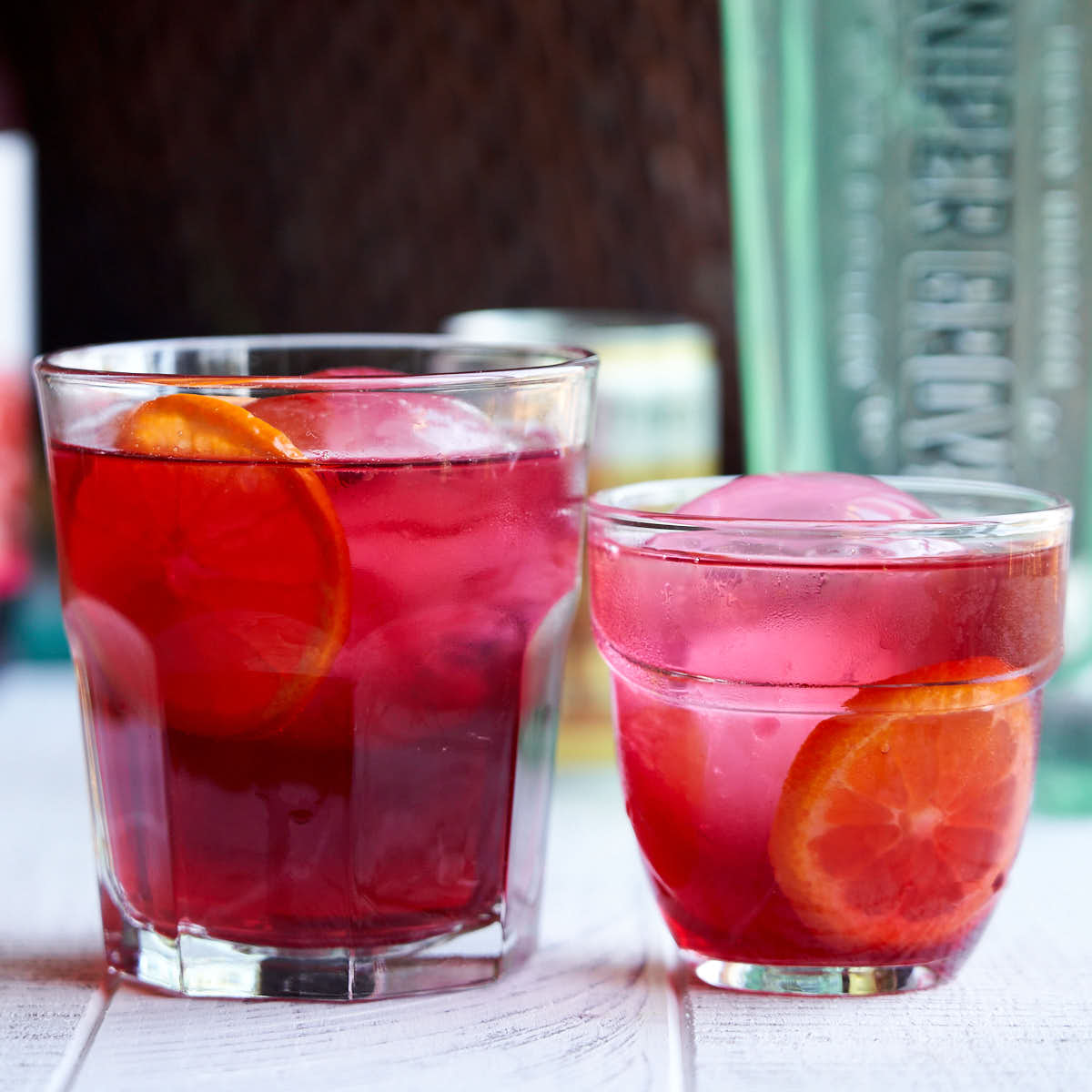
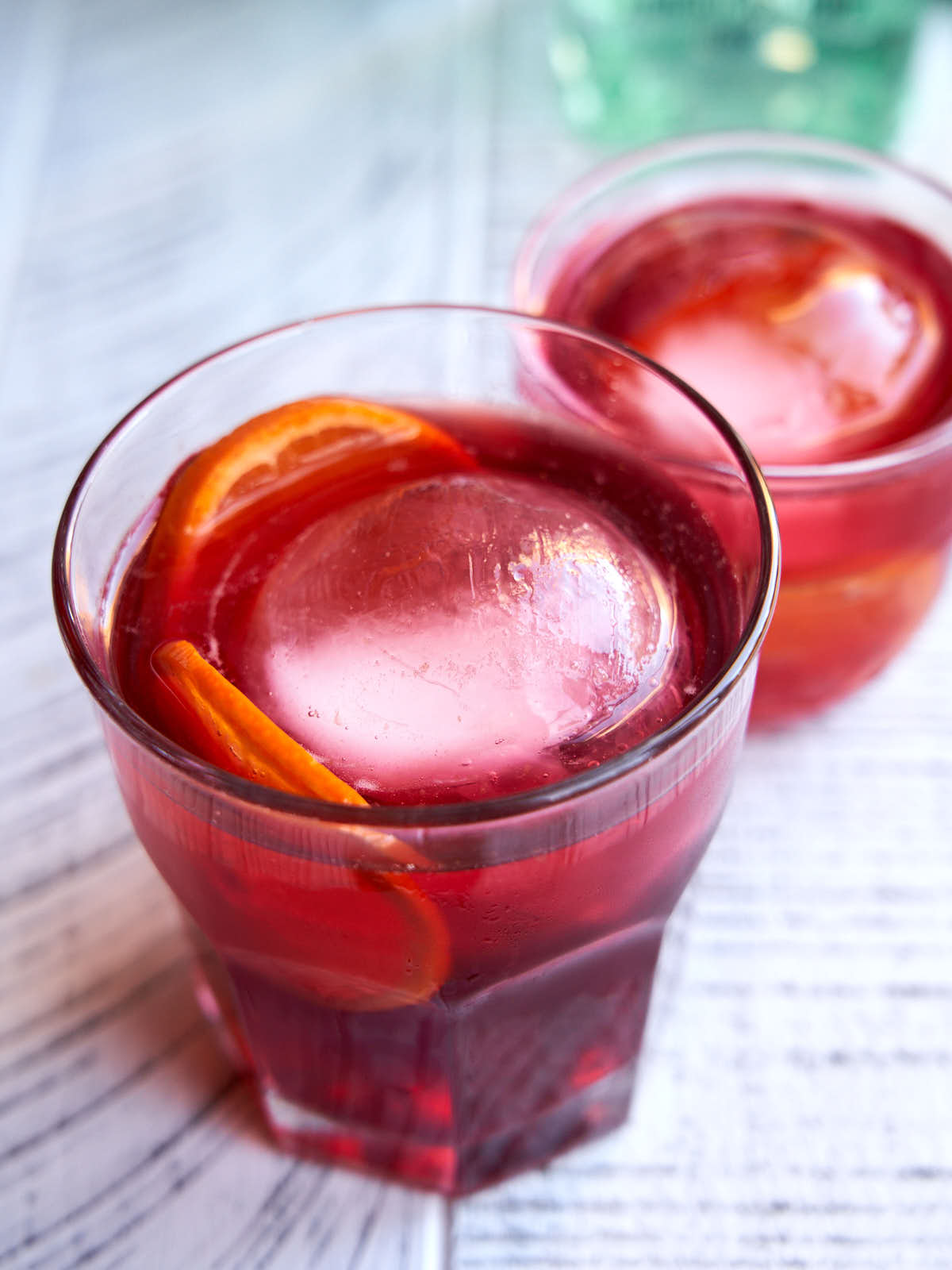
The integration of cranberry—a fruit synonymous with winter harvest in North America—into the gin and tonic template is a functional application of this trend. By incorporating elements such as clementine garnishes and utilizing specialized ice techniques, the beverage elevates a standard highball into a curated experience. This reflects a broader culinary trend where hosts are increasingly prioritizing the "presentation value" of their home-prepared food and drink.
Technical Methodology: The Role of Thermodynamics in Mixology
Beyond the flavor profile, the preparation of the Cranberry Gin Cocktail emphasizes the importance of temperature and dilution control. Professional mixologists have long advocated for the use of large-format ice, such as spherical molds, to manage the dilution rate of spirits.
Standard ice cubes possess a high surface-area-to-volume ratio, which leads to rapid melting and the subsequent watering down of the tonic water and gin mixture. Conversely, ice spheres—or large cubes—melt significantly slower. This thermodynamic advantage ensures that the cocktail maintains its intended ABV (alcohol by volume) and carbonation levels for a longer duration, a critical factor for brunch service where guests may be sipping their drinks over an extended period. The adoption of these tools in home settings has been facilitated by the increased availability of high-quality silicone molds, which have become a common accessory in modern kitchenware retail.
Ingredients and Sourcing: A Focus on Quality
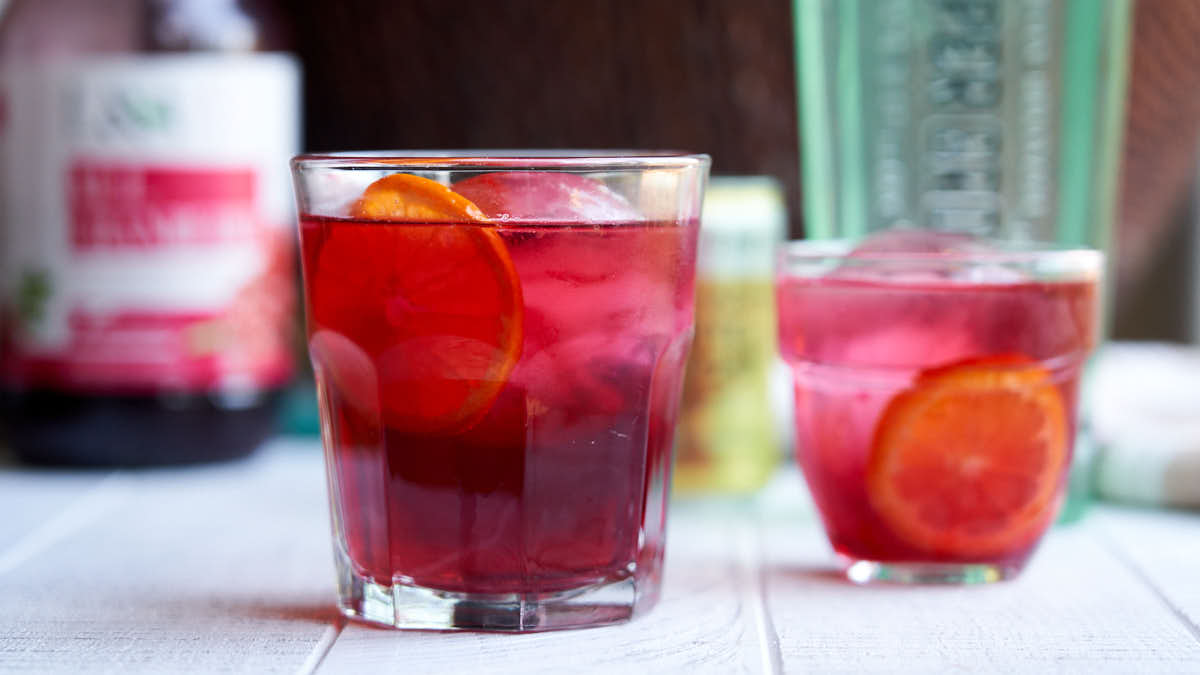
The composition of this cocktail relies on three primary components: high-quality dry gin, carbonated tonic water, and tart cranberry juice. Culinary experts distinguish between different types of cranberry juice, noting that the choice significantly alters the drink’s chemistry.
- Unsweetened Pure Cranberry Juice: This is favored for those seeking a sophisticated, dry finish. By omitting refined sugars, the natural tannins and acidity of the cranberry complement the juniper-forward notes of dry gin.
- Sweetened Juice Blends: These are frequently used to cater to broader palates, though they require a recalibration of the tonic-to-juice ratio to prevent the drink from becoming cloying.
- Botanical Gin Profiles: The selection of gin is vital. American Dry Gin, often characterized by a blend of juniper, citrus, and earthier botanicals, is generally preferred over heavily floral gins, which can clash with the acidic nature of the cranberry.
Chronology of Consumption Trends
The surge in interest regarding holiday-specific cocktails can be tracked alongside the expansion of digital food media. In the early 2010s, brunch-focused recipe blogs began documenting the transition from "standard" morning drinks to more complex, spirit-forward recipes. By 2021, the "Cranberry Gin Cocktail" reached a saturation point in holiday search trends, characterized by a preference for minimalist, high-quality ingredients.
The timeline of preparation is also a factor in its adoption. Unlike eggnog or complex punches that require overnight chilling or batching, the gin-based cocktail can be assembled in under three minutes. This efficiency makes it an attractive option for hosts managing the logistical complexities of preparing a large-scale Christmas meal.
Economic and Cultural Implications
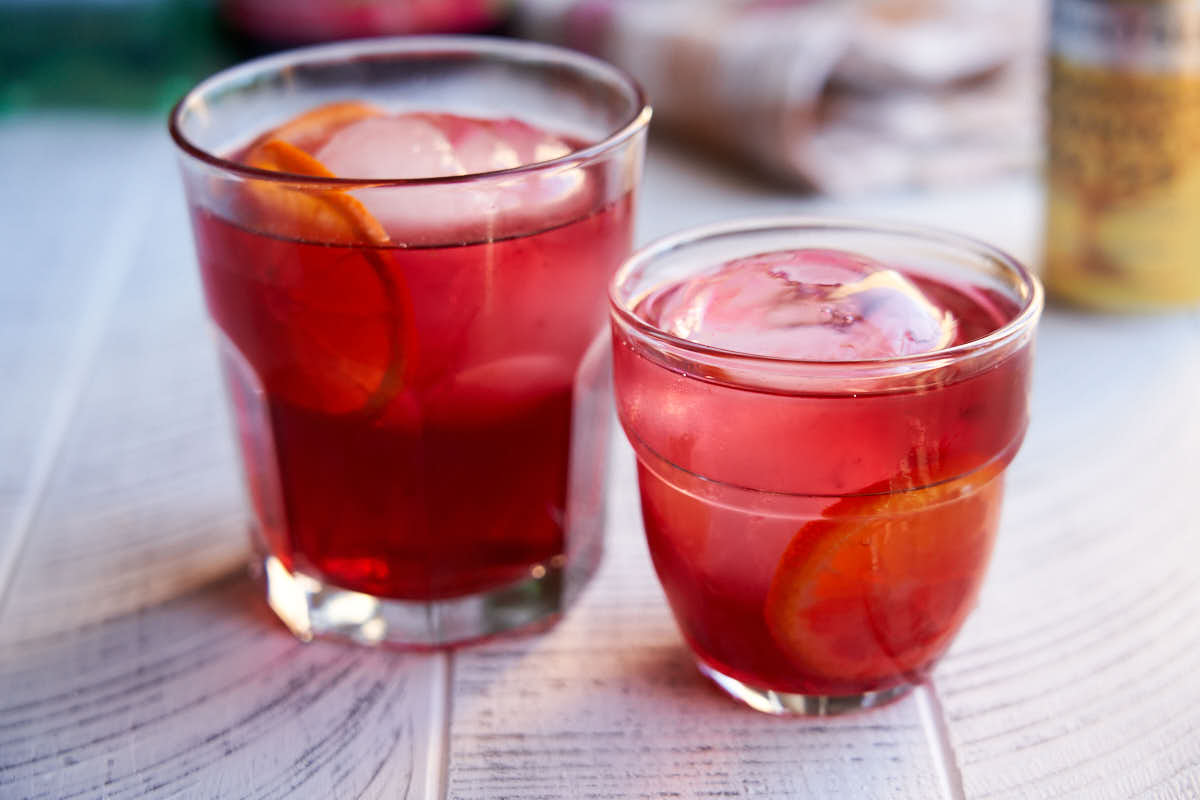
The rise of the homemade craft cocktail has economic implications for the retail sector. There has been a measurable increase in the sale of premium tonic waters and artisanal gin brands during the fourth quarter. Retailers have responded by creating "cocktail kits" that bundle these ingredients, signaling that the consumer shift is not merely a hobbyist trend but a sustained consumer behavior.
Furthermore, the emphasis on local sourcing—such as using gin from regional distilleries like the Sierra Nevada-based producers—aligns with broader sustainability trends. Consumers are increasingly likely to choose ingredients that carry a narrative of provenance. When a host serves a cocktail featuring a locally sourced spirit, it serves as a conversation piece, adding a layer of social value to the brunch experience.
Expert Perspectives on Holiday Entertaining
Industry consultants in the hospitality sector suggest that the success of a holiday drink depends on its ability to be "scalable." A recipe that functions well as a single pour must also be easily adaptable for a party of ten. The Cranberry Gin Cocktail meets this requirement; by pre-batching the gin and cranberry juice, a host can streamline the service, simply topping each glass with fresh tonic water and a citrus garnish upon order.
Nutritionists have also weighed in on the shift toward "cleaner" cocktail options. The use of pure, unsweetened juice instead of syrupy cordials reduces the overall glycemic index of the beverage. While it remains an alcoholic drink, the trend toward lower-sugar mixers aligns with a broader societal move toward mindful consumption.
Future Outlook for Brunch Mixology
Looking forward, the trend of integrating seasonal produce into classic cocktails is expected to continue. As more home consumers invest in professional-grade barware, the gap between the professional bar experience and the home kitchen continues to narrow. The Cranberry Gin Cocktail serves as a benchmark for this trend: it is simple, ingredients-focused, and visually evocative of the season.
Whether through the use of specific glassware, artisanal ice, or premium botanical spirits, the preparation of this drink is a testament to the modern host’s desire for quality and craft. As social gatherings remain a cornerstone of holiday traditions, the role of the curated beverage will likely remain a significant component of the hospitality landscape, proving that even the simplest recipes can benefit from a focus on quality, technique, and thoughtful presentation.
