
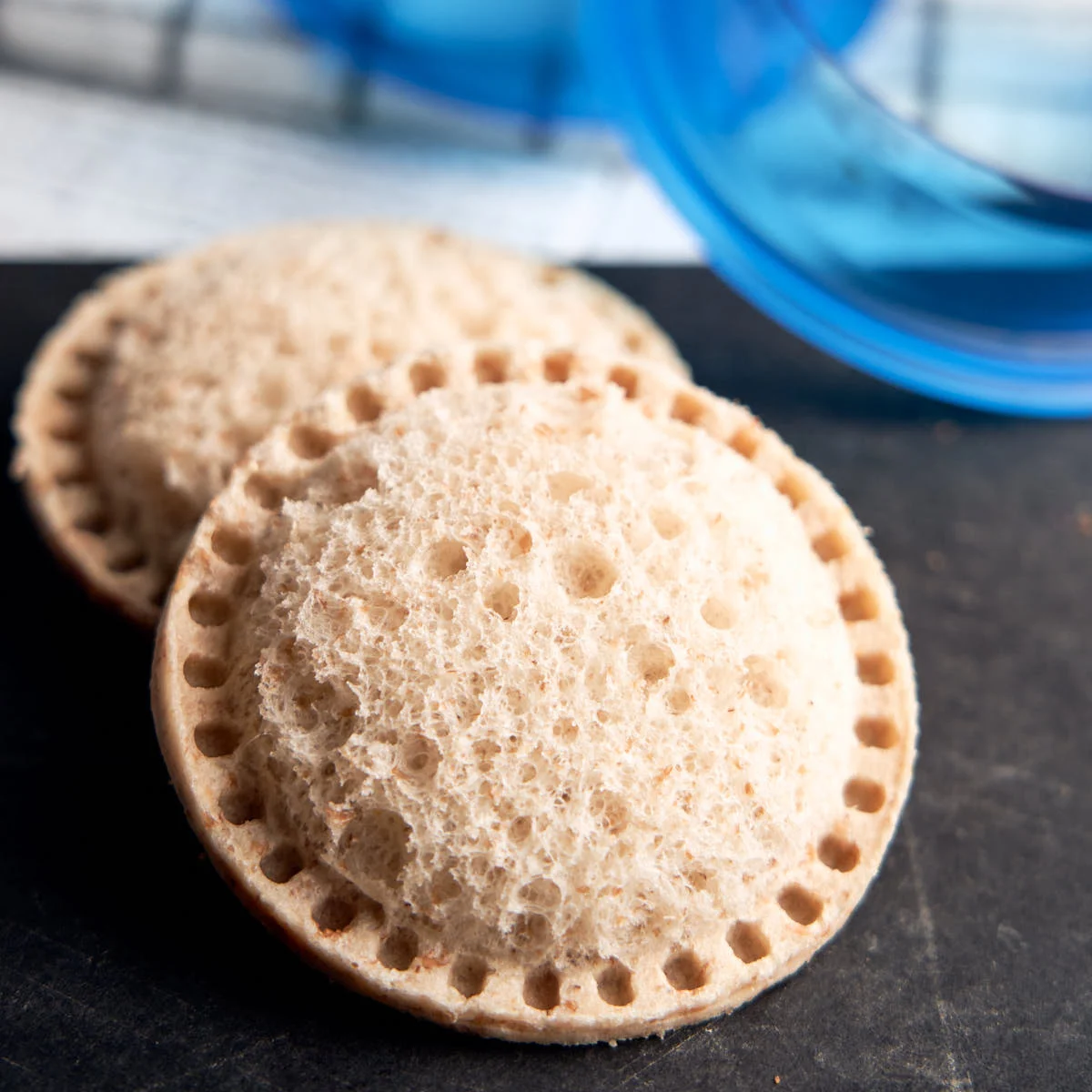
The rise of the homemade uncrustable, or the sealed sandwich, is largely attributed to the intersection of two major consumer trends: the desire for clean-label food and the democratization of kitchen gadgetry. In the current market, where the global sandwich market is projected to reach significant valuations, parents are seeking alternatives to mass-produced items that often contain high-fructose corn syrup, preservatives, and processed fillers.
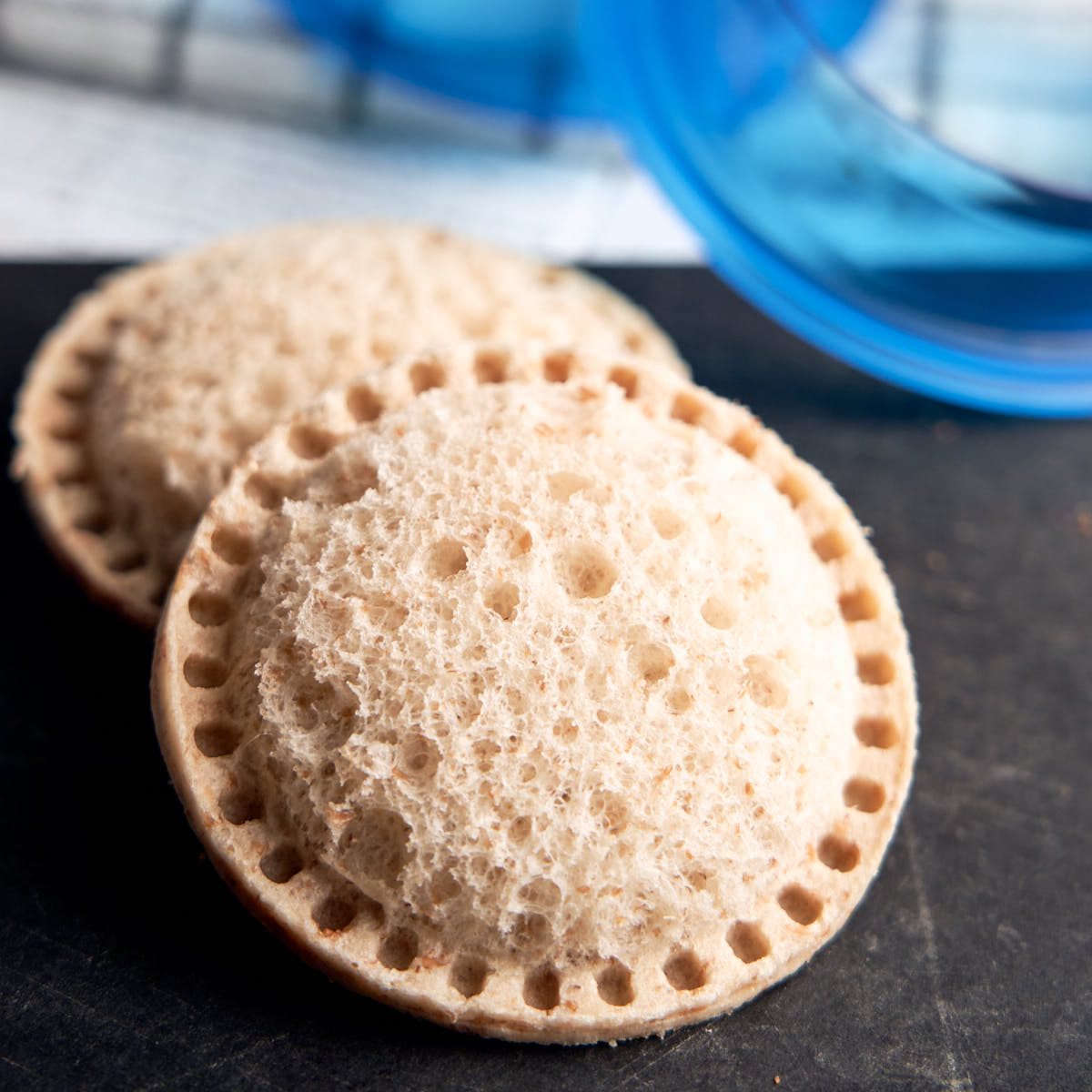
The Evolution of the Sealed Sandwich
The concept of the crustless, sealed sandwich was popularized by Smucker’s under the "Uncrustables" trademark. Since their introduction, these circular, crimped sandwiches have become a cornerstone of school lunches across North America due to their convenience and thaw-and-eat nature. However, as public awareness regarding nutrition labels has grown, many households have begun to evaluate the trade-offs of these convenience items.
A comparative analysis of mass-produced sealed sandwiches reveals that the primary ingredient in the "jelly" or "honey" component is often sugar or high-fructose corn syrup. Furthermore, the peanut butter utilized in these products often includes hydrogenated oils and added sweeteners. By transitioning to a homemade model, consumers retain total control over the supply chain of their lunch components. Selecting organic honey, natural peanut butter containing only peanuts and salt, and whole-grain, preservative-free bread allows for a significant reduction in processed sugar intake.
Economic and Environmental Implications
Beyond nutrition, the shift toward homemade alternatives is driven by economic factors and sustainability goals. Pre-packaged, individually wrapped food items generate significant amounts of single-use plastic waste. Each store-bought, circular sandwich is typically encased in plastic film, which contributes to the growing issue of household waste.
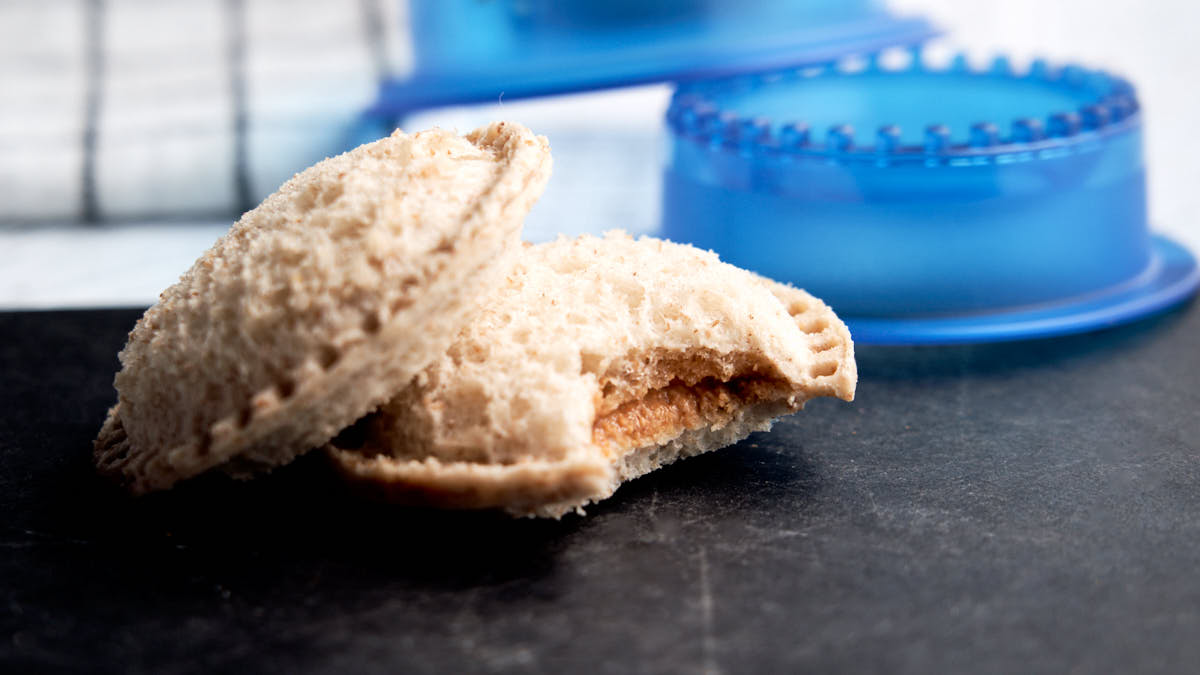
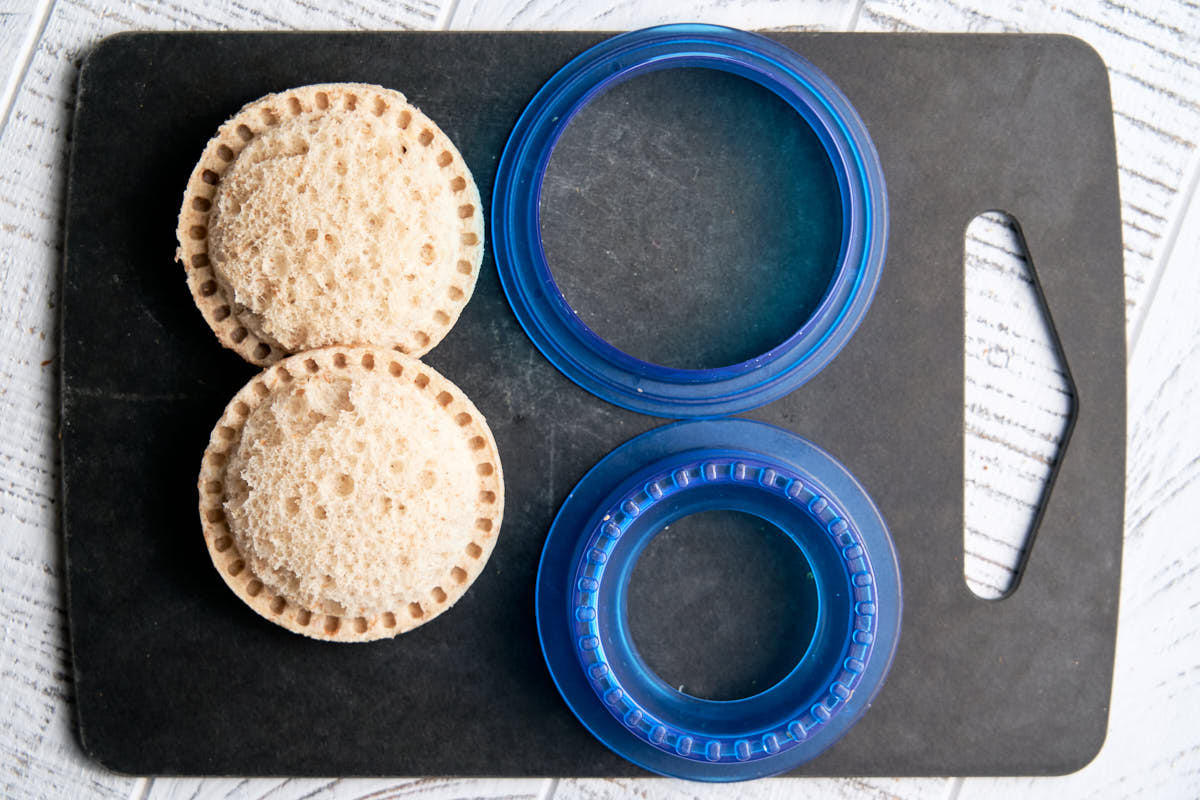
From a cost-efficiency perspective, the homemade model is demonstrably cheaper. A standard loaf of bread, a jar of peanut butter, and a container of honey, when purchased in bulk, offer a lower price-per-unit cost than pre-packaged frozen sandwiches. While the initial investment involves the purchase of a sandwich sealer—a handheld kitchen tool that cuts the crust and crimps the edges of the bread—the long-term savings are substantial. Market data suggests that the average household can reduce their lunch-preparation expenses by approximately 30% to 40% when switching from premium convenience store brands to homemade, batch-prepared alternatives.
The Role of Kitchen Technology
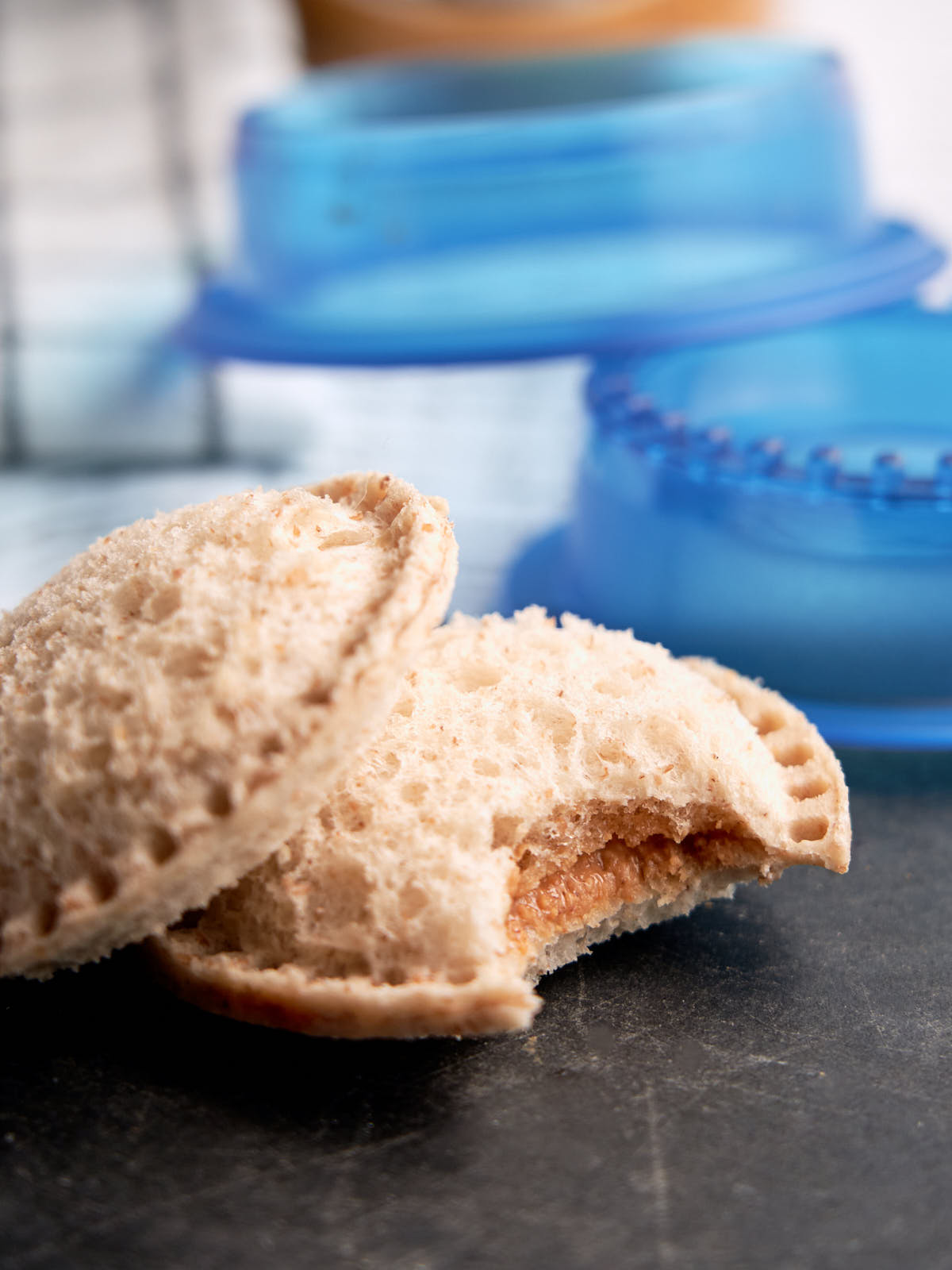
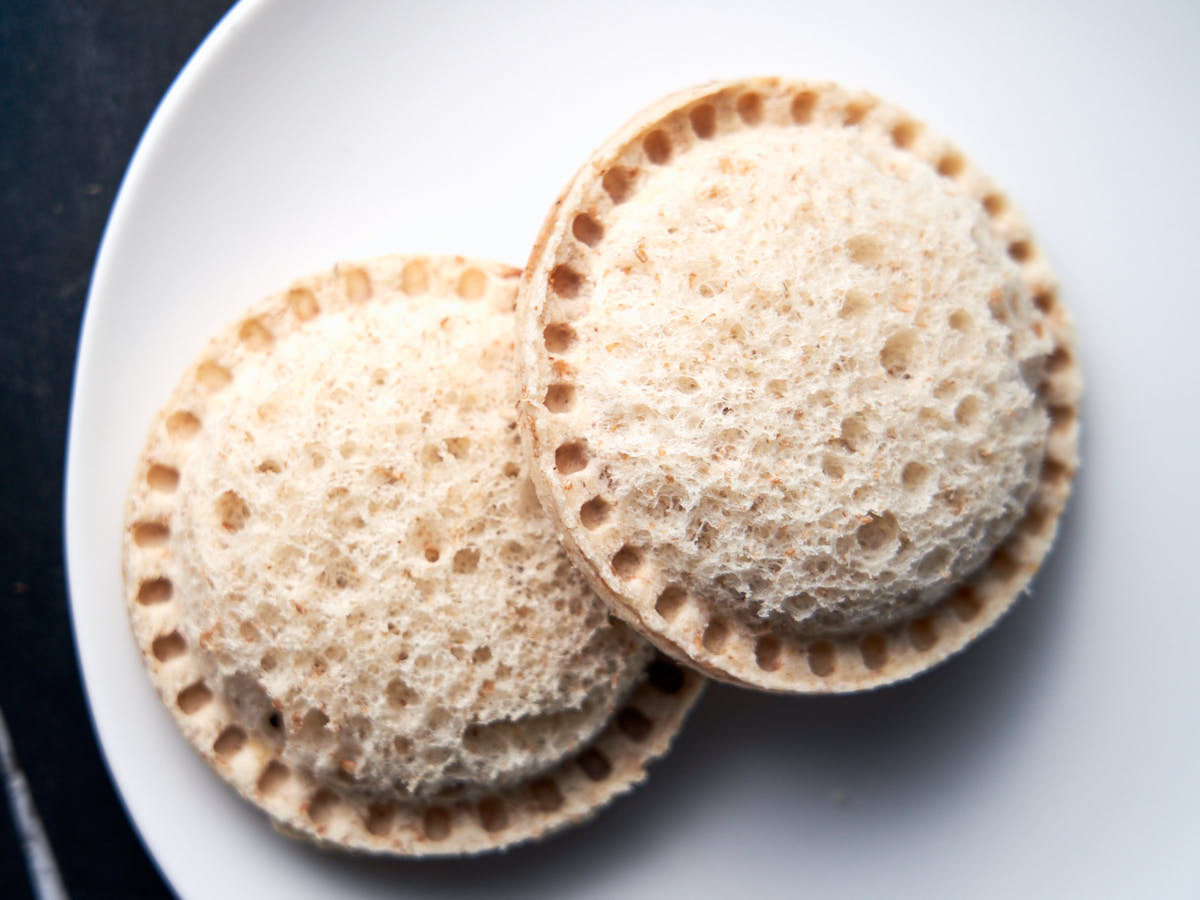
The proliferation of affordable, stainless-steel sandwich sealers on e-commerce platforms has facilitated this trend. These tools, which function by pressing two pieces of bread together while simultaneously removing the crust, replicate the industrial manufacturing process on a domestic scale. The widespread availability of these devices has allowed the "homemade uncrustable" to become a weekend meal-prep staple.
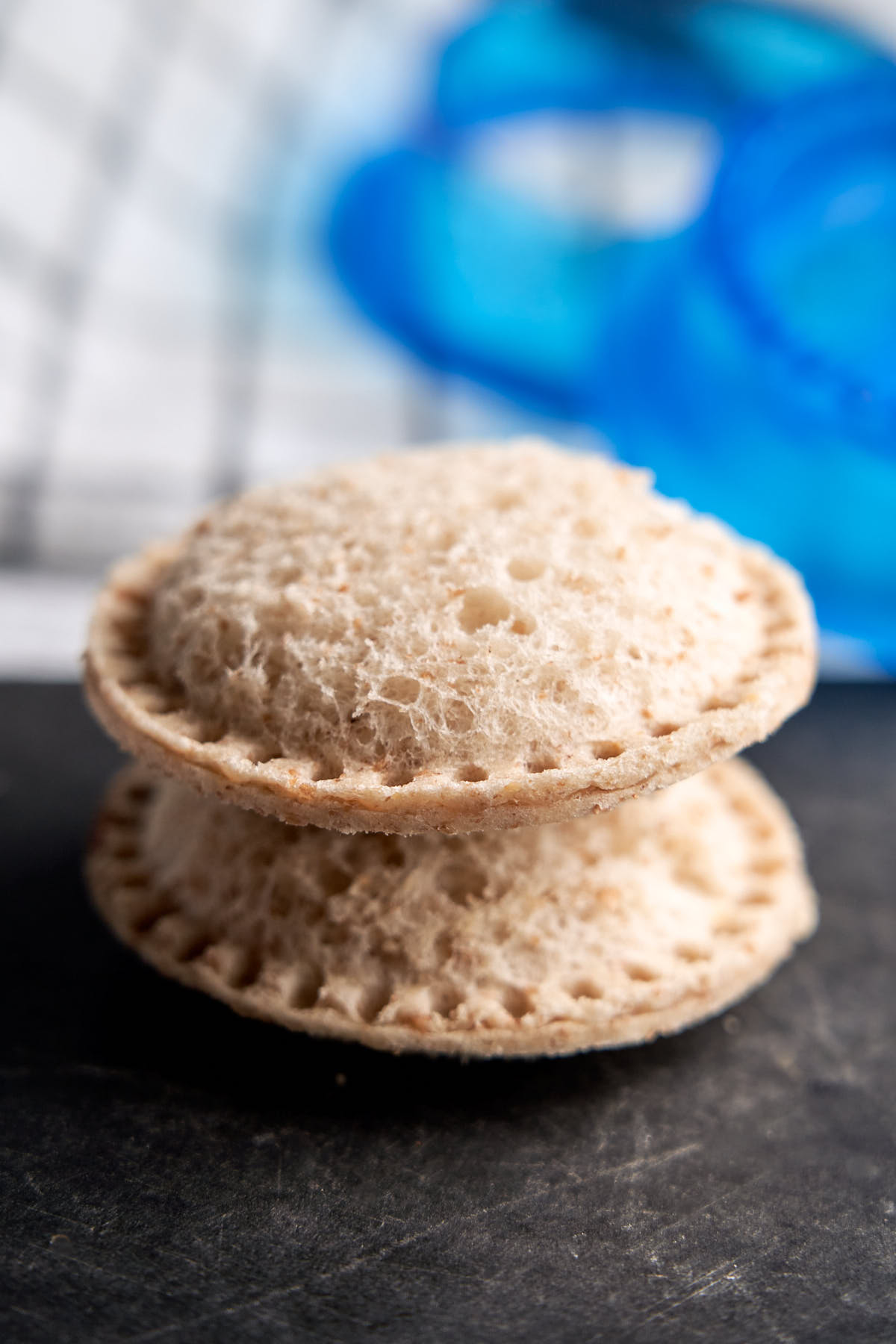
Industry experts note that the success of these DIY projects relies on the mechanical integrity of the sealer. A high-quality press ensures that the seal is tight enough to prevent the contents—typically sticky peanut butter and honey—from leaking during the thawing process. This is particularly important for school lunches, where items may sit in a lunchbox for several hours before consumption.
Addressing Food Waste: The Crust Conundrum
One of the most significant arguments against the DIY approach has traditionally been the waste of the bread crusts. However, contemporary home-cooking techniques have evolved to integrate these leftovers into the broader food cycle, effectively achieving a "zero-waste" kitchen protocol.
- Crouton Production: By tossing discarded bread edges in olive oil, garlic powder, and herbs and baking or pan-frying them, households are creating high-quality, cost-effective salad toppers.
- Breadcrumb Processing: Crusts can be dehydrated in a low-temperature oven and processed into breadcrumbs, which serve as a pantry staple for binding meatballs, coating poultry, or thickening soups.
- Hummus Delivery Systems: When cut into strips rather than cubes, the crusts provide a sturdy vessel for dips, which is a popular method for incorporating the entirety of the loaf into a meal.
By utilizing these methods, families eliminate the waste that often acts as a deterrent to making sandwiches from scratch.
Nutritional Analysis and Health Considerations
The shift toward homemade versions allows for the customization of the bread base. Store-bought, mass-produced breads often contain dough conditioners and stabilizers to ensure a long shelf life. Homemade versions, or store-bought loaves with minimal ingredient lists, allow parents to introduce more fiber and complex carbohydrates into a child’s diet.
According to nutritional guidelines, replacing processed sweeteners like high-fructose corn syrup with raw or organic honey provides a more stable glycemic response, though health experts emphasize that honey should still be consumed in moderation. Furthermore, the ability to choose non-GMO or organic peanuts eliminates concerns regarding pesticide residues often found in conventional nut butter production.
Chronology of the Homemade Trend
- 2010s: The rise of parenting blogs and "lunchbox aesthetic" culture on platforms like Pinterest and Instagram began highlighting the visual appeal of bento-style lunches.
- 2020-2021: The COVID-19 pandemic forced a massive shift toward remote learning and home-based meal preparation. This period saw a 200% increase in search volume for "sandwich sealer" and "DIY lunch hacks."
- 2022-Present: The trend has stabilized, with kitchen gadget manufacturers refining the design of sealers to include varied shapes, such as dinosaurs or stars, to further incentivize children to consume homemade lunches.
Broader Implications for the Food Industry
The success of the homemade sandwich movement reflects a larger trend in which consumers are reclaiming agency over their food supply. Major food corporations have taken note of this shift, with some brands attempting to market "cleaner" versions of their products. However, the movement toward homemade remains robust because it addresses three core consumer pillars: health, cost, and environmental responsibility.
The implications for the food industry are clear: there is a growing market for convenience that does not sacrifice nutritional integrity. As long as consumers prioritize ingredient transparency, the demand for DIY kitchen solutions will likely continue to expand. For parents, this is not merely about a lunch item; it is an educational opportunity to involve children in the culinary process, teaching them about food preparation, waste management, and the difference between processed and whole-food ingredients.
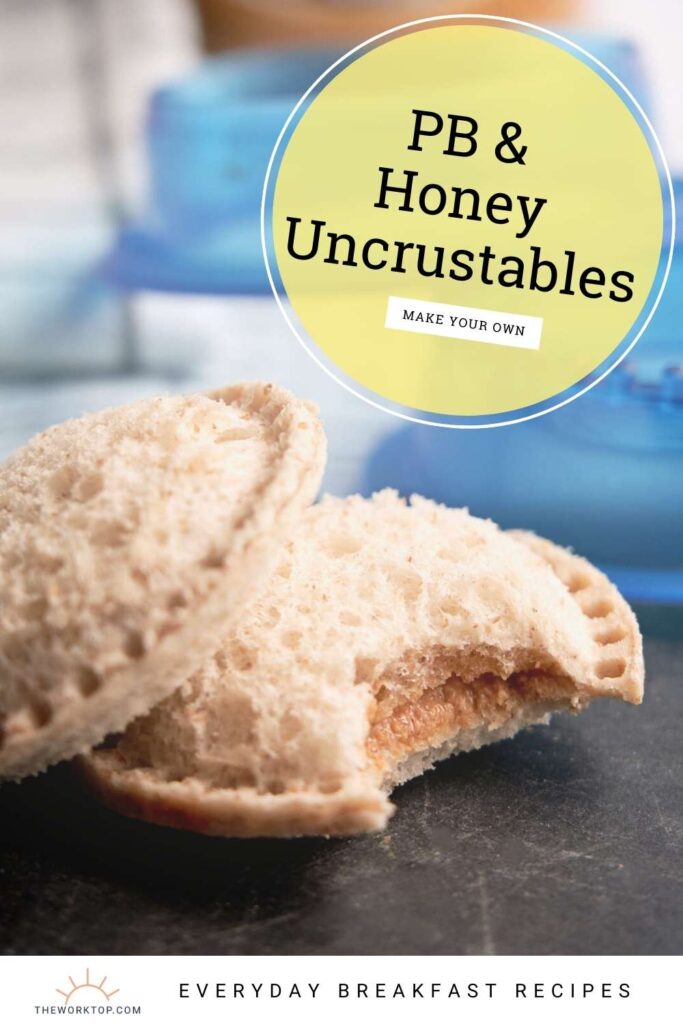
In conclusion, the practice of making peanut butter and honey sandwiches using a manual sealer is a testament to the modern consumer’s ability to adapt. By leveraging simple tools and a bit of ingenuity, families are successfully bypassing the processed-food industry, saving money, and reducing their environmental footprint, all while maintaining the convenience that made the original, store-bought product a household name. Whether for school, work, or simple household snacking, the DIY uncrustable serves as a case study in how small, intentional changes in the kitchen can result in significant, long-term lifestyle improvements.
