
The emergence of this recipe reflects a broader trend in home cooking: the "one-pot" or "dump-and-go" movement. As consumer demand for high-efficiency kitchen appliances—such as the Crock Pot and the Instant Pot—has surged over the last decade, culinary content creators have pivoted toward recipes that maximize flavor density while minimizing the manual labor associated with stovetop preparation.
Culinary Background and Evolution of the Sloppy Joe
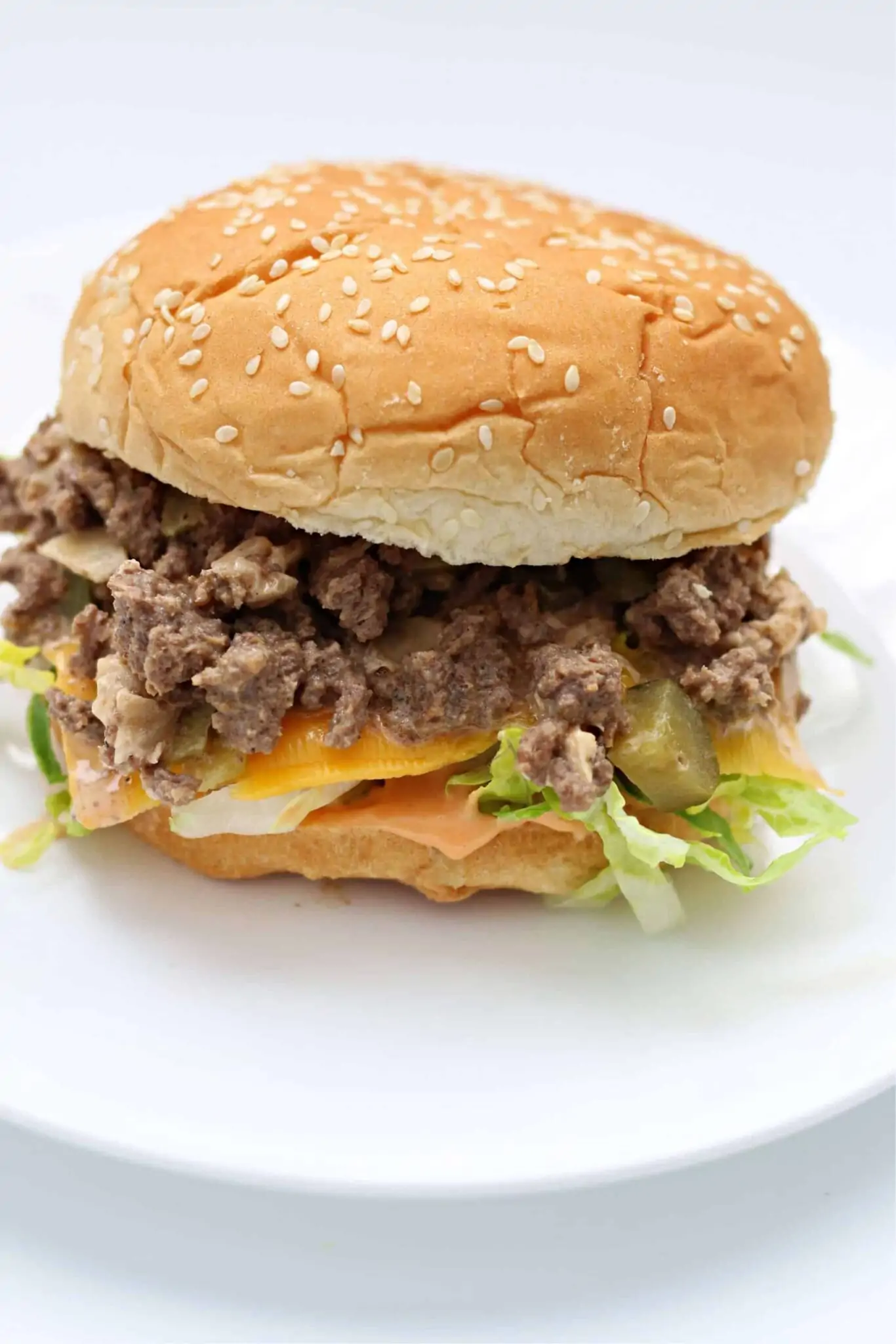
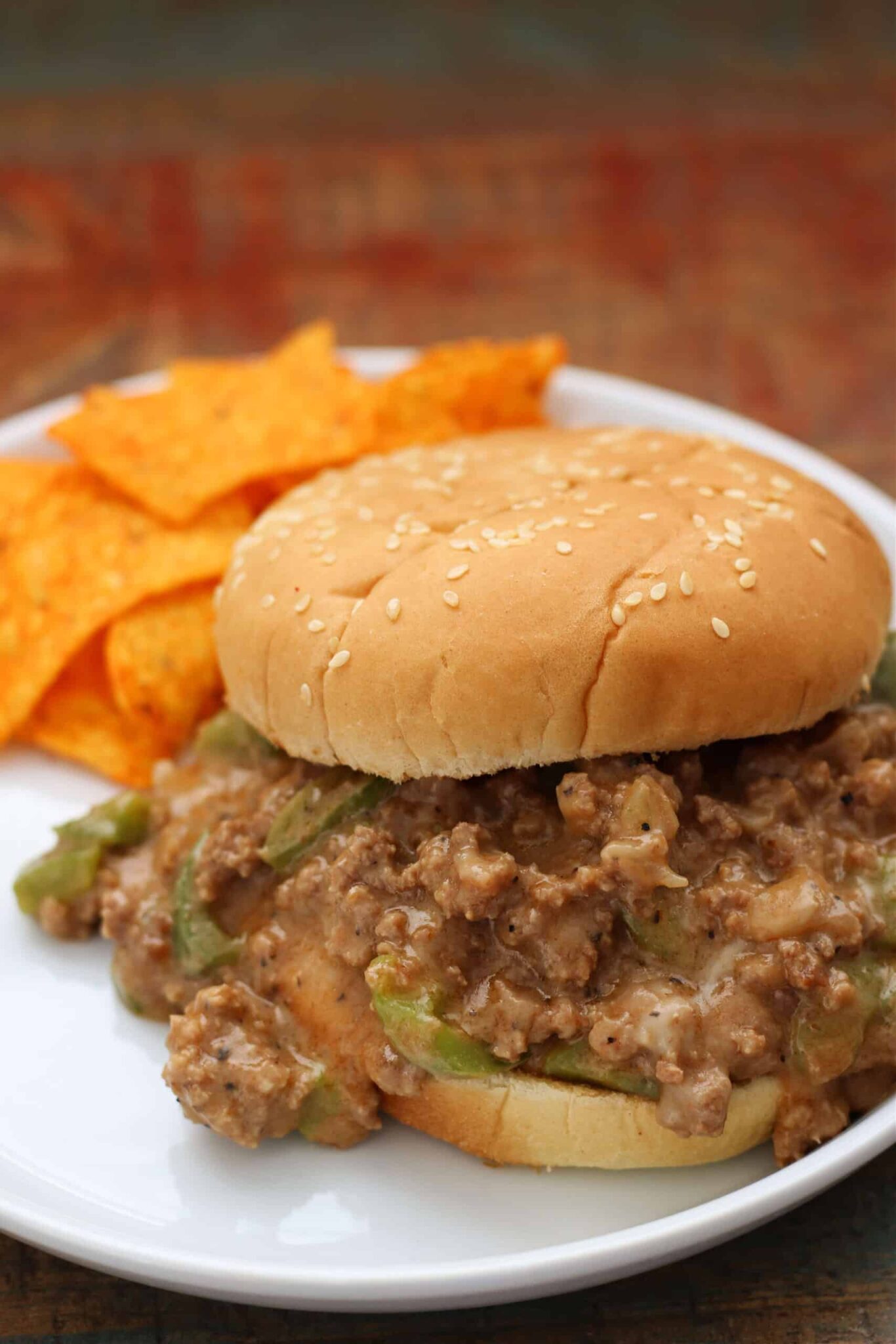
The sloppy joe, a staple of 20th-century American lunchrooms and domestic kitchens, typically consists of ground beef, onions, sweetened tomato sauce, and various seasonings, served on a hamburger bun. Its origins are often traced to the Sioux City, Iowa, "loose meat" sandwich of the 1930s. Over the decades, the dish evolved from a regional specialty into a national household standard, largely due to the convenience of canned sauces.
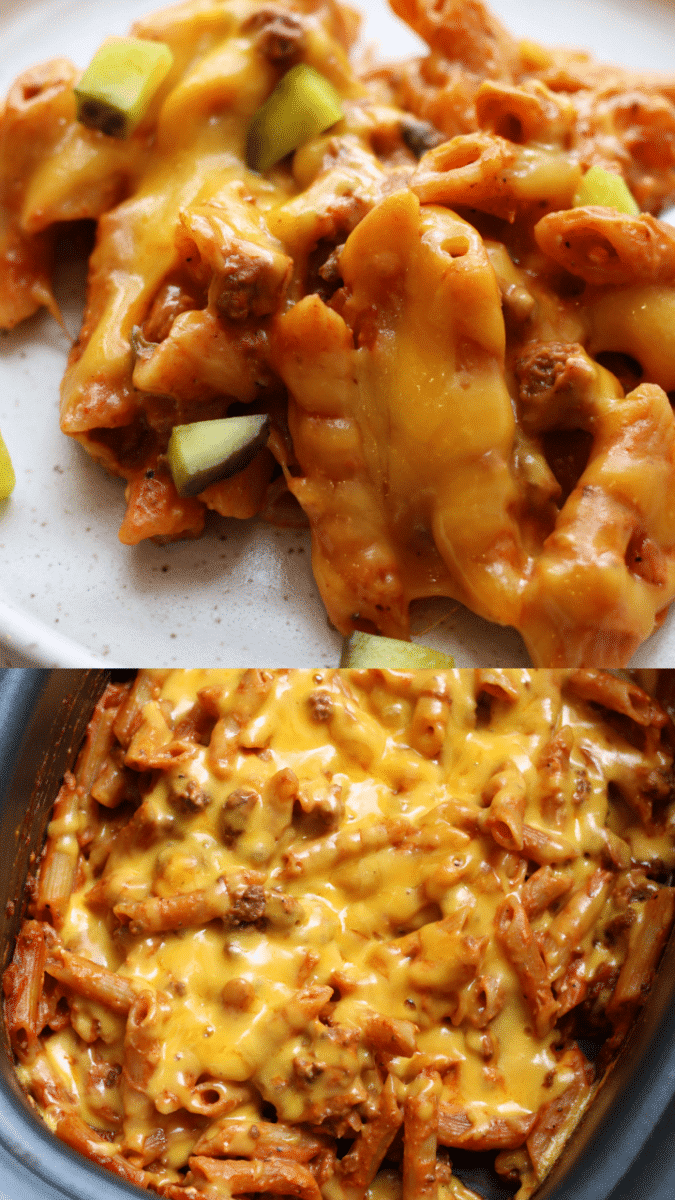
The transition of this concept into a casserole format, dubbed "Sloppy Jane," represents a contemporary shift toward comfort-food fusion. By substituting the bun with penne pasta and integrating cream cheese and sharp cheddar, the dish gains a higher fat content and a more complex mouthfeel, catering to modern preferences for creamier, more decadent pasta bakes.
Technical Methodology and Preparation
The preparation process is categorized by its reliance on thermodynamic efficiency rather than traditional sautéing techniques. The procedure generally follows a standardized timeline:
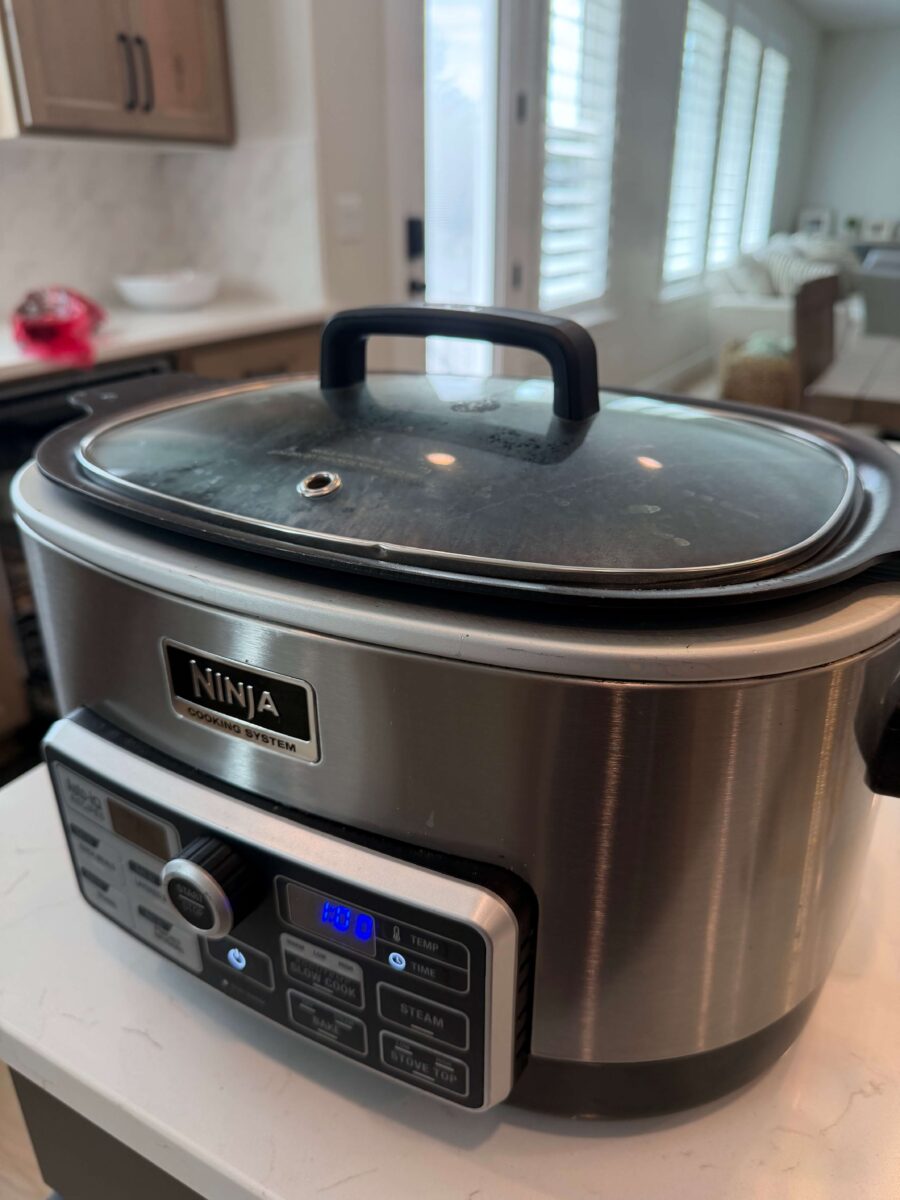
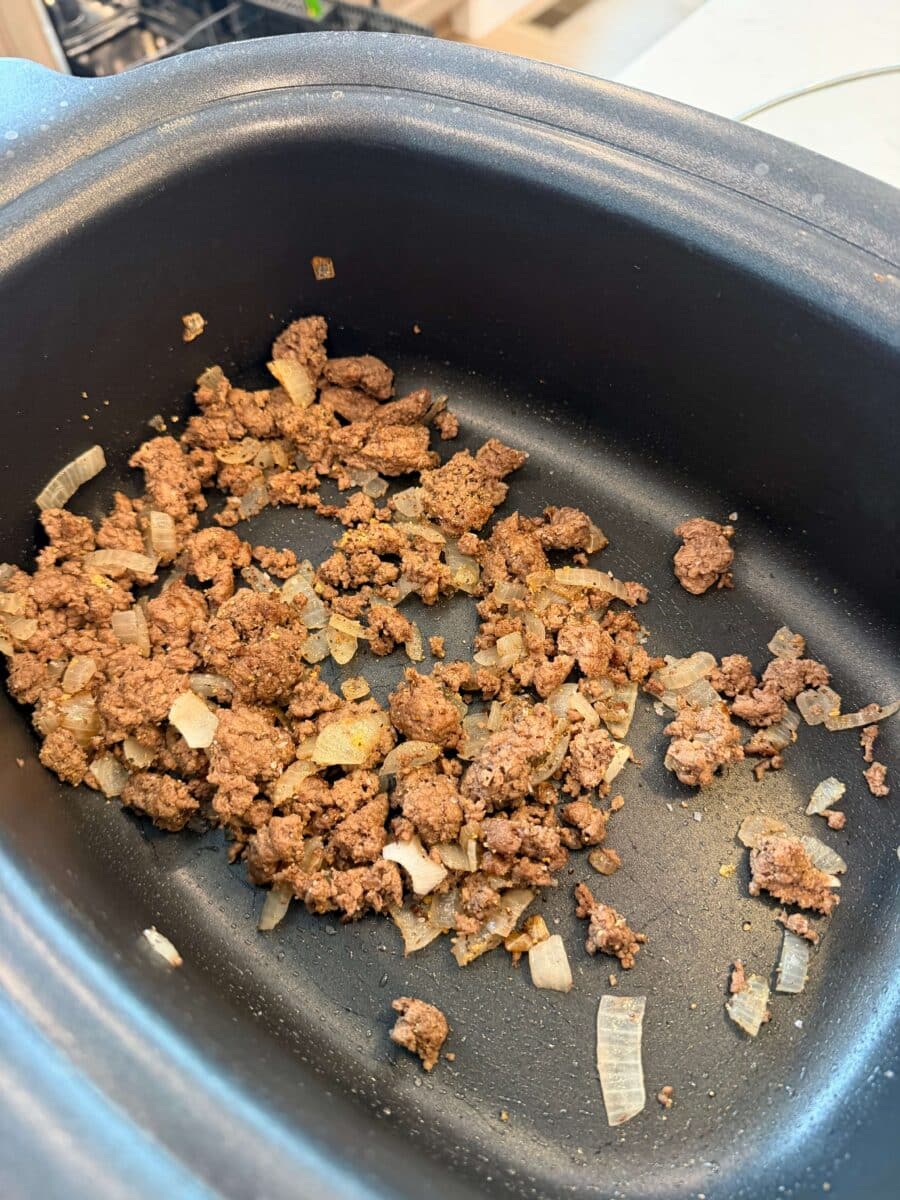
- Protein Base Preparation: The foundational step involves browning 16 ounces of lean ground beef with diced onions. While traditional recipes might require multiple pans, the modern "Sloppy Jane" approach encourages the use of slow cookers equipped with integrated stovetop functions, allowing for a single-vessel process that reduces post-meal cleanup.
- Flavor Integration: The inclusion of kosher salt, black pepper, and garlic powder creates a savory baseline, while the sloppy joe sauce provides the necessary acidity and sweetness to balance the protein.
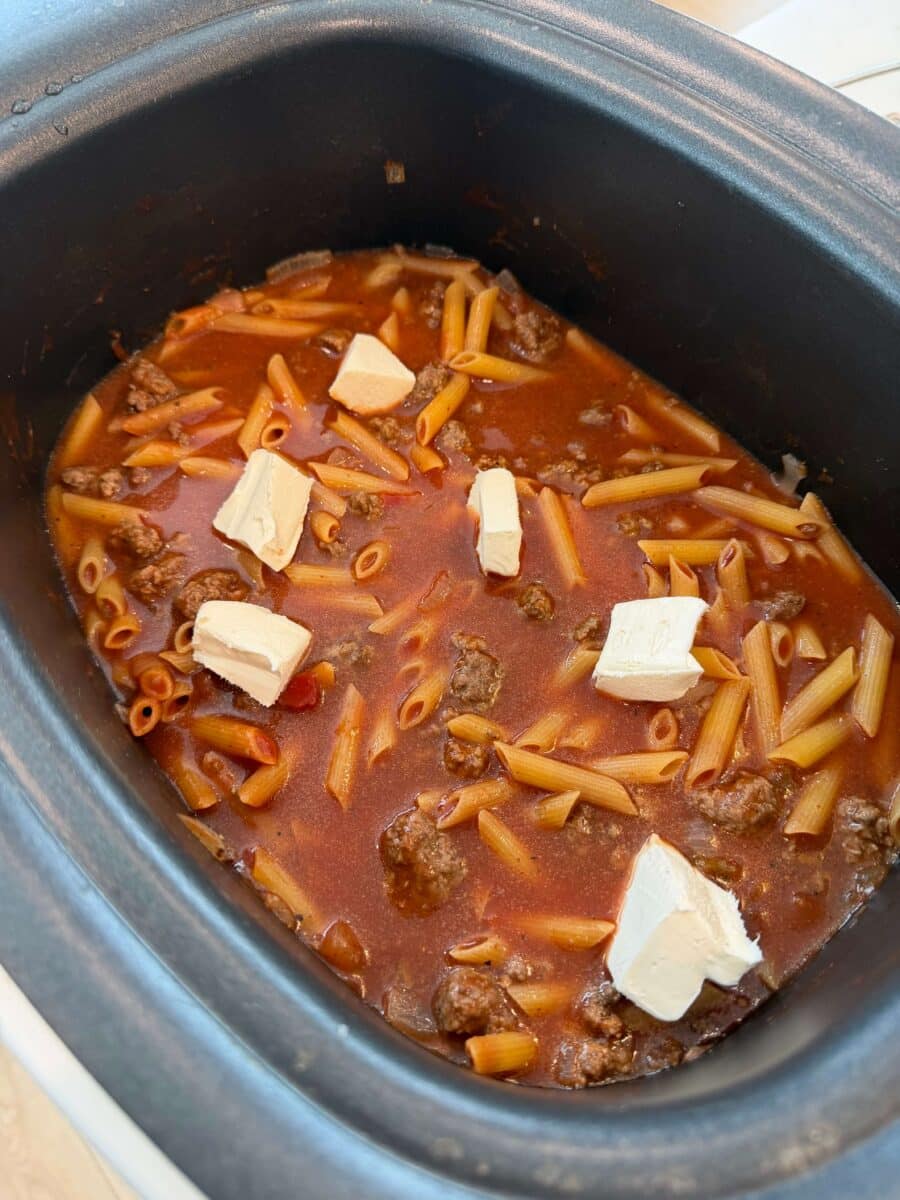
- Hydration and Pasta Integration: The addition of 1.5 cups of water and 8 ounces of dry penne pasta is critical. The pasta absorbs the seasoned liquid during the cooking cycle, which prevents the dish from becoming overly watery while ensuring the starch achieves the desired texture without prior boiling.
- The Creamy Element: The inclusion of 2 ounces of cream cheese, placed atop the mixture before cooking, acts as a thickening agent. As the dish reaches its peak temperature, the cream cheese emulsifies with the tomato-based sauce, resulting in a velvety consistency that binds the pasta and meat.
Chronology of the Cooking Process
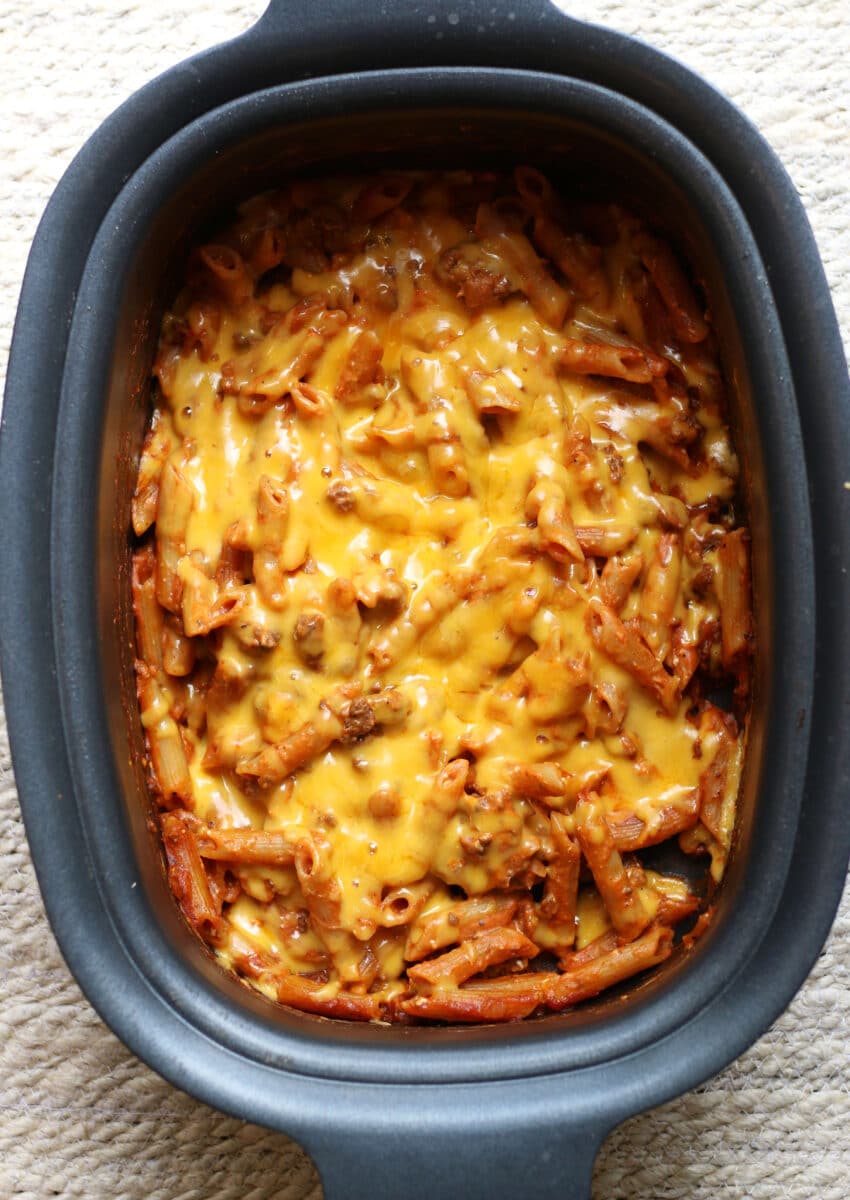
When utilizing a standard slow cooker, the process is designed for a total time investment of approximately 75 minutes. The initial high-heat cycle lasts for one hour, during which the pasta reaches an al dente state. A subsequent 15-minute phase, initiated after the integration of the cream cheese and half of the cheddar, serves to melt the cheese and allow for final flavor development.
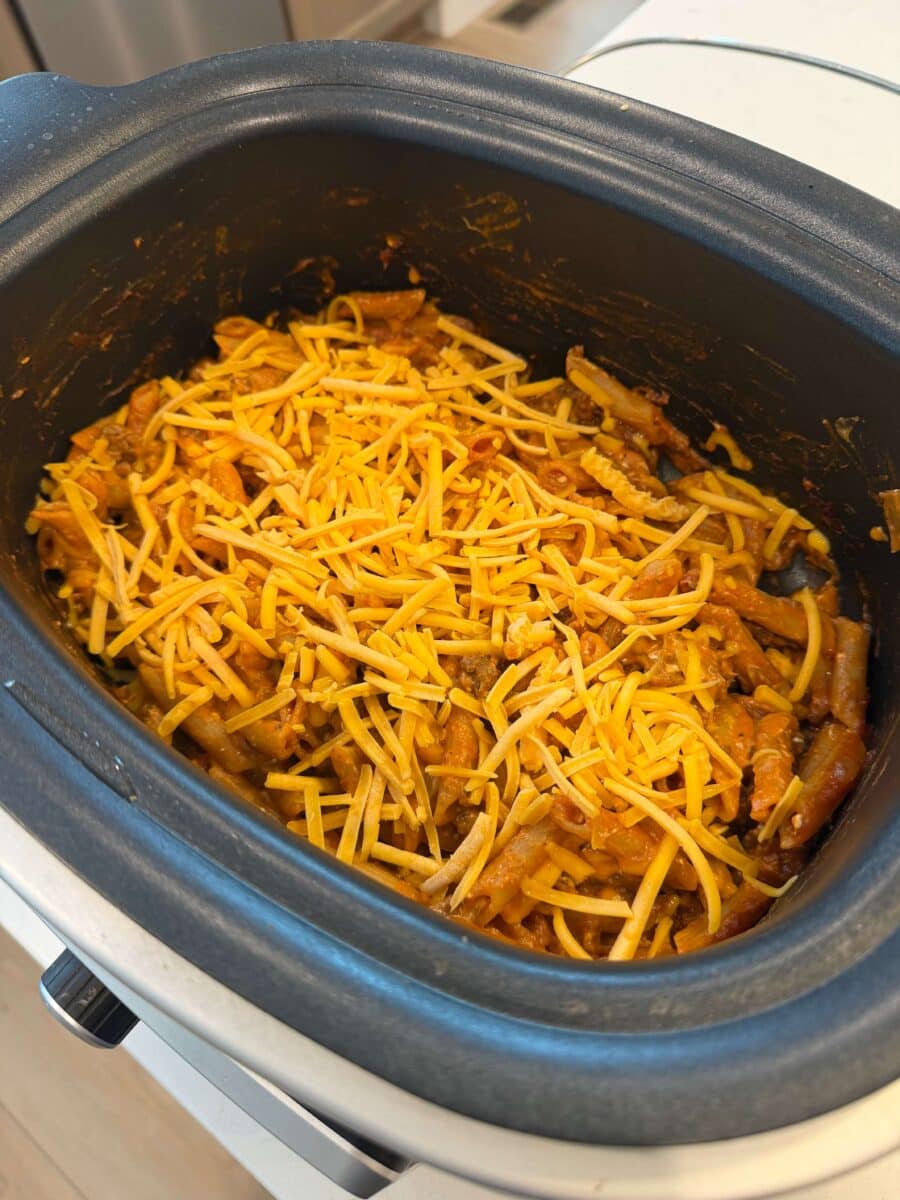
When using an Instant Pot, the timeline is significantly accelerated. The pressure-cooking environment forces moisture into the pasta fibers more rapidly, generally reducing total preparation time to under 30 minutes, including the time required for the vessel to reach pressure and for a natural pressure release.
Nutritional Context and Ingredient Selection
From a nutritional perspective, the dish is calorie-dense, primarily due to the addition of dairy fats. The use of lean ground beef (typically 90/10 or 93/7) is recommended to manage the total lipid content, especially given the addition of processed cheeses.
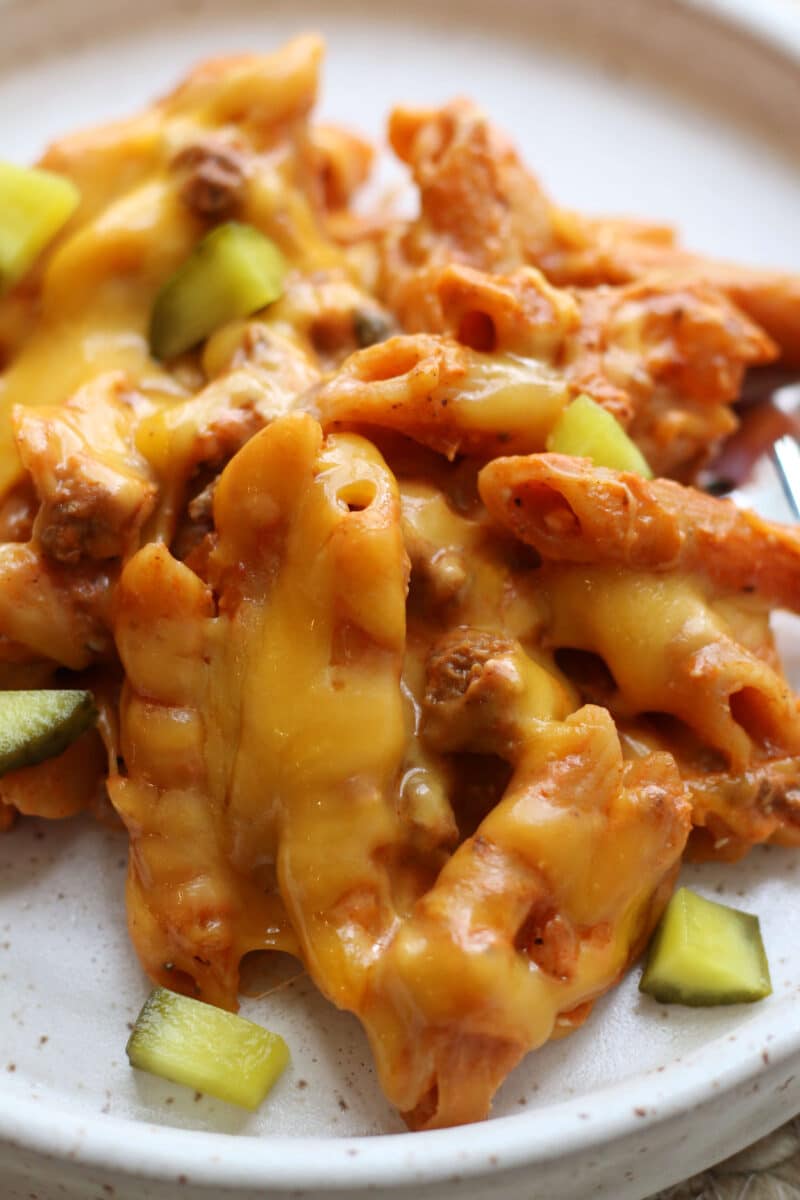
The optional inclusion of green bell peppers adds a distinct textural contrast and a minor boost in vitamin C and fiber, while the tradition of topping the final dish with diced dill pickles serves a functional culinary purpose: the vinegar and crunch of the pickles cut through the richness of the cheese-sauce mixture, providing a necessary palate cleanser in each bite.

Broader Impact on Meal Planning
The popularity of recipes like the Crock Pot Sloppy Jane Casserole indicates a significant change in the way families approach dinner. According to home cooking data, there has been a 22% increase in searches for "slow cooker pasta recipes" since 2020. This indicates that consumers are increasingly prioritizing "set-and-forget" cooking methods that allow for multitasking in a work-from-home or busy household environment.
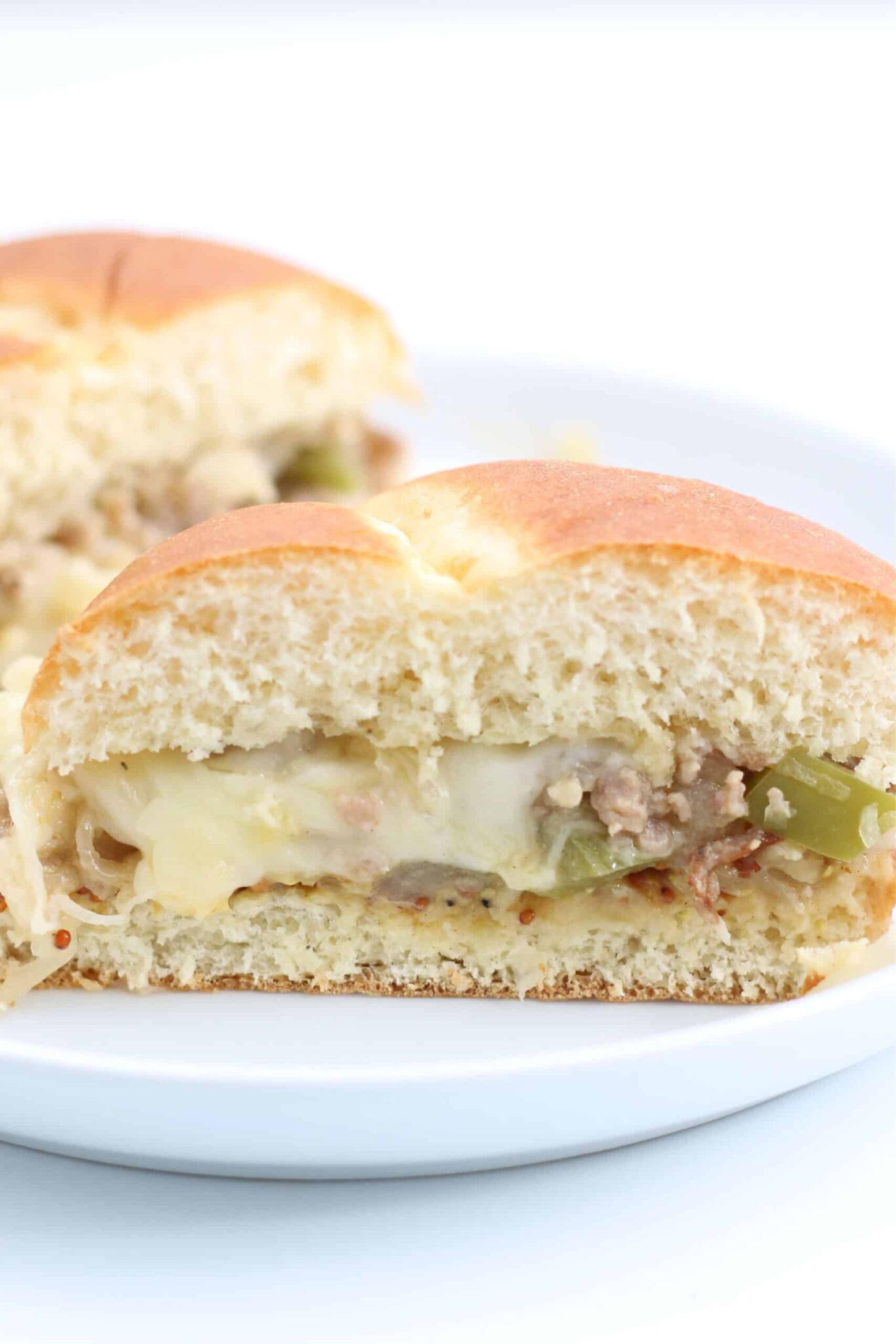
Furthermore, the adaptability of this recipe—allowing for substitutions such as ground turkey, gluten-free pasta, or the addition of extra vegetables—positions it as a versatile tool for meal preppers. It serves as a base that can be customized based on dietary requirements, which is a key factor in the longevity of such recipes in the digital cooking space.
Economic and Practical Implications
The economic profile of this dish is notably stable. Ground beef, pasta, and canned sauce are considered pantry and freezer staples, making this meal a cost-effective solution during periods of food price inflation. Because the recipe relies on standard, non-perishable or long-shelf-life ingredients, it minimizes food waste, as the components can be stored and used over multiple cooking sessions.

Industry analysts suggest that the rise of "Crock-Pot-style" casseroles is also a response to the "inflation fatigue" felt by many consumers. By creating a meal that stretches one pound of meat to serve four to six people, the Sloppy Jane Casserole optimizes the protein-to-cost ratio, a metric that has become increasingly important for household budgeting in recent years.

Conclusion: The Future of Casserole Cuisine
The Crock Pot Sloppy Jane Casserole is more than just a novelty; it is a synthesis of modern kitchen technology and classic flavor profiles. Its success is rooted in its ability to satisfy the demand for high-comfort food while adhering to the rigorous time constraints of modern life. As kitchen appliances continue to become more sophisticated—offering features like automatic pressure release, remote monitoring, and multi-stage cooking—the "casserole" will likely continue to evolve, moving further away from the traditional oven-baked format and toward high-efficiency, multi-functional cooking systems.

For the home cook, the Sloppy Jane represents a reliable, repeatable, and highly palatable solution that bridges the gap between historical culinary traditions and the convenience-focused demands of the current era. It demonstrates that with the right combination of basic ingredients and appropriate thermal management, complex, multi-textured meals can be achieved with minimal human intervention.
