
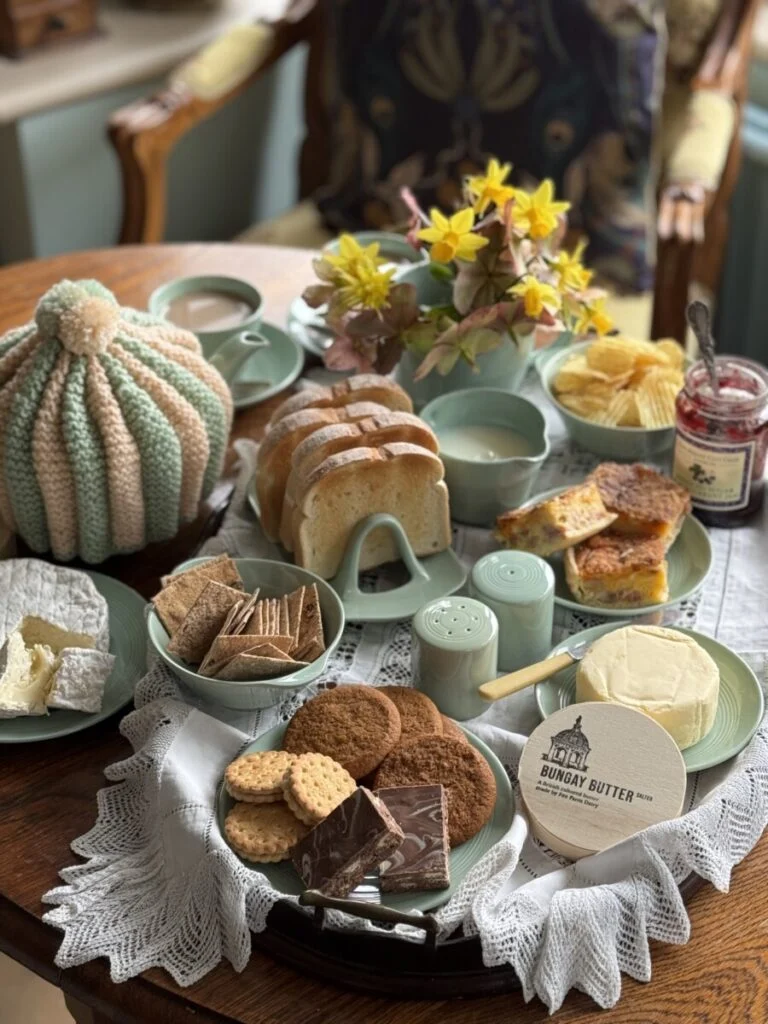
The distinction between "Afternoon Tea" and "High Tea" is a subject of frequent confusion, particularly across international borders where terminology has evolved to suit local culinary customs. In the United Kingdom, these two traditions represent vastly different social strata, historical origins, and dining purposes. While the former is rooted in the aristocratic leisure of the 19th-century upper classes, the latter evolved as a substantial, restorative meal for the laboring population following the Industrial Revolution.

Historical Origins and Societal Context
The tradition of Afternoon Tea, often colloquially referred to as "Low Tea," emerged in the mid-1840s. Historical consensus largely credits Anna Maria Russell, the seventh Duchess of Bedford, with popularizing the ritual. Faced with the "sinking feeling" of hunger that occurred during the long gap between a light luncheon and a late dinner—which was often served as late as 8:00 or 9:00 p.m.—the Duchess began requesting a service of tea, bread and butter, and small cakes in her private chambers.

By the 1880s, this practice had transitioned from a private indulgence to a highly stylized social event for the upper classes. It was typically served in a drawing room or parlor, utilizing "low" tables—hence the term "Low Tea"—where participants sat in comfortable armchairs. The service focused on elegance and light refreshments: crustless finger sandwiches, delicate pastries, scones, and clotted cream.

Conversely, High Tea emerged from the working-class culture of Northern England and Scotland during the 18th and 19th centuries. Following a grueling day of physical labor in factories or mines, the working population required a meal that was both affordable and calorie-dense. This meal was taken at a "high" table—a standard dining or kitchen table—and served on sturdy, everyday dinnerware. Unlike the dainty offerings of the aristocratic afternoon tea, High Tea was a functional, substantial meal typically served between 5:00 p.m. and 7:00 p.m.

Chronological Development and Evolution
The timeline of these tea customs tracks closely with the shift in British working hours and domestic architecture.

- 1750–1800: Early references to "afternoon tea" appear in the records of English spa towns like Bath and Harrogate, where the consumption of tea became associated with health and social congregation.
- 1840s: The Duchess of Bedford formalizes the afternoon tea ritual in the household of the British aristocracy.
- 1850s–1900: The Industrial Revolution accelerates the divide. While the wealthy enjoy light tea in the afternoon, the working class adopts "High Tea" as their primary evening meal, incorporating meat, bread, cheese, and vegetables.
- Post-WWII: The strict social boundaries of the Victorian and Edwardian eras begin to dissolve. As dining habits modernize, the specific distinctions between these meals often fade, leading to the current state of confusion, particularly in North America and Australia, where the term "High Tea" is often erroneously applied to the light, decorative Afternoon Tea service found in high-end hotels.
Cultural Divergence and Global Misconceptions
The linguistic migration of these terms has created a significant cultural divide. In many parts of the United States and Australia, the phrase "High Tea" is frequently used to market upscale, luxury experiences that feature tiered cake stands and fine china. This is, in fact, an inversion of the British historical reality.

Cultural historians observe that this shift occurred as these traditions were exported to colonies and international markets. Without the context of the British class system, the word "High" was perceived as an indicator of status or sophistication, leading to the rebranding of the dainty, elite Afternoon Tea as "High Tea." This misnomer has become so deeply embedded in global hospitality marketing that the original working-class definition of High Tea is now often obscure to the average consumer.

Nutritional and Culinary Composition
The culinary components of these services differ fundamentally, reflecting their original intended functions.

Afternoon (Low) Tea:

- Sandwiches: Thinly sliced, crusts removed, typically cucumber, egg and cress, or smoked salmon.
- Scones: Served with jam and clotted cream; a quintessential component of the "Cream Tea" variation.
- Pastries: Dainty items such as Victoria sponge, fruit tarts, or delicate biscuits.
- Purpose: A bridge between lunch and dinner, designed for social interaction rather than satiety.
High Tea:

- Proteins: Often included hearty dishes such as meat pies, cold cuts, sausages, or fish.
- Staples: "Doorstop" sandwiches (thickly sliced bread), toasted items, Welsh rarebit, or baked beans on toast.
- Desserts: Substantial baked goods such as fruit loaves, plate pies, or puddings.
- Purpose: A primary evening meal providing essential sustenance for physical laborers.
Broader Impact and Industry Implications
The ongoing confusion regarding these terms presents a challenge for the hospitality and tourism sectors. For establishments aiming to offer an "authentic" British experience, the incorrect use of terminology can be perceived as a failure of historical accuracy.

Industry experts note that as culinary tourism grows, there is an increasing demand for education regarding these traditions. When a luxury hotel markets a service as "High Tea," they are essentially describing a light snack, whereas an authentic High Tea would be an unwieldy and potentially unwelcome surprise for a customer expecting a delicate experience.

Furthermore, the "Cream Tea"—a distinct, smaller sub-service consisting solely of tea, scones, jam, and clotted cream—is frequently conflated with both Afternoon and High Tea. This lack of clear labeling in the global marketplace serves to further erode the historical nuance of British tea culture.

Summary of Findings
The distinction is summarized by the physical setting and the timing of the consumption:

- Afternoon Tea: Taken mid-afternoon (3:00 p.m. to 5:00 p.m.) at a low table. It is an upper-class, social, and light culinary event.
- High Tea: Taken early evening (5:00 p.m. to 7:00 p.m.) at a high kitchen table. It is a working-class, functional, and substantial evening meal.
As modern life continues to blend the boundaries between work and leisure, these traditional markers are likely to continue their evolution. However, for those interested in the preservation of culinary history, recognizing the difference between the "low" table of the aristocracy and the "high" table of the working class remains an essential piece of cultural literacy. The persistence of these terms in common parlance serves as a reminder of how social structures once dictated even the most mundane aspects of daily life, such as the timing and composition of a simple cup of tea.
