
Historical Context and Etymology
The naming of the Yorkshire Coble Cake is directly attributed to the "coble," a traditional flat-bottomed fishing boat characterized by a high bow and raked stem. These vessels were specifically engineered to navigate the treacherous, shallow waters and intense swell of the North Sea, which defines the coastal geography of Northern England. For centuries, the fishing industry served as the economic backbone of towns like Whitby and Staithes, and the local diet was necessarily influenced by the availability of ingredients that could be stored on vessels or easily prepared in coastal cottages.

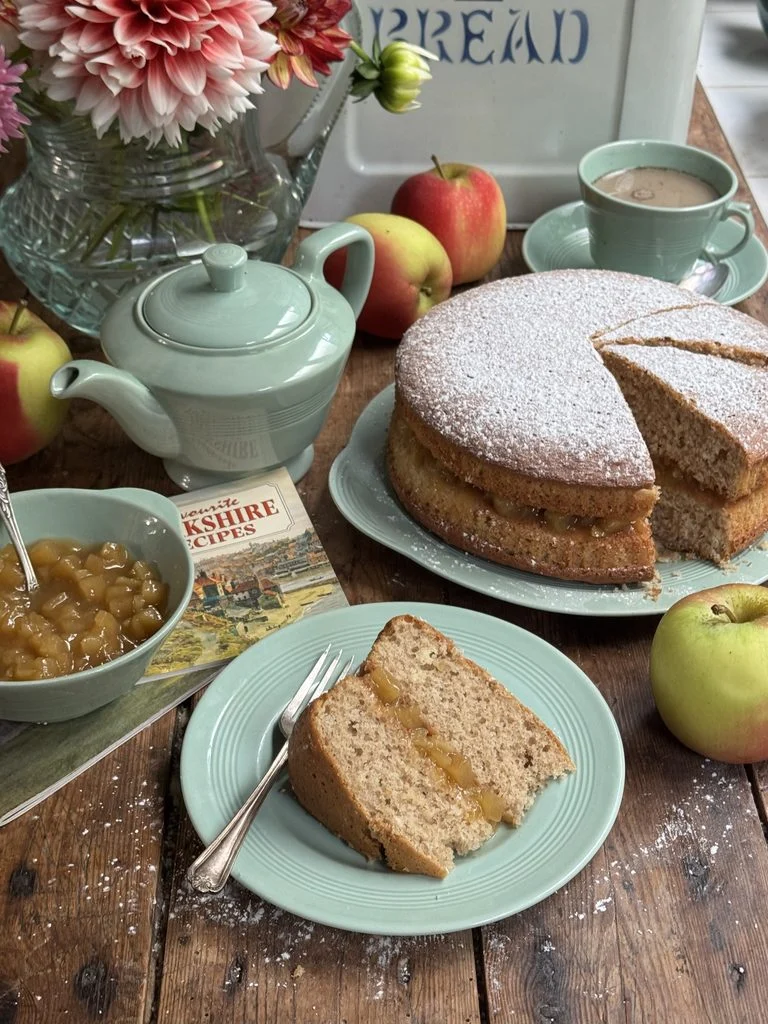
The term "coble cake" has historically been used to describe two distinct types of baked goods. The first is a biscuit-style item, often incorporating almonds, candied peel, and a heavy mixture of warm spices, finished with a decorative icing. The second, and more widely recognized in modern culinary archives, is the "pudding-style" cake. This version utilizes a Victoria-style sponge base, elevated by a blend of aromatic spices—typically ginger, cinnamon, and nutmeg—and layered with a compote made from local Bramley apples.

Culinary Chronology and Evolution
While the exact origins of the recipe are difficult to pinpoint due to the oral tradition of regional baking, food historians suggest that the cake gained prominence during the mid-to-late 19th century. During this period, the increased accessibility of imported spices and the prevalence of apple orchards in the North of England allowed home bakers to create nutrient-dense, flavorful desserts that were both affordable and satisfying.

In recent decades, the recipe has faced a period of obscurity as globalized food trends dominated the British market. However, a resurgence of interest in regional heritage recipes has led to the archival efforts of culinary historians and local bakers. By consulting century-old recipe files and adapting them to modern kitchen standards, enthusiasts have successfully reintroduced the Coble Cake to contemporary tearoom menus, preserving a tangible piece of North Yorkshire’s maritime legacy.

The Role of Local Ingredients: The Bramley Apple
The quintessential component of the Yorkshire Coble Cake is the Bramley apple. The Bramley variety, which originated in Nottinghamshire in the early 19th century, is renowned for its high acidity and distinct texture, which breaks down into a smooth, fluffy consistency when cooked. This quality makes it ideal for the compote that separates the two layers of the sponge.

The use of the Bramley apple reflects a broader agricultural reliance in Northern England. As the climate in Yorkshire is often cooler and more volatile than in the southern regions of the UK, the cultivation of hardy, acidic apples became a staple of the regional diet. The integration of these apples into a "pudding-style" cake allowed families to maximize the utility of their harvest, providing a source of sustenance that was, according to culinary records, particularly favored when served warm with local cream.

Technical Analysis of the Preparation
The modern iteration of the Yorkshire Coble Cake follows a specific technical process that ensures the delicate balance between the airy sponge and the dense, spiced apple filling.

- Base Preparation: The sponge is created using the creaming method—beating butter and sugar until aerated—to ensure a light crumb that can support the weight of the apple compote.
- Spicing Profile: A precise blend of ginger, cinnamon, nutmeg, and mixed spice is folded into the flour. This combination is designed to evoke the "warm" sensory experience historically associated with traditional North Country baking.
- Compote Construction: The apples are prepared by stewing them with minimal water, butter, and sugar, occasionally incorporating lemon zest to brighten the flavor profile. This step is critical; if the compote is too thin, it risks compromising the structural integrity of the sponge.
- Assembly: The cake is assembled by placing the apple mixture between two identical layers of sponge, followed by a light dusting of icing sugar. The simplicity of this finish is a hallmark of the dish, emphasizing the quality of the internal ingredients over excessive external decoration.
Economic and Cultural Implications
The preservation of recipes like the Yorkshire Coble Cake has significant implications for regional tourism and cultural identity. In areas like Whitby, which relies heavily on heritage tourism, the availability of "authentic" regional foods provides a competitive edge for independent businesses. The promotion of the Coble Cake serves as an educational tool, informing visitors about the historical necessity of the fishing industry and the resilience of the communities that built the North Yorkshire coast.

Furthermore, the adaptation of this recipe by contemporary bakers—such as the adjustments made to increase the scale of the cake for modern commercial ovens—demonstrates the "living" nature of culinary history. By tweaking the ratios while maintaining the core flavor profile, these individuals are ensuring that traditional recipes remain relevant to modern tastes and dietary expectations.

Comparative Nutrition and Serving Suggestions
From a nutritional perspective, the Yorkshire Coble Cake is categorized as a traditional comfort food. A standard serving (approximately 1/10th of a cake) provides roughly 357 calories, with 20 grams of total fat and 42 grams of carbohydrates. While it is not intended to be a low-calorie option, the inclusion of fruit provides a degree of fiber and micronutrients not found in standard sponge cakes.

The traditional serving method remains unchanged: the cake is intended to be served warm, often accompanied by fresh whipped cream or clotted cream. This practice, common in the North of England, underscores the cake’s identity as a "pudding cake," designed to offer warmth and satiety in the often-chilly maritime climate of the North Sea coast.

Future Prospects for Heritage Baking
The continued interest in the Yorkshire Coble Cake is part of a larger trend of "re-regionalization" in the British food sector. As consumers increasingly prioritize provenance and history, the demand for locally specific recipes—such as the Yorkshire Parkin, Curd Tart, and the Coble Cake—is expected to grow.

Future initiatives by local heritage boards and culinary associations may focus on standardizing these recipes for educational purposes, ensuring that the techniques involved—such as the specific way the apples are compoted—are passed down to the next generation of professional and home bakers. By documenting these methods, the region effectively protects its culinary intellectual property from being diluted or lost to time.

In conclusion, the Yorkshire Coble Cake is more than a simple dessert; it is a manifestation of historical survival and regional pride. Its survival in the 21st century is a testament to the enduring appeal of traditional, ingredient-led baking and the deep connection between the food of a region and its geographical and economic origins. As it continues to be served in the tearooms of Whitby and Staithes, it serves as a delicious reminder of the sailors, fishermen, and families who shaped the character of North Yorkshire.
