
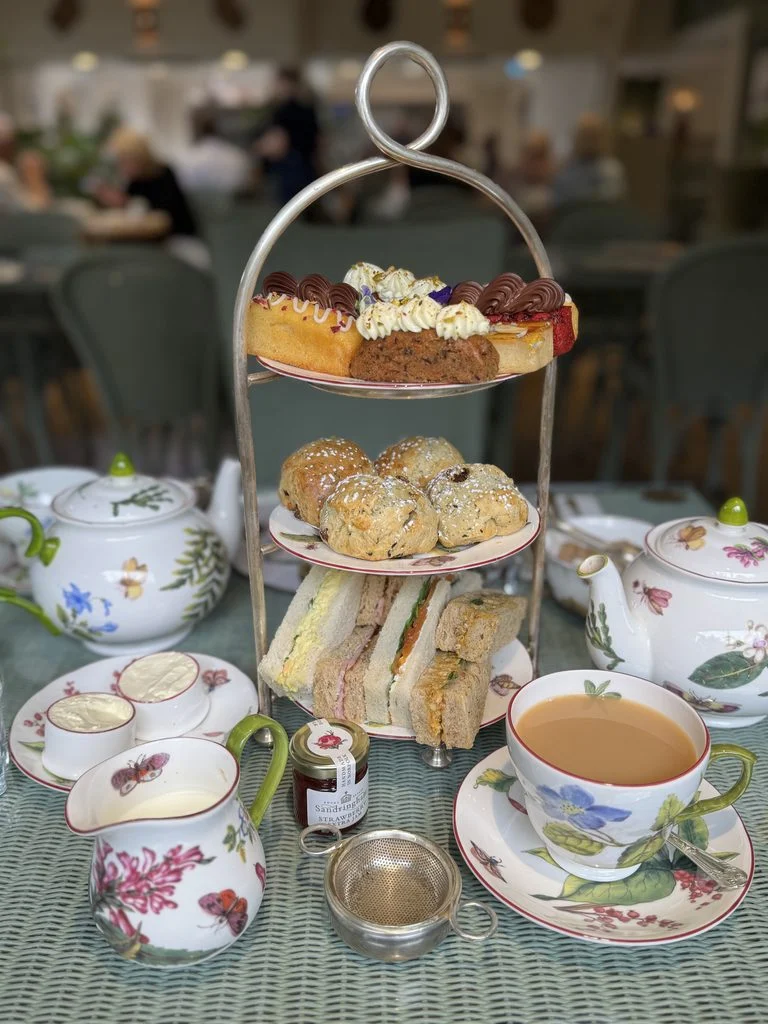
The Sandringham Courtyard Restaurant, nestled within the historic grounds of the Sandringham Estate in Norfolk, has become a focal point for visitors seeking to experience the quintessential British tradition of afternoon tea in a setting of significant historical prestige. As a private residence of the British Royal Family, Sandringham serves not only as a working estate but as a cultural landmark, and the recent introduction of an elevated afternoon tea service at the Courtyard Restaurant reflects a broader trend of heritage sites diversifying their visitor offerings to blend historical education with high-end hospitality.

Historical Context and Setting
Sandringham House has been a beloved retreat for British monarchs since 1862, when it was purchased by the Prince of Wales, later King Edward VII. Throughout the twentieth century, it became synonymous with the Royal Family’s Christmas celebrations and private holidays. The estate’s transition from a strictly private residence to a public-facing tourist destination has been carefully managed to preserve its royal integrity while accommodating the modern visitor.
The Sandringham Courtyard Restaurant is situated within the repurposed stable yard and carriage house complex. This area, which once serviced the needs of the royal household’s equine transport, now functions as the primary hub for estate guests. By integrating a formal afternoon tea service into this space, the estate leverages its royal provenance to provide a curated culinary experience that connects guests to the tastes and traditions of the British aristocracy.

The Afternoon Tea Experience: A Culinary Overview
The afternoon tea service at Sandringham is distinguished by its commitment to aesthetics and authenticity. The tea is served on fine Chelsea botanical porcelain, a design motif directly inspired by the extensive collection originally acquired by Queen Elizabeth The Queen Mother. This choice of tableware serves as a deliberate link to the estate’s history, reinforcing the connection between the guest experience and the legacy of the Royal Family.
The menu is designed to reflect the classic components of the tradition: a selection of finger sandwiches, freshly baked scones served with clotted cream and preserves, and an assortment of patisserie items. The sourcing of ingredients for these items is prioritized to support local Norfolk producers, aligning with the estate’s long-standing focus on agricultural sustainability and environmental stewardship.

Beverage Selection and The Role of Premium Blends
A central element of any high-quality afternoon tea is the selection of loose-leaf teas. The Sandringham Courtyard Restaurant has partnered with Birchall Tea, a company with a significant history in the East African tea trade. The signature offering is the "Great Rift" breakfast blend, a premium selection sourced from the high-altitude plantations across the Great Rift Valley.
According to industry data on tea consumption, the demand for single-origin and ethically sourced tea blends has risen by approximately 15% in the luxury hospitality sector over the last three years. The use of the Great Rift blend—a full-bodied, bright, and crisp tea—is a strategic choice that appeals to both traditionalists and those seeking a more sophisticated, complex flavor profile. The service model includes continuous teapot replenishment, a hallmark of attentive, professional hospitality that distinguishes premium tea services from more casual café environments.

Operational Logistics and Visitor Management
The management of the Courtyard Restaurant is overseen by Benugo, a prominent hospitality group known for its partnerships with cultural and historical institutions. This partnership is vital to the operational success of the estate, as it ensures that the service standards remain consistent with the expectations of visitors to a royal property.
Beyond the restaurant, the estate provides a comprehensive visitor experience that includes:

- The Retail Quarter: A dedicated shopping area offering estate-branded goods, local artisan products, and gardening supplies.
- The Garden Centre: A facility focusing on horticultural education and native plant species, reflecting the estate’s extensive gardens.
- Al Fresco Dining: For those seeking a more casual experience, the estate provides a takeaway terrace and numerous picnic areas, facilitating a more flexible approach to visitor dining during peak tourist seasons.
The Evolution of British Tea Culture
The persistence of afternoon tea as a staple of British tourism cannot be understated. Originally popularized by Anna Maria Russell, the Duchess of Bedford, in the mid-1840s, the practice was intended to bridge the long gap between luncheon and dinner. Today, the practice has evolved into an experience-based commodity.
Recent analysis from the tourism sector suggests that international visitors place "authentic British experiences" at the top of their priority lists when booking travel to the United Kingdom. Afternoon tea at a royal estate like Sandringham serves as a "high-value touchpoint," where the cost of the meal is secondary to the cultural prestige of the location. By hosting this service within the Courtyard, the estate effectively extends the dwell time of visitors, encouraging them to engage with the retail and horticultural offerings after their meal.

Economic and Cultural Implications
The integration of high-end dining into historical estate management is a sophisticated strategy for ensuring the long-term financial viability of heritage sites. Maintenance of a property as expansive as Sandringham requires substantial capital, and the diversification of revenue streams—through retail, dining, and ticketed estate tours—is essential for conservation efforts.
From a cultural perspective, the democratization of spaces once reserved for the elite or the landed gentry represents a significant shift in the British social landscape. While the setting is undeniably grand, the accessibility of the Courtyard Restaurant allows for a broader demographic to engage with the aesthetic and culinary traditions associated with the Royal Family. This accessibility does not dilute the historical significance of the site; rather, it contextualizes it for a modern audience that views history as something to be consumed through sensory experiences.

Future Prospects for Sandringham Hospitality
Looking toward the future, the Sandringham Estate is expected to continue refining its culinary offerings. Feedback from visitors and industry experts alike has highlighted the importance of balancing the "royal" branding with contemporary dietary requirements, such as vegan and gluten-free options, which are increasingly becoming standard in luxury tea services.
The ongoing success of the Courtyard Restaurant suggests that the model of pairing historical education with refined dining is sustainable. By maintaining a high standard of service, professional waitstaff, and a commitment to quality ingredients, the estate ensures that the "right royal treat" remains a viable and attractive proposition for years to come. Whether for those celebrating a special occasion or international travelers seeking the quintessential English experience, the afternoon tea at Sandringham stands as a modern iteration of an enduring historical legacy, effectively bridging the gap between the past and the present.
