
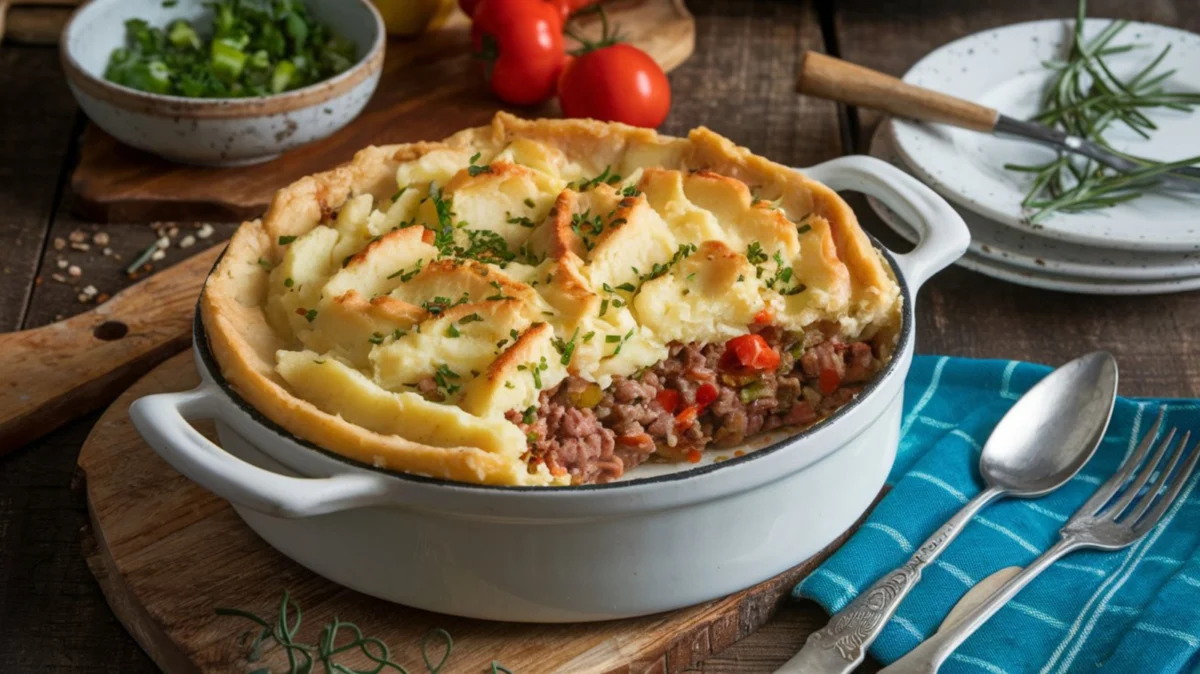
The humble potato and the classic meat-based casserole have long served as pillars of comfort food in culinary traditions across the British Isles and beyond. While the cottage pie—a savory base of minced meat topped with a layer of mashed potatoes—is a staple in many households, modern home cooks are increasingly looking for ways to streamline preparation and enhance individual portion control. The latest trend in home cooking involves deconstructing this traditional casserole, effectively transforming the cottage pie from a singular, heavy baking dish into a sophisticated, hand-held, or individually portioned baked potato experience.
Historical Context and Culinary Evolution
To understand the shift in how we approach the cottage pie, one must first recognize its historical origins. The terms "cottage pie" and "shepherd’s pie" are frequently used interchangeably in casual conversation, yet they maintain distinct identities within culinary history. The term "cottage pie" first appeared in the late 18th century, a period when the potato was introduced to the working class in Great Britain and Ireland as an accessible, inexpensive crop.
The dish was designed to be a resourceful meal, utilizing leftover roasted meat that was minced and covered with a layer of mashed potato. Conversely, "shepherd’s pie" is historically linked to the pastoral lifestyle, specifically utilizing lamb or mutton, as shepherds were the primary tenders of sheep. While modern supermarkets often blur these lines by labeling both as cottage pie, the distinction remains important for culinary purists. The transition of these dishes into a "stuffed potato" format represents the latest chapter in a long history of culinary adaptation, shifting from a communal, rustic casserole to a precision-based, modern convenience meal.
The Anatomy of the Deconstructed Pie
The recent move toward using the baked potato as a vessel for cottage pie filling is not merely a stylistic choice; it is a structural improvement. In a traditional cottage pie, the ratio of meat to potato can often become skewed, leading to an overly dense consistency. By utilizing a hollowed-out baked potato, the cook establishes a rigid, edible container that supports the weight of the savory filling while providing a contrasting texture.
From a logistical standpoint, this method offers several functional benefits:
- Efficiency in Preparation: Traditional casseroles often require long cooling periods to slice properly. Stuffed potatoes are inherently portioned, allowing for immediate serving.
- Waste Reduction: The practice of consuming the potato skin alongside the filling provides additional fiber and essential nutrients, such as potassium and Vitamin C, which are often discarded when potato skins are peeled for traditional mashed toppings.
- Dish Maintenance: By eliminating the large-format casserole dish, the post-meal cleanup is significantly reduced, a factor that appeals to contemporary home cooks balancing busy schedules.
Comparative Nutritional and Practical Analysis
When examining the nutritional profile of this modification, the starch-to-protein ratio remains relatively stable. A standard Russet potato provides a high-glycemic index base, which, when paired with the protein-dense ground beef filling, creates a balanced macronutrient profile. Data from culinary science journals suggest that the "skin-on" approach can increase the fiber content of the meal by approximately 15% compared to peeled potatoes, as the skin is where the majority of the potato’s insoluble fiber is concentrated.
Furthermore, the caloric density can be adjusted based on the fat content of the chosen ground meat. While traditional recipes often rely on 80/20 ground beef for flavor, the individual portioning allows for the substitution of leaner 90/10 beef or ground turkey without compromising the structural integrity of the potato shell.
Variations and Regional Adaptations
The versatility of the stuffed cottage pie extends beyond the choice of meat. For those seeking a lower glycemic impact, the use of Yukon Gold potatoes offers a creamier texture, while sweet potatoes have emerged as a popular alternative for a flavor profile that balances the savory saltiness of the beef with a natural, subtle sweetness.
For the vegetarian and vegan demographics, the evolution of plant-based ground proteins—including lentils, mushrooms, and soy-based crumbles—has enabled a broader adoption of this dish. Culinary experts note that the key to a successful plant-based cottage pie filling lies in the seasoning, specifically the use of umami-rich ingredients like Worcestershire sauce (or vegan alternatives), tomato paste, and caramelized onions, which replicate the depth of flavor traditionally provided by beef.
Culinary Techniques for Success
Achieving the perfect cottage pie-stuffed potato requires a two-stage cooking process. First, the potatoes must be baked until tender. Once the interior is removed, it is typically mixed with dairy (butter, milk, or cream) to create a light mash before being piped or spooned back into the skin along with the meat filling.
Professional chefs often recommend a "double-bake" technique. By baking the empty skins for an additional five to seven minutes after hollowing them out, the interior becomes crisp, preventing the potato from becoming soggy once the moist filling is added. This step is critical in maintaining the structural integrity of the dish.
Broader Implications and Future Trends
The rise of the "stuffed meal" format reflects a larger trend in the food industry: the demand for "elevated comfort." As consumers move away from mass-produced, frozen convenience meals, there is a growing preference for "from-scratch" cooking that can be completed in under 45 minutes. The cottage pie-stuffed potato fits squarely into this category.
Looking toward the future, it is likely that we will see further innovation in this area, particularly regarding the incorporation of fermented ingredients or international spice blends into the meat filling. For instance, incorporating miso into the beef mixture adds a level of complexity that elevates the dish beyond its humble roots, while the addition of roasted root vegetables within the filling could further increase the nutritional density.
Conclusion: A Staple Reimagined
The transition of the cottage pie from a casserole to a stuffed potato represents an evolution in how we define convenience and comfort in the kitchen. By stripping away the unnecessary bulk of a traditional casserole dish and focusing on the individual vessel, home cooks have created a meal that is both technically superior in texture and more practical for the modern lifestyle. Whether one chooses to use traditional ground beef, turkey, or a plant-based alternative, the underlying concept remains the same: a celebration of simple, wholesome ingredients elevated through thoughtful preparation. As this method gains popularity, it stands as a testament to the fact that even the most established culinary traditions can be revitalized through minor, calculated adjustments. This shift not only honors the history of the dish but ensures its continued relevance in the kitchens of the next generation.
