
The Historical Convergence of Two American Staples
To understand why baked beans represent a logical, albeit unconventional, addition to chili, one must look at the historical timeline of the American frontier. Chili con carne, as it is recognized today, traces its roots to the late 19th-century American Southwest, specifically the cattle drive culture of Texas. During the mid-to-late 1800s, trail cooks required ingredients that were shelf-stable, calorie-dense, and easily transportable. Dried chilies, suet, and jerked beef were the primary components of early chili, designed to sustain cowhands through long, grueling drives.
Simultaneously, baked beans—a dish with roots in colonial New England that evolved from Native American preparations of beans slow-cooked with maple syrup or bear fat—became a primary ration for settlers and travelers moving westward. By the late 19th century, the industrialization of food production, spearheaded by companies like Heinz, transformed baked beans into a mass-produced convenience food. Given that both chili and baked beans were essential components of the 19th-century traveler’s diet, the two dishes were frequently consumed in the same camp settings. Integrating the two is less of a radical departure from tradition and more of a practical evolution of resource management that has existed on the American culinary landscape for over a century.
The Chemistry of Sweet and Savory Profiles
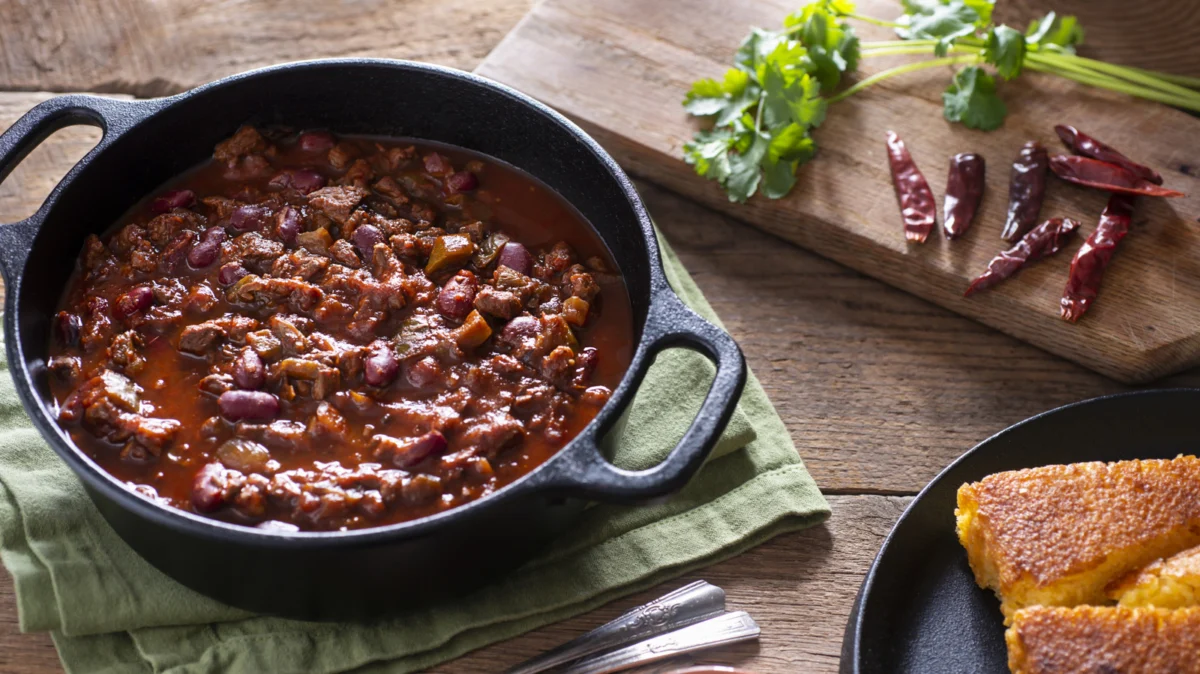
The culinary appeal of incorporating baked beans into chili relies on the fundamental principles of flavor balancing. Most commercially produced baked beans are simmered in a sauce typically composed of molasses, brown sugar, maple syrup, or high-fructose corn syrup, alongside tomatoes and aromatic spices. When added to a traditional meat-heavy chili, this sauce introduces a subtle sweetness that acts as a counterpoint to the heat of chili peppers and the savory intensity of seared ground beef or slow-cooked chuck.
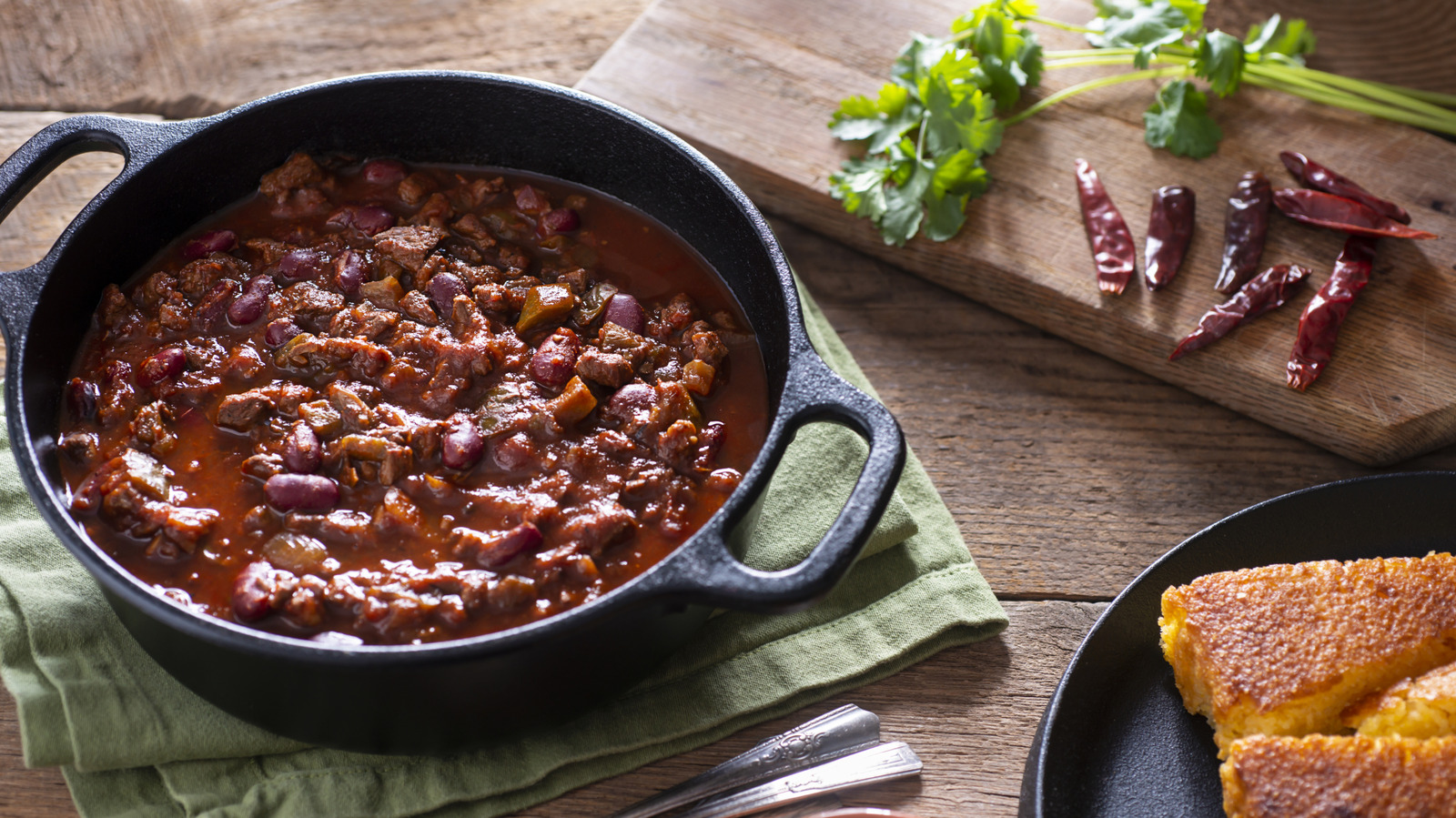
This flavor profile mirrors that of many successful global dishes that rely on the interplay between sweet and spicy elements, such as Korean gochujang-based glazes or the complex moles of Mexico. The acidity in the tomato base of the baked beans also provides a necessary brightness that can cut through the richness of the fat rendered from the meat. From a technical standpoint, the sugar in the baked bean sauce also aids in the caramelization process if the chili is left to simmer, resulting in a deeper, more rounded flavor profile that simple kidney beans cannot achieve.
Strategic Selection and Culinary Execution
The success of a baked bean-infused chili is highly dependent on the selection of the bean variety. Because baked beans are generally pre-cooked and quite soft, they require a different approach to preparation than dried beans or canned beans in brine.
- Maple and Bacon Varieties: These are ideal for chilis that lean heavily into smoky notes. The presence of bacon bits within the bean mix amplifies the umami profile of the dish.
- Hot and Spicy Varieties: For those who prefer a higher Scoville rating, using beans flavored with jalapeño or "hot honey" can provide an immediate heat boost that complements the spice rub used on the meat.
- The Classic Standard: Traditional navy beans in a tomato-molasses sauce provide a neutral, reliable sweetness that allows the home cook to control the spice levels through the addition of fresh chilies or specific chili powder blends.
From an execution standpoint, chefs must account for the viscosity of the bean sauce. Traditional chili recipes often call for water or beef stock to reach the desired consistency. When using baked beans, the liquid volume must be adjusted downward, as the thick, sugar-rich sauce will contribute significantly to the chili’s body. Over-simmering is a common pitfall; because the beans are already cooked to a soft texture, they should be added during the final stages of the cooking process to prevent them from disintegrating into a paste.
Nutritional and Economic Considerations
From a logistical perspective, the move toward baked beans as a chili additive has clear advantages. Baked beans are a highly cost-effective source of plant-based protein and fiber. According to market data from the Bureau of Labor Statistics regarding pantry staples, canned beans have remained one of the most stable price-point items in the grocery sector over the last decade.
Furthermore, the nutritional profile of baked beans includes a significant amount of complex carbohydrates, which, when paired with the protein-dense meat components of chili, creates a nutritionally complete meal. However, home cooks should be aware of the sodium and sugar content inherent in commercial canned beans. Those looking to mitigate these factors can opt for "low sugar" or "low sodium" versions, or, as some culinary experts suggest, prepare a homemade batch of baked beans using a natural sweetener like molasses and then incorporate them into the chili base.
Broader Implications for Chili Enthusiasts
The "bean vs. no bean" debate has long served as a gatekeeping mechanism within chili cook-offs and regional competitions. The introduction of sweetened baked beans into the conversation challenges the rigid purism that has defined the dish for decades. Critics of this trend argue that the addition of sugar deviates too far from the rustic, savory origins of the dish. Proponents, however, view it as a necessary modernization that reflects the evolving American palate, which increasingly favors fusion and depth of flavor over historical rigidity.
The implications for this shift are significant for both home cooking and the casual dining industry. As comfort food remains a dominant category in the food service sector, restaurants are increasingly seeking ways to elevate standard menu items without increasing overhead costs. The integration of baked beans offers a simple, low-cost method to differentiate a standard chili recipe from competitors.
Conclusion: A New Standard for Home Cooking
Ultimately, the decision to incorporate baked beans into chili is a subjective one that prioritizes flavor and convenience. By moving away from the bland, starchy profile of traditional canned kidney beans and embracing the complex, sauce-heavy nature of baked beans, home cooks can achieve a more sophisticated result with less effort. Whether one is looking to streamline a weeknight meal or experiment with the boundaries of traditional flavor profiles, this "sweeter spin" provides a compelling case for reevaluating the contents of the pantry. As the culinary landscape continues to prioritize both convenience and bold flavor, the baked bean-based chili is likely to remain a permanent fixture in the kitchens of those who view cooking as an evolving, rather than static, endeavor.
