
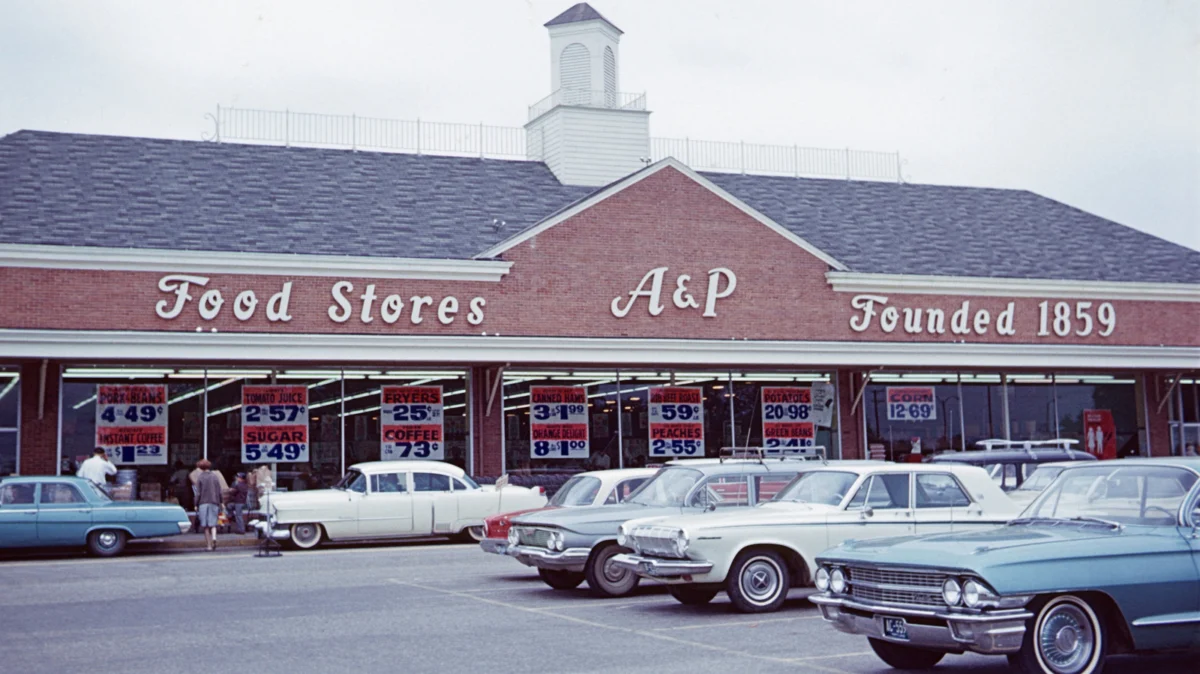
The landscape of American retail has undergone a radical transformation over the past half-century. As the grocery industry transitioned from the neighborhood-centric models of the mid-20th century to the hyper-efficient, technology-driven warehouse giants of today, the fundamental mechanics of how citizens procure their daily sustenance have shifted. The 1970s serve as a pivotal bridge in this evolution—a decade where traditional manual operations were still the standard, even as the seeds of modern automation and consolidation were being sown. By examining the operational quirks of this era, one gains insight into the broader economic and social shifts that have redefined the consumer experience.
The Mechanical Era: Manual Calculation and Checkout
In the 1970s, the checkout counter was a site of high human interaction and significant mechanical labor. Unlike the streamlined, laser-scanned interfaces of the 21st century, cashiers relied on heavy-duty mechanical registers that lacked the integration of Universal Product Code (UPC) systems. The UPC, which was first scanned at a grocery store in Troy, Ohio, in June 1974, did not achieve widespread adoption until well into the 1980s. Consequently, for the majority of the ’70s, the burden of data entry fell squarely on the cashier.
The requirement to manually key in prices for every item created a distinct bottleneck. This operational reality dictated shopper behavior; customers were encouraged to organize their carts so that price tags faced upward, facilitating a faster rhythm for the clerk. Furthermore, the reliance on checks—the primary non-cash tender of the era—added layers of verification that slowed the process further. The "check approval" protocol often required a manager’s signature and the manual recording of a driver’s license number, turning a simple transaction into a multi-step administrative task that often resulted in frustration for those waiting in line.
Butcher Traditions and the Aesthetics of Packaging
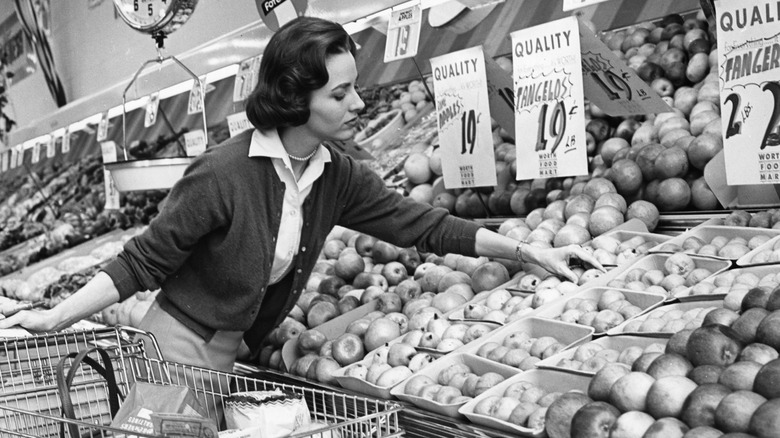
The contemporary grocery store is defined by the proliferation of plastic. Modern supply chains prioritize vacuum-sealed, pre-portioned, and tray-packed proteins designed for long shelf lives and efficient stacking. In contrast, the 1970s grocery environment was defined by the presence of the in-store butcher. This role was not merely functional but central to the store’s value proposition.
Meat was typically displayed behind a glass counter, allowing customers to request specific cuts and quantities. Once selected, the butcher would wrap the product in butcher paper—a specialized, moisture-resistant, and breathable material made from wood pulp—and secure it with twine. This method of packaging provided a superior level of freshness for short-term storage and eliminated the reliance on the non-recyclable plastic trays that have since become a source of environmental concern. This transition away from butcher-paper wrapping signals a shift toward prioritizing corporate efficiency and labor reduction over the personalized service model of the previous generation.

The Rise and Fall of Retail Incentive Programs
One of the most pervasive consumer trends of the 1970s was the widespread use of trading stamps, most notably the S&H Green Stamps. These stamps functioned as an early, physical form of a loyalty program. For every dollar spent at participating retailers, customers received a specific number of stamps, which were then meticulously pasted into collection books. Once a book was filled, it could be exchanged for an array of merchandise, including household appliances, furniture, and bicycles.
Data from the era underscores the immense scale of this phenomenon. At the height of the program’s influence, S&H was printing more stamps annually than the U.S. Postal Service. However, as the retail landscape became more competitive, the cost of these programs for grocers increased. By the late 1970s, many chains began to abandon the overhead costs of managing stamp inventory in favor of aggressive price-cutting strategies. The eventual decline of Green Stamps mirrors the broader trend of the decade: the shift from rewarding customer loyalty through tangible incentives to attracting customers through lower shelf prices and massive, centralized inventory.

Indoor Public Health and Environmental Standards
Perhaps the most jarring contrast between the 1970s and the present day is the status of indoor smoking. During the 1970s, the health risks of second-hand smoke were not yet subject to the rigorous public policy restrictions that define contemporary retail environments. It was commonplace to see ashtrays situated at the ends of aisles and near checkout lanes.
This normalization of smoking in grocery stores serves as a reminder of how evolving public health research has fundamentally altered the interior design of public spaces. The removal of these ashtrays was not merely a cosmetic change but a reflection of a society-wide shift in the understanding of environmental health, leading to the eventual legislative bans on indoor smoking that became standard across the United States in the decades that followed.

Structural Evolution and the Death of the Neighborhood Store
The scale of the average American grocery store has expanded drastically. In 1970, the average supermarket footprint was approximately 10,000 square feet. Today, that number has more than tripled, with many big-box retailers exceeding 100,000 square feet. This expansion was driven by the desire to increase "SKU density"—the number of unique products available to the consumer.
In 1975, the average supermarket carried roughly 9,000 items. By 1990, that number had surged to over 30,000, and modern superstores now often stock over 50,000 distinct items. This growth in inventory required larger facilities, which in turn accelerated the trend of store consolidation. Smaller, independent, or regional neighborhood stores could not compete with the logistical economies of scale enjoyed by the emerging national chains. The disappearance of these smaller stores resulted in a loss of local character and, in many regions, contributed to the emergence of "food deserts," where the removal of small, accessible markets left communities with fewer options for fresh food.

Simplified Branding and the Generic Revolution
While today’s shelves are crowded with hyper-branded, brightly colored packaging, the 1970s saw the rise of the "generic" or "no-name" brand. These products were identifiable by their stark, minimalist design—often black-and-white labeling that simply stated the contents (e.g., "CANNED PEAS"). This trend was a direct response to the economic pressures of the time, including significant inflation. By stripping away the costs of marketing and elaborate packaging, retailers were able to offer a lower-priced alternative that was often sourced from the same production lines as the name-brand equivalents. This period established the framework for the modern "store brand" strategies that have become a cornerstone of contemporary supermarket revenue models.
The Legacy of A&P and the Lost Rituals
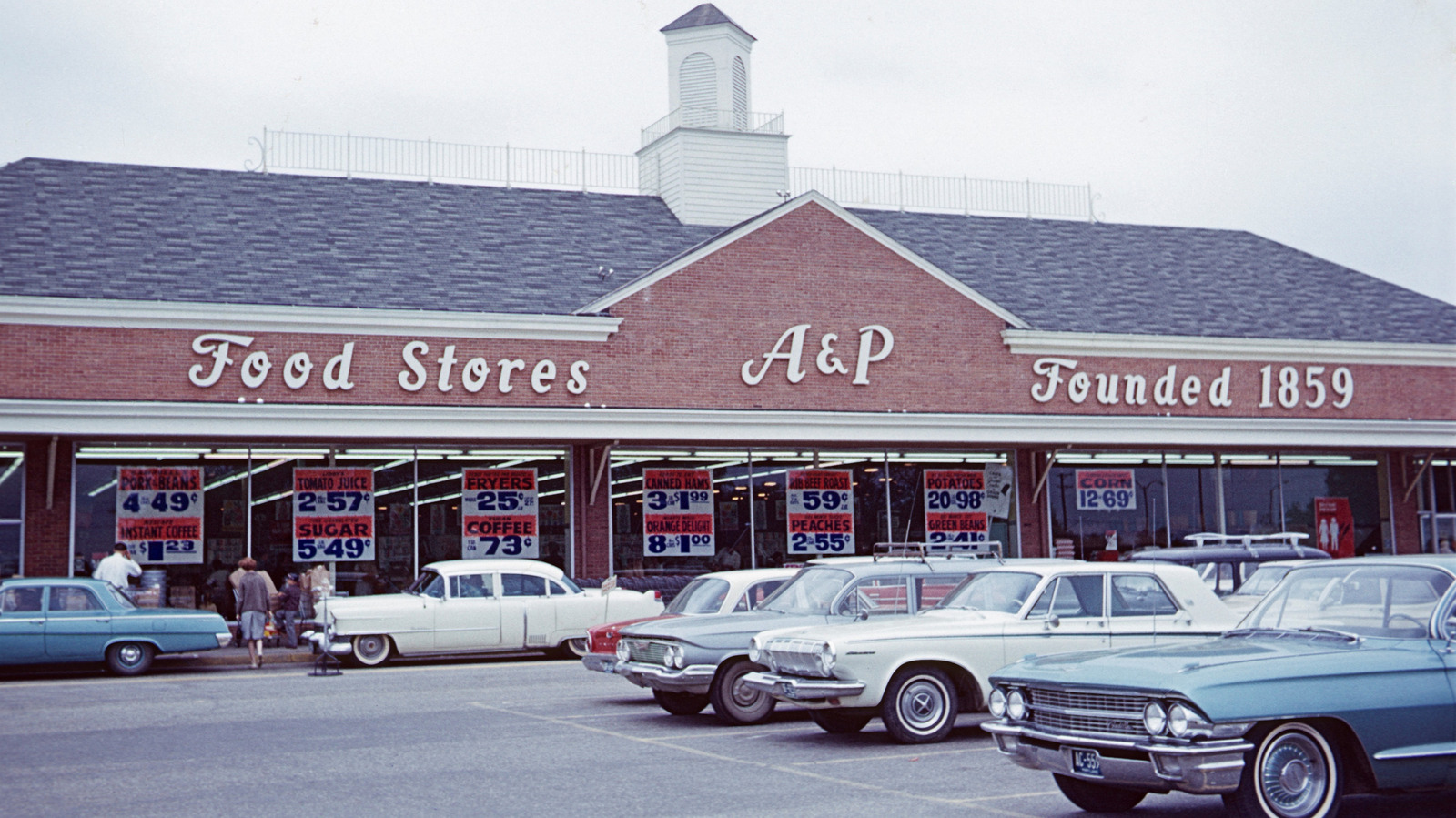
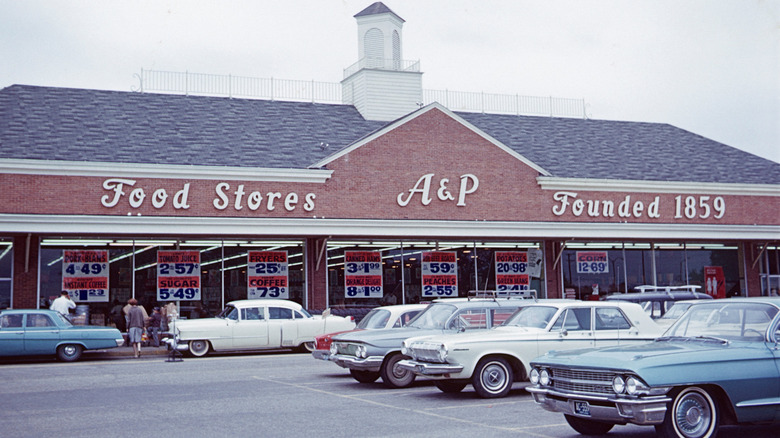
The Great Atlantic & Pacific Tea Company (A&P) stands as the quintessential example of the rise and fall of the 20th-century grocery giant. At its peak, A&P was the largest retailer in the United States. A specific, iconic feature of the A&P experience was the large, red electric coffee grinder located near the checkout. Customers purchasing the store’s signature "Eight O’Clock Coffee" could have their beans ground to order while they waited.
The aroma of freshly ground coffee acted as an olfactory marketing tool, one that fostered a sensory connection between the consumer and the brand. With the eventual bankruptcy and total closure of A&P in 2016, this specific retail ritual effectively vanished from the mainstream. While niche grocers still offer grinding services, the widespread, standardized availability of such services has been largely replaced by the convenience of pre-ground, vacuum-sealed bags.
Conclusion: A Look Back at a Changing Industry
The quirks of 1970s grocery shopping—from manual cash registers and trading stamps to the localized service of the butcher and the communal, if smoky, atmosphere of the store—document a transition from a labor-intensive, localized model to an automated, globalized one. As technology continues to push toward fully autonomous checkouts and AI-driven inventory management, the 1970s remain a useful touchstone. They represent an era where the grocery store functioned as a primary point of social and economic convergence, a role that continues to evolve in the face of the digital retail revolution. While the convenience of modern shopping is undeniable, the loss of these historical quirks marks the end of a slower, more deliberate era of American commerce.
