
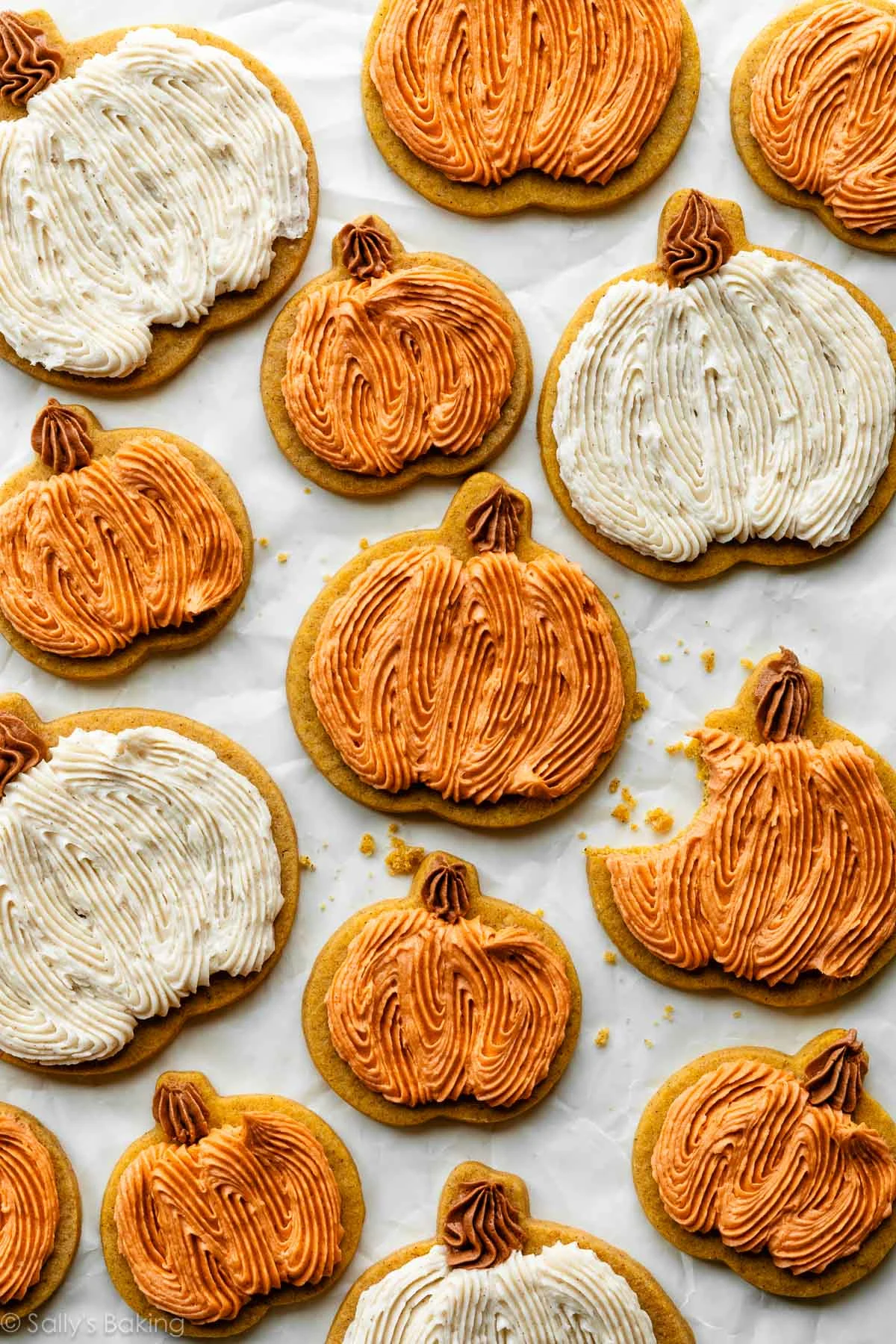
The seasonal transition into autumn has historically driven significant shifts in consumer culinary trends, with pumpkin-based products consistently dominating the market during the third and fourth quarters of the year. Recent developments in home baking techniques have addressed a long-standing challenge for amateur and professional bakers alike: the integration of high-moisture ingredients like pumpkin puree into structural, cut-out style sugar cookies. By implementing moisture-reduction methodologies, bakers are now able to maintain the structural integrity required for decorative holiday cookies while incorporating the flavor profiles associated with fall harvest ingredients.
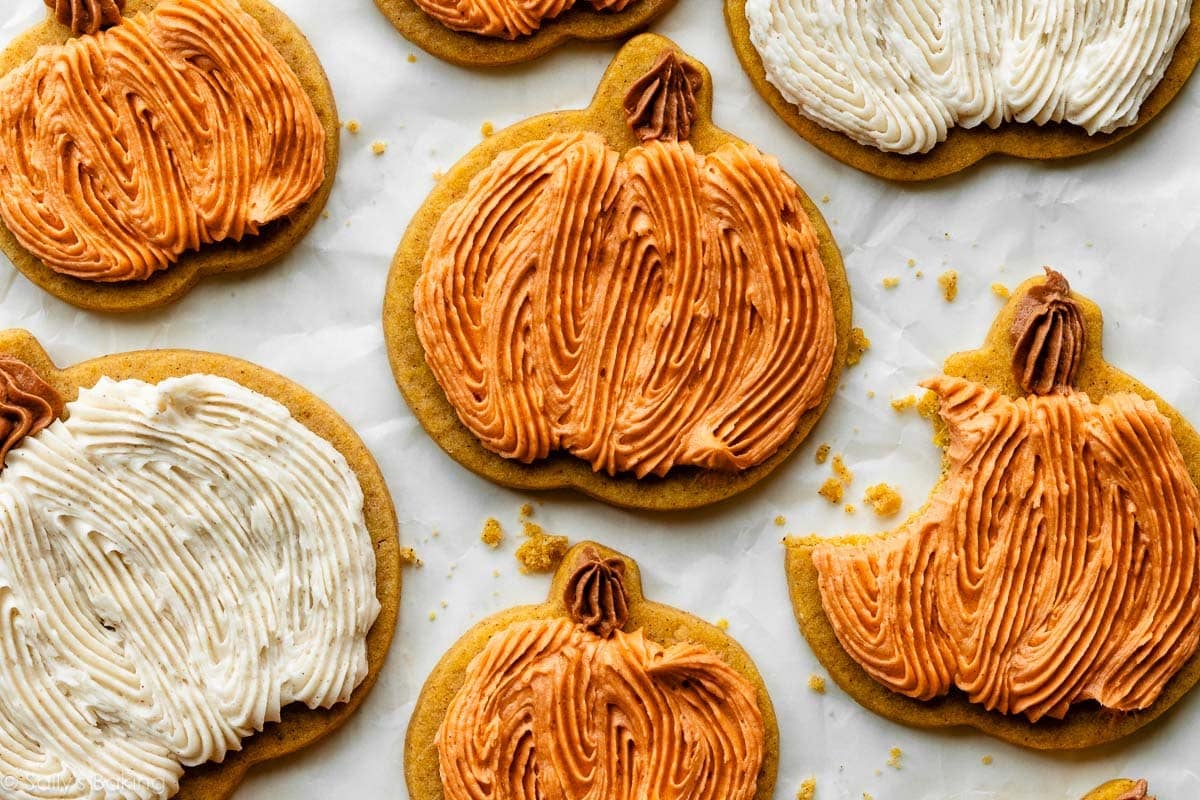
Historical Context and Culinary Innovation
The tradition of the sugar cookie, known for its versatility as a blank canvas for artistic expression, has evolved significantly since its origins. Historically, traditional sugar cookies rely on a balance of butter, sugar, flour, and eggs to achieve a crisp yet tender texture. However, the introduction of pumpkin puree—which consists of approximately 90% water—often compromises the chemistry of the dough, leading to excessive spreading during the baking process and a loss of definition in shaped cookies.
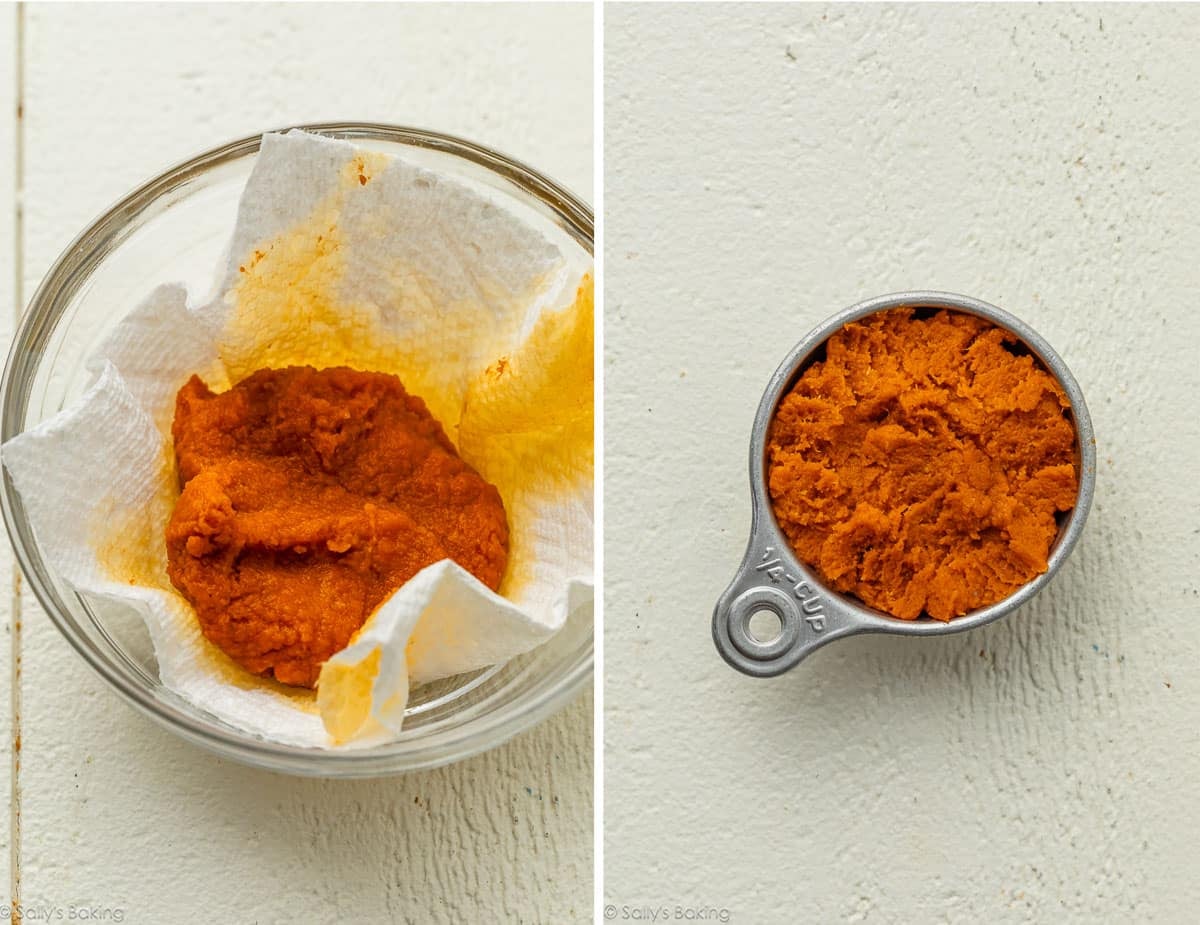
In recent baking science research, the application of "blotting" or moisture extraction has emerged as a critical step in professional-grade cookie production. By utilizing absorbent materials to remove excess liquid from the pumpkin puree, the ratio of dry to wet ingredients remains consistent with standard cookie dough formulas. This innovation allows for the inclusion of authentic pumpkin flavor without sacrificing the structural requirements for intricate cut-out designs, such as leaves, acorns, and seasonal motifs.
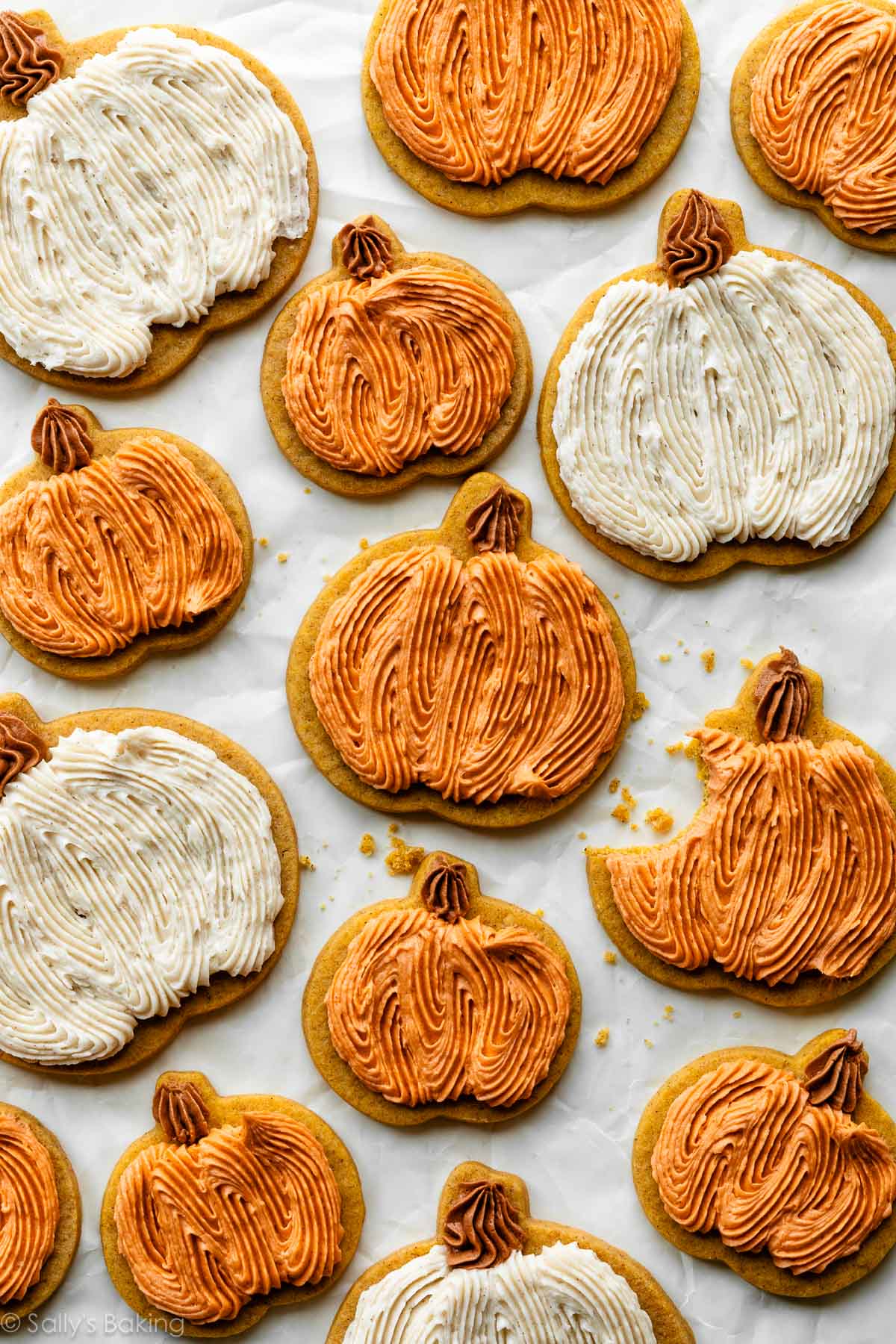
Chronology of Recipe Development
The development of these specialized pumpkin sugar cookies follows a multi-stage process designed to ensure both flavor and stability. The timeline for a successful batch is as follows:
- Moisture Mitigation: The process begins with the preparation of the pumpkin, where the puree is carefully blotted to reach a condensed state.
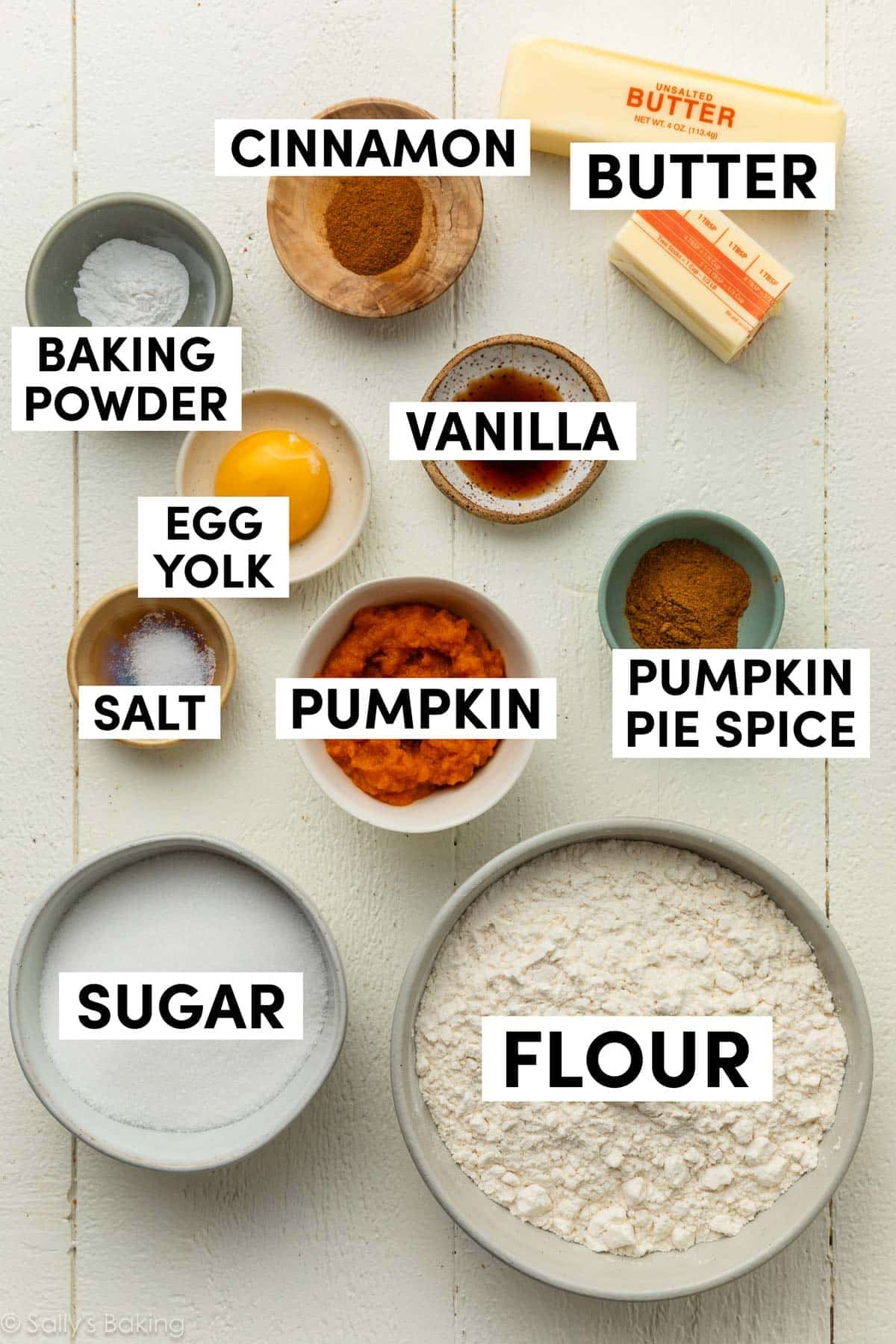
- Creaming Phase: The foundation of the cookie is built by creaming butter and sugar, a process that aerates the mixture and ensures a consistent crumb structure.
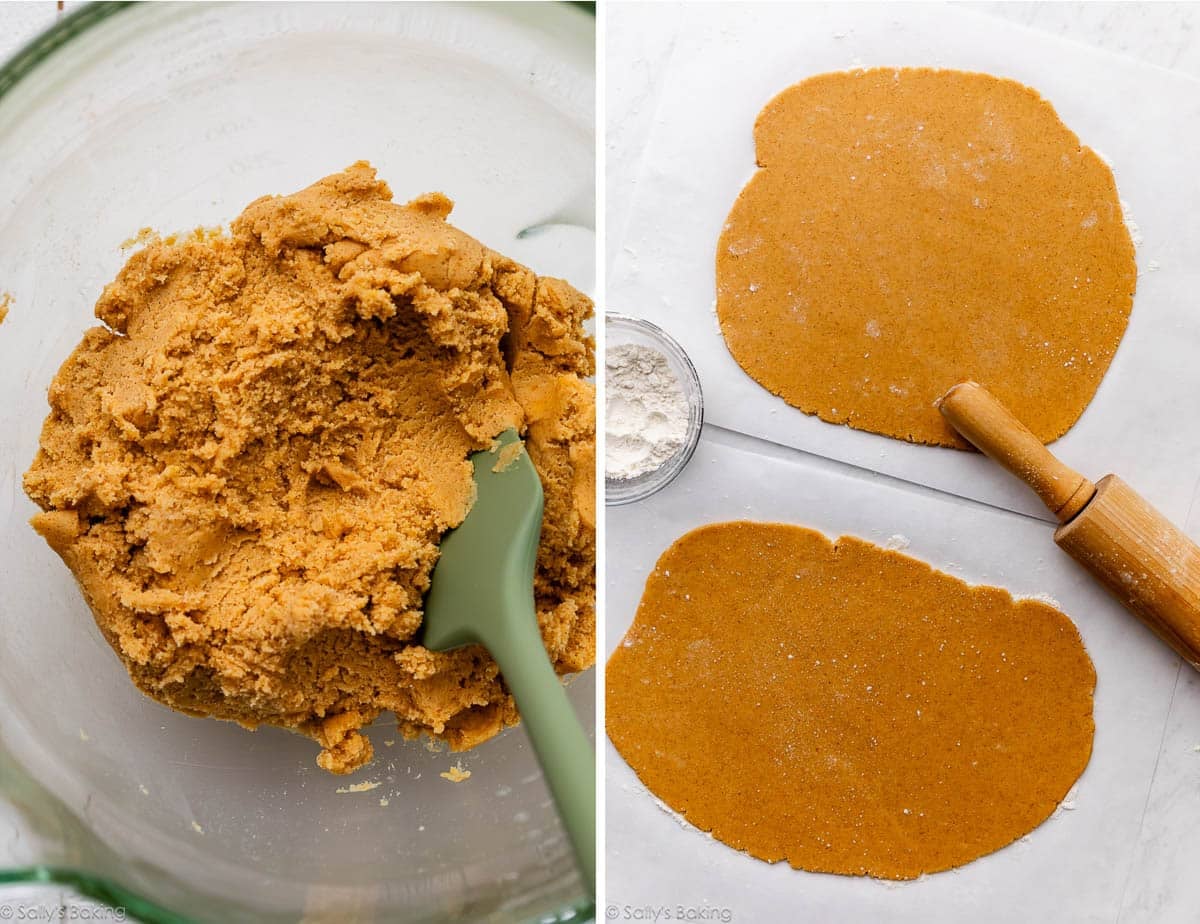
- Dough Preparation: Dry ingredients, including pumpkin pie spice, are incorporated, followed by the blotted pumpkin.
- Structural Chilling: A mandatory refrigeration period of at least two hours—and up to 48 hours—is required. This stage is critical; it allows the fats in the dough to re-solidify, which prevents the cookies from losing their shape when exposed to the heat of the oven.
- Precision Baking: The cookies are baked until the edges reach a set state while the centers remain soft, preventing the dryness associated with over-baking.
Supporting Data and Chemical Analysis
From a culinary science perspective, the interaction between pumpkin puree and wheat flour is a matter of hydration levels. According to baking industry standards, if the hydration level in a cookie dough is too high, the starch molecules in the flour do not set correctly, leading to a "cakier" texture that lacks the sharp definition required for decorative purposes.
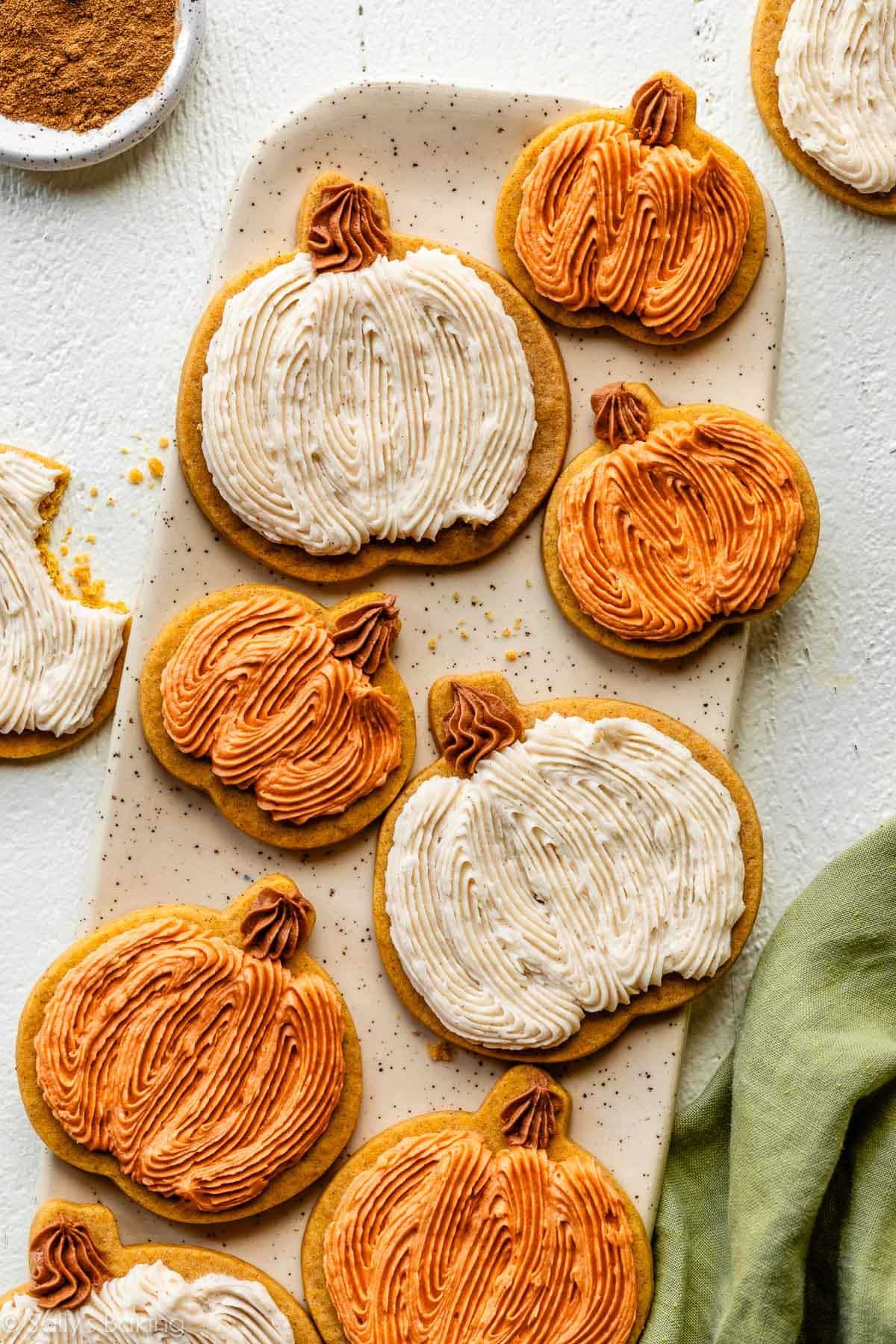
Data suggests that by removing approximately 15% to 20% of the moisture from the pumpkin puree, bakers can achieve a dough that is functionally identical to a classic butter cookie. Furthermore, the addition of pumpkin pie spice—a blend typically composed of cinnamon, ginger, nutmeg, and cloves—not only provides the expected flavor profile but also influences the Maillard reaction, contributing to the golden-brown coloration and the aromatic appeal of the finished product.
Industry and Expert Perspectives
Industry experts in the baking community have noted that the "pumpkin spice" phenomenon is not merely a passing trend but a staple of the $600 million annual pumpkin-flavored product market. Professionals often emphasize that the success of such seasonal products relies on the balance between aesthetic appeal and taste.
"The challenge with seasonal flavors is often the moisture content," says a spokesperson for the Culinary Institute of Baking. "When you introduce a fresh produce element into a shelf-stable or structural cookie dough, you are fighting against the natural chemistry of the fruit. The shift toward moisture-controlled preparation is a sophisticated approach that reflects a more professional standard in home kitchens."
Broader Impact and Market Implications
The rise of such recipes indicates a broader trend in the home baking sector: the demand for "elevated" versions of classic comfort foods. As consumers seek to recreate bakery-quality results at home, the accessibility of techniques once reserved for professional pastry chefs is increasing.
This trend has implications for both ingredient suppliers and home appliance manufacturers. The popularity of specific cookie cutter designs, particularly those with intricate details, requires a dough that is highly resilient. When consumers successfully use these tools, it reinforces the demand for specialized bakeware and high-quality raw ingredients, such as premium spices and unbleached flours.
Conclusion: Future Trends in Seasonal Baking
The ongoing refinement of recipes like the pumpkin sugar cookie highlights the intersection of tradition and innovation. By applying rigorous scientific principles to home baking, creators are ensuring that seasonal traditions—such as decorating cookies for the autumn months—can be executed with greater precision and higher quality.
As the market continues to expand, it is likely that similar methodologies will be applied to other high-moisture seasonal ingredients, such as apple purees or berries, further diversifying the landscape of holiday baking. The success of this specific recipe serves as a case study for how simple, data-driven modifications can resolve significant technical challenges in the kitchen, ensuring that the final output meets the expectations of both the creator and the consumer.
