
The culinary landscape of the modern breakfast has undergone a significant transformation, shifting from the utilitarian quick-fix of the mid-20th century to a sophisticated category that commands premium pricing in urban dining hubs. As the cost of dining out continues to climb, with many metropolitan brunch entrees now exceeding $20, home cooks are increasingly seeking professional-grade techniques to replicate high-end restaurant quality in their own kitchens. Among the most accessible yet transformative methods gaining traction among culinary professionals is the integration of Boursin—a soft, cow’s milk cheese—into the traditional scrambled egg preparation.
The Evolution of the Scrambled Egg
Scrambled eggs, while seemingly simple, have long been a barometer of a chef’s technical proficiency. The French tradition of oeufs brouillés emphasizes a slow-cooked, custard-like texture, a stark departure from the firmer, drier "American-style" scramble often found in mass-market settings. The historical use of butter and heavy cream in French kitchens provided the necessary fat to stabilize egg proteins, preventing them from seizing and becoming rubbery.
Boursin cheese, developed in 1957 by François Boursin in Normandy, France, represents a shift in how dairy is utilized in breakfast cookery. Historically a spreadable cheese infused with garlic and fines herbes, it was originally intended for appetizers or cheese boards. However, its composition—a high-fat, stabilized curd—makes it an ideal emulsifier for eggs. When introduced to the pan at the precise temperature threshold, the cheese acts as a finishing agent that prevents the eggs from overcooking, effectively "locking in" moisture and providing a complex flavor profile that requires no additional seasoning.
Technical Methodology: The Science of the Curd
To understand why this method succeeds, one must analyze the protein structure of the egg. Eggs are comprised of proteins that, when heated, unfold and bond to form a network that traps water. If heat is applied too rapidly or too intensely, these proteins bond too tightly, squeezing out the liquid moisture—a process known as syneresis.
Professional chefs utilize a "low and slow" approach to mitigate this. By maintaining a temperature below the boiling point of water, the protein network remains loose and hydrated. The addition of Boursin at the final stage of cooking serves two purposes. First, it introduces additional milk fats that coat the proteins, further inhibiting the formation of tough bonds. Second, because Boursin is pre-seasoned with garlic, parsley, and chives, it provides a uniform flavor distribution that is difficult to achieve with dry seasonings alone.
Essential Equipment and Preparation
Achieving the $20-brunch result requires specific equipment, according to industry standards. A nonstick skillet is widely considered the most effective vessel for this process. The surface area allows for even heat distribution, while the nonstick coating ensures the delicate egg-cheese emulsion does not adhere to the metal.
The use of a silicone spatula is a non-negotiable requirement in this context. Unlike metal or wooden utensils, a silicone spatula provides a degree of flexibility that allows the cook to scrape the entirety of the pan’s surface, including the curved edges, ensuring that no egg remains in contact with the direct heat source for too long.
The recommended chronology for this preparation is as follows:
- The Beat: Whisk eggs thoroughly in a separate bowl until the whites and yolks are fully integrated.
- The Tempering: Heat a small knob of unsalted butter over medium-low heat until it foams.
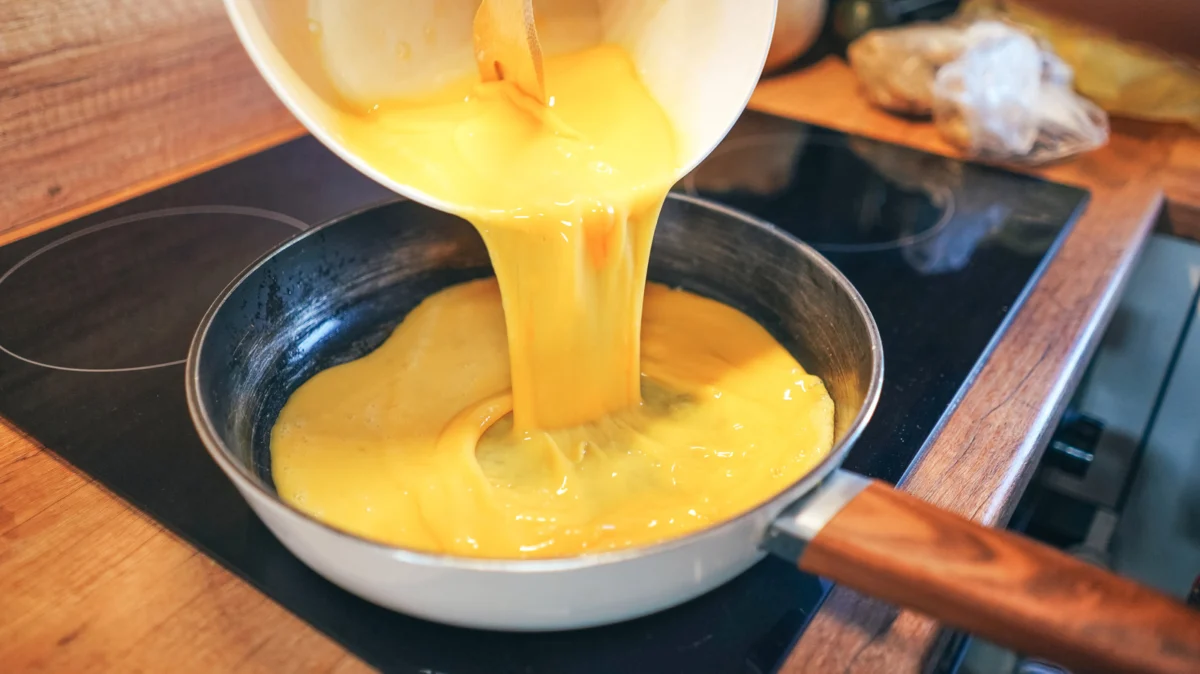
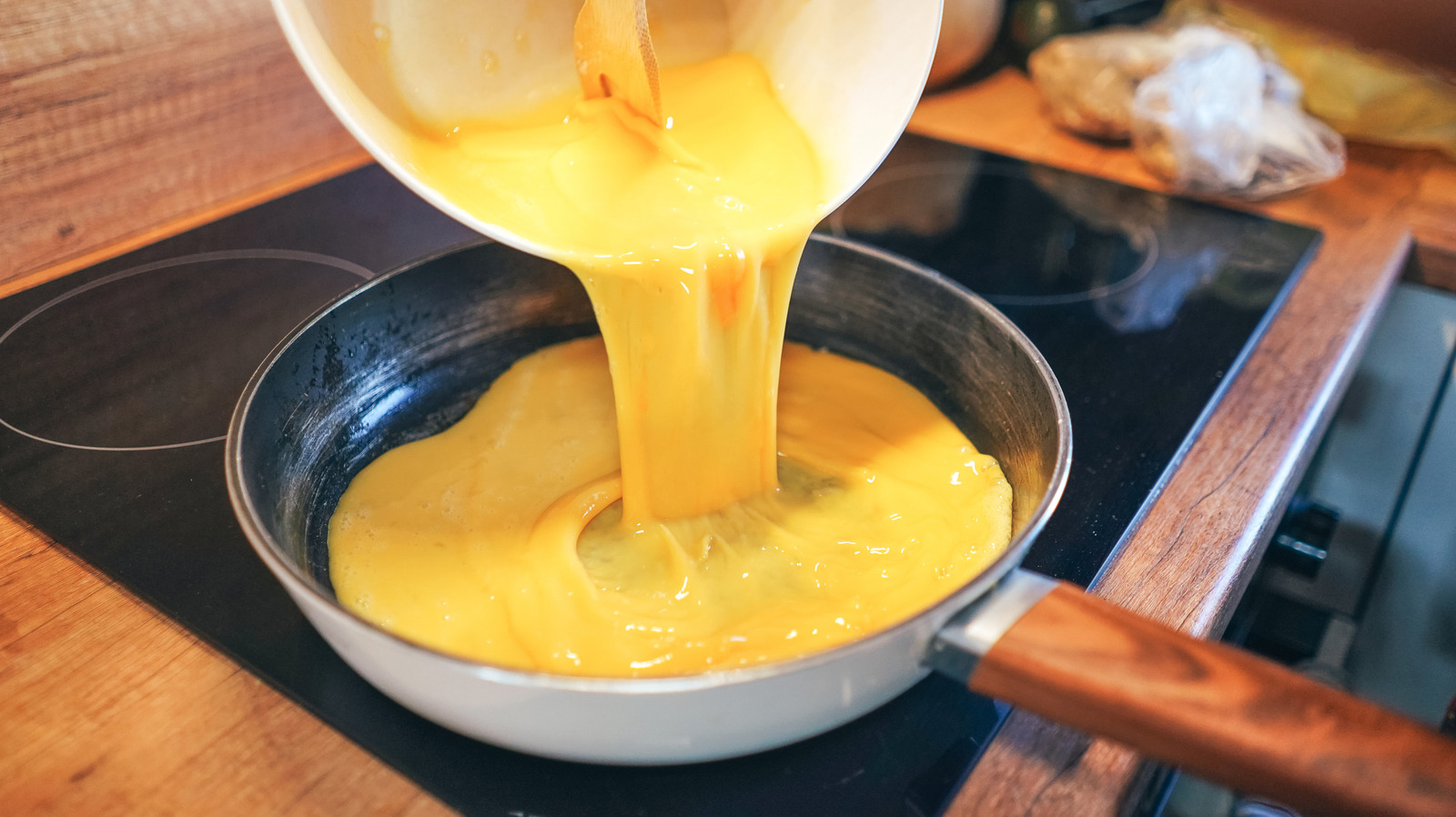
- The Initial Set: Add the eggs. As they begin to coagulate, use the silicone spatula to constantly stir, creating small, delicate curds.
- The Integration: When the eggs are roughly 80% set, introduce small, chilled dollops of Boursin.
- The Residual Carryover: Remove the pan from the heat while the eggs appear slightly "wet." The residual heat will continue to cook the mixture to the perfect consistency during the plating process.
Economic and Culinary Implications
The rise of "at-home luxury" is a direct response to current economic pressures in the hospitality sector. According to recent data from the Bureau of Labor Statistics, the cost of food away from home has seen sustained inflation over the past 24 months. For consumers, the ability to produce a dish that mirrors a $20 restaurant scramble using an ingredient that typically costs less than $6 per package represents a significant value proposition.
Beyond the cost, this method reflects a broader trend in home cooking: the "hack" culture. By utilizing high-quality, pre-seasoned ingredients to shortcut complex culinary processes, home cooks can achieve consistent, restaurant-level results with minimal risk of error. The Boursin method removes the need for individual herb chopping or complex butter-emulsification techniques, streamlining the breakfast routine without sacrificing the sensory experience.
Expert Perspectives on Flavor Profiles
While the original Garlic and Fine Herbs flavor remains the gold standard for this technique, market research indicates that consumers are experimenting with the brand’s broader portfolio, including Shallot and Chive or Cracked Black Pepper varieties. Culinary analysts note that the cheese’s high salt content necessitates a shift in how the home cook approaches the final seasoning of the dish.
"The biggest mistake a home cook can make when using Boursin is to pre-salt the eggs as they would with a traditional scramble," says a noted industry consultant. "The cheese is already seasoned. The objective is to balance the richness of the dairy with the acidity of fresh chives or the bite of freshly cracked black pepper upon plating, rather than adding more sodium during the cooking phase."
Broader Impact on Brunch Culture
The adoption of such techniques suggests a shift in the standard expectation of what constitutes a "home-cooked" meal. As digital platforms provide near-instant access to professional techniques, the barrier to entry for gourmet-style cooking continues to lower. The result is a more informed consumer base that values the quality of ingredients—such as high-fat butter, farm-fresh eggs, and artisanal cheeses—over complex, time-consuming preparation methods.
Ultimately, the transformation of the humble scrambled egg into a dish worthy of a premium brunch menu is not merely a matter of adding a new ingredient. It is an exercise in heat management, timing, and an understanding of chemical interactions within the pan. By focusing on the interplay between the moisture-retaining properties of the cheese and the delicate coagulation of the egg, the home cook can elevate the most basic of staples into a refined, professional-standard experience. As this method continues to circulate through food media and digital networks, it serves as a case study in how simple, high-quality components can fundamentally alter the domestic culinary experience.
