
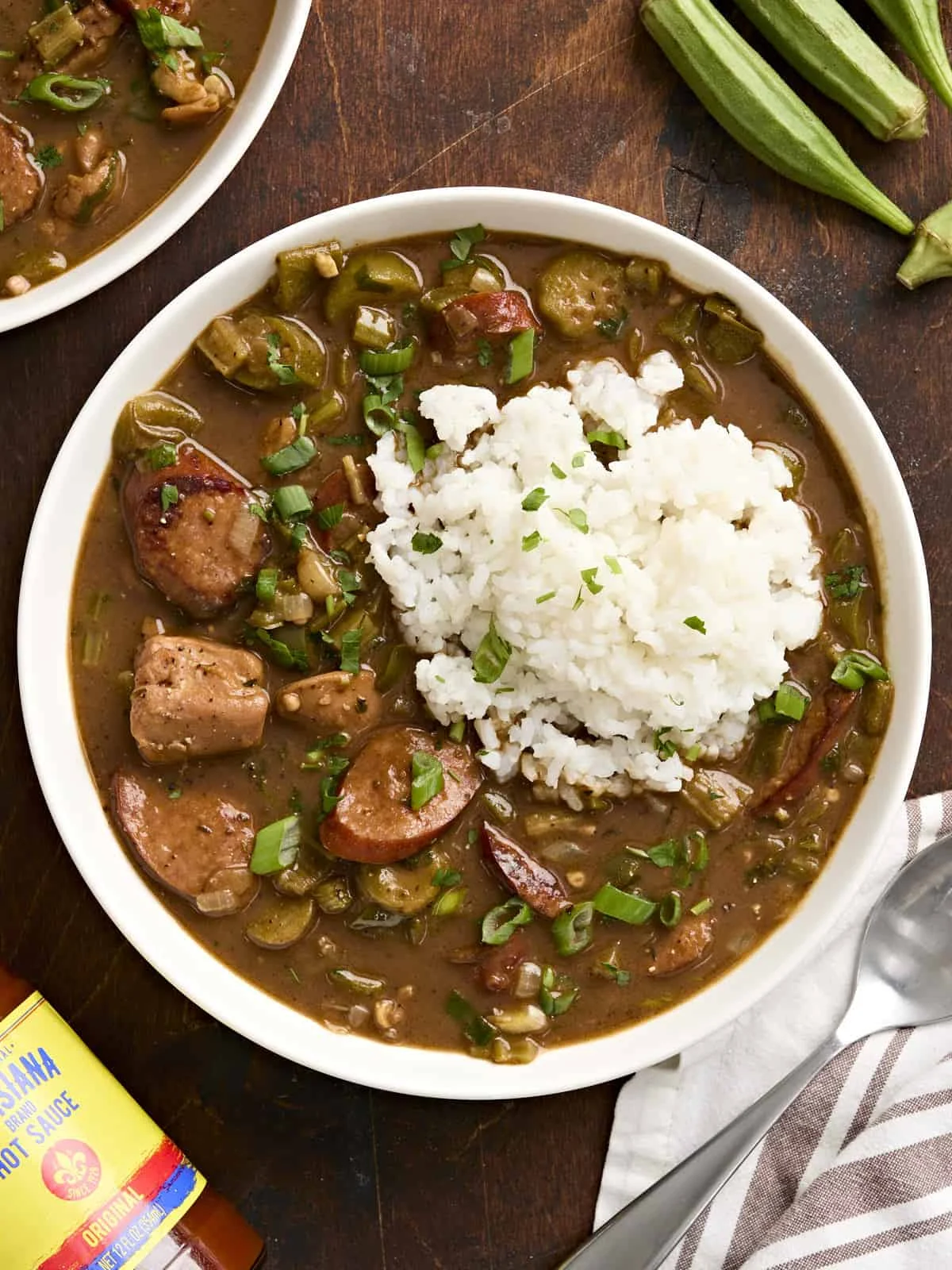
The culinary landscape of the American South is defined by few dishes as culturally significant and technically demanding as gumbo. While recipes vary significantly across households, the fundamental components remain consistent: a deep, flour-and-oil-based roux, the "holy trinity" of aromatics, and a protein-heavy stew base. Recent culinary developments, particularly those emerging from test kitchen environments like the one in Nashville, have sought to democratize this complex dish, providing a roadmap that balances historical authenticity with modern economic realities.
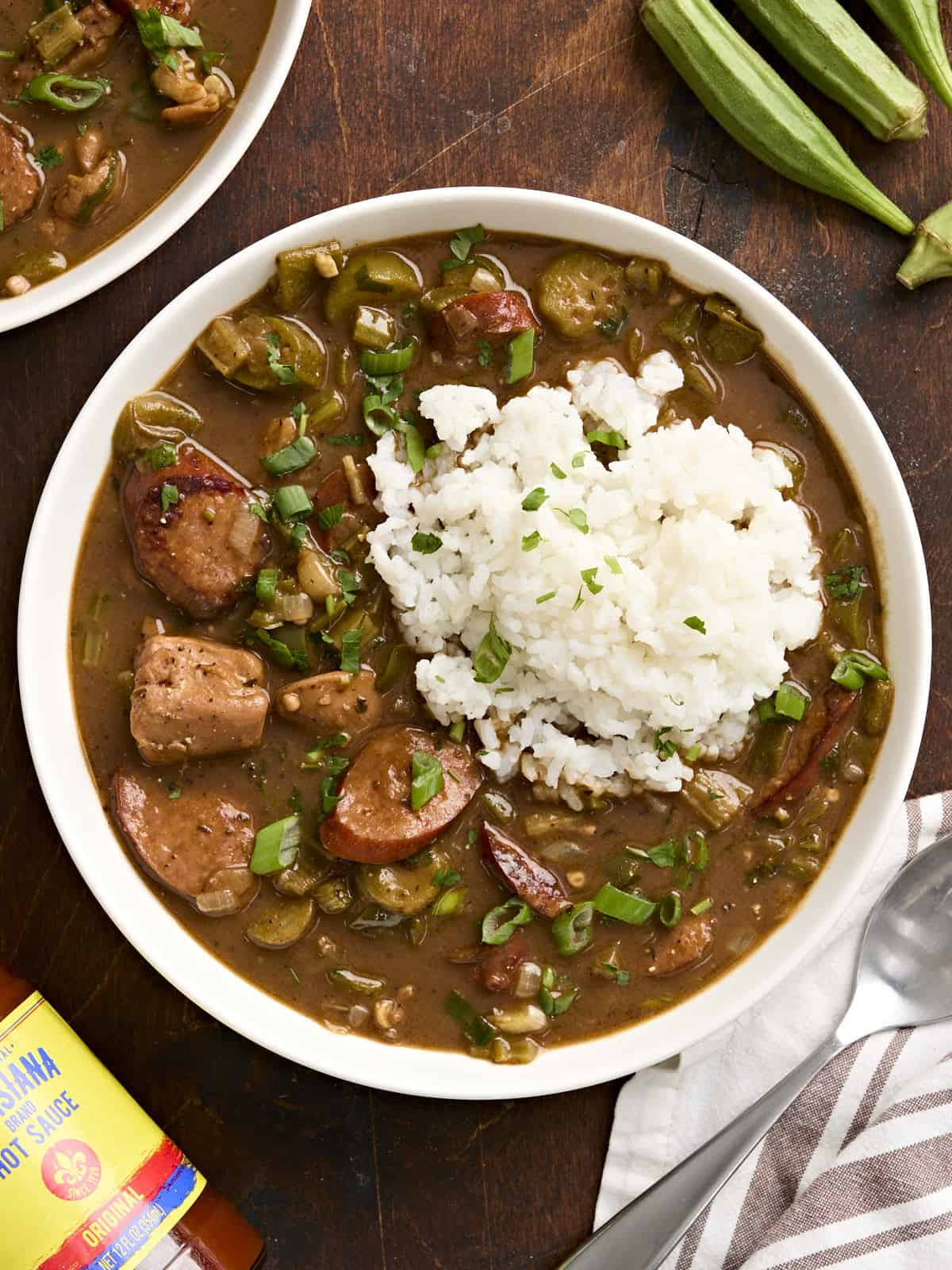
The Anatomy of an Authentic Gumbo
At its core, gumbo is a historical tapestry of West African, French, and Choctaw influences. The word itself is derived from the West African word for okra, ki ngombo. When combined with the French influence of the roux and the indigenous practice of using filé powder (ground sassafras leaves), the dish represents a confluence of cultures that emerged in the bayous of Louisiana during the 18th century.
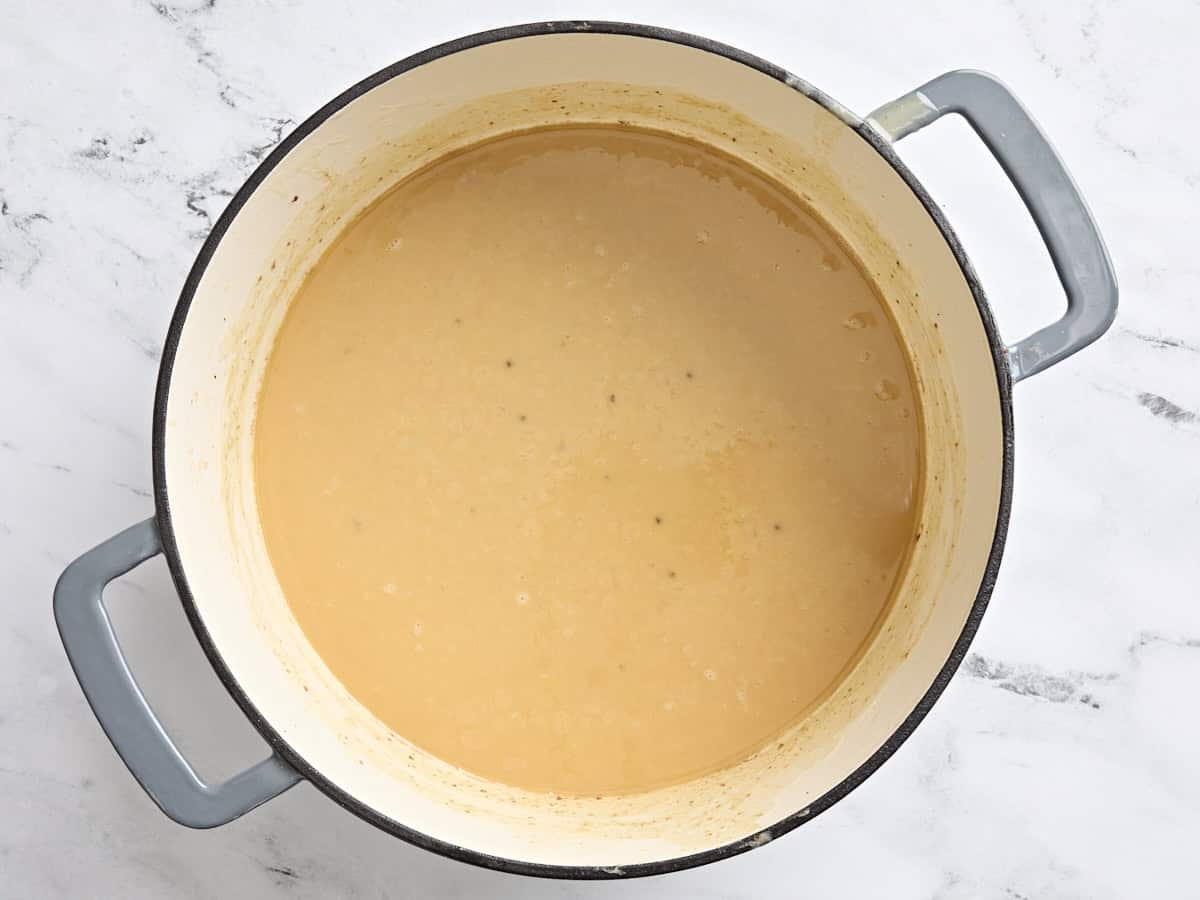
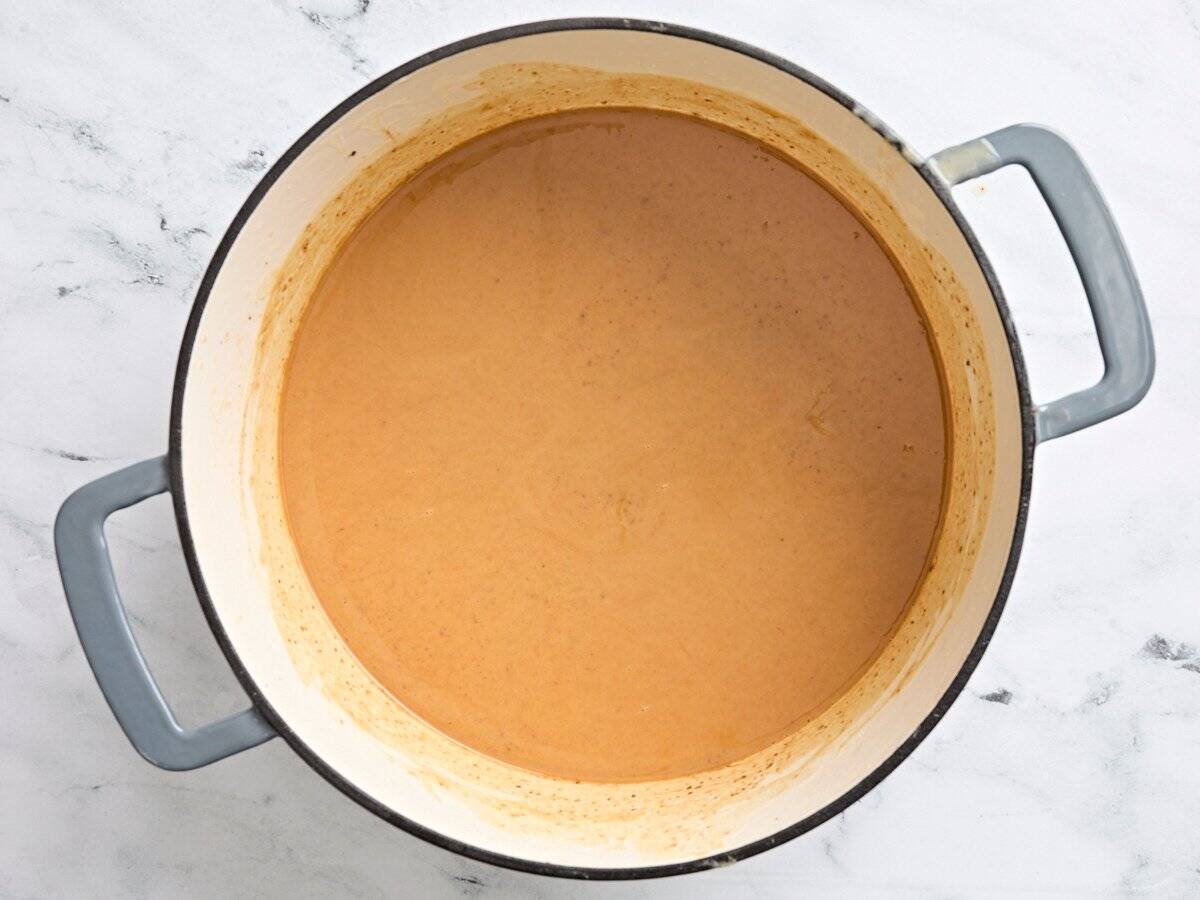
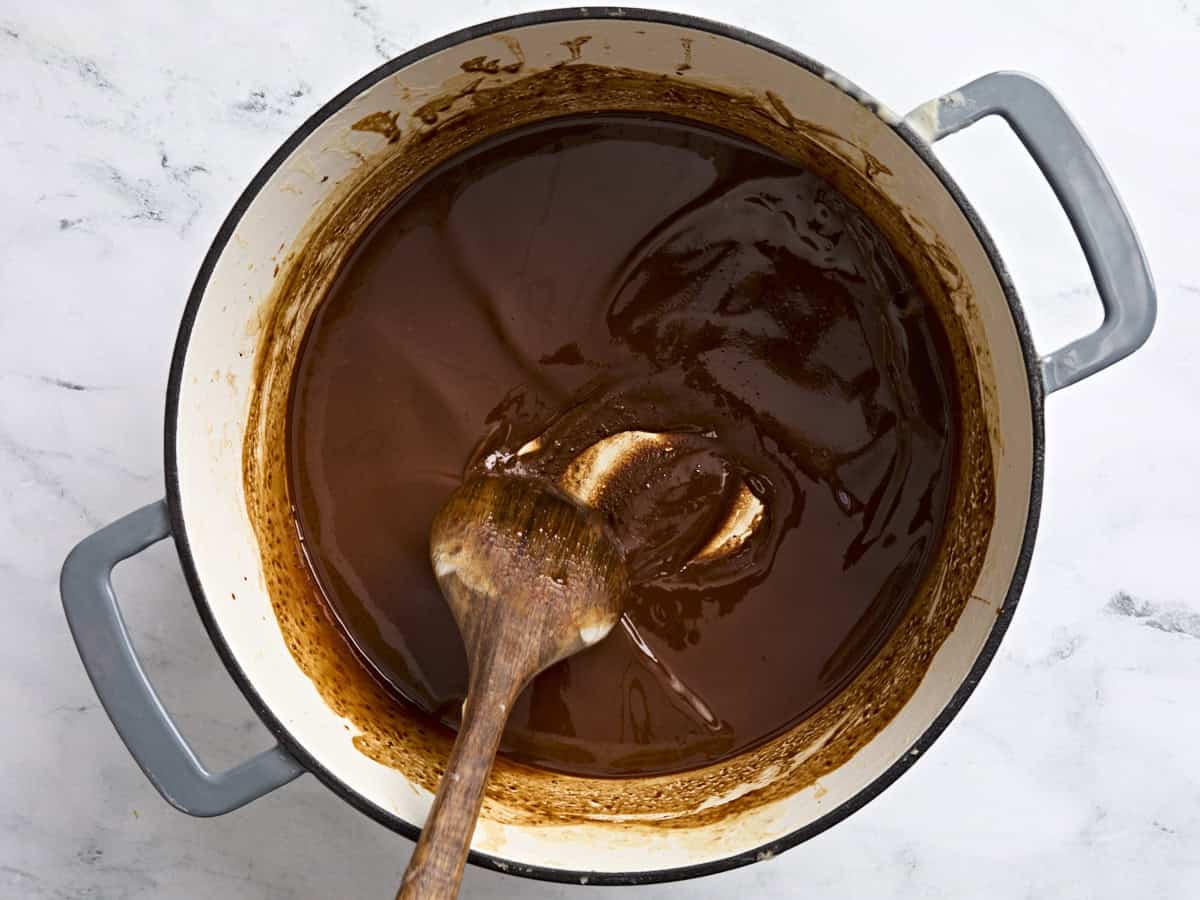
Professional chefs and home cooks alike identify the roux as the technical cornerstone of the stew. Unlike a standard thickening agent used in European cooking, a gumbo roux is cooked for an extended period—often two hours or more—until it reaches a dark, chocolate-brown consistency. This stage is critical; it is here that the flour loses its raw starchiness and gains a toasted, nutty flavor profile that serves as the foundation for the entire dish.
Economic Implications of Traditional Ingredients
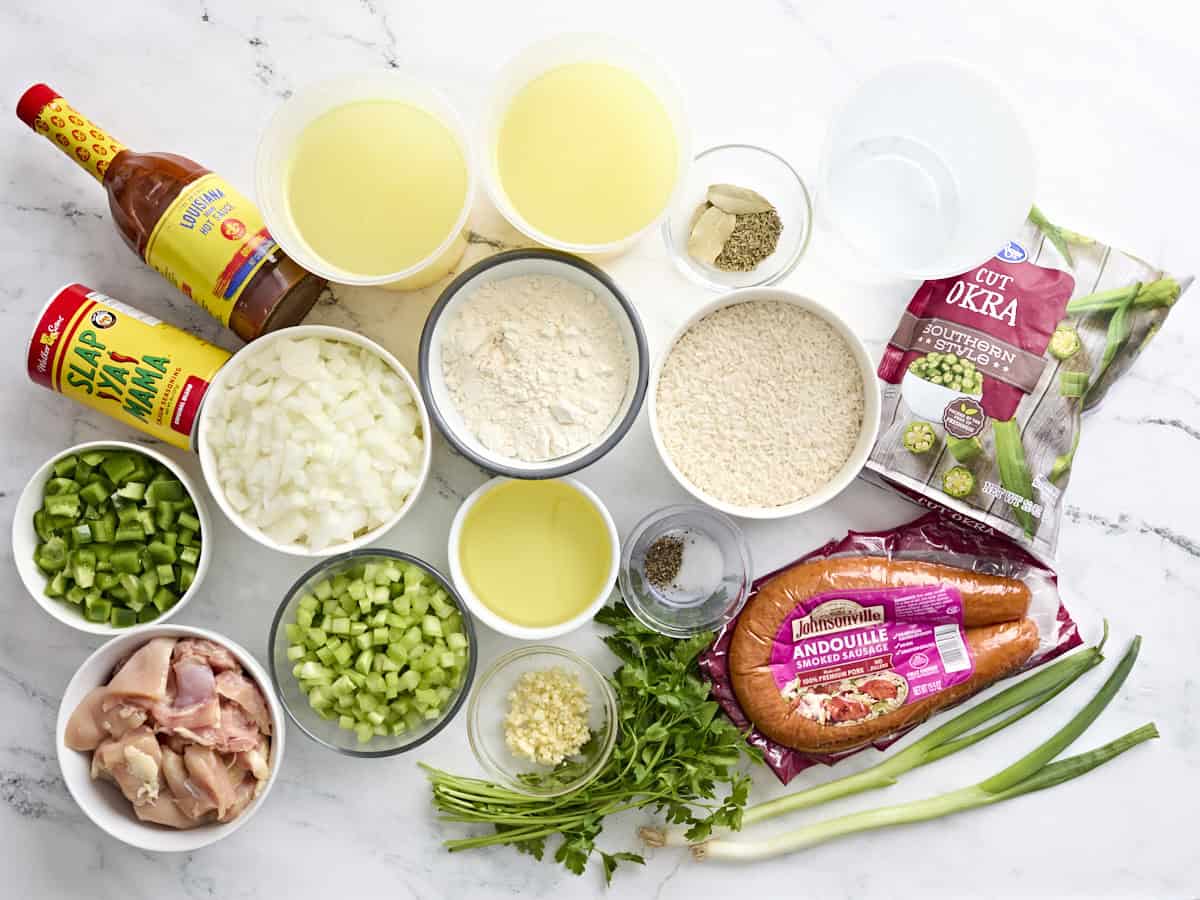
In the current economic climate, the cost of protein and high-quality aromatics has prompted a shift in how traditional dishes are prepared. By utilizing chicken thighs—which offer higher fat content and flavor retention during long simmers—and balancing them with andouille sausage, cooks can achieve a depth of flavor that rivals expensive restaurant-grade versions.
Data from recent test kitchen trials indicates that a standard batch of gumbo serving eight people can be produced for approximately $15.06, or $1.88 per serving. This cost-effectiveness is achieved through the strategic use of pantry staples like dried thyme, bay leaves, and cost-efficient bouillon bases to replace high-cost pre-made stocks. Furthermore, the substitution of frozen okra for fresh, depending on seasonal availability, does not statistically degrade the final quality of the stew, providing a viable option for year-round preparation.
Technical Chronology and Execution
The preparation of a successful gumbo requires a disciplined approach to timing and heat management. A standard production timeline includes:
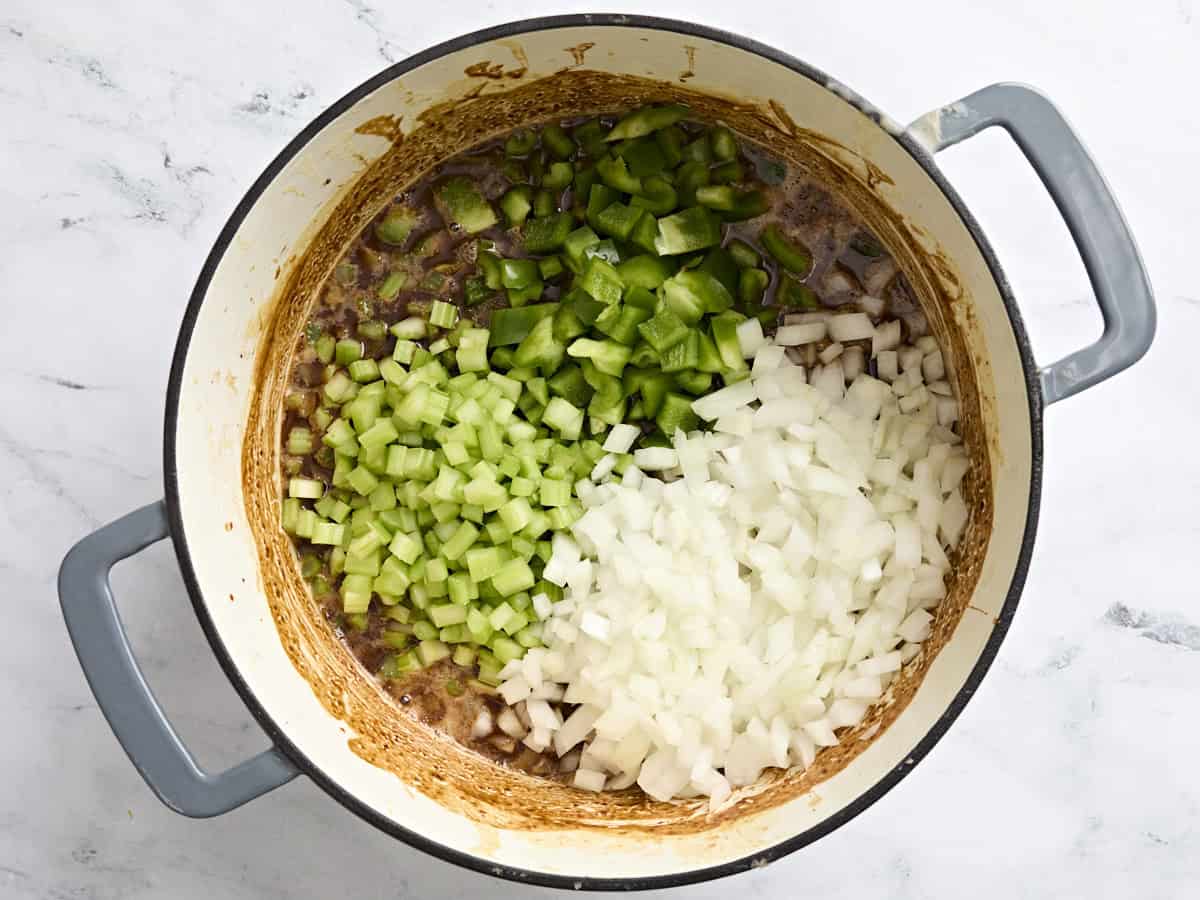
- Preparation (Minutes 0–30): Dicing the holy trinity—bell peppers, yellow onions, and celery—and preparing the chicken thighs with a dry rub of Cajun or Creole seasoning.
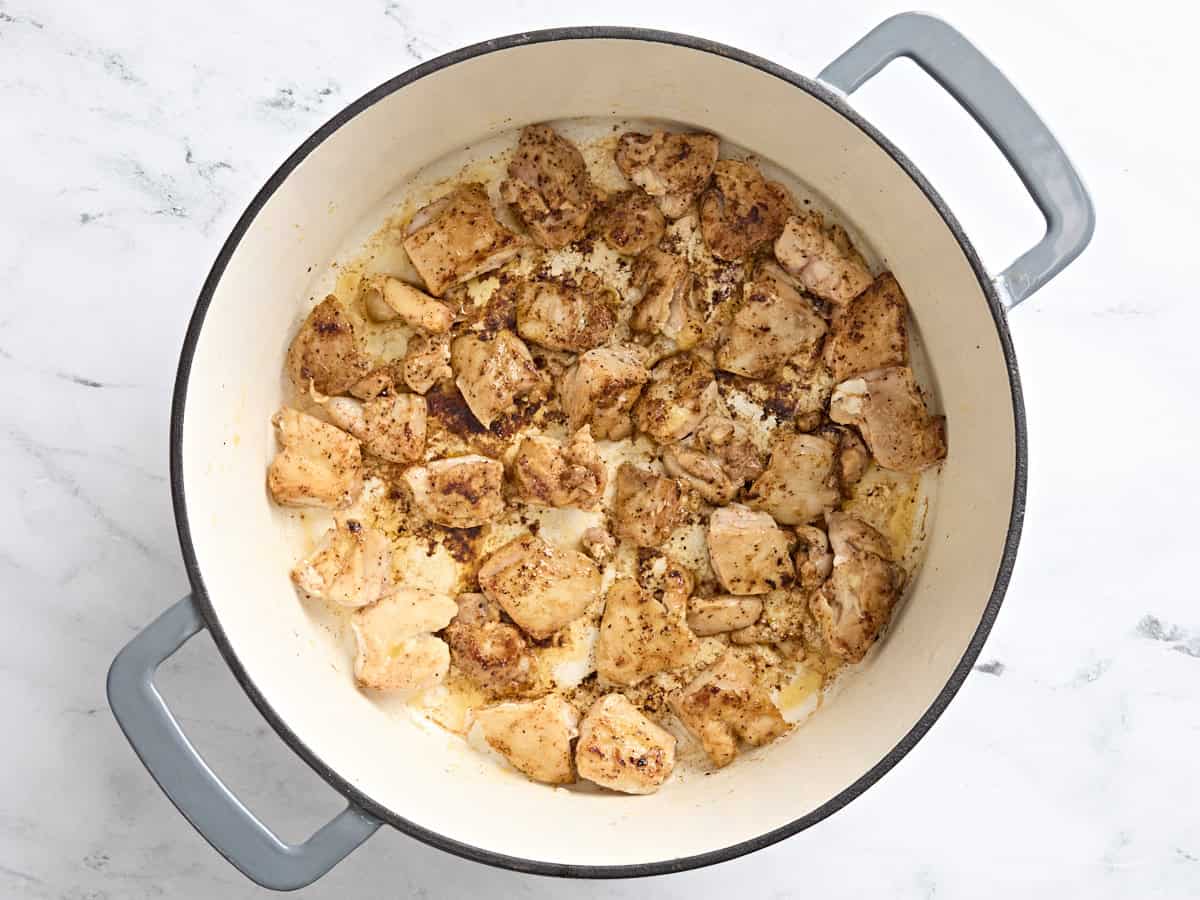
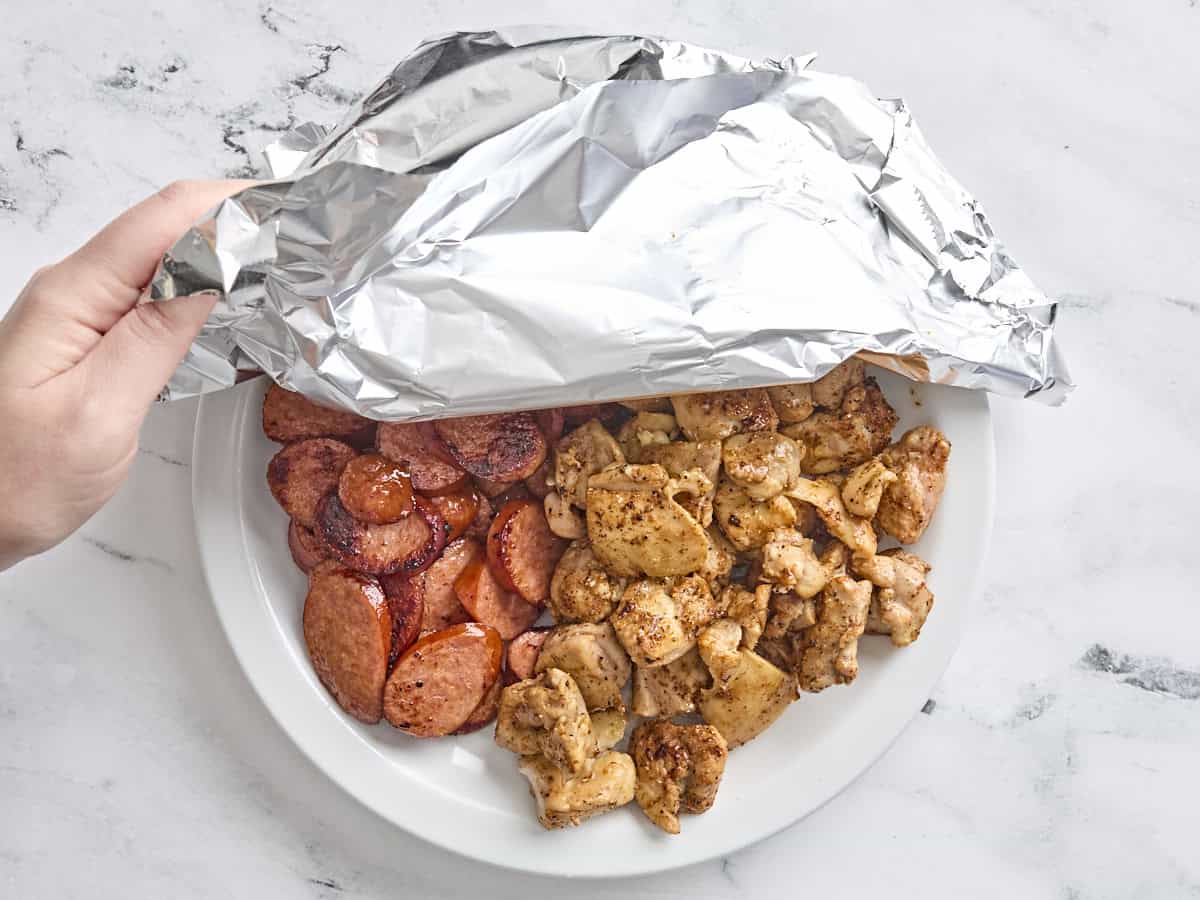
- Searing (Minutes 30–45): Browning the andouille sausage and seasoned chicken in a heavy-bottomed skillet or Dutch oven to render the fats, which will eventually be incorporated into the roux.
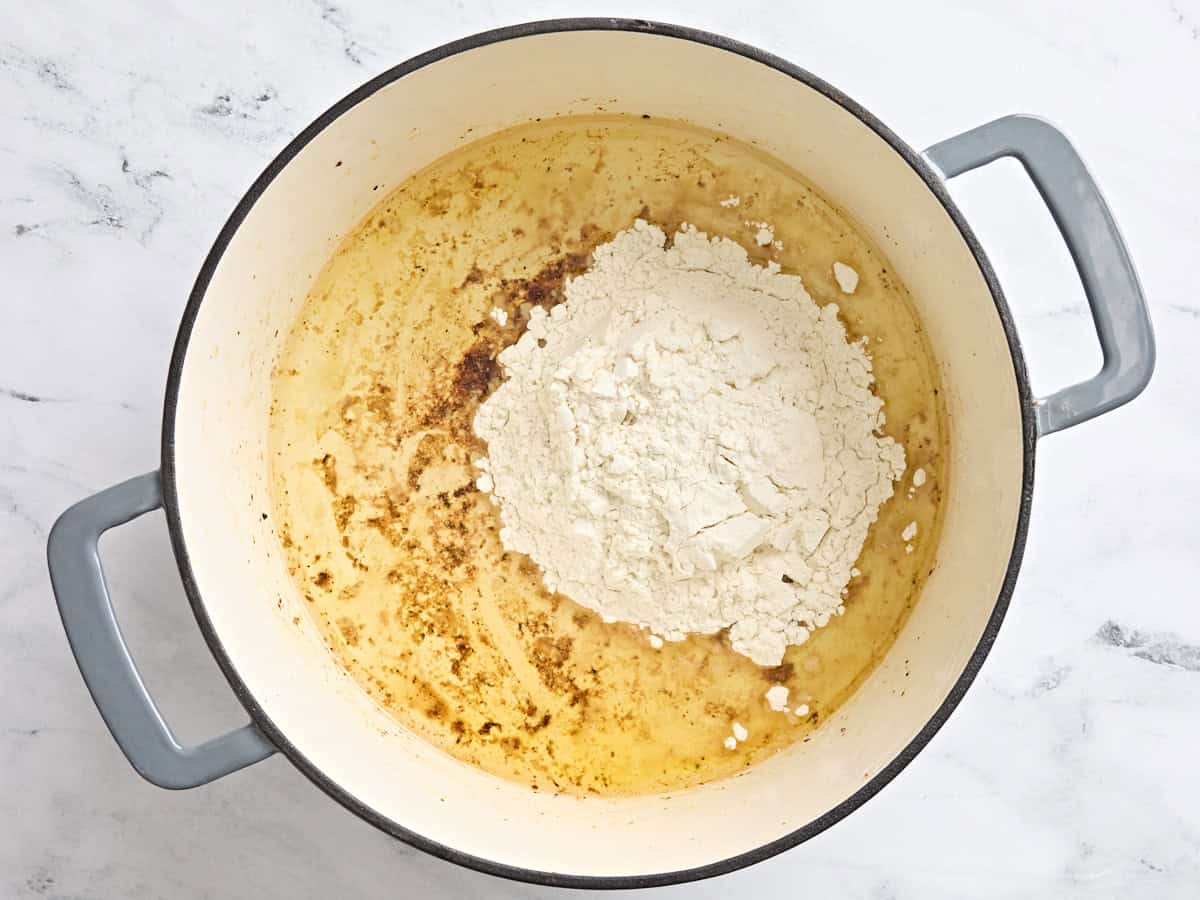
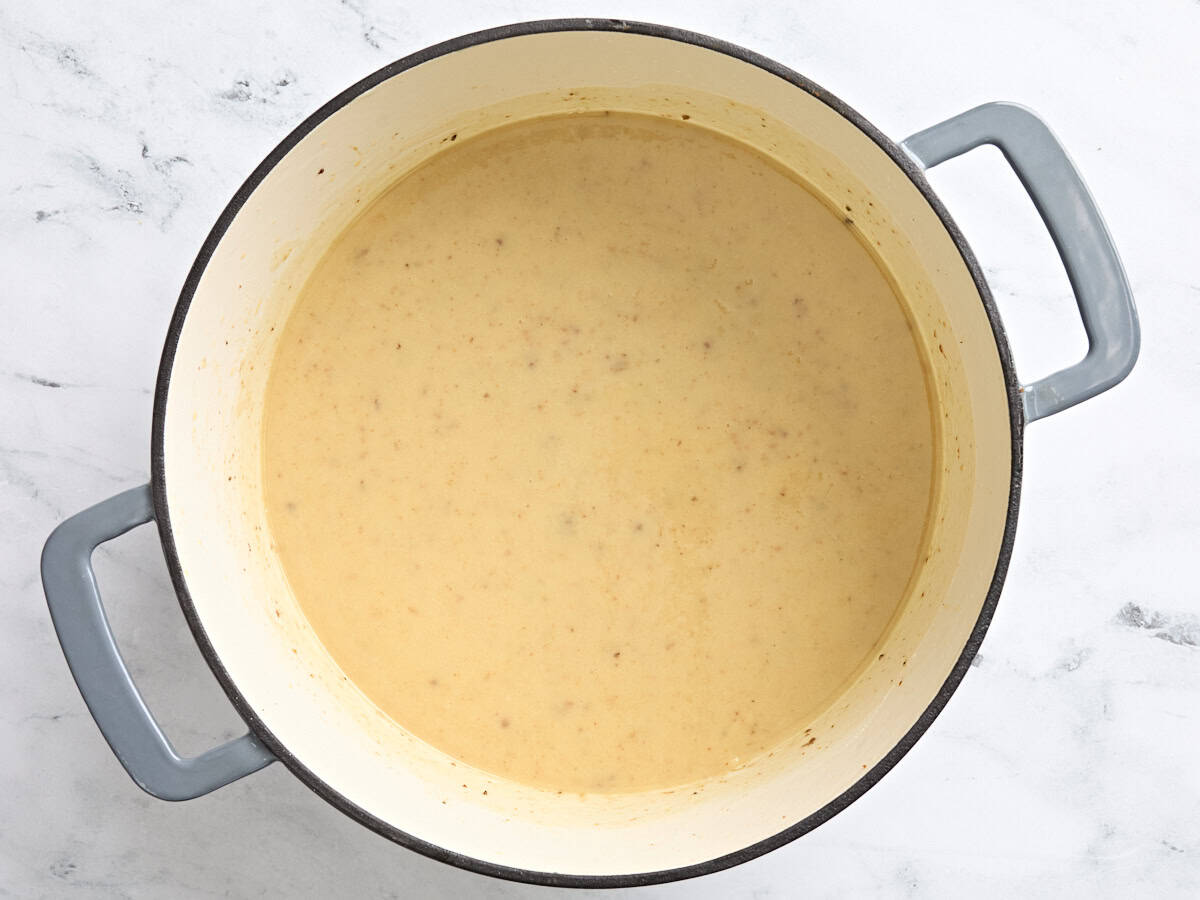
- The Roux (Minutes 45–165): The most labor-intensive phase. Using a ratio of equal parts oil and flour, the mixture is stirred continuously over medium-low heat. The transition from a pale blonde color to a deep, dark brown is a chemical process that cannot be rushed.
- Aromatic Integration (Minutes 165–170): Adding the vegetables to the hot roux stops the cooking process and softens the aromatics, creating the base flavor profile.
- Simmering (Minutes 170–200): Combining the meats, broth, okra, and seasonings. The stew must reach a gentle boil before being reduced to a simmer to allow the proteins to tenderize and the flavors to emulsify.
- Finishing (Minutes 200–205): The final addition of fresh parsley, green onions, and hot sauce acts as a brightness contrast to the deep, heavy richness of the dark roux.
The Role of Seasoning and Customization
The debate over the "correct" seasoning for gumbo often centers on the distinction between Cajun and Creole variations. While Creole gumbo often incorporates tomatoes and a wider array of seafood, the Cajun version, which this recipe mirrors, focuses on the intensity of the browned meat and the darkness of the roux.
According to professional recipe developers, the use of commercial blends such as "Slap Ya Mama" or similar Creole seasoning salts is common, though they caution that home cooks should adjust for sodium levels. Since these blends are often salt-heavy, professional kitchens recommend adding supplemental salt only after the initial seasoning phase to avoid over-salting the broth.
Nutritional Considerations
Given the complexity and the richness of the roux, gumbo is a calorically dense dish. A single serving, including a standard portion of long-grain white rice, typically contains approximately 673 calories. The protein content, usually averaging 27 grams per serving, makes it a significant source of daily intake. However, the sodium content—averaging 1,280 milligrams per serving—is a point of note for those monitoring dietary restrictions. Utilizing low-sodium bouillon and fresh vegetables instead of canned can help mitigate these levels without sacrificing the essential profile of the dish.
Broader Cultural Impact and Preservation
The resurgence of interest in scratch-made gumbo signifies a broader trend in home cooking: the desire to reclaim "slow" food in an era of convenience. Food historians note that the labor required to make a proper roux serves as a ritual that connects the cook to the heritage of the dish.

Statements from culinary educators emphasize that gumbo is not merely a recipe but a flexible framework. The ability to swap ingredients based on budget—such as using chicken instead of more expensive shellfish, or frozen vegetables instead of fresh—allows the dish to remain accessible to all socioeconomic groups. This adaptability is the primary reason why gumbo remains a staple of Louisiana cuisine and a fixture in American culinary history.
Storage and Scalability
From a food safety and storage perspective, gumbo is noted for its ability to improve in flavor over time. As the starches from the okra and the flour-based roux continue to hydrate, the stew thickens and the spices permeate the proteins more deeply.
- Refrigeration: The dish is stable for 3–4 days when stored in an airtight container at or below 40°F (4°C).
- Freezing: Gumbo is highly resilient to freezing. When stored properly, it retains its structural integrity for up to three months. The most effective method for reheating is a slow, gradual increase in temperature on the stovetop, ensuring the bottom of the pot does not scorch.
Conclusion
The enduring popularity of gumbo lies in its balance of high-effort technique and low-cost ingredients. By prioritizing the patience required for a perfect roux and adhering to the foundational structure of the holy trinity, home cooks can replicate the complexity of traditional Louisiana stew. As food prices fluctuate and the culinary landscape continues to evolve, the ability to produce a hearty, nutrient-dense, and culturally rich meal for under $2 per serving remains a vital skill in the modern domestic kitchen. Whether prepared for a large gathering or for weekly meal prep, the process of making gumbo serves as an essential exercise in culinary fundamentals and a tribute to the deep-rooted traditions of the American South.
