
The Nutritional Profile and Composition
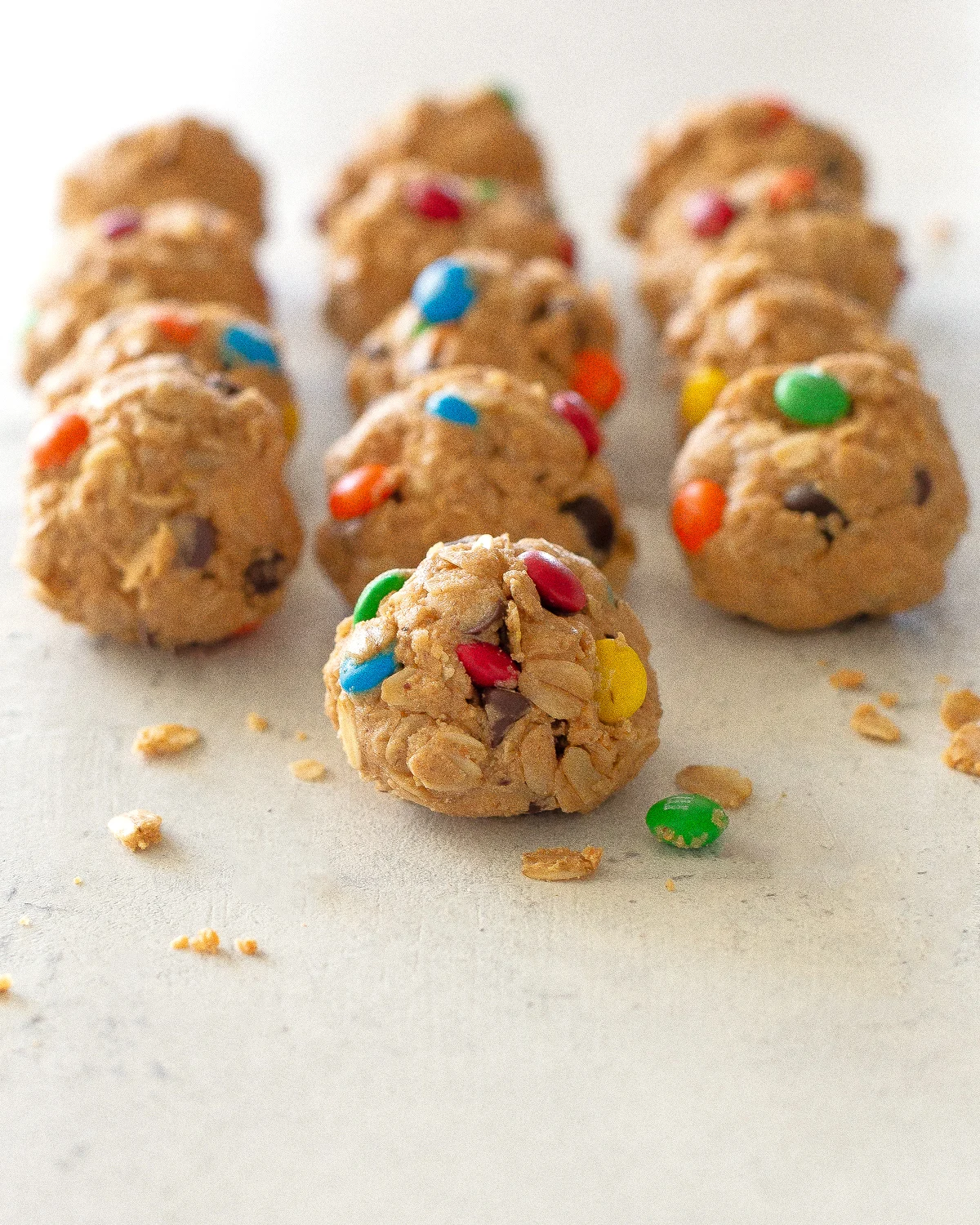
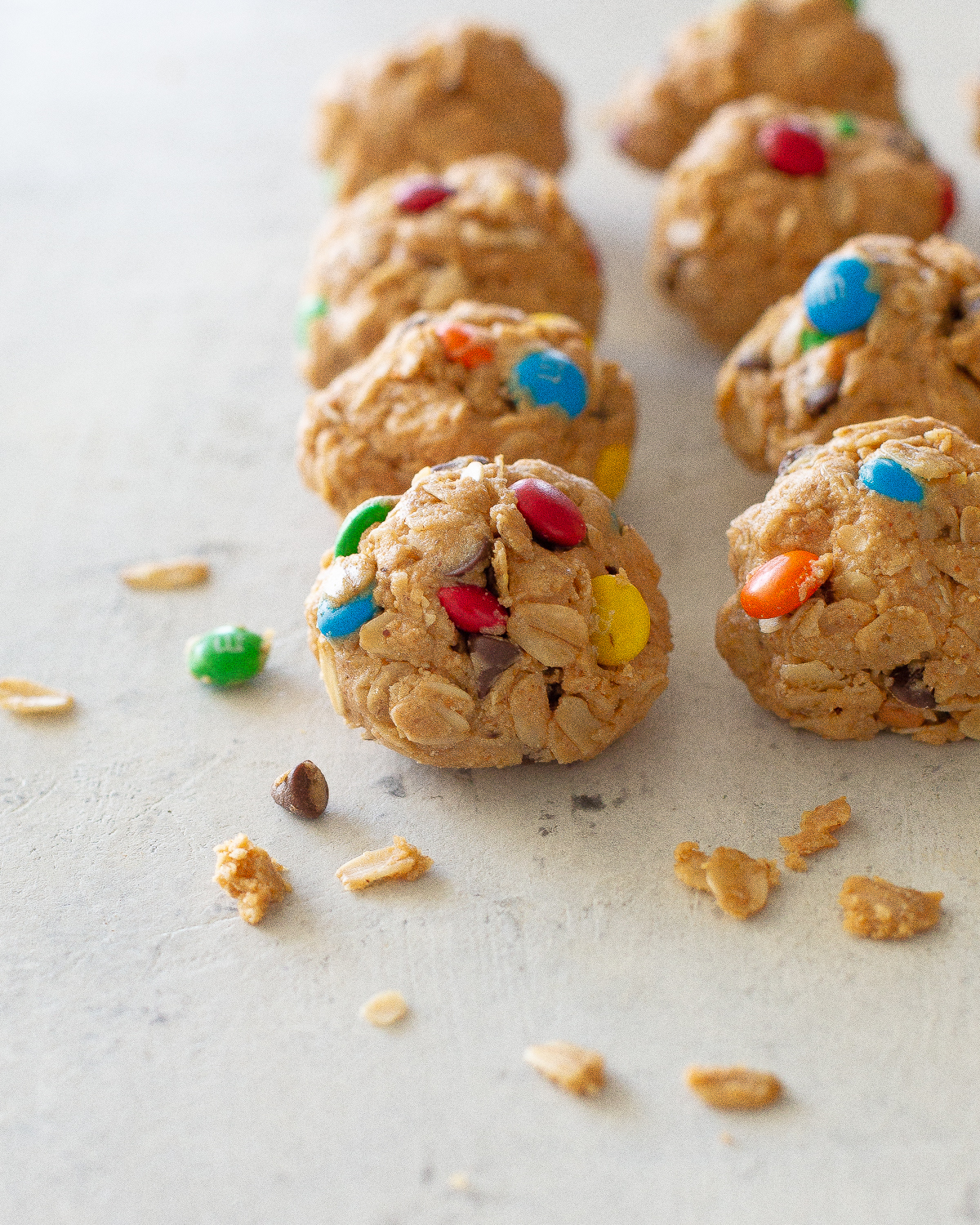
At their core, Monster Protein Balls are formulated to provide a balanced macro-nutrient profile. With approximately 129 calories per serving, the snack offers a measured combination of carbohydrates for immediate energy and protein to support satiety. A typical serving contains 4 grams of protein and 7 grams of fat, with a sodium content of 32 milligrams. This composition positions the snack as a mid-afternoon bridge for children returning from school or as a pre-workout supplement for athletes.
The efficacy of these bites relies heavily on the quality of the primary ingredients. Peanut butter serves as the foundational lipid and protein source, while oats provide the necessary complex carbohydrates and dietary fiber. The inclusion of protein powder—often vanilla-flavored—allows for customization based on individual dietary goals, whether an individual is looking for plant-based or whey-based supplementation. The addition of honey acts as a natural binding agent, replacing the need for high-fructose corn syrup or excessive artificial sweeteners found in commercial snack bars.
The Evolution of the "Energy Bite" Trend
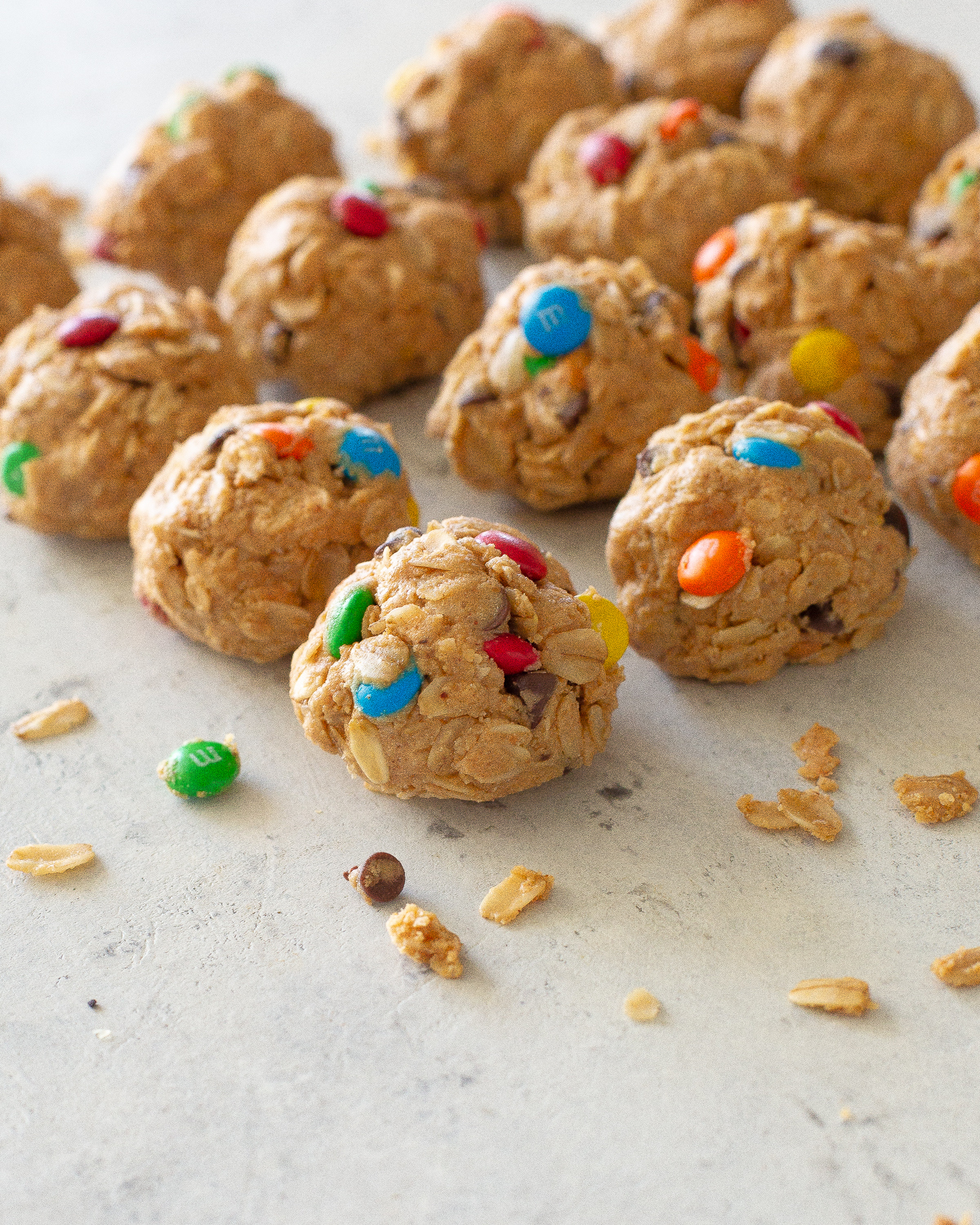
The rise of the homemade protein ball reflects a broader shift in consumer behavior toward "clean-label" eating. Over the past decade, the snack industry has seen a 15% increase in the purchase of functional foods that offer specific health benefits. Unlike mass-produced protein bars, which often require extensive processing and preservatives to maintain shelf stability, homemade energy bites allow consumers to control the glycemic index and ingredient sourcing.
The timeline for the mainstream adoption of these snacks traces back to the early 2010s, when the "clean eating" movement began to prioritize whole grains and natural fats over low-fat, high-sugar alternatives. By 2018, culinary bloggers and nutritionists began standardizing recipes for energy bites, emphasizing the removal of complex seeds like chia or flax—which can be cost-prohibitive or difficult to source—in favor of pantry staples like oats and nut butters.
Culinary Methodology and Technical Considerations
The preparation of Monster Protein Balls is characterized by a "mix-and-chill" methodology, which minimizes thermal degradation of the ingredients. The process requires balancing the viscosity of the binding agent (honey and peanut butter) against the absorbency of the dry components (oats and protein powder).
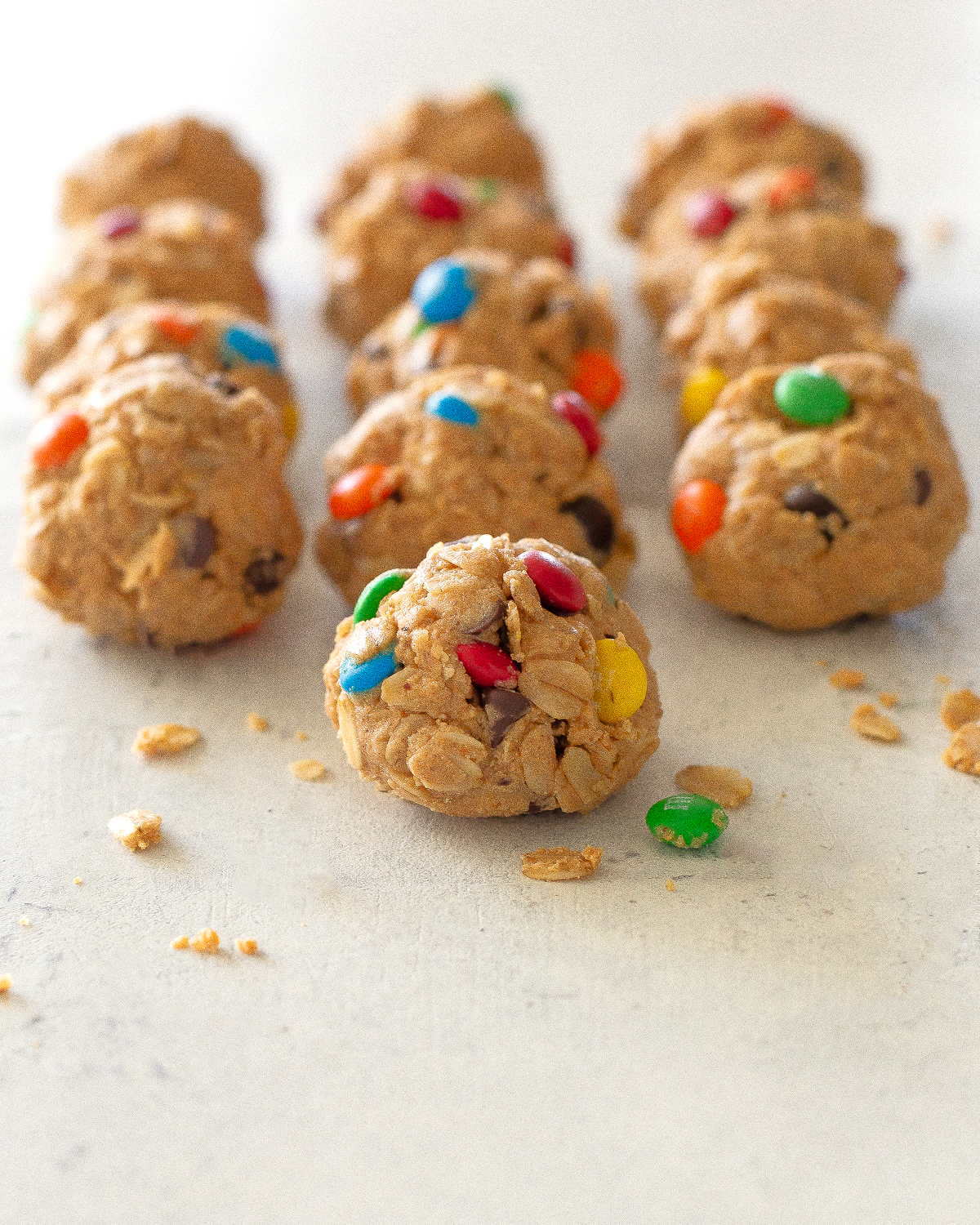
Technical adjustments are often necessary depending on the peanut butter variety used. For instance, natural peanut butter, which typically lacks the hydrogenated oils of commercial brands like Jif or Skippy, requires a higher ratio of oats to maintain the structural integrity of the balls. If the mixture is too dry, an increase in the liquid sweetener (honey) or a reduction in the oats is recommended to ensure the protein powder integrates smoothly without clumping.
Storage and preservation are significant factors for families planning snacks for the week. These protein bites are highly amenable to freezing, maintaining their texture and nutritional density for up to three months when sealed in airtight containers or Ziploc freezer bags. This scalability allows for batch preparation, a practice that has been linked to better dietary adherence among parents attempting to curb their children’s consumption of ultra-processed, sugary snacks.
Supporting Data and Market Context
Market analysis suggests that the "snack-ification" of the American diet is accelerating. According to the International Food Information Council (IFIC), nearly 70% of consumers report looking for snacks that provide a functional benefit, such as increased energy or improved focus. Monster Protein Balls address this by providing a controlled sugar spike followed by a slower release of energy from the fiber-rich oats.
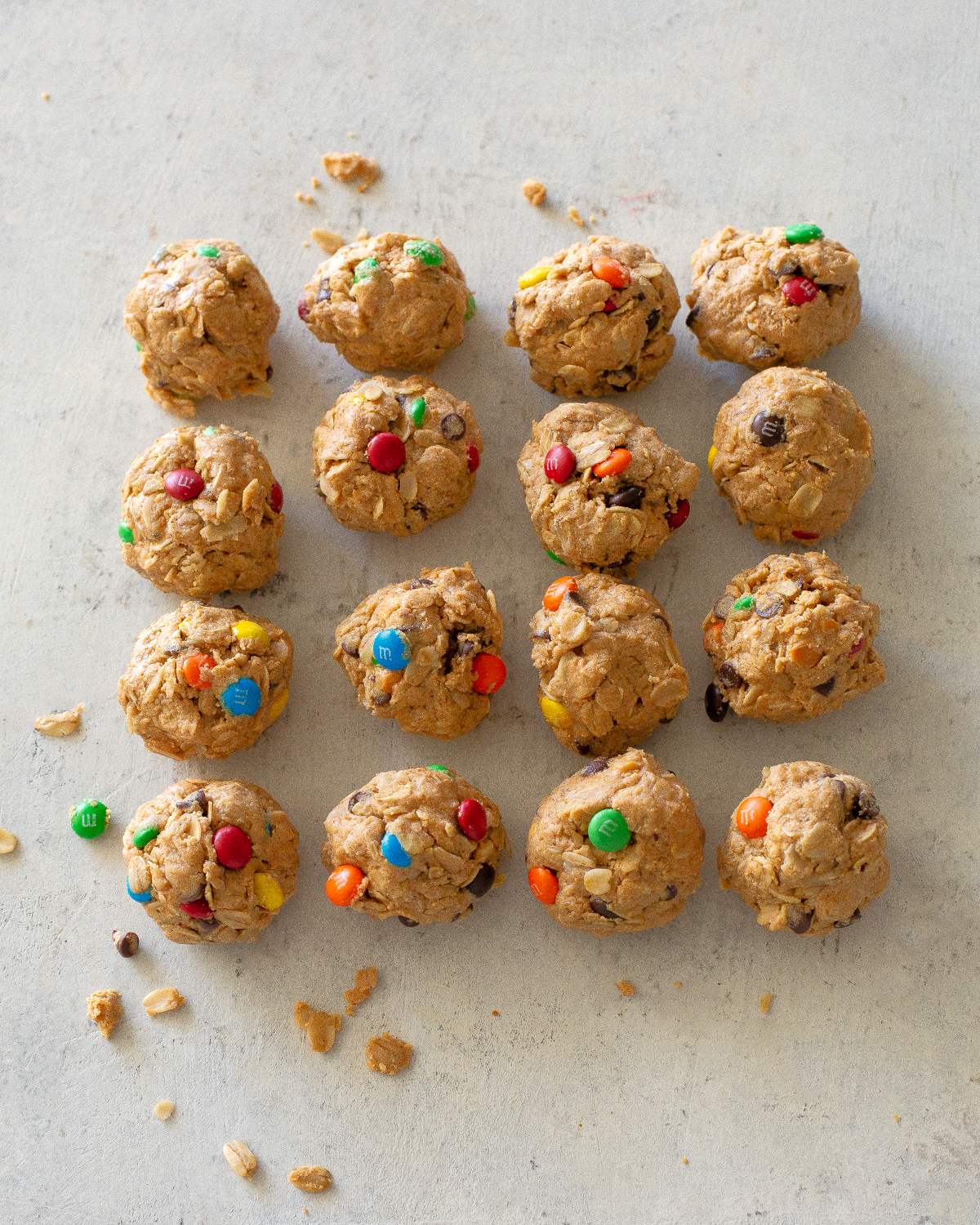
From a cost-analysis perspective, the raw material cost of these homemade bites is significantly lower than their store-bought counterparts. While a premium protein bar can cost upwards of $2.50 to $3.00 per unit, the per-unit cost of a homemade Monster Protein Ball is estimated to be approximately $0.35 to $0.50, depending on the price of the chosen protein powder. This price delta is a critical factor for households managing grocery budgets amidst fluctuating food inflation rates.
Dietary Implications and Variations
While the standard recipe includes chocolate components, the versatility of the base allows for significant customization. The protein powder serves as a neutral canvas, allowing for the integration of various dietary needs. For those with nut allergies, sunflower seed butter or tahini can be substituted for peanut butter with minimal adjustments to the ratio of dry ingredients.
Furthermore, the impact of these snacks on blood glucose levels is moderate. Because the protein and fats from the peanut butter help slow the absorption of the sugars from the honey and the M&Ms, the "crash" often associated with candy-based snacks is significantly mitigated. However, nutritionists advise that individuals monitoring their intake of added sugars should be mindful of the chocolate additions, as these contribute to the 8 grams of sugar per serving.
Broader Societal Impact
The popularity of recipes like the Monster Protein Ball signifies a democratization of nutrition. By providing the public with straightforward, ingredient-accessible alternatives to commercial products, households are empowered to bypass the industrial food supply chain. This trend aligns with the growing advocacy for nutritional literacy, where understanding the components of a meal—such as the role of whey or plant-based protein in muscle recovery—is becoming common knowledge.
Furthermore, the ease of preparation serves as an entry point for culinary education in the home. Engaging children in the assembly of these snacks not only provides a high-protein, satisfying food option but also fosters a connection to food preparation that is often lost in the age of convenience-driven consumption.
Conclusion
Monster Protein Balls represent a intersection of convenience, nutrition, and cost-efficiency. By utilizing pantry staples and allowing for modular ingredient choices, they provide a reliable solution to the "after-school hunger" problem while adhering to modern standards of clean eating. As consumers continue to scrutinize the labels of mass-market snacks, the transition toward home-assembled, nutrient-dense energy bites is expected to remain a permanent fixture in the culinary routines of health-conscious families. The combination of protein-rich legumes and fiber-dense grains ensures that this specific recipe will continue to hold relevance in the competitive landscape of snack preparation, offering a functional, satisfying, and economically sound alternative to traditional processed foods.
