
Historical Evolution of the Brownie-Peanut Butter Fusion
The brownie, first documented in the late 19th century—with some of the earliest recipes appearing in the 1896 edition of the Boston Cooking-School Cook Book—has undergone countless iterations. Initially a singular, cake-like square, the brownie’s evolution over the last century has mirrored the diversification of the American palate.
The integration of peanut butter into chocolate desserts became a dominant market force in the mid-20th century. While industrial giants like H.B. Reese helped popularize the peanut butter cup in the 1920s, the culinary movement to marry these two ingredients within a baked brownie matrix gained momentum in the early 2000s. The Brownie Peanut Butter Cup as a home-prepared dish emerged during this period, capitalizing on the availability of specialized baking chips—specifically peanut butter-flavored morsels—which allowed home cooks to replicate professional confectionery results in domestic kitchens.

Technical Composition and Culinary Methodology
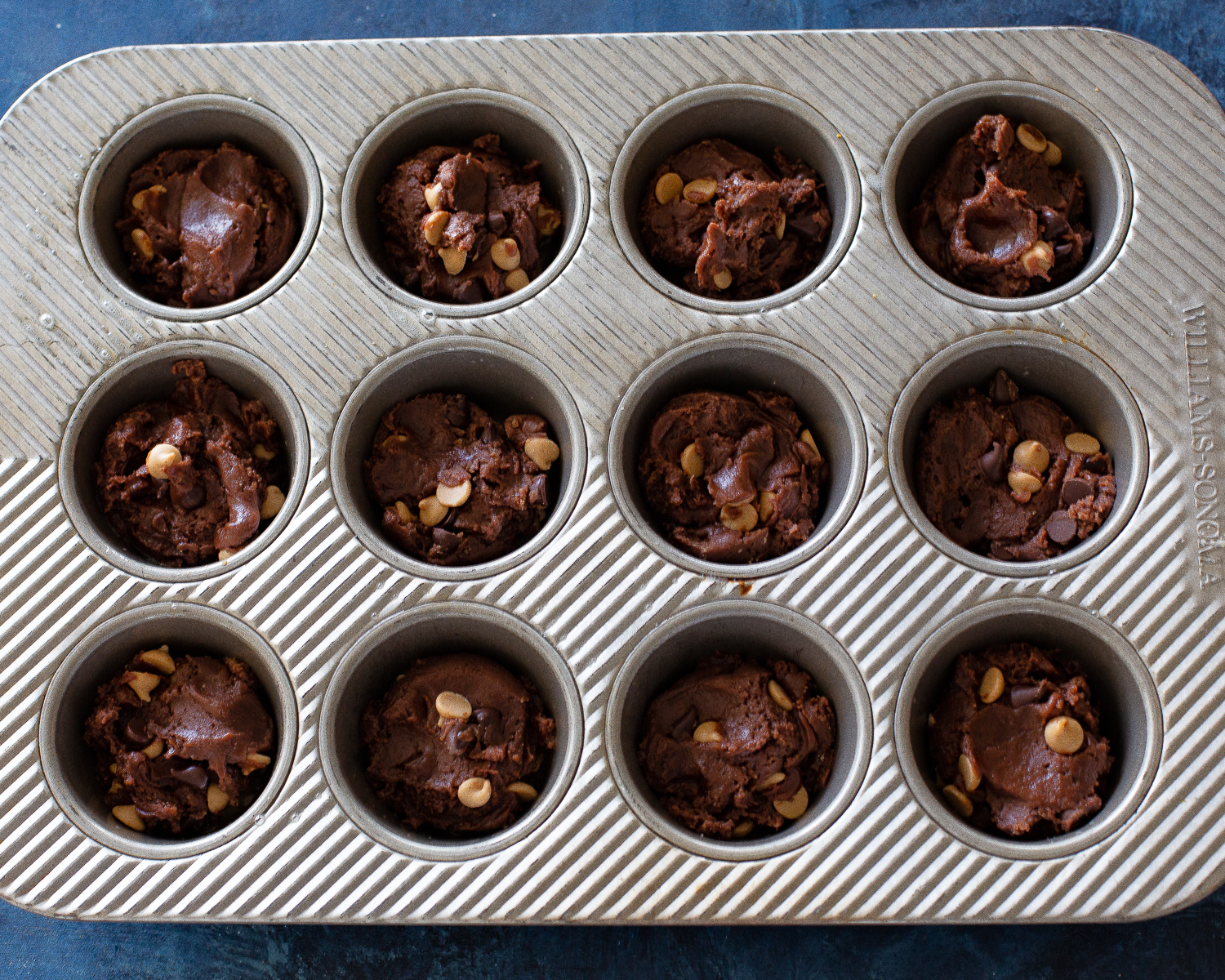
From a technical standpoint, the preparation of Brownie Peanut Butter Cups requires a precise balance of leavening agents and fat-to-sugar ratios to ensure the structural integrity of a "bite" format. Unlike standard sheet-pan brownies, which rely on a wide surface area for even heat distribution, the cup format—often prepared in muffin tins—requires faster baking times at higher temperatures to maintain a moist center while achieving a crisp edge.
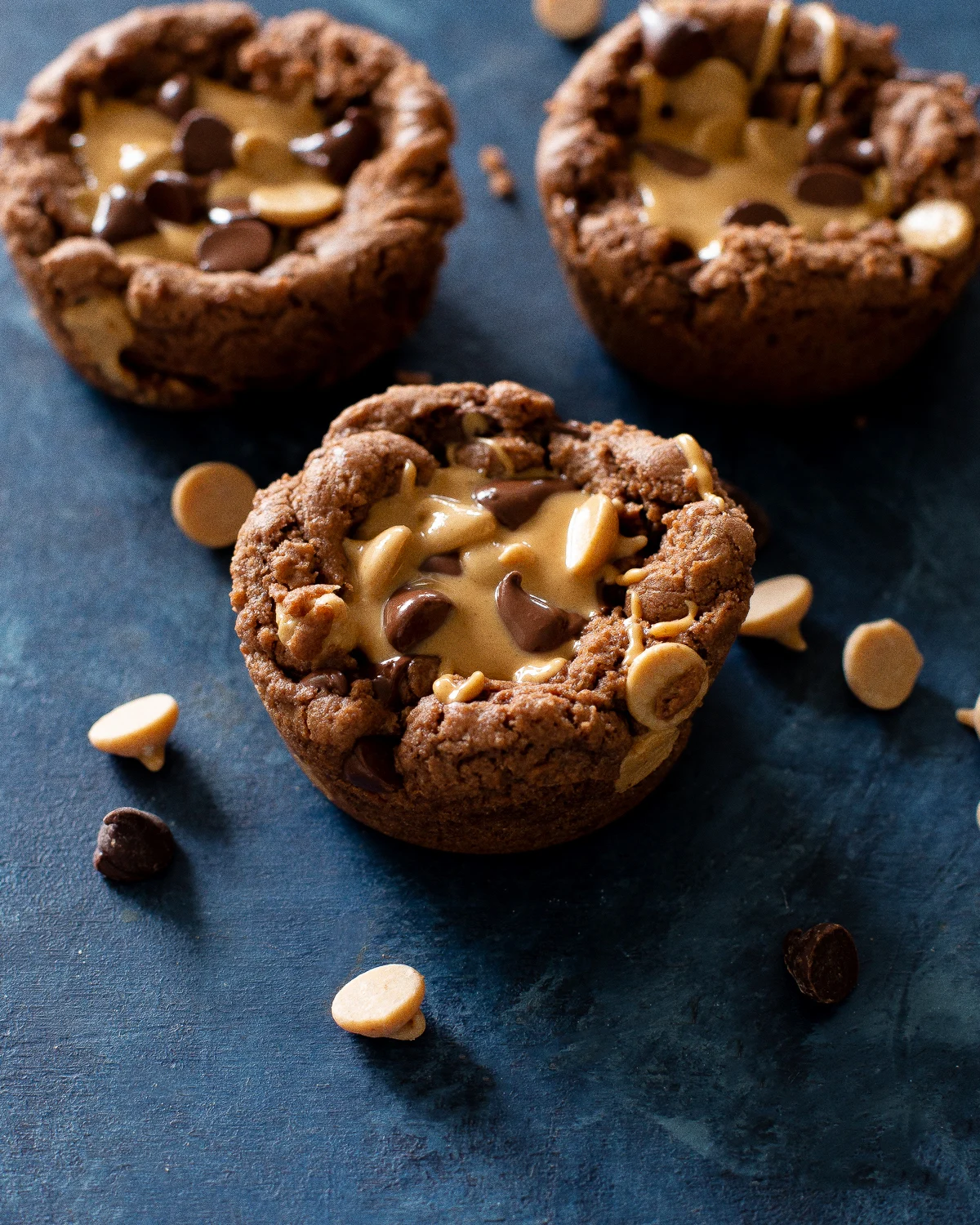
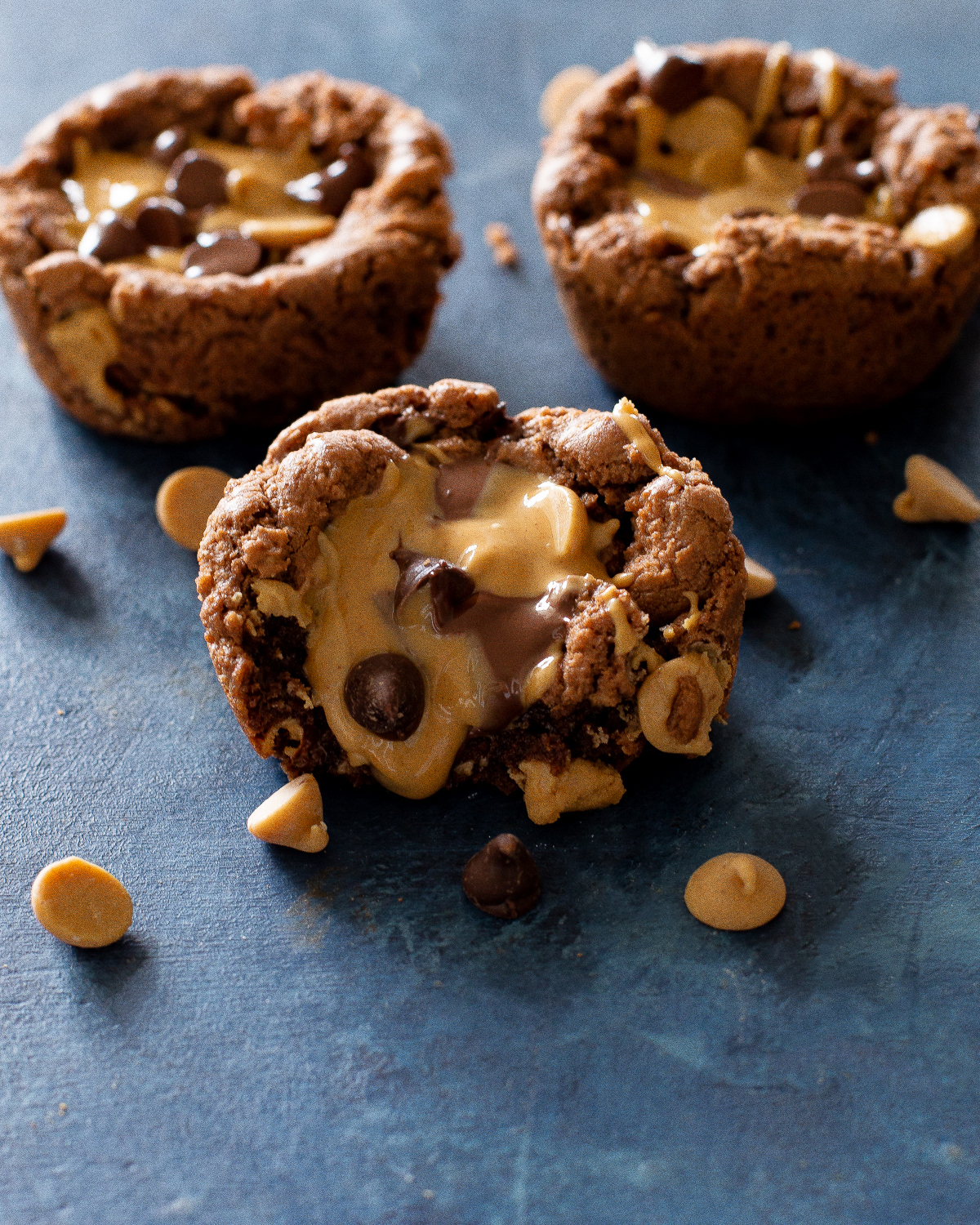
The inclusion of semi-sweet chocolate chips serves a dual purpose: they contribute to the flavor profile by providing a balanced cacao content, and they act as structural binders when melted, creating the characteristic fudgy texture. Peanut butter chips, which typically contain a higher proportion of vegetable oils and sugar compared to natural nut butter, are critical for the specific flavor intensity required in this recipe. The final step—a peanut butter drizzle—serves both an aesthetic and sensory function, providing a concentrated burst of salt and fat that offsets the sweetness of the brownie base.
Market Trends and Consumer Preferences
Data from the baking industry indicates a sustained demand for "hybrid" desserts. According to recent reports on consumer baking habits, interest in recipes that combine contrasting flavor profiles—such as the salty-sweet combination of chocolate and peanut butter—has risen by approximately 15% annually over the last decade. This trend is driven by a demographic that values "permissible indulgence," where smaller, portion-controlled servings like brownie bites allow for satisfaction without the caloric impact of a traditional full-sized dessert slice.
Furthermore, the surge in interest toward these recipes is heavily supported by digital platforms. Culinary content creators, such as Christy Denney, have played a pivotal role in the standardization of these recipes. By sharing instructions that emphasize ease of preparation and the use of accessible, shelf-stable ingredients, these creators have effectively democratized high-end baking techniques, allowing the average consumer to replicate what was previously considered specialized confectionery.
Chronology of Culinary Adoption
- 1896: The initial publication of the brownie recipe, establishing the baseline for modern chocolate squares.
- 1928: The introduction of the peanut butter cup, which firmly established the consumer preference for the chocolate-peanut butter pairing.
- 1990s–2000s: The expansion of the "specialty chip" market, where peanut butter morsels became widely available in retail grocery stores.
- 2009–2010: The rise of food blogging as a primary medium for recipe distribution, with early documentation of "Brownie Peanut Butter Cups" surfacing in online repositories and recipe databases.
- 2020–Present: Increased home-baking activity during global health crises solidified the popularity of comfort-based, shelf-stable recipes like these, cementing their place in the modern culinary canon.
Economic and Nutritional Implications
The prevalence of the Brownie Peanut Butter Cup reflects the economic efficiency of home baking. Using shelf-stable ingredients such as cocoa powder, flour, sugar, and baking chips allows for a lower cost-per-serving compared to purchasing gourmet desserts from commercial bakeries. From a nutritional perspective, these desserts are categorized as "high-density energy foods." A standard brownie cup typically contains between 150 and 250 calories, with a profile high in carbohydrates and saturated fats. While not intended as a primary source of nutrition, their role in dietary culture is viewed through the lens of psychological well-being and culinary tradition.
Industry Perspectives
Professional pastry chefs often analyze the popularity of this dish as an example of "accessible luxury." By utilizing standard pantry items to create a visually appealing, multi-layered dessert, the home baker achieves a high return on effort. Industry experts note that the success of these recipes is largely due to the "mouthfeel" experience—the contrast between the dense, chewy brownie and the smooth, creamy peanut butter drizzle.
"The longevity of this specific combination is not a trend; it is a fundamental shift in flavor preference," notes a culinary analyst who monitors consumer trends. "When you provide a consumer with a recipe that is both familiar and structurally interesting, you create a lasting staple."
Broader Impact on Home Baking
The continued interest in recipes like the Brownie Peanut Butter Cup has influenced the way retail manufacturers package their products. Modern baking aisles now feature integrated displays of brownie mixes, chocolate chips, and nut butter spreads, catering to the "kit-style" approach to cooking that has become the industry standard. This synergy between recipe development and retail supply chain management has ensured that even during periods of economic volatility, the ingredients for such desserts remain widely available and affordable.
As the culinary landscape continues to evolve, the Brownie Peanut Butter Cup stands as a testament to the enduring appeal of the chocolate-peanut butter pairing. By balancing historical baking techniques with modern consumer preferences for portion control and flavor intensity, this dessert remains a quintessential example of how home cooking continues to adapt to the desires and habits of the contemporary population. Whether served at social gatherings or prepared for individual consumption, its status as a decadent, reliable, and highly popular treat remains unchallenged within the current culinary ecosystem. The ability for individuals to share, modify, and improve upon these foundational recipes ensures that the Brownie Peanut Butter Cup will remain a fixture in home kitchens for the foreseeable future, bridging the gap between nostalgic comfort and modern culinary innovation.
