
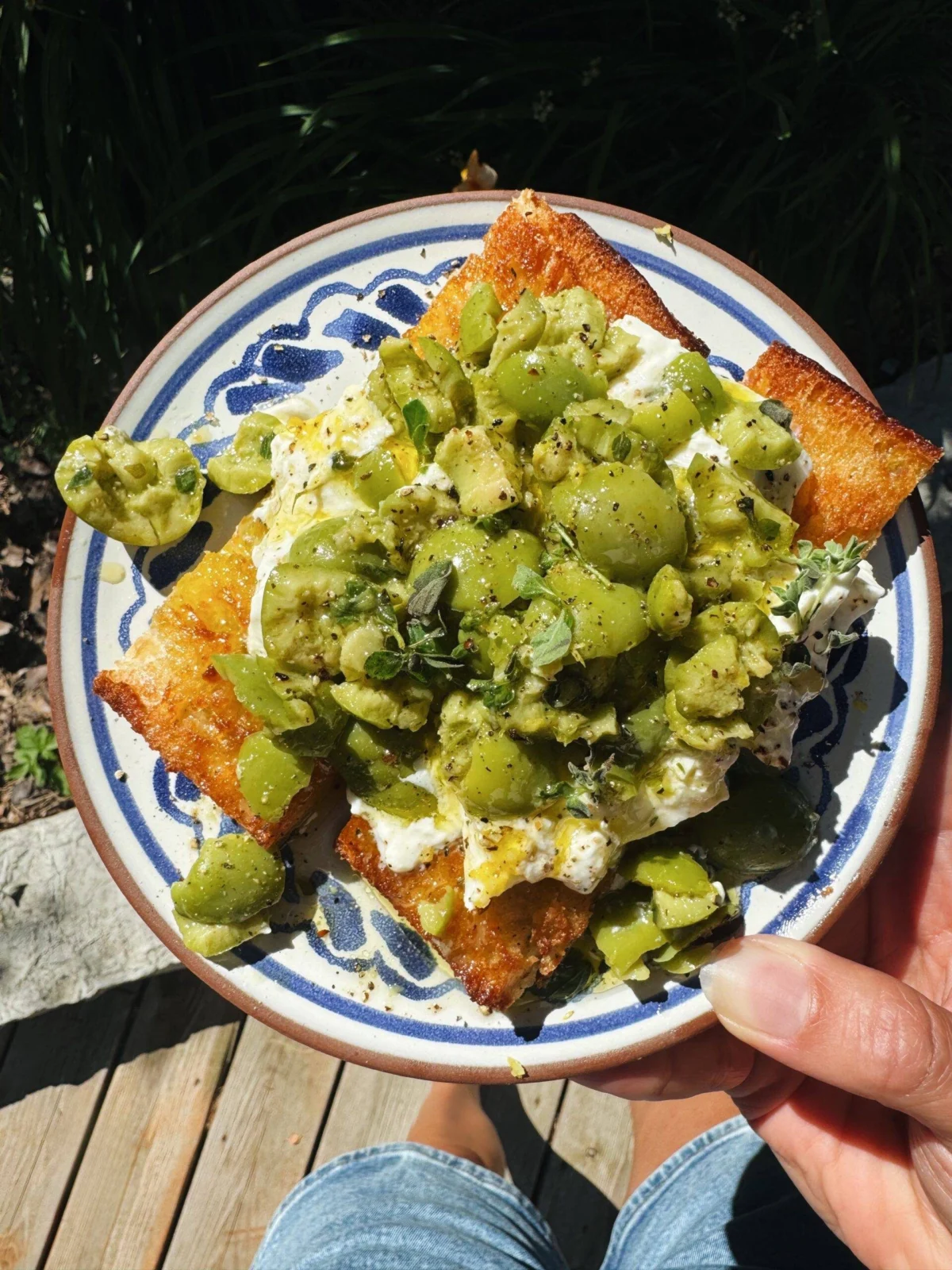
The culinary landscape of the 2024 summer season has been defined by a shift toward high-contrast, Mediterranean-inspired appetizers that prioritize simplicity and high-quality sourcing. Among the most notable trends emerging from social media platforms is the pairing of smashed Castelvetrano olives with torn burrata cheese, a dish that has moved from niche viral content to a staple in modern home dining. This preparation, characterized by the aggressive bruising of olives to release their brine and oils, combined with the cooling, creamy texture of burrata, represents a broader movement toward "assembled" rather than "cooked" meals.
The Origins of the Viral Trend
The surge in popularity for this dish can be traced back to mid-2024, following the proliferation of short-form video tutorials on platforms such as Instagram and TikTok. Specifically, content creators—most notably the influencer known as Cheese Gal—brought the technique to a mainstream audience. The appeal lies in the intersection of minimal preparation time and the sophisticated flavor profile typically associated with upscale restaurant hors d’oeuvres.
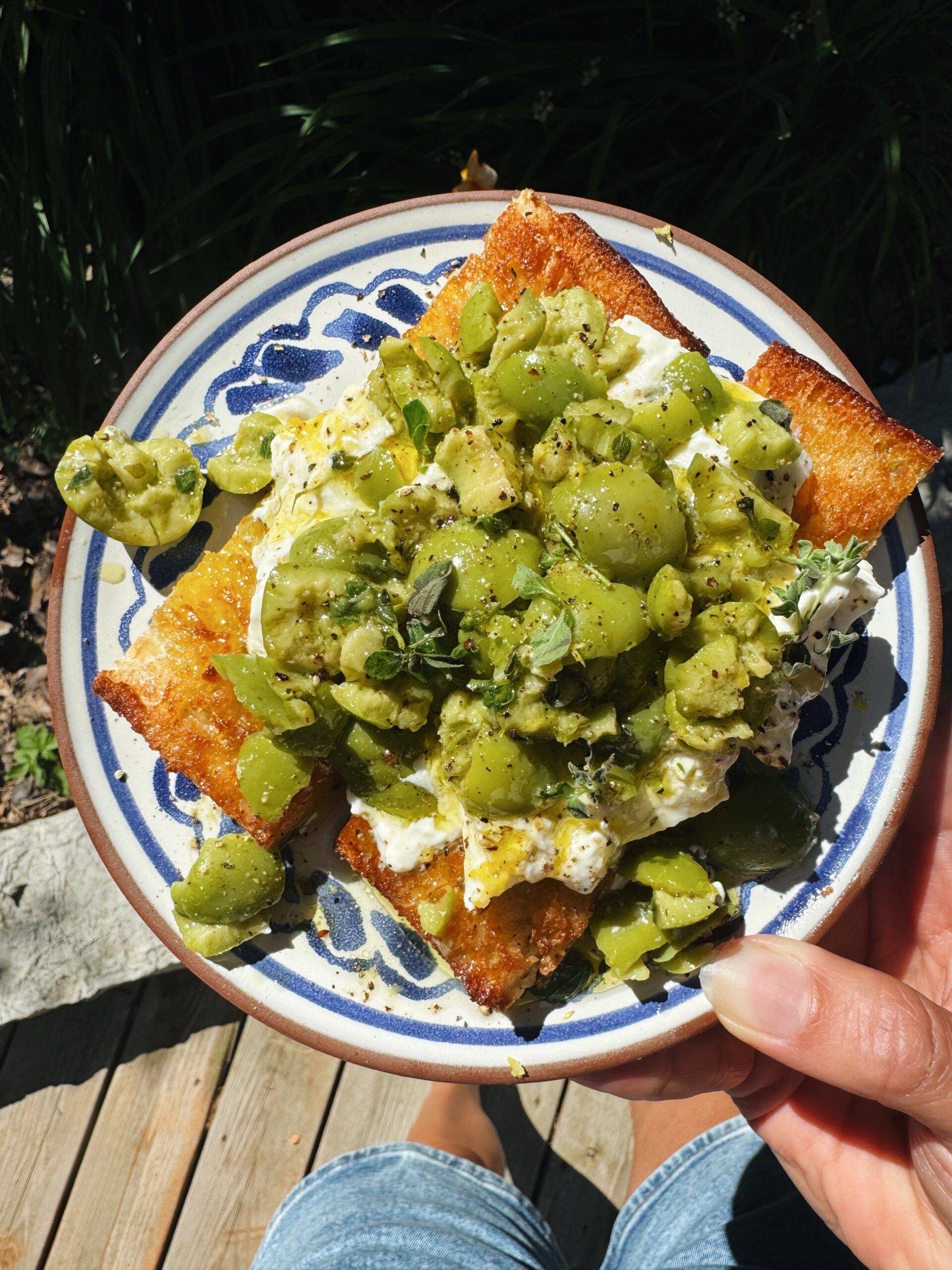
By bruising the Castelvetrano olives, home cooks are effectively increasing the surface area for a marinade consisting of high-quality olive oil, fresh lemon juice, and aromatic herbs. This technique allows the brine of the olive to emulsify with the added fats, creating a complex dressing that permeates the creamy, mozzarella-based pouch of the burrata. The addition of fried or toasted sourdough bread serves as a structural vehicle, providing a necessary crunch to contrast the soft cheese and yielding olive flesh.
The Chronology of the Dish’s Popularity
While the consumption of olives and cheese is a centuries-old tradition in the Mediterranean basin, the specific "smashed" technique represents a contemporary evolution of the charcuterie board.
- Q1 2024: Initial experiments with olive-crushing techniques began appearing in high-end culinary blogs, focusing on the release of essential oils.
- Late Spring 2024: The combination of burrata with these prepared olives gained significant traction on social media, driven by "Girl Dinner" and "Appetizer Series" trends, which emphasize low-effort, high-reward snacks.
- Summer 2024: The dish solidified its place as a seasonal favorite, with grocery stores reporting an uptick in the demand for Castelvetrano olives, a specific variety prized for its buttery texture and mild flavor profile.
Culinary Analysis: Why Castelvetrano Olives?
The choice of Castelvetrano olives—a cultivar from Sicily—is not incidental. Unlike Kalamata or Niçoise olives, which are often cured in heavy brine or salt, Castelvetrano olives are known for their bright green color and remarkably buttery, mild flavor. From a culinary science perspective, their texture is ideal for "smashing." They are firm enough to resist turning into mush when pressed, yet delicate enough to split easily under the weight of a heavy knife or mallet.
When these olives are tossed with acid—typically lemon juice—the pH level of the dish drops, which enhances the perception of saltiness and balances the rich, milky fat content of the burrata. This interplay between acidity, salt, and fat is a fundamental pillar of classic Mediterranean flavor theory, making the dish inherently appealing to a wide range of palates.
Market Implications and Social Media Influence
The rapid adoption of the smashed olive and burrata trend underscores the power of social media to influence consumer purchasing habits. Retailers and specialty food importers have noted that viral food trends are now one of the primary drivers of sales for niche products like imported Italian burrata.
Furthermore, the trend reflects a broader sociological shift in dining. With many households feeling the pressure of economic inflation, the "at-home appetizer" has become a substitute for the traditional restaurant outing. By spending approximately $15 to $20 on high-quality ingredients, a consumer can replicate a "luxury" experience at home, which is a significant factor in the dish’s sustained weekly popularity among home cooks.
Expert Perspectives on Home Cooking Trends
Culinary analysts observe that this specific recipe fits into a "low-friction" category of cooking. Modern consumers, particularly those in the 25–45 age demographic, are increasingly seeking recipes that offer "high flavor density" with minimal cleanup. The smashed olive dish requires no stovetop cooking (other than the optional frying of bread) and can be prepared in under ten minutes.

"The success of this dish is indicative of a move away from complicated, multi-step recipes," notes an analyst at a leading culinary research firm. "When a home cook can achieve a result that looks and tastes like a restaurant-quality starter using only a knife and a bowl, it creates a sense of empowerment. It is not just about the food; it is about the accessibility of high-end gastronomy."
Broader Impact: The Mediterranean Diet Influence
The popularity of this dish also aligns with the continued interest in the Mediterranean diet, which is consistently ranked by health organizations as one of the most effective for long-term cardiovascular health. By focusing on whole fats (olive oil), fermented dairy (burrata), and plant-based proteins (olives), the dish functions as a healthier alternative to processed snack foods.
However, nutritionists caution that while the components are high-quality, the caloric density of burrata and oil-based preparations should be monitored. Despite this, the dish remains a preferred choice for social gatherings, as it encourages communal eating—a practice long associated with the positive social benefits of Mediterranean dining culture.
Looking Ahead: The Future of Viral Recipes
As the summer season concludes, the longevity of the smashed olive trend remains to be seen. However, its impact on home entertaining is likely to persist. Similar to the "baked feta pasta" trend of 2021, the smashed olive and burrata combination has established a blueprint for future viral recipes: start with a high-quality, recognizable ingredient, introduce a simple mechanical action (like smashing or roasting), and serve with a universally liked companion (like crusty bread or cheese).
Ultimately, the phenomenon of the smashed olive and burrata dish serves as a case study in modern food trends. It proves that the most successful culinary movements of the digital age are not necessarily the most complex, but rather those that prioritize the sensory experience of quality ingredients. As home cooks continue to refine their approach to this dish—swapping basil for oregano, or adding citrus zest—the base recipe will likely evolve, ensuring its place in the repertoire of simple, elegant summer dining for years to come.
