
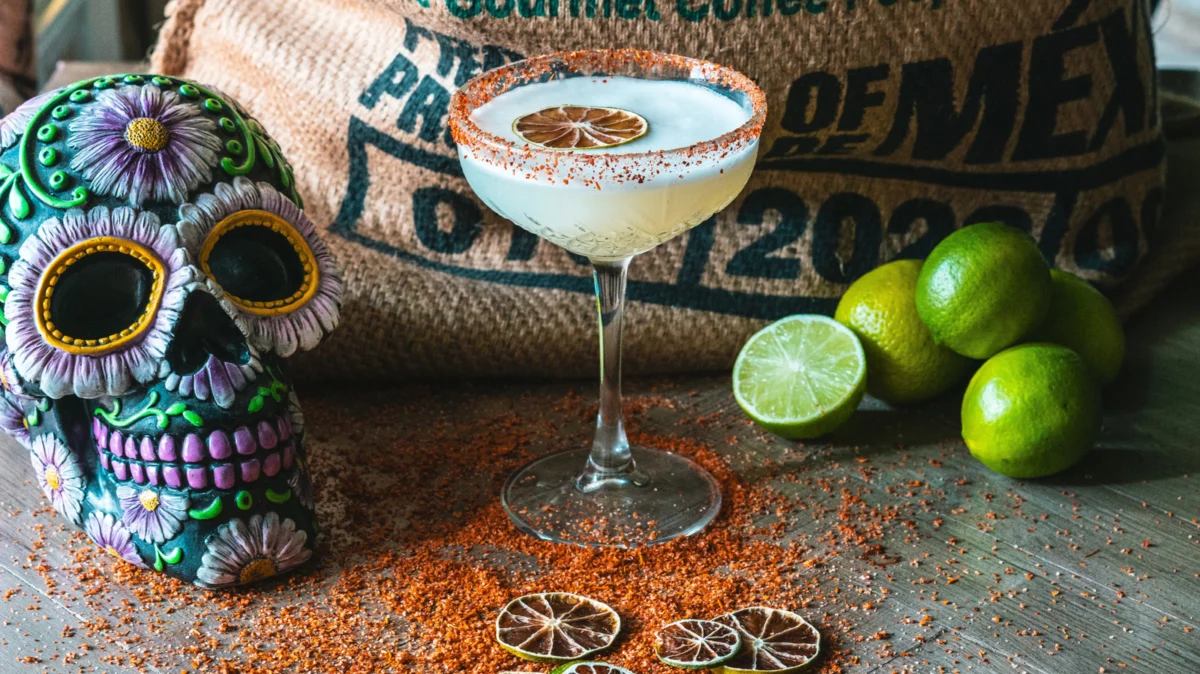
The humble margarita, a cocktail celebrated for its vibrant citrus notes and tequila kick, has long been associated with its iconic salt rim. This traditional garnish, far from being purely decorative, plays a crucial role in enhancing the drink’s complex flavors. However, a growing wave of culinary innovation is pushing the boundaries of this beloved cocktail, with bartenders and mixologists exploring a diverse array of rim alternatives that offer exciting new dimensions of taste and visual appeal. From the zesty tang of Tajín to the tropical allure of toasted coconut, these creative additions are transforming the margarita experience.
The Role of the Rim in Cocktail Craftsmanship
The practice of rimming cocktail glasses dates back centuries, with early instances appearing in historical texts related to punch and other mixed drinks. The primary function of a rim, traditionally, has been twofold: aesthetic enhancement and flavor augmentation. A well-executed rim can elevate a drink from a simple beverage to a visually appealing work of art, immediately signaling a higher level of care and sophistication.
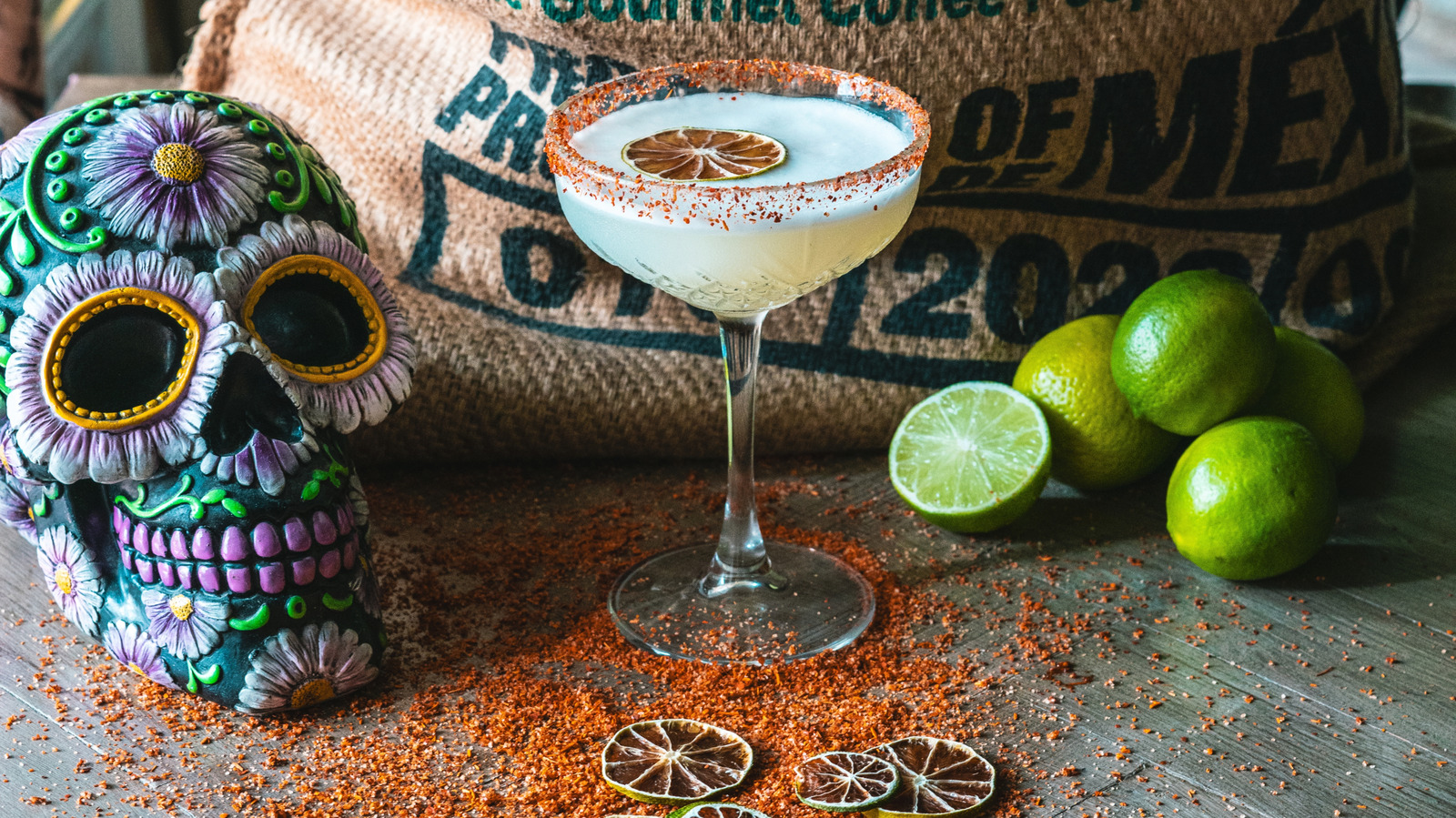
More importantly, the rim acts as a prelude to the first sip, introducing a complementary or contrasting flavor that interacts with the cocktail’s ingredients. As noted by mixologist Mia Mastroianni, a frequent consultant on "Bar Rescue," "Salinity can play a major role in cocktails and inherently enhances flavors, and the margarita and all of its variations are no exception." This principle extends beyond simple salt; the specific type of salt or alternative garnish can significantly alter the drinker’s perception of the cocktail. For instance, the subtle mineral notes of pink or black Himalayan salt can offer a more nuanced salinity than standard table salt, providing a visual and gustatory contrast.
Beyond Salinity: A World of Flavor
While salt remains a classic and effective choice, the contemporary cocktail scene is embracing a broader palate of ingredients for margarita rims. This evolution is driven by a desire to create more dynamic and personalized drinking experiences. Six experts, including renowned mixologists and bar owners, have weighed in on their favorite alternatives, offering a spectrum of options that cater to various taste preferences and cocktail profiles. These suggestions range from the intensely flavorful to the subtly aromatic, demonstrating the versatility of the margarita as a canvas for culinary creativity.
The Rise of Tajín: A Spicy, Tangy Sensation
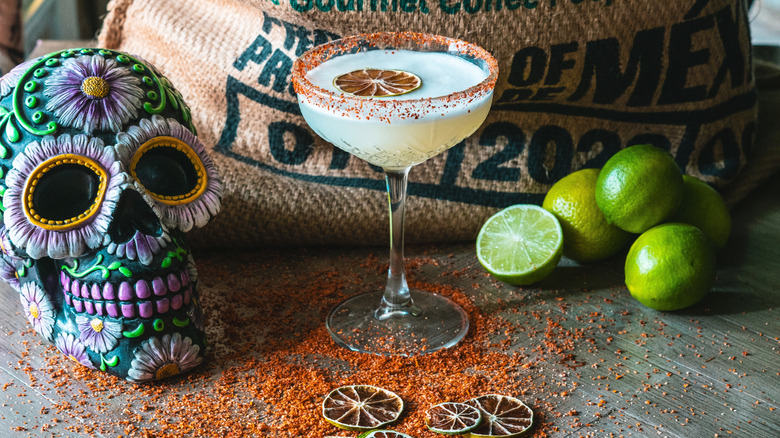
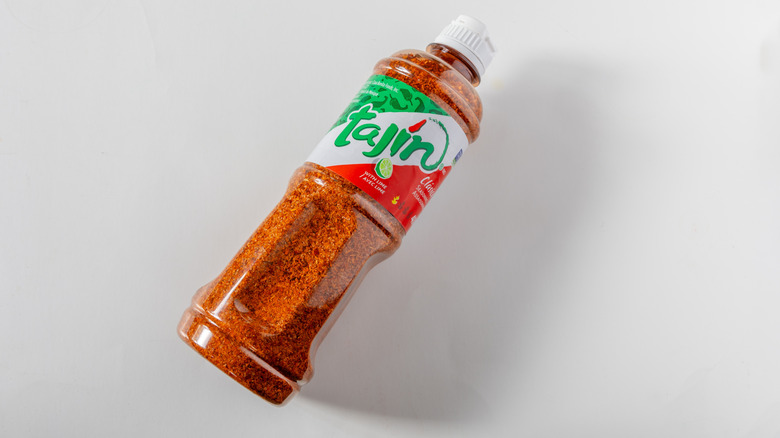
Tajín, a popular Mexican seasoning blend, has rapidly ascended to become a favored rim choice for margaritas. Its composition of chili peppers, lime, and sea salt delivers a trifecta of flavors – spicy, sour, and salty – that invigorates the palate. Taylor Samuels, owner of Las Almas Rotas, a bar specializing in tequila, highlights Tajín’s ability to "enhance the lime, but adds a little tang and spice, so the drink feels brighter and more flavorful with every sip." This unique profile has made it a ubiquitous presence on cocktail menus, often presented as a compelling alternative to traditional salt. The trend has become so pronounced that it’s not uncommon for patrons to be asked if they prefer salt, no salt, or Tajín.
The widespread adoption of Tajín speaks to a broader consumer interest in authentic and bold flavor combinations. Its presence in the market has also spurred innovation, with many home cooks and professional bartenders exploring its use beyond cocktails, from enhancing guacamole to seasoning grilled fruits. The growing popularity of Tajín reflects a global appreciation for the vibrant and complex flavors of Mexican cuisine.
Hibiscus Sugar: A Floral and Fruity Elegance
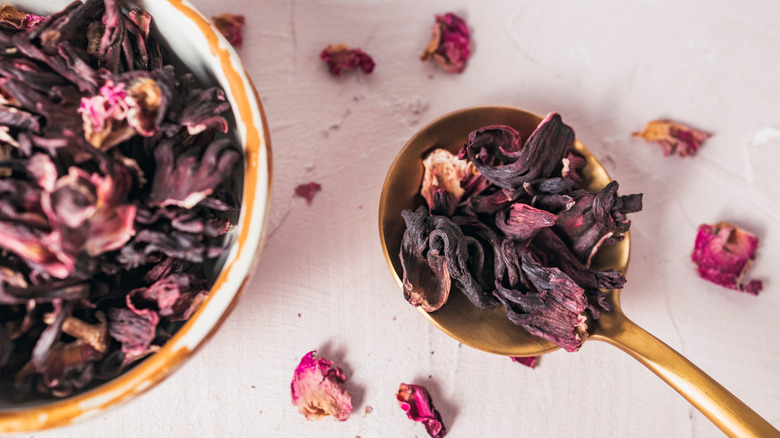
The use of dried flowers in beverages and culinary applications has a long history, often associated with medicinal properties and unique flavor profiles. Hibiscus, in particular, has gained recognition for its striking color and its delightful sweet-and-sour taste, making it a staple in drinks like agua frescas and various cocktails. Carmen López Torres, a mixologist and brand ambassador for Mezcal Union, and Mia Mastroianni both advocate for hibiscus sugar as a sophisticated margarita rim.
"The deep red hue from hibiscus turns any liquid it touches into a beautiful magenta," notes the article. When crushed and mixed with salt and sugar, hibiscus creates a "deliciously crispy" rim that complements mezcal margaritas by balancing the spirit’s inherent sour notes. Mastroianni further elaborates that the floral notes of hibiscus can "add a subtle aromatic element" to drinks, particularly those featuring cucumber. This option offers a visually stunning and delicately flavored alternative, appealing to those seeking a more nuanced and aromatic experience.
Cinnamon Sugar: A Warm Embrace for the Palate
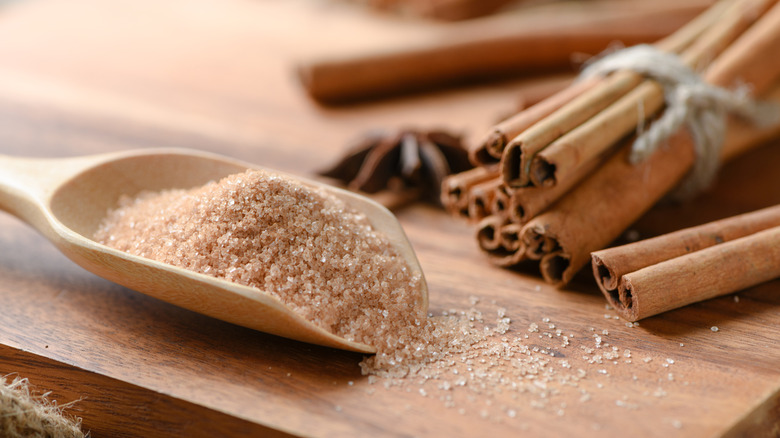
For those looking to move away from salt entirely, flavored sugars offer a compelling alternative. Mia Mastroianni suggests that granulated sugar can be utilized much like salt, serving as a base for infusing other flavors. Among these, cinnamon sugar stands out as a particularly appealing choice. "This not only adds a sweetness, but the cinnamon creates a warmth that would be perfect for an apple cider margarita," Mastroianni explains.
The inherent warmth of cinnamon pairs exceptionally well with autumnal flavors and richer spirits like mezcal, whose smoky notes can be amplified by the spice. The ease with which cinnamon sugar can be prepared at home, requiring only the correct ratio of cinnamon to sugar, makes it an accessible option for home bartenders. This rim evokes a sense of comfort and sophistication, transforming a classic margarita into a seasonal delight.
Hot Honey: The Sweet and Spicy Contender
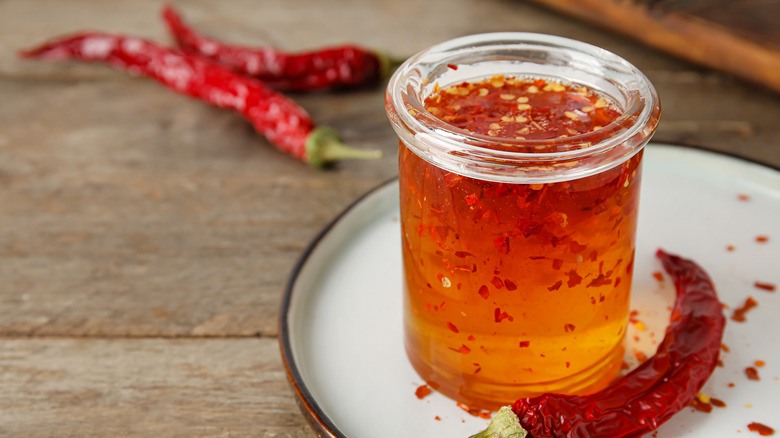
Hot honey, a condiment that has surged in popularity across various culinary spheres, presents an exciting new frontier for cocktail rims. Entertainment expert Paul Zahn champions its use, noting that it "will give your margarita that sweet and spicy rim." The beauty of hot honey lies in its adaptability; its spice level can be customized, making it suitable for a wide range of palates.
Zahn suggests a nuanced approach, recommending that the glass be dipped only halfway into the hot honey to prevent the flavor from overpowering the drink. He further innovates by combining hot honey with a half rim of sea salt and sugar, creating a "rollercoaster of flavors" that balances spice, saltiness, and sweetness. This layered approach exemplifies the sophisticated flavor profiles that can be achieved with thoughtful rim design.
Lemongrass: An Aromatic and Herbaceous Twist
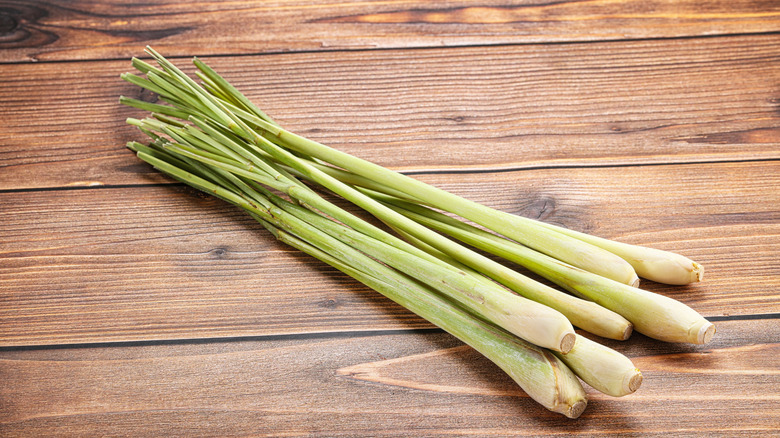
Carmen López Torres introduces a more herbaceous and aromatic option with pulverized lemongrass. This woody stalk, known for its bright, citrusy, and ginger-like notes, offers a unique sensory experience when used as a rim. Torres emphasizes the olfactory aspect: "Flavor comes from our nose, so the scent of lemongrass already hints something herbal is coming."
This innovative rim was experienced by Torres at a now-defunct Mexico City bar, where lemongrass was pulverized and mixed with sugar and salt. This blend created an "herby, sweet, and salty" profile that beautifully complemented a rosemary-infused mezcal margarita, enhancing its smoky and herbaceous qualities. The lemongrass rim serves as a testament to how subtle aromatic cues can profoundly influence the perception of a cocktail’s flavor.
Everything Bagel Seasoning: A Savory Surprise
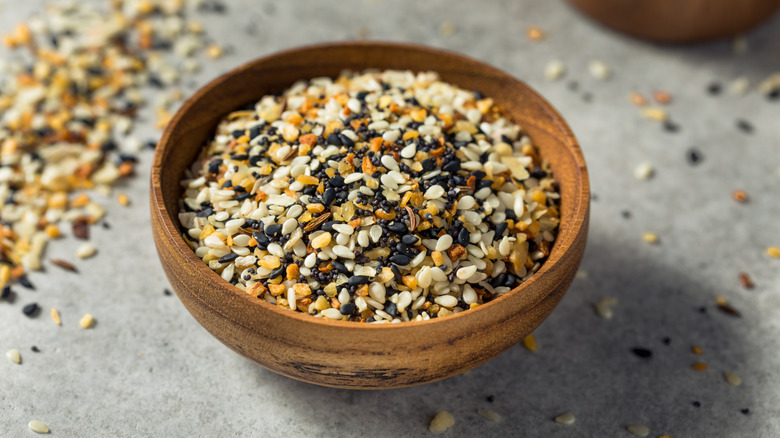
The ubiquitous "everything bagel seasoning" has transcended its breakfast origins to become a versatile pantry staple, and its application extends to cocktail rims. This blend of sesame seeds, poppy seeds, salt, garlic, and onion offers a nutty and savory profile that can elevate a margarita. Paul Zahn believes this seasoning "really levels up the drink and gives your cocktail a rollercoaster of flavors."
The complex interplay of toasted seeds and aromatic spices provides a delightful contrast to the traditional margarita. Zahn notes its versatility, suggesting it also works well on the rims of micheladas or Bloody Marys. This option appeals to those who appreciate bold, savory flavors and are looking for an unexpected yet harmonious addition to their cocktail.
White Peppercorn Powder: A Subtle Savory Bite
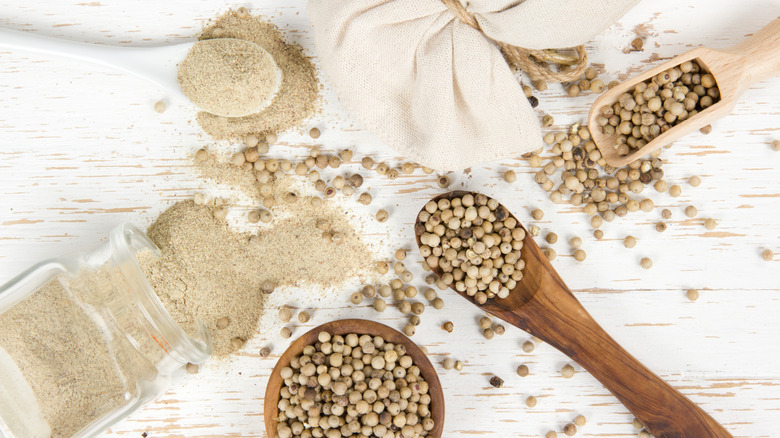
For those seeking a savory edge without the intensity of chili, ground white peppercorn powder offers a refined alternative. Dylan Harris, head bartender at Mexico Ceaty and El Último, finds it particularly effective with mezcal margaritas. "White peppercorn is really interesting whenever you mix it with agave spirits," Harris explains. "It doesn’t give it that spiciness. It almost gives it a savory, very earthy, almost a grassy taste to it."
Unlike black peppercorns, white pepper delivers its bite on the finish, offering an earthy and less pungent flavor. Harris recommends crushing whole white peppercorns and rimming the glass, especially when paired with a smoky, herbaceous mezcal. This sophisticated pairing highlights how a seemingly simple spice can unlock nuanced flavor interactions.
Chipotle Powder: Smoky Heat for the Bold
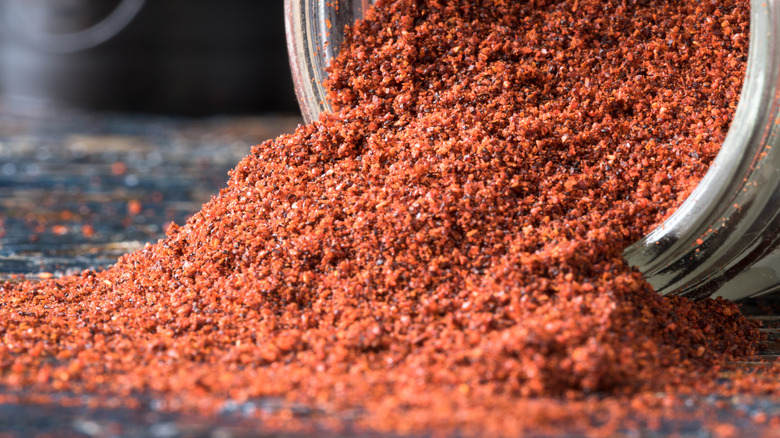
The spicy margarita has cemented its place on menus, and chipotle powder offers a potent way to enhance its fiery character. Mia Mastroianni suggests rimming the glass with a combination of chipotle powder and salt for those seeking both heat and smokiness. While seemingly unconventional for a cocktail rim, chipotle powder adds "depth and complexity," particularly when paired with grapefruit juice. Mastroianni notes that the smoky notes of the chili powder provide a "nice contrast to the crisp grapefruit notes," though it can complement any fruity margarita. This option is for the adventurous drinker who appreciates a layered and robust flavor experience.
Toasted Coconut: A Tropical Escape
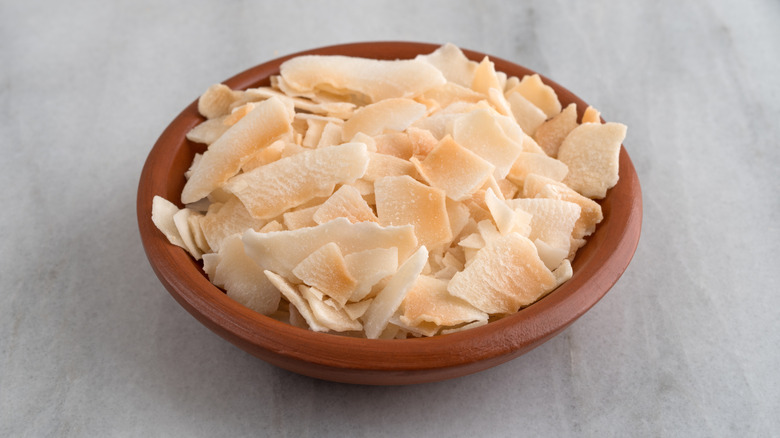
Master mixologist Mia Mastroianni champions toasted coconut as a means to infuse a margarita with a "tropical element." While often associated with tiki drinks, a coconut-rimmed margarita can offer a refreshing alternative for those seeking a less rum-centric tropical experience. The sweet nuttiness of toasted coconut beautifully cuts through the tartness of lime juice, creating a harmonious balance that enhances the classic margarita’s citrus profile. This visually appealing rim evokes a sense of relaxation and indulgence, making it an ideal choice for warm-weather sipping.
The Case for No Rim: Appreciating Purity
Interestingly, some experts advocate for the purest margarita experience: no rim at all. Dylan Harris and Randy Tamez, lead bartender at MezQuite’s, both agree that for high-quality margaritas, especially those made with premium tequila, a rim can be unnecessary. Harris believes that "the best experience you can get is having no rim at all," as it allows the "essence on the tequila and the cocktail itself" to shine.
Tamez echoes this sentiment, stating that while salt has its place, particularly with lower-shelf tequilas to mask harshness, he is "a firm believer that the work that gets put into making a remarkable agave spirit should be admired and recognized." He feels that added rims can "mudd[y] the water." This perspective champions the unadulterated appreciation of the spirit and the careful balance of the cocktail’s core ingredients, particularly highlighting the Tommy’s margarita, a simple yet exquisite three-ingredient classic, as an ideal candidate for a rimless presentation.
The Future of Margarita Rims
The exploration of margarita rims reflects a broader trend in the beverage industry towards personalization and elevated sensory experiences. As consumers become more adventurous in their tastes, bartenders and mixologists are continually innovating, drawing inspiration from global cuisines and diverse ingredients. The humble margarita, once defined by its salty embrace, now stands as a testament to the endless possibilities of cocktail customization, inviting enthusiasts to discover their perfect rim and redefine their appreciation for this timeless classic. The ongoing evolution of cocktail garnishes suggests that the quest for the ideal margarita rim is far from over, promising even more exciting and flavorful discoveries in the years to come.
