
Blueberries, botanically known as Vaccinium corymbosum, have secured their place as a cornerstone of global culinary tradition. Beyond their status as a nutritional powerhouse, rich in anthocyanins and essential vitamins, these berries possess a unique chemical profile that allows them to maintain structural integrity and flavor potency across various thermal applications. Whether incorporated into delicate pastries or robust baked goods, the blueberry’s capacity for year-round availability—facilitated by advanced flash-freezing technology—has made it a staple in both commercial and domestic kitchens. The following analysis examines the top ten classic blueberry preparations, evaluating their historical significance, preparation mechanics, and the sensory impact that sustains their popularity.
The Historical and Cultural Significance of Blueberry Pie
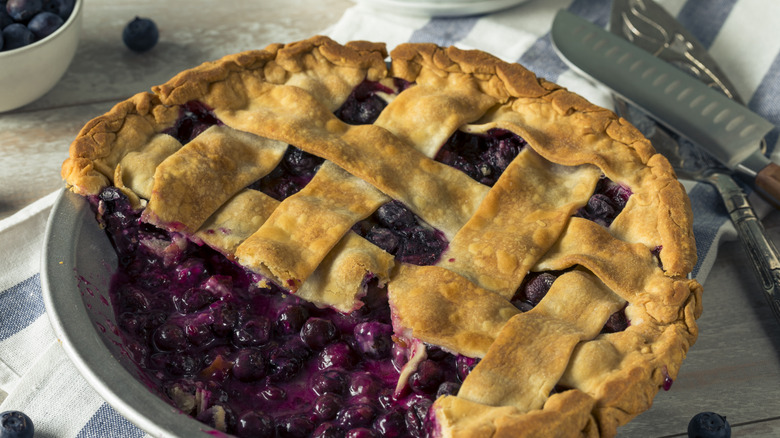
Blueberry pie remains the quintessential American dessert, deeply embedded in the culinary history of the Northeast. While the American Pie Council identifies pie as the most traditional dessert in the United States, data from the 2024 Instacart sales trends highlights a distinct regional preference for blueberry varieties, particularly across Vermont, Massachusetts, Connecticut, and Rhode Island. Unlike stone fruits that require intensive slicing and structural preparation, blueberries offer a streamlined baking process. The berries release their internal moisture during the baking cycle, creating a natural, pectin-rich filling that requires minimal intervention. Culinary professionals often suggest the addition of almond extract to these recipes. From a food science perspective, the benzaldehyde found in almond extract complements the volatile compounds in blueberries, effectively balancing the fruit’s natural acidity with a fragrant, nutty undertone that adds perceived complexity to the final product.
Structural Differences: Crisp vs. Cobbler
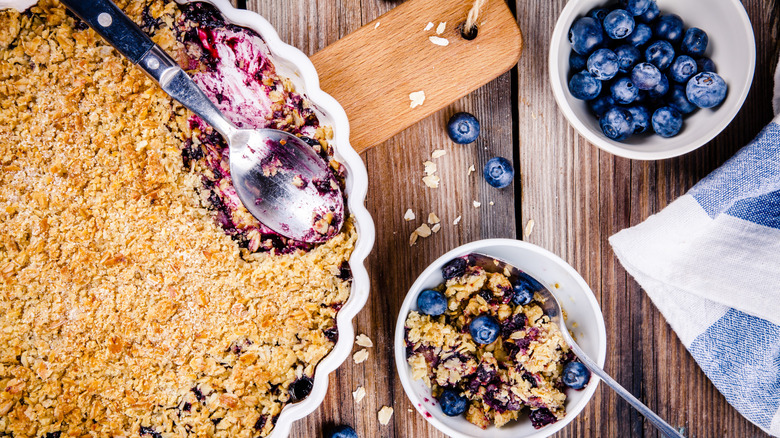
The distinction between a crisp and a cobbler is rooted in the architecture of the topping. A crisp relies on a streusel-like composition, typically integrating oats, flour, butter, and sugar. This layer is designed to undergo a Maillard reaction, resulting in a distinct textural contrast against the softened fruit. The standard professional ratio for an effective crisp is approximately three cups of fresh or thawed berries to one tablespoon of flour or cornstarch, a ratio that ensures the fruit maintains a jam-like consistency without becoming overly liquid.
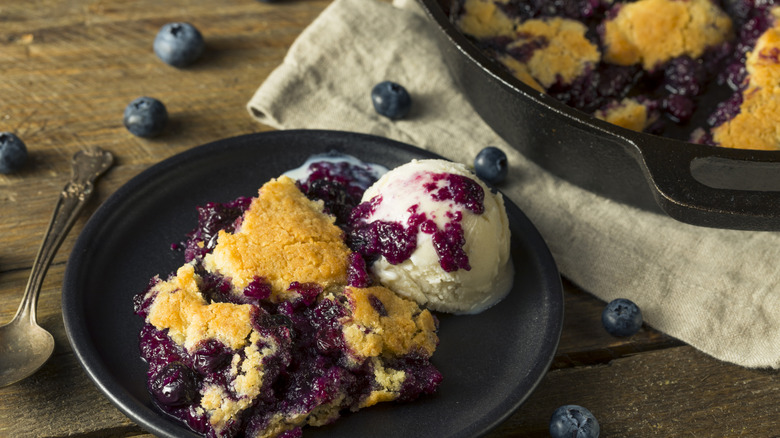
In contrast, a cobbler employs a leavened, biscuit-style batter. This topping is historically significant for its role as a "quick" dessert—a utilitarian solution for early settlers who lacked the refined equipment or time for traditional pastry crusts. The modern iteration prioritizes a pillowy, tender mouthfeel. The primary technical error observed in professional kitchens regarding cobbler preparation is an improper topping-to-fruit ratio, which often leads to an undercooked center or an overly dense topping that fails to interact with the steam rising from the fruit base.
The Evolution of the Blueberry Buckle
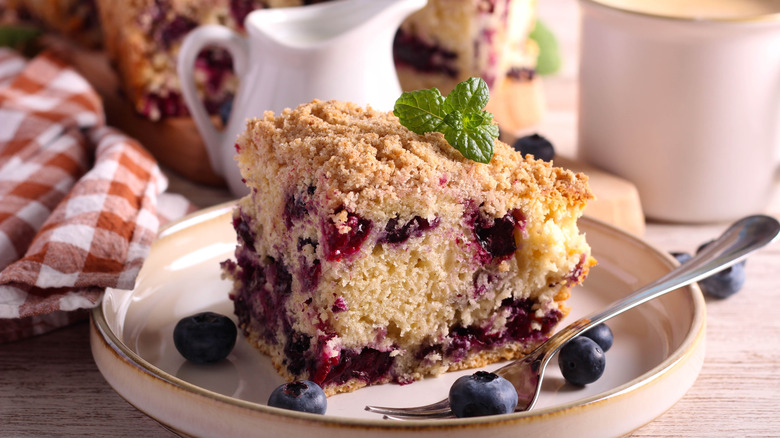
The blueberry buckle represents a hybrid between a traditional sponge cake and a fruit-based dessert. The etymology of the term "buckle" refers to the physical reaction of the batter as it rises around the dense, moist fruit. As the cake structure sets, the weight of the berries causes the batter to "buckle" or collapse slightly, resulting in a marbled, textured crumb. This dish is highly adaptable, often enhanced by the addition of citrus zest or warm spices such as cardamom or cinnamon, which serve to elevate the blueberry’s flavor profile. Its enduring popularity stems from its versatility, functioning effectively as both a breakfast item and a traditional dessert.
Industry Trends and Consumer Preferences
Data from the 2021 Comax Flavors survey underscores the dominance of the blueberry muffin within the bakery sector, with over 52% of consumers identifying it as their preferred variety. This popularity is attributed to the product’s portability and consistent flavor profile. From a production standpoint, the blueberry muffin is an exercise in emulsion. The standard "muffin method"—mixing wet and dry ingredients separately before combining them—is designed to prevent over-mixing, which would otherwise lead to gluten development and a tough final texture. For commercial bakeries, the addition of a streusel topping is a common strategy to increase the perceived value and tactile appeal of the product.
The Science of Blueberry Cheesecake
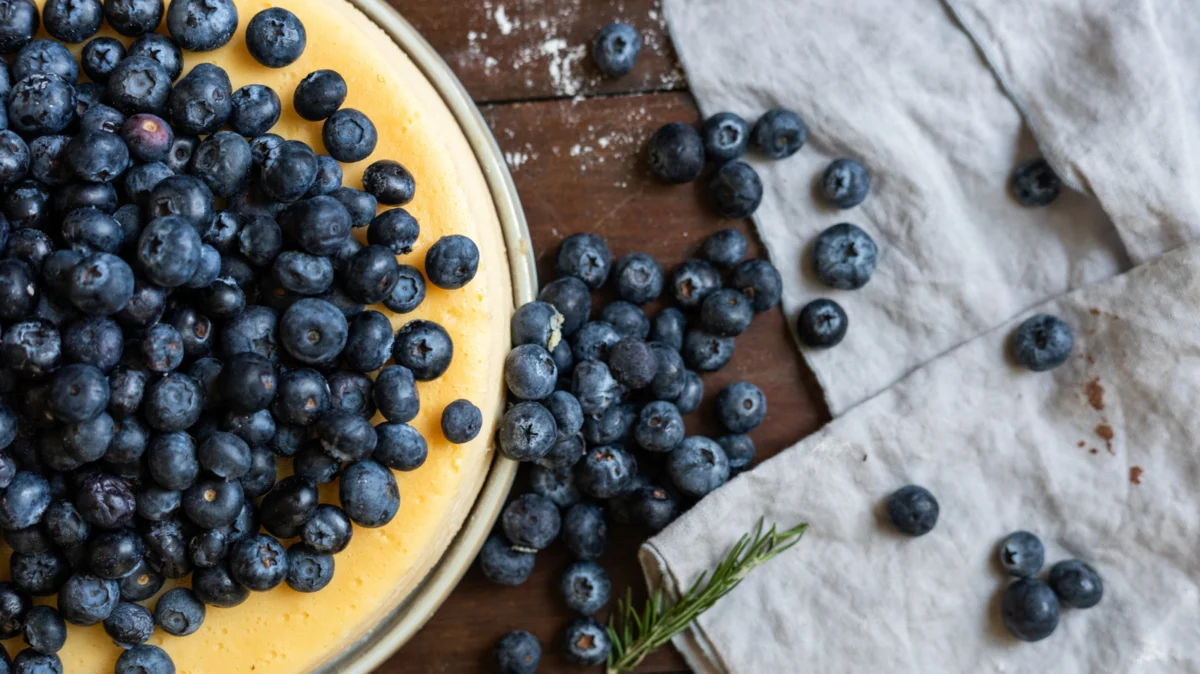
Blueberry cheesecake occupies a specialized niche in high-end pastry, primarily due to its capacity for advance preparation. Unlike many baked goods that lose quality over time, a properly stabilized cheesecake often benefits from a 24 to 48-hour refrigeration period. This allows the proteins in the cream cheese and eggs to fully set, creating a dense, velvety structure. The incorporation of blueberries—either as a topping or a folded inclusion—requires careful management of moisture content. When folding berries into the batter, dusting them with a small amount of flour is a standard industry practice to ensure the fruit remains suspended within the cake rather than settling at the base.
Bread Pudding and the Utilization of Surplus
Blueberry bread pudding serves as a practical application of food waste mitigation. By utilizing stale or day-old bread, this dessert achieves a custard-like interior that acts as a canvas for the burst of acidity provided by the blueberries. The chemistry of bread pudding relies on the absorption of a milk-and-egg custard into the starches of the bread. The recent trend of substituting whole milk with sweetened condensed milk has been noted by culinary experts as a method to increase richness and ensure a more uniform set. The addition of fats, such as white chocolate or butter, further balances the tartness of the berries.
Crumb Bars: Efficiency and Texture
Blueberry crumb bars represent an optimized approach to the "shortbread-and-fruit" format. By utilizing the same dough for both the base and the topping, bakers achieve an efficient structural composition. The key technical challenge is the setting of the fruit layer. Professional bakers typically employ cornstarch as a binding agent, which, when heated to the appropriate temperature, transforms the fruit juices into a stable gel. This ensures that the bars can be cleanly sliced without compromising the structural integrity of the dessert.
The Lemon-Blueberry Synergy
The combination of blueberry and lemon in pound cake is supported by the principles of flavor pairing. Lemon’s high citric acid content acts as a natural flavor enhancer for blueberries, which are inherently lower in acidity. This interplay of "bright" and "deep" flavors creates a balanced sensory experience. The density of a traditional pound cake—so named for the original pound-to-pound ratio of flour, butter, eggs, and sugar—provides a heavy, stable foundation that contrasts well with the lightness of the berries.
Icebox Cakes and No-Bake Methodology
The blueberry icebox cake is a testament to the influence of early refrigeration technology on domestic cooking. By utilizing a "soak" method, where graham crackers or similar cookies absorb moisture from a whipped cream and berry mixture, the dessert achieves a layered, cake-like texture without the need for an oven. This method is particularly effective for large-scale service, as the cooling period allows for a uniform distribution of flavors and a firm, sliceable structure.
Broader Implications and Culinary Conclusion
The sustained demand for blueberry-based desserts reflects a broader consumer trend toward fruit-forward, "classic" comfort foods. As supply chain logistics continue to improve, the availability of high-quality, flash-frozen blueberries ensures that these desserts remain accessible regardless of the growing season. From a culinary perspective, the success of these dishes is predicated on the careful balancing of the blueberry’s natural tartness with various fats, starches, and leavening agents. As the industry evolves, it is likely that these classic recipes will continue to be refined, with an increasing emphasis on texture, moisture control, and the integration of complementary aromatics to enhance the inherent characteristics of the fruit.
