
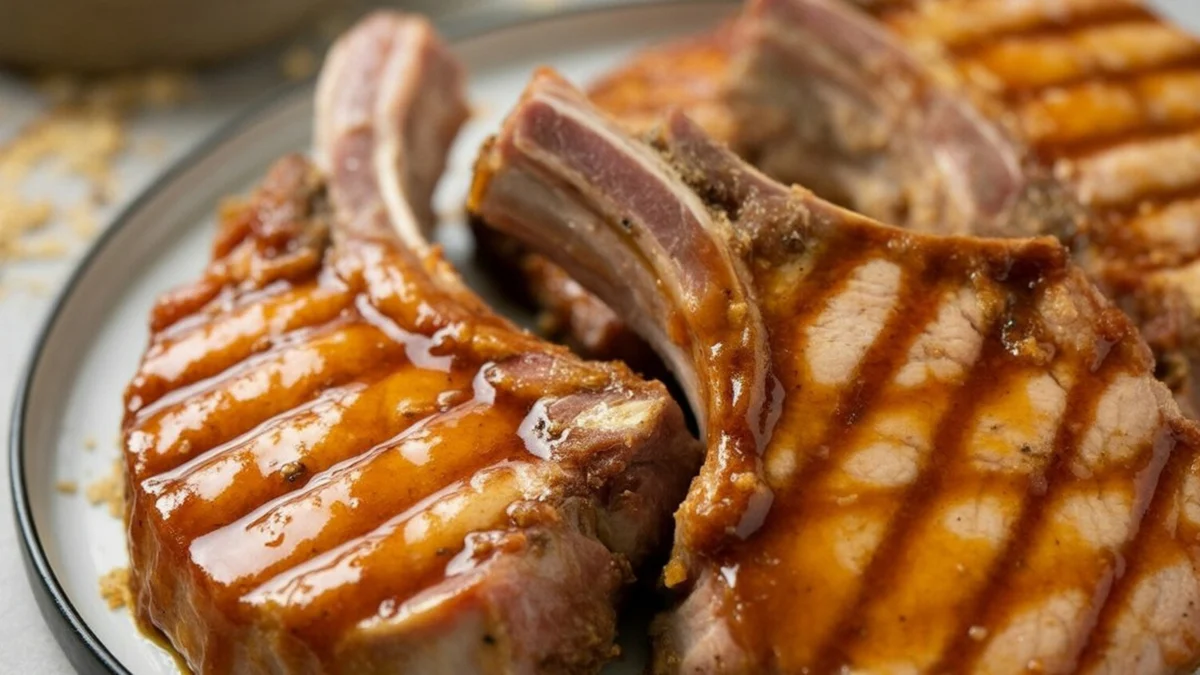
The quintessential sizzle and smoky aroma of barbecue are often synonymous with outdoor gatherings and the unmistakable char of a grill. While proteins like plump brats and juicy beef burgers rightfully claim their place on the grilling circuit, pork chops offer a subtly sweet and remarkably moist canvas for barbecue flavors that many might overlook. Traditionally, achieving that perfect grilled pork chop involves searing over direct heat and finishing over indirect heat, a method designed to lock in juices and ensure optimal seasoning, especially when paired with a delectable brine. This approach, when combined with a robust barbecue sauce, transforms pork chops into a dish that’s practically begging to be smothered in your favorite store-bought concoction. However, the allure of barbecue is not confined to fair weather or backyard patios. For those yearning for that signature smoky-sweet flavor during the colder months, inclement weather, or simply when a grill is not accessible, a remarkably effective solution exists: the stovetop. This versatile technique allows for the creation of mouthwatering barbecue pork chops right in your kitchen, proving that the grill is not the only path to barbecue bliss.
The Stovetop Shortcut to Smoky-Sweet Pork Chops
The beauty of this stovetop method lies in its accessibility and speed. Whether you opt for bone-in or boneless cuts, the principle remains the same: achieve a deep sear and then cook through to perfection. The key to preventing a steamed, rather than seared, outcome is meticulous preparation. After thoroughly seasoning your pork chops, a crucial step that draws out their inherent sweetness and moisture, the next critical element is heat. A grill pan, particularly one made of cast iron, is the ideal vessel for this endeavor. Its ability to retain and distribute heat evenly is paramount. Before the chops meet the scorching surface of the pan, ensure they are exceptionally dry. Patting them down thoroughly with a towel removes any surface moisture that would otherwise impede the searing process, leading to a less desirable texture.
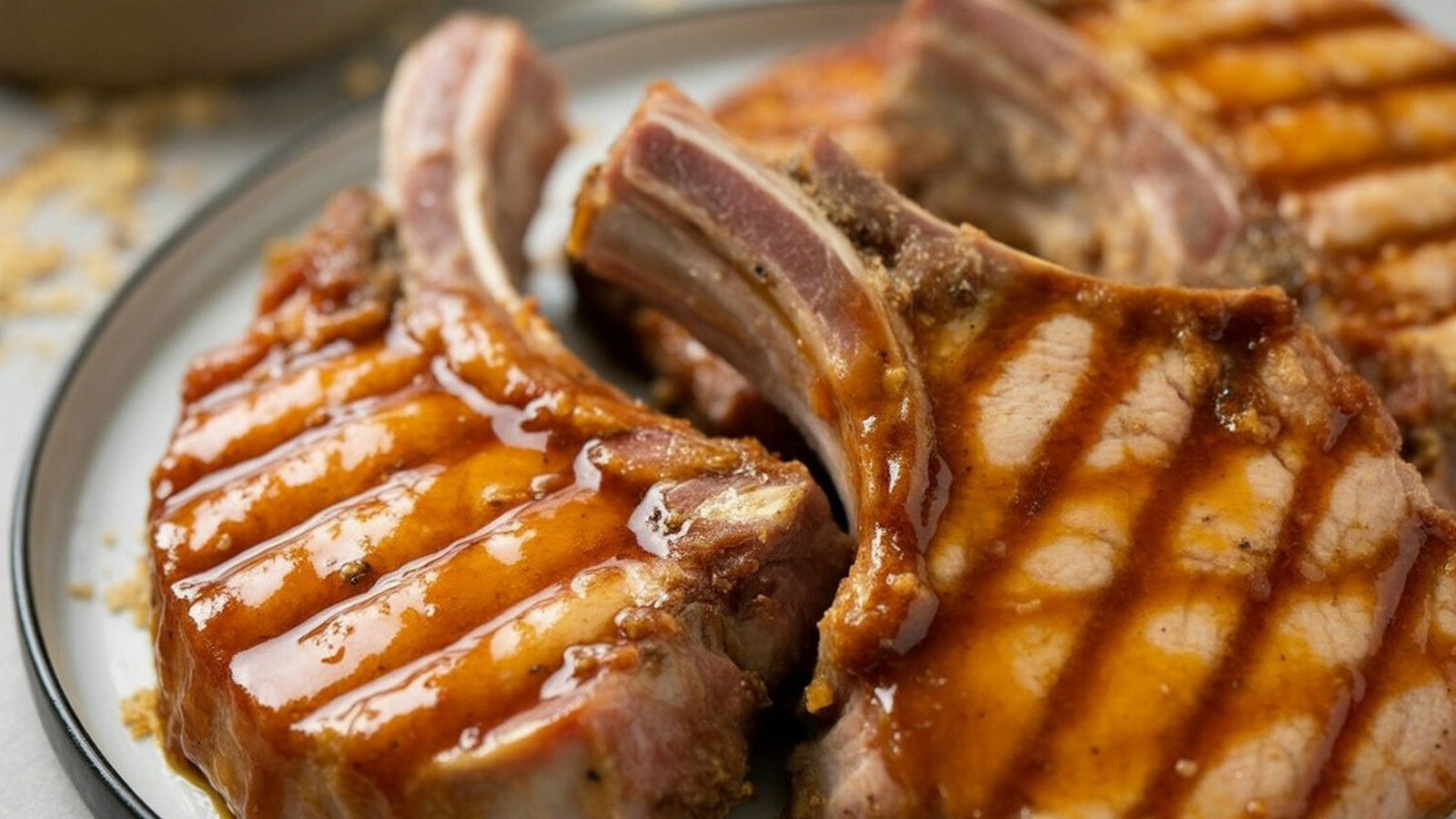
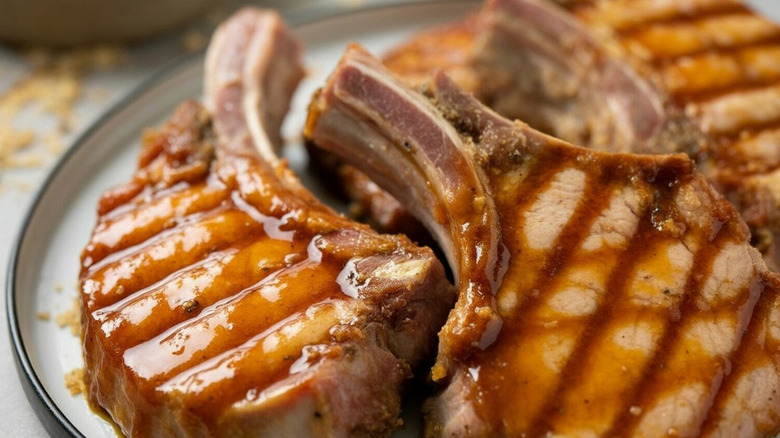
The cooking process on the stovetop is remarkably swift. In a matter of minutes, your pork chops will reach their optimal doneness. The USDA recommends an internal temperature of 145 degrees Fahrenheit for pork, ensuring both safety and a tender, juicy result. A reliable instant-read thermometer is an indispensable tool in achieving this precision. The application of barbecue sauce is a final flourish that elevates the dish. To achieve a beautifully caramelized glaze without the risk of burning, it is advisable to introduce the barbecue sauce during the last few minutes of cooking. This controlled application allows the sugars in the sauce to melt and meld with the pork, creating a sweet, sticky coating that enhances the overall flavor profile, all without the need for an outdoor grill.
A Deeper Dive into Pork Chop Preparation and Cooking Science
The popularity of pork as a protein source has seen a resurgence in recent decades, driven by advancements in farming practices and a greater understanding of safe internal cooking temperatures. Historically, pork was often overcooked to mitigate concerns about trichinosis, a parasitic disease. However, modern farming standards and a safe internal temperature of 145°F (63°C) followed by a three-minute rest have significantly reduced these risks, allowing for pork to be enjoyed at a more tender and flavorful medium-rare to medium. This culinary shift has opened doors to more sophisticated preparations, including the popular barbecue style.
The Maillard reaction, a complex chemical process responsible for browning and flavor development in food, plays a crucial role in achieving the desirable crust on stovetop pork chops. When proteins and sugars are exposed to high heat, they undergo a series of reactions that create hundreds of new flavor compounds. This is precisely what happens when a well-seasoned, dry pork chop hits a searing hot grill pan. The intense heat breaks down surface molecules, creating that savory, slightly charred exterior that is a hallmark of well-cooked meat. The subsequent addition of barbecue sauce introduces a different set of chemical interactions. The sugars within the sauce, when subjected to moderate heat, undergo caramelization, a process where sugars transform into a rich, complex, and slightly bitter flavor profile. The timing of this addition is critical; too early, and the sugars can burn, leading to an acrid taste. Too late, and the sauce may not adequately adhere or meld with the pork. The stovetop method offers a controlled environment to manage these reactions effectively.
Enhancing the Stovetop Barbecue Pork Chop Experience
While the stovetop method delivers a satisfying barbecue pork chop, its versatility extends far beyond a simple sauce application. The choice of barbecue sauce itself can dramatically alter the final flavor. Traditional Kansas City-style sauces, known for their thick, sweet, and tangy profiles, often featuring molasses, ketchup, and vinegar, offer a classic pairing. Alternatively, a spicier Texas-style sauce, which might incorporate more chili powder and cumin, can provide a robust kick. For those seeking a brighter, more acidic profile, an Eastern North Carolina-style vinegar-based sauce offers a zesty counterpoint that allows the natural flavor of the pork to shine through.
Beyond the sauce, the accompaniments can transform a simple weeknight meal into an elevated dining experience. The classic pairing of pork and applesauce is a testament to how well these two flavors harmonize. However, for a more sophisticated presentation, consider a parsnip and apple puree. The earthy sweetness of parsnips, when blended with tender apples, creates a smooth, luxurious side dish that beautifully complements the savory notes of the pork and the sweetness of the barbecue sauce. This technique, often seen in more refined culinary settings, can be easily replicated in a home kitchen.
Furthermore, the concept of stuffing pork chops, a technique that adds layers of flavor and moisture, can be adapted to this stovetop preparation. Imagine stuffing thick-cut pork chops with a vibrant apple chutney. The chutney, with its medley of cooked apples, spices, and perhaps a hint of ginger or cinnamon, would infuse the pork from within as it cooks. This internal flavor infusion, combined with a hickory-smoked barbecue sauce, would create a dish with remarkable depth and complexity, offering a gourmet experience achievable without a grill.
The Broader Impact: Culinary Accessibility and Innovation
The ability to replicate popular grilled dishes on the stovetop has significant implications for culinary accessibility. It democratizes cooking, allowing individuals without access to outdoor grilling equipment, or those living in regions with restrictive weather patterns, to enjoy a wider range of beloved recipes. This innovation is particularly relevant in urban environments where outdoor space for grilling may be limited. Moreover, it empowers home cooks to experiment with flavor profiles and techniques that were once perceived as exclusive to outdoor cooking.
The trend of adapting traditional grilling recipes for indoor preparation is part of a larger culinary movement that prioritizes convenience, flavor, and resourcefulness. As busy lifestyles become the norm, and as culinary knowledge becomes more widely disseminated through digital platforms, the demand for efficient and delicious home-cooked meals continues to grow. Stovetop barbecue pork chops are a prime example of how culinary creativity can bridge the gap between desired flavors and practical execution, proving that delicious, satisfying meals are always within reach, regardless of the season or available equipment. The continued exploration of such adaptations will undoubtedly lead to further culinary innovations, making a diverse array of cooking styles and flavors accessible to a broader audience.
