
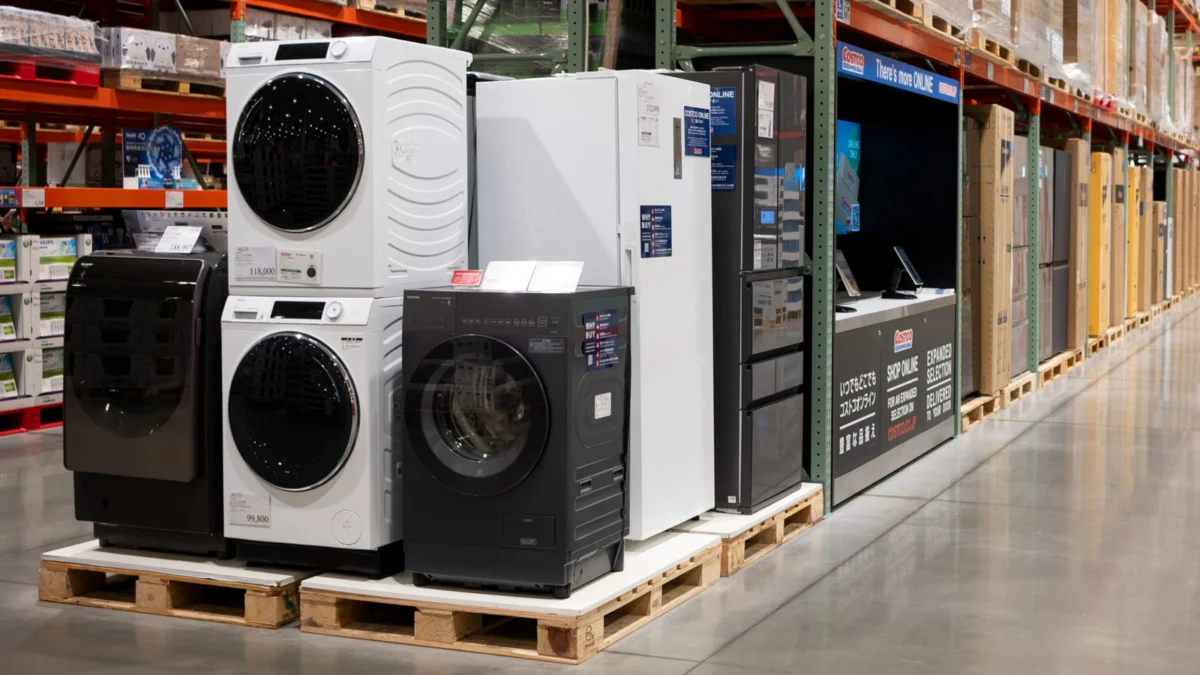
Costco, a retail behemoth renowned for its vast selection of goods, from bulk groceries to home appliances, faces a perennial challenge: managing unsold and returned merchandise. This is particularly true for its extensive kitchenware and appliance inventory. While the company’s generous return policy is a significant draw for consumers, it also contributes to a substantial volume of items that cannot be resold on the regular sales floor. The question of what happens to these items is met with a sophisticated, business-to-business solution that leverages online liquidation auctions.
The primary mechanism through which Costco disposes of damaged, seasonal, or returned kitchen goods, as well as other non-perishable merchandise, is through specialized online liquidation platforms. The company partners with B-Stock Solutions, a business-to-business marketplace that facilitates the sale of bulk inventory from major retailers. These auctions are not open to the general public but are exclusively for business owners who possess a valid Resale Certificate, also known as a Sales Tax ID or Seller’s Permit. This requirement ensures that the merchandise is being acquired for resale purposes, aligning with the business model of liquidation.
The Liquidation Process: A B2B Marketplace for Bulk Goods
At these B-Stock auctions, registered business owners can bid on pallets of Costco merchandise. These pallets are typically comprised of up to ten 4×4 wooden units, filled with a variety of non-perishable items. The inventory can include both brand-name products and Costco’s in-house Kirkland Signature line. The appeal for these businesses lies in the opportunity to acquire goods at a significantly reduced price, allowing them to then resell these items through their own retail channels, whether online or brick-and-mortar stores.
The transparency of the B-Stock platform is a key feature. Auction listings provide crucial information to potential buyers, including the origin of the pallets (often shipping from major distribution hubs like Atlanta, Dallas, Salt Lake City, and West Palm Beach) and the Stock Keeping Unit (SKU) numbers for each item within a pallet. This allows businesses to conduct thorough research and understand the exact contents of what they are bidding on. Furthermore, each item is assigned a grading code, such as A/B, C/D, or New/Overstock. This grading system provides vital insights into the condition of the merchandise:
- New/Overstock: These items are typically brand-new, unused, and often in their original packaging. They may be excess inventory from a product cycle or items that were never sold.
- A/B Grade: This category generally represents items that are in excellent or good condition. They may have been lightly used, are open-box returns, or have minor cosmetic imperfections that do not affect their functionality.
- C/D Grade: These items may show more significant signs of wear, damage, or missing components. While still potentially valuable, they require more careful assessment and may be suitable for refurbishment or sale at a lower price point.
This detailed grading system empowers business owners to make informed bidding decisions, assessing the potential profitability and risk associated with each pallet. The ability to scrutinize the contents and condition of the merchandise before committing to a purchase is a critical advantage offered by Costco’s liquidation strategy.
Beyond Kitchenware: A Comprehensive Approach to Surplus Inventory
While kitchen items and appliances are frequently found in these liquidation auctions, the scope of merchandise handled by Costco extends far beyond the kitchen. Business owners participating in these B-Stock auctions can also find a diverse range of other products. This includes electronics, home entertainment systems, laundry machines, cleaning supplies such as vacuums, and even furniture. The sheer volume and variety of goods available reflect Costco’s expansive retail footprint and its commitment to finding a secondary market for all types of surplus inventory.
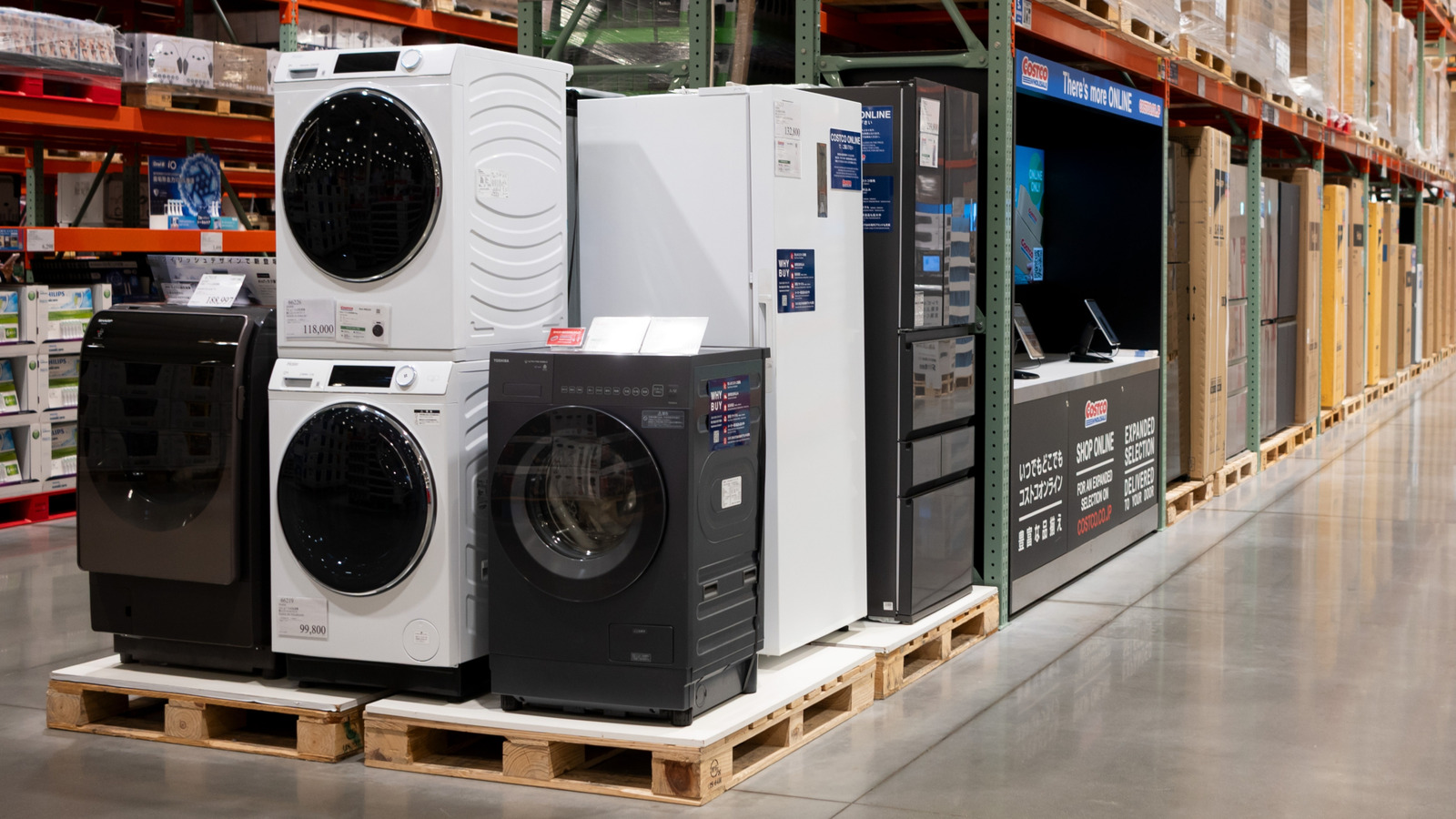
The quality of items available through Costco’s liquidation channels is often cited as a distinguishing factor compared to other major retailers like Amazon or Walmart, which also utilize liquidation platforms. While Costco’s auction prices may sometimes be higher, the general consensus among liquidators is that the quality and condition of the merchandise tend to be superior. This can translate into higher profit margins for businesses that are adept at sourcing and reselling these goods. For those interested in specific Costco kitchen finds, items like refrigerators, dishwashers, and a wide array of small appliances such as blenders and air fryers are often present. Similarly, cookware and bakeware are also commonly available.
A Different Approach for Perishable Goods
Costco’s strategy for managing unsold items shifts significantly when it comes to perishable goods, particularly food and produce. In these instances, the company demonstrates a commitment to reducing food waste and supporting community welfare. Instead of being sent to liquidation auctions, unsold produce is directed to organizations such as Feeding America, local food banks, and shelters. This ensures that food that is still safe for consumption reaches individuals and families in need.
Furthermore, fruits and vegetables that are no longer suitable for human consumption but are still wholesome are often sent to farms. There, they are utilized as feed for animals, providing a sustainable and beneficial secondary use for the produce. This practice not only diverts waste from landfills but also supports the agricultural sector.
Similarly, leftover bakery items, such as bread, pastries, and cakes, are also donated to food banks and charitable organizations. This ensures that these goods, which have a limited shelf life, are distributed to those who can benefit from them before they expire. This tiered approach to surplus management—liquidation for non-perishables and donation/alternative use for perishables—underscores Costco’s multifaceted strategy for responsible inventory control.
The Broader Implications of Costco’s Liquidation Model
Costco’s approach to managing unsold merchandise has several significant implications. For consumers, the company’s robust return policy, while beneficial, indirectly fuels this liquidation market. For businesses, the B-Stock platform provides a vital avenue for acquiring inventory at competitive prices, fostering entrepreneurship and supporting smaller retailers. The emphasis on B2B transactions ensures that the items are recirculated within the economy, contributing to a circular economy model.
The transparency in grading and item listing on B-Stock is crucial. It allows businesses to operate with a degree of certainty, mitigating some of the risks inherent in purchasing bulk liquidation inventory. This can lead to a more stable and predictable supply chain for secondary market retailers. Moreover, by partnering with a specialized platform like B-Stock, Costco can streamline its logistics and efficiently manage a large volume of surplus goods, thereby reducing its own operational costs and minimizing the environmental impact of unsold inventory.
The success of Costco’s model is partly due to its scale. As one of the largest retailers globally, the sheer volume of merchandise it moves creates a consistent and substantial supply of liquidation lots. This reliability makes the B-Stock auctions an attractive proposition for professional liquidators and resellers.
A Look at the Numbers and Trends
While specific figures for the volume of kitchen merchandise liquidated by Costco are not publicly disclosed, industry trends offer some perspective. The global liquidation market is a multi-billion dollar industry, driven by retailers seeking to recover costs on unsold inventory, customer returns, and overstock. For large retailers like Costco, managing this surplus is not just about recouping losses but also about maintaining efficient warehouse space and avoiding the environmental burden of landfilling usable goods.
The growth of e-commerce has also influenced the liquidation landscape. Many businesses that participate in Costco’s auctions are online retailers who specialize in selling discounted or surplus goods. The ability to source a wide variety of items from a single, reputable vendor like Costco is a significant advantage in the competitive online marketplace.
The types of kitchen items that tend to be returned or become overstock can vary. Seasonal items, such as specialized baking equipment for holiday baking or grilling accessories, are prone to becoming surplus after their peak season. High-value appliances, while less frequently returned than smaller items, can also end up in liquidation if they are damaged during shipping, are floor models, or are part of a product recall. The popularity of home cooking and kitchen renovation trends can also influence the demand for certain types of kitchenware, leading to overstock situations when demand shifts.
Costco’s Commitment to Sustainability
Costco’s efforts in donating unsold food and produce align with broader corporate sustainability goals. Many large corporations are increasingly focused on reducing their environmental footprint, and managing inventory waste is a significant component of this. By diverting food from landfills, Costco not only addresses the immediate issue of food waste but also contributes to reducing methane emissions, a potent greenhouse gas.
The practice of sending unsellable produce to farms for animal feed is another example of a closed-loop system that minimizes waste. This approach is becoming more prevalent as businesses seek innovative solutions to manage by-products and waste streams.
The Future of Retail Liquidation
As retail continues to evolve, with a growing emphasis on sustainability and efficiency, models like Costco’s liquidation auctions are likely to become even more important. The B-Stock platform represents a sophisticated and scalable solution for managing the complex logistics of unsold inventory. For consumers, understanding that their returns and overstock items can find a new life through these business-to-business channels offers a more complete picture of the retail ecosystem. The continuous cycle of production, sale, return, and resale, facilitated by companies like Costco and platforms like B-Stock, is an integral, though often unseen, part of the modern economy.
