
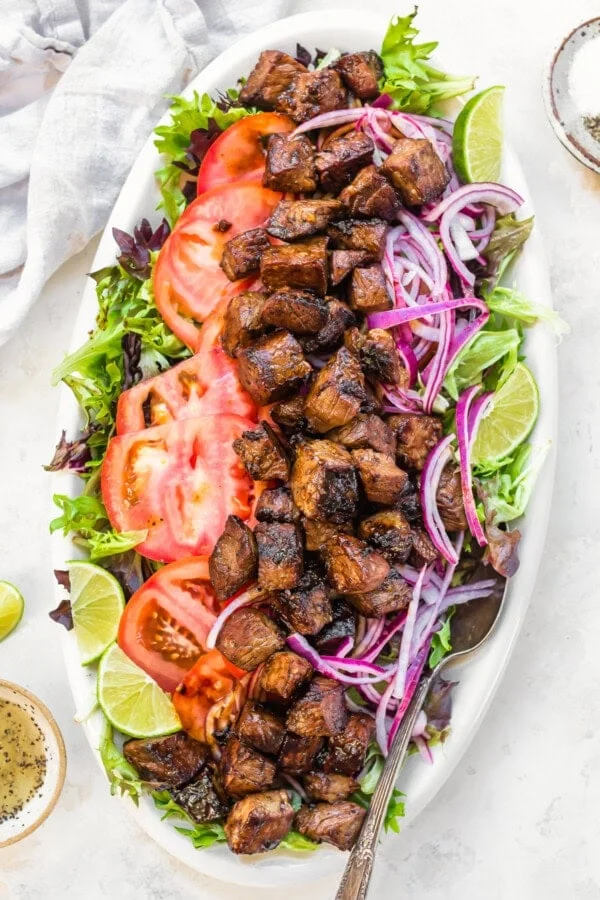
Vietnamese Shaking Beef, known natively as Bò Lúc Lắc, is a celebrated dish that masterfully combines a symphony of flavors and textures into a single, satisfying meal. Often presented as a steak salad, it features tender, quickly seared beef cubes served atop a vibrant bed of fresh greens and ripe tomatoes, crowned with piquant pickled onions, and accompanied by a bright, zesty lime dipping sauce. This dish, whose name literally translates to "beef shake," derives its evocative moniker from the energetic tossing motion employed during its rapid cooking in a hot wok, ensuring each piece of beef achieves a perfect, caramelized crust. It represents a quintessential example of Vietnamese culinary philosophy: a harmonious blend of sweet, sour, salty, and savory elements, designed to be both light and profoundly flavorful.
Historical and Cultural Roots of Bò Lúc Lắc
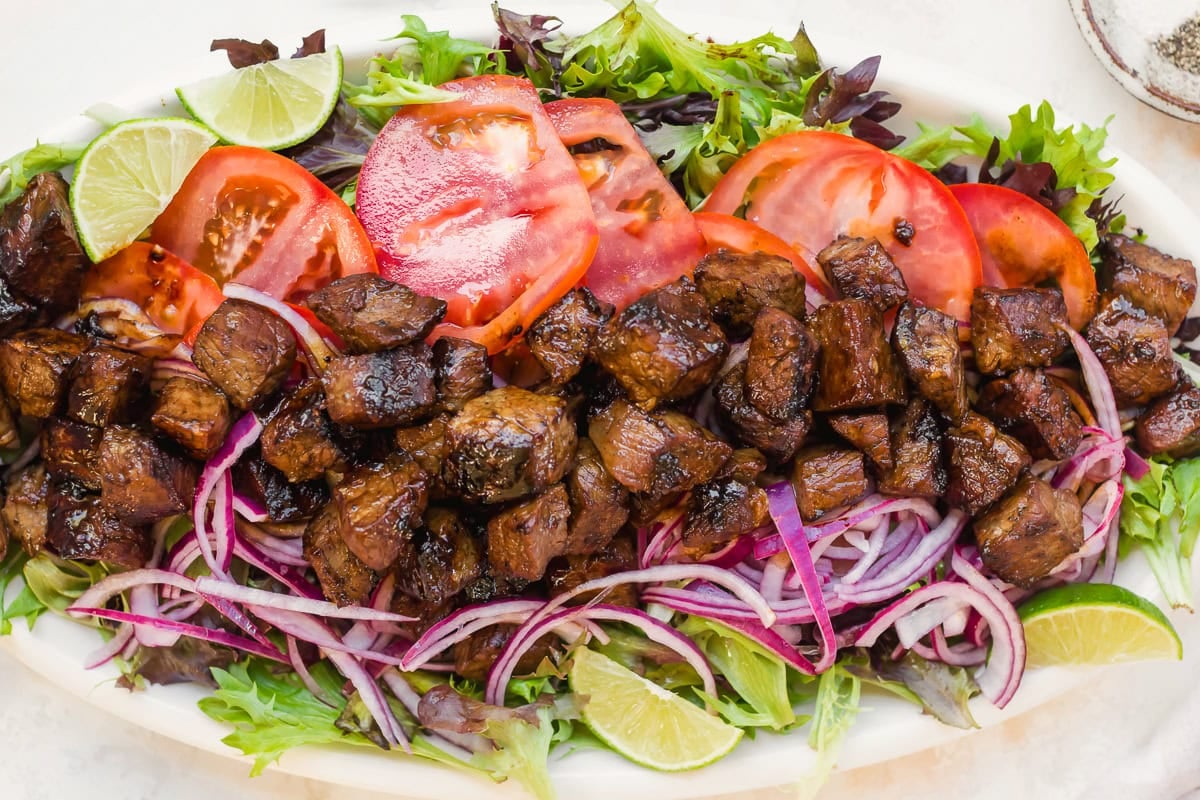
The origins of Bò Lúc Lắc are somewhat debated, though it is widely believed to have emerged from the fusion of French colonial influence and traditional Vietnamese cooking techniques. The French introduced beef to Vietnam, and local chefs adapted it into dishes that resonated with Vietnamese palates. Bò Lúc Lắc, with its cubed beef reminiscent of European preparations, yet infused with Southeast Asian aromatics and served with fresh vegetables, stands as a testament to this culinary intermingling. Historically, beef was a luxury in Vietnam, making dishes like Bò Lúc Lắc a specialty often reserved for celebratory occasions or served in higher-end restaurants. Over time, as beef became more accessible, Bò Lúc Lắc transitioned into a widely cherished staple, found everywhere from bustling street food stalls to family dinner tables across the country and throughout the Vietnamese diaspora. Its inherent versatility and quick preparation time have cemented its place as a beloved classic.
The dish’s enduring popularity stems from its balanced profile. The richness of the beef is cut by the acidity of the lime and vinegar in the dipping sauce and pickled onions, while the freshness of the salad greens provides a refreshing contrast to the savory meat. This intricate balance of flavors, known as ngũ vị (five fundamental tastes) in Vietnamese cuisine, is a cornerstone of its appeal. The precise execution of each component, from the marinade to the searing technique, is crucial in achieving the authentic Bò Lúc Lắc experience that diners have come to expect and cherish.
The Art of "Shaking": A Signature Cooking Technique
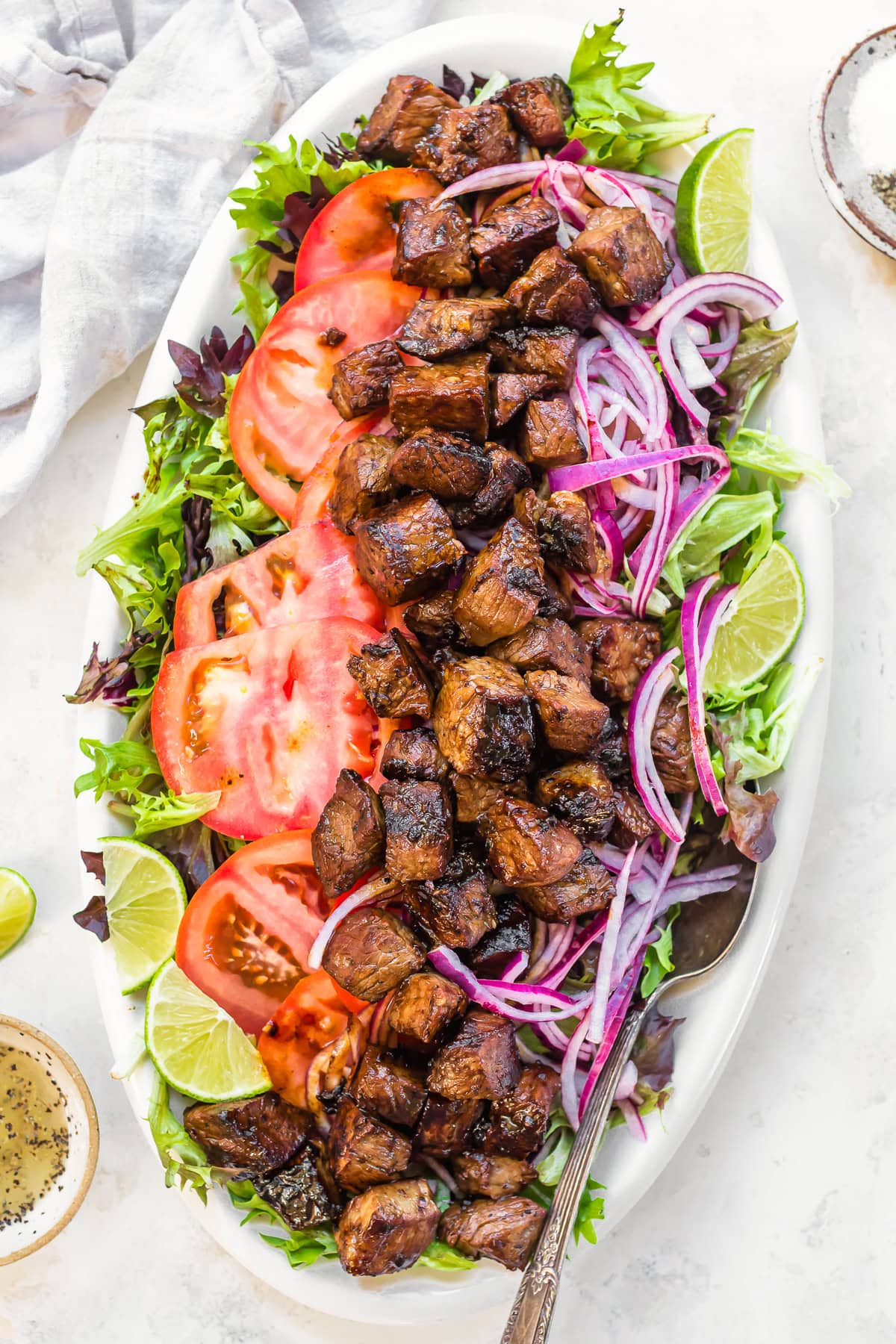
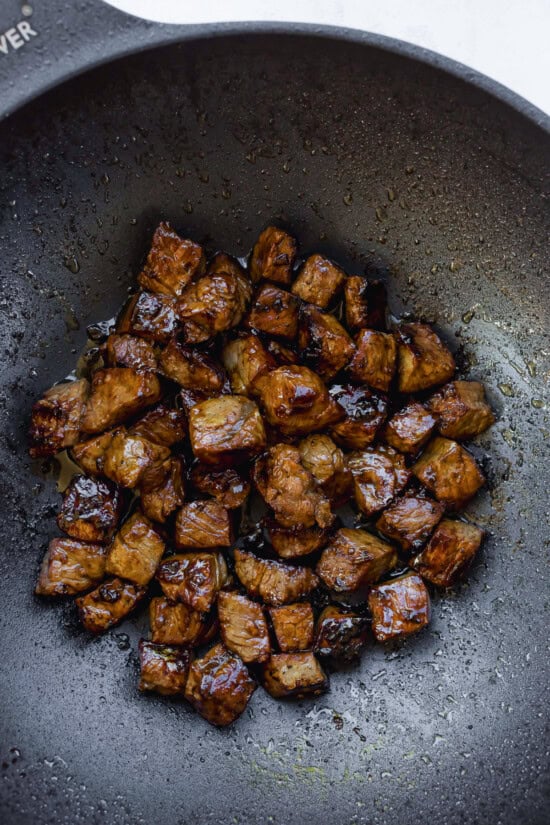
The term "shaking" is not merely descriptive but is central to the dish’s identity and successful preparation. In Vietnamese, "lúc lắc" specifically refers to the vigorous back-and-forth motion of tossing ingredients in a wok or pan over high heat. This technique is critical for several reasons. Firstly, it ensures that the beef cubes are evenly seared on all sides, creating a desirable crust that locks in juices and develops a rich, umami flavor. The high heat, often achieved in a wok, allows for rapid caramelization of the beef’s exterior, while keeping the interior tender and juicy. This quick cooking process is essential to prevent the beef from becoming tough.
Secondly, the shaking motion facilitates the even distribution of the marinade’s flavors onto the beef as it cooks, allowing the sugars and seasonings to caramelize and adhere to the meat. The speed and intensity of the toss are paramount; a chef must maintain control over the pan to prevent the beef from steaming rather than searing. This technique, while seemingly simple, requires practice and a keen understanding of heat management. The result is perfectly cooked beef cubes, each boasting a tantalizing char and a succulent interior, a hallmark of expertly prepared Bò Lúc Lắc. The culinary tradition of "lúc lắc" highlights the dynamic and interactive nature of Vietnamese stir-frying, where precision and swiftness are as important as the ingredients themselves.
Deconstructing the Flavor Profile: Marinade, Dipping Sauce, and Salad

The complexity of Bò Lúc Lắc lies in the interplay of its three primary components: the marinated beef, the vibrant salad, and the signature dipping sauce. Each plays an indispensable role in creating the dish’s characteristic flavor.
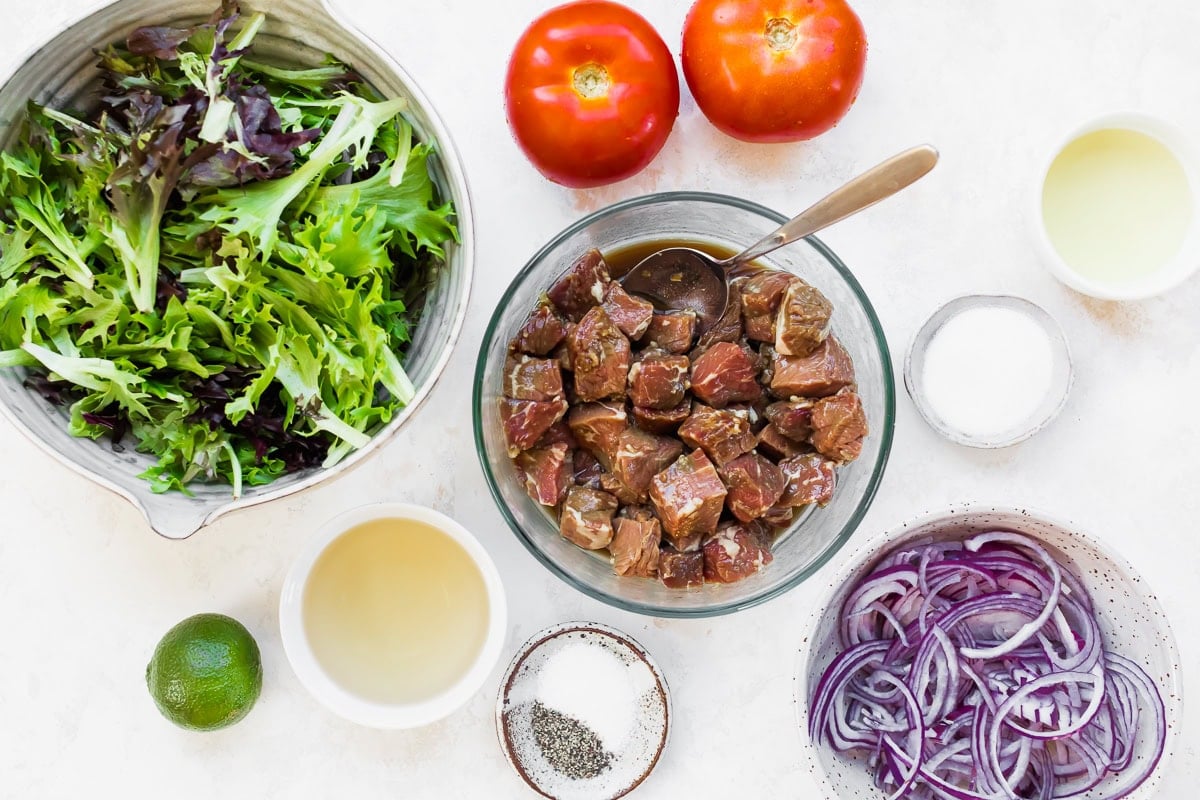
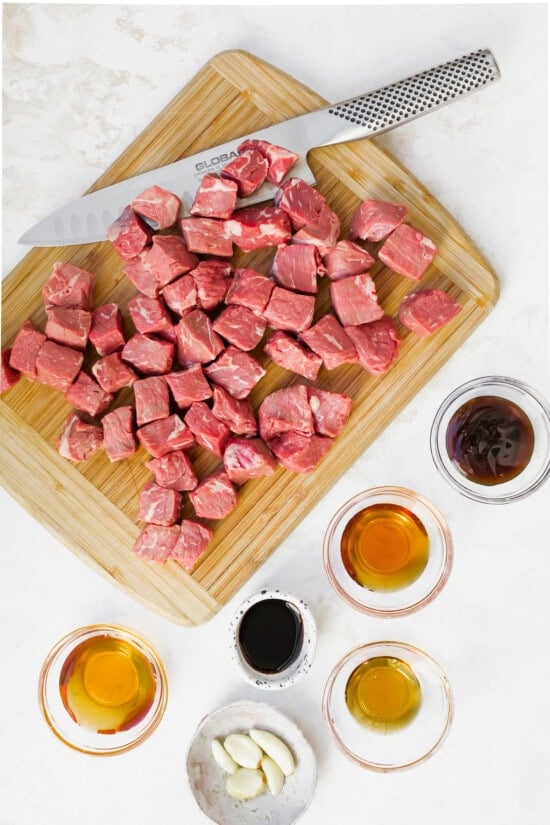
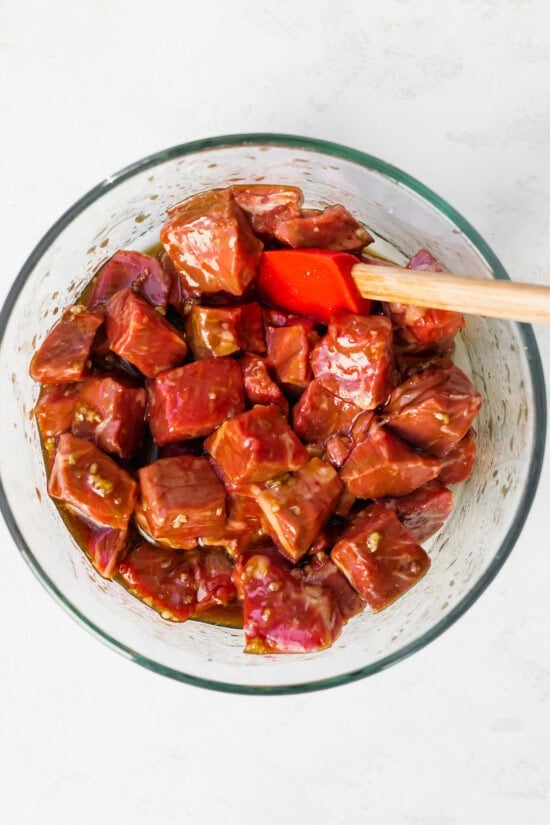
The beef marinade is typically a savory-sweet concoction that imbues the meat with depth before cooking. Common ingredients include soy sauce for saltiness and umami, oyster sauce for a touch of sweetness and richness, a hint of sugar to aid caramelization, minced garlic for pungent aroma, and freshly ground black pepper, which adds a crucial spicy kick and distinctive fragrance. Some recipes might also incorporate a splash of sesame oil or rice wine for added complexity. The beef, often sirloin or tenderloin cut into bite-sized cubes, is typically marinated for at least an hour, or even overnight, to allow the flavors to penetrate thoroughly. This pre-treatment is vital for both tenderizing the meat and ensuring it absorbs the foundational flavors that define the dish.
The dipping sauce, known as muối tiêu chanh, is a critical counterpoint to the rich beef. It’s typically a simple yet potent mixture of fresh lime juice, salt, and black pepper, sometimes with a touch of sugar or fish sauce to round out the flavor profile. The vibrant acidity of the lime cuts through the richness of the beef, cleansing the palate and enhancing each bite. In some variations, a finely minced bird’s eye chili is added to provide a fiery kick, catering to those who prefer a spicier experience. This dipping sauce isn’t just an accompaniment; it’s an active participant in the flavor journey, allowing diners to customize the intensity of tang and spice with every morsel.

Finally, the salad base provides a refreshing and textural contrast. It commonly features crisp lettuce leaves, often butter lettuce or romaine, sliced ripe tomatoes, and thinly sliced cucumbers. The inclusion of pickled onions is another crucial element. These are typically red onions, thinly sliced and briefly marinated in a mixture of vinegar, sugar, and water, which softens their sharpness and adds a delightful sweet-tart crunch. The cool, crisp vegetables offer a refreshing counterpoint to the warm, savory beef, creating a harmonious balance that prevents the dish from feeling heavy. Together, these components create a multi-layered sensory experience that is both invigorating and deeply satisfying.
Nutritional Profile and Modern Adaptations
Bò Lúc Lắc, in its traditional form, offers a relatively balanced nutritional profile, especially when compared to many other meat-centric dishes. The core components – lean beef, fresh vegetables, and a light dressing – contribute to its appeal as a wholesome meal. According to the provided nutritional data, a serving of 3 oz beef with lettuce, onions, and tomato contains approximately 216 kcal, 11.5 g carbohydrates, 28 g protein, 7 g fat, 1.5 g saturated fat, 78 mg cholesterol, 796.5 mg sodium, 1 g fiber, and 7.5 g sugar. This data highlights its strength as a high-protein, moderate-fat meal, making it an attractive option for those seeking satisfying yet health-conscious dining. The significant protein content contributes to satiety and muscle maintenance, while the fresh vegetables provide essential vitamins, minerals, and dietary fiber.
In contemporary culinary practices, there has been a noticeable trend towards adapting traditional recipes to align with modern dietary preferences and health goals. For Bò Lúc Lắc, this often involves subtle adjustments to "lighten" the dish without compromising its authentic flavor. For instance, the original article mentions adjustments made by a recipe developer to reduce the caloric or fat content. These modifications might include:
- Leaner Beef Cuts: Opting for even leaner cuts of beef or trimming excess fat more meticulously.
- Reduced Sugar in Marinade/Sauces: Minimizing the sugar content in the marinade and dipping sauce, or using natural sweeteners in moderation.
- Controlled Oil Usage: Employing less oil during the searing process, perhaps using a non-stick wok or pan, or opting for healthier cooking oils.
- Increased Vegetable Proportion: Emphasizing a larger serving of fresh greens and other vegetables to boost fiber and nutrient intake.
- Sodium Management: Being mindful of sodium levels, especially from soy sauce and fish sauce, and exploring low-sodium alternatives where possible.
These adaptations reflect a broader movement in gastronomy to make ethnic dishes more accessible to diverse dietary needs while preserving their cultural essence. The ability of Bò Lúc Lắc to be customized in this manner underscores its versatility and its potential to remain a relevant and beloved dish in an evolving culinary landscape.
Global Popularity and Culinary Impact
Bò Lúc Lắc’s appeal has transcended Vietnamese borders, establishing itself as a popular dish in international cuisine, particularly in countries with significant Vietnamese diaspora communities like the United States, France, Canada, and Australia. Its delicious flavor profile, relatively simple preparation, and vibrant presentation have made it a favorite in Vietnamese restaurants worldwide.
The dish’s global recognition can be attributed to several factors:
- Accessibility of Ingredients: Most ingredients for Bò Lúc Lắc are readily available in international markets, making it approachable for home cooks and chefs outside Vietnam.
- Adaptability: As noted, the dish is adaptable to various dietary preferences and ingredient availabilities, allowing it to resonate with a broader audience.
- "Gateway" Dish: For many who are new to Vietnamese cuisine, Bò Lúc Lắc serves as an excellent entry point. Its familiar components (beef, salad) are presented with exotic yet approachable flavors, easing diners into the richness of Vietnamese culinary traditions.
- Food Media and Blogging: The rise of food media, including culinary blogs and television shows, has played a significant role in popularizing ethnic dishes. Recipes for Bò Lúc Lắc are widely shared, enabling enthusiasts to recreate the dish at home and further spreading its renown. The mention of resources like "Ravenous Couple" in the original article underscores the role of online culinary communities in disseminating authentic recipes and techniques.
The culinary impact of Bò Lúc Lắc extends beyond its popularity. It showcases the elegance of Vietnamese cuisine’s balance and freshness, often challenging preconceptions that Asian food is solely noodle or rice-based. It highlights the ingenuity in transforming simple ingredients into a dish that is both complex in flavor and satisfyingly light. Its success on the global stage contributes to the broader appreciation and understanding of Vietnamese culinary heritage, fostering cultural exchange through food.
Expert Perspectives and Future Outlook
Culinary experts and food critics often praise Bò Lúc Lắc for its masterful blend of textures and tastes. Chef An Nguyen, a prominent figure in Vietnamese-American cuisine, once commented, "Bò Lúc Lắc is more than just a dish; it’s an experience. The sizzle of the beef, the crunch of the greens, and the bright dip—it’s a perfect symphony." Food writer and critic Emily Chen added, "What makes Bò Lúc Lắc exceptional is its deceptive simplicity. Achieving that perfect sear while keeping the beef tender, and balancing the robust marinade with the delicate freshness of the salad, is a true art." These insights underscore the technical skill and thoughtful balance required to execute the dish authentically.
Looking ahead, Bò Lúc Lắc is poised to maintain its status as a beloved classic while continuing to evolve. As global palates become more sophisticated and health-conscious, there will likely be further innovations in ingredient sourcing, such as sustainable beef options or plant-based alternatives for the beef itself. The integration of local, seasonal produce into the salad components will also likely grow, reflecting a broader farm-to-table movement. Furthermore, the increasing interest in fermented foods might lead to new variations of pickled accompaniments or even fermented elements within the dipping sauce, adding another layer of complexity to this already rich dish.
The enduring appeal of Bò Lúc Lắc lies in its timeless combination of comforting familiarity and exotic allure. It is a testament to the power of a well-crafted recipe to transcend geographical boundaries and become a cherished part of the global culinary tapestry. Whether enjoyed in a traditional Vietnamese eatery or prepared in a home kitchen, Bò Lúc Lắc continues to offer a delightful journey for the senses, embodying the vibrant spirit of Vietnamese gastronomy.
