
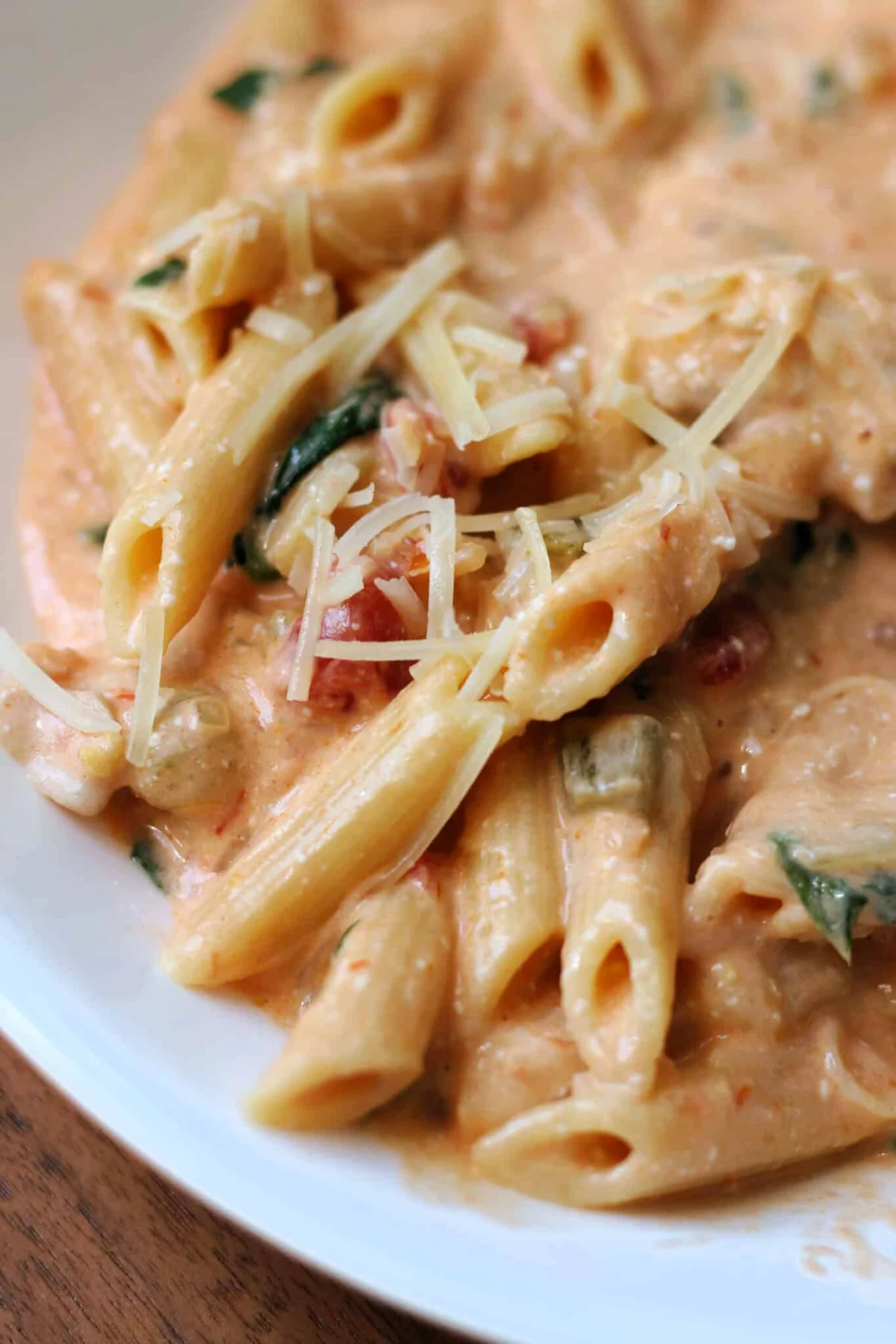
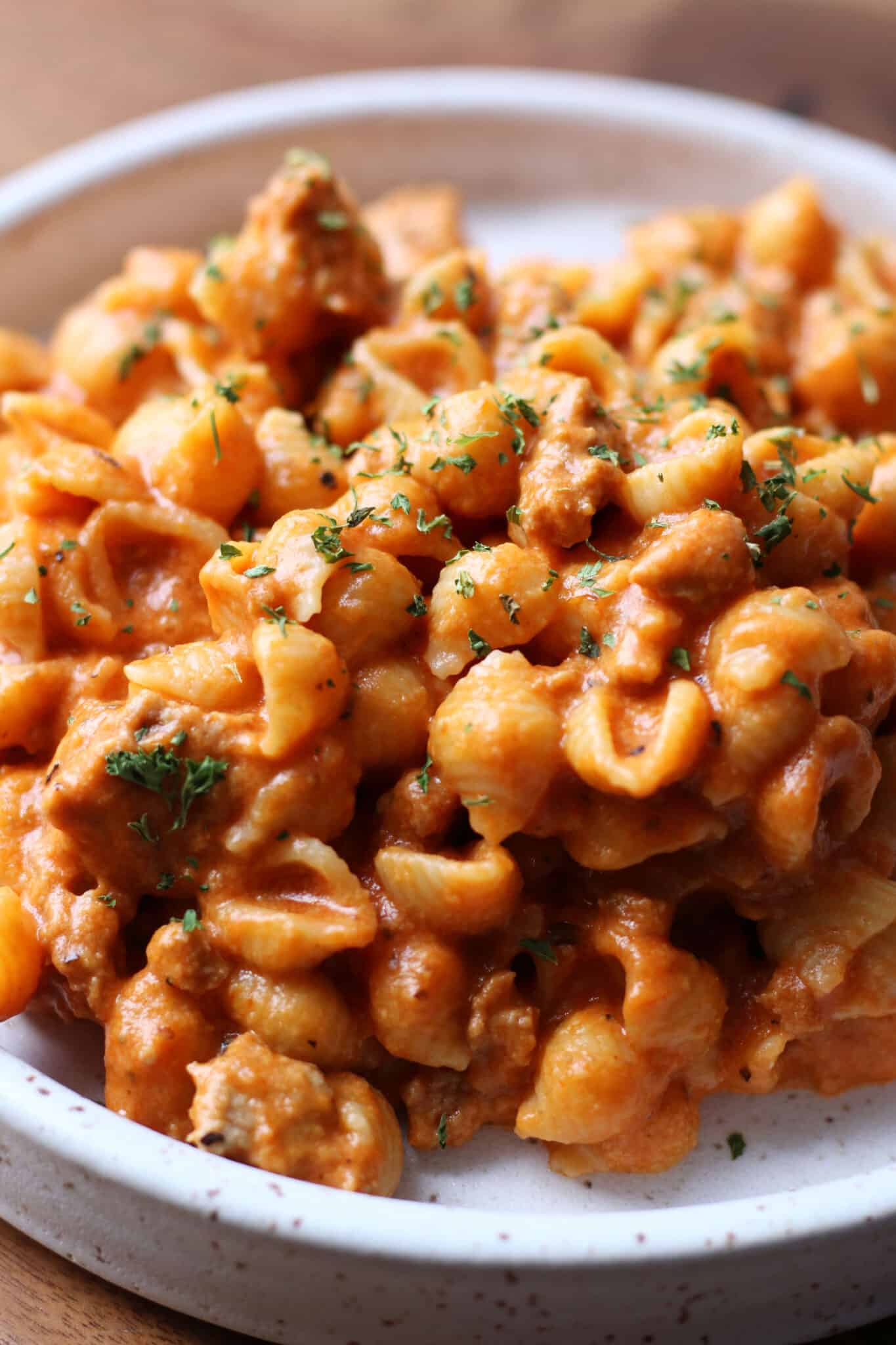
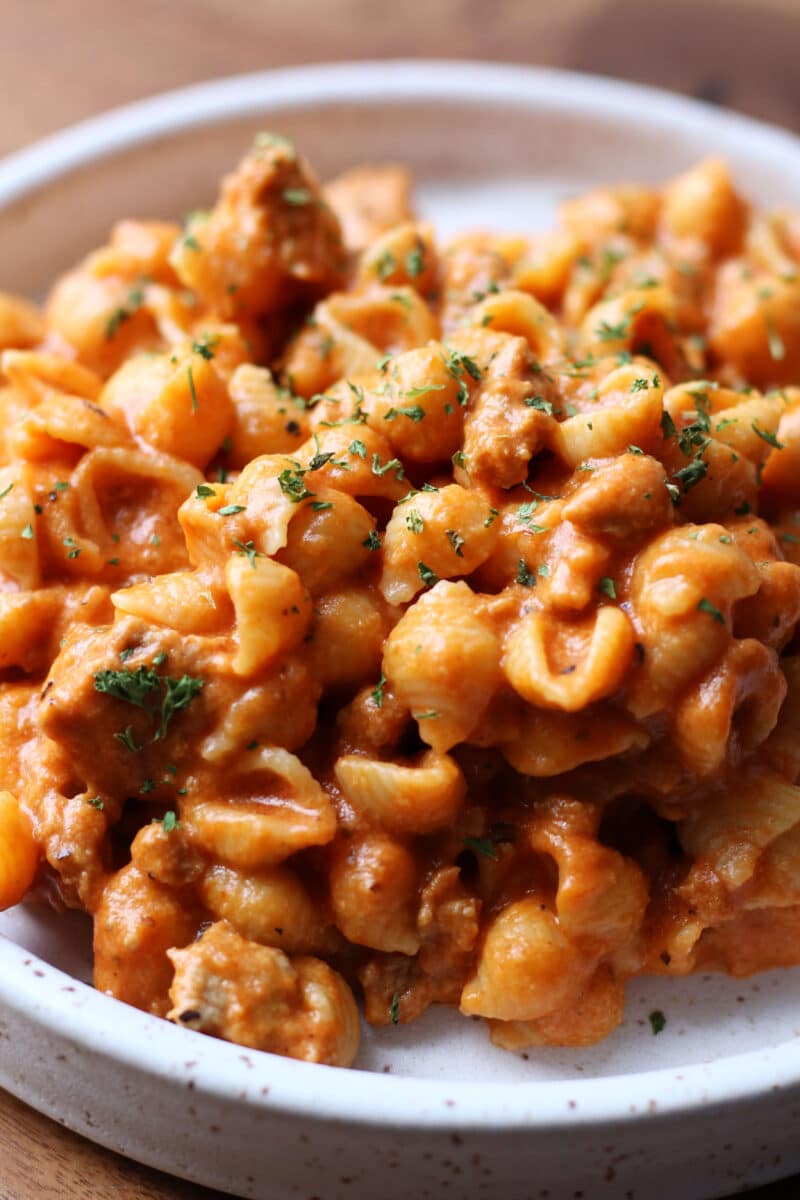
Uncle Tony’s Casserole represents a modern evolution of the classic American comfort food tradition, specifically reimagined for the era of the electric multi-cooker. This dish, characterized by its creamy texture and robust flavor profile, utilizes the Instant Pot to transform staple pantry ingredients—such as ground protein, small pasta shells, tomato sauce, and dairy components—into a comprehensive one-pot meal. As domestic cooking habits continue to shift toward efficiency without sacrificing nutritional quality, recipes like Uncle Tony’s Casserole have gained significant traction among home chefs seeking to replicate the convenience of mid-century "boxed" meals while utilizing fresh, whole ingredients.
The Rise of the One-Pot Pressure Cooker Meal
The culinary landscape has undergone a radical transformation over the last decade, driven largely by the proliferation of the electric pressure cooker. Since the Instant Pot’s introduction to the market, it has become a cornerstone of the modern kitchen, particularly for its ability to reduce cooking times for complex carbohydrates and proteins. Uncle Tony’s Casserole sits at the intersection of this technological advancement and the nostalgic "Hamburger Helper" aesthetic of the 1970s and 1980s.
The dish is engineered to address the common "flatness" associated with quick-cook tomato sauces by incorporating brightening agents such as ketchup and red wine vinegar. These additions provide a necessary acidity that cuts through the richness of the cheddar cheese and sour cream added at the conclusion of the cooking process. By utilizing small pasta shells, the recipe ensures maximum sauce retention, as the concave shape of the pasta acts as a vessel for the emulsified tomato and dairy base.
Comprehensive Ingredient Analysis and Nutritional Flexibility
A key feature of Uncle Tony’s Casserole is its adaptability, which caters to a variety of dietary preferences and nutritional requirements. The primary protein component can be either ground beef, for a traditional flavor profile, or ground turkey, which offers a leaner alternative with lower saturated fat content.
According to data from the United States Department of Agriculture (USDA), a 3-ounce serving of 93% lean ground turkey contains approximately 150 calories and 8 grams of fat, whereas a similar serving of 80% lean ground beef contains roughly 215 calories and 14 grams of fat. By offering these substitutions, the recipe allows families to manage caloric intake while maintaining the dish’s structural integrity.
The secondary components of the recipe include:
- Aromatics and Spices: Yellow onions, garlic powder, and Italian seasoning provide a savory foundation.
- The Liquid Base: Beef or chicken broth is used for deglazing and as the cooking medium, which infuses the pasta with flavor more effectively than plain water.
- The Sauce Matrix: A combination of tomato sauce, sugar (to balance acidity), ketchup, and red wine vinegar.
- Dairy Finishers: Sharp cheddar cheese and sour cream are folded in post-pressure to create a velvety, "casserole" consistency.
Furthermore, the recipe serves as an ideal vehicle for "stealth health" initiatives. Home cooks frequently report the successful integration of finely diced mushrooms during the browning stage or the addition of fresh spinach and shredded zucchini during the final stirring phase. These additions increase the micronutrient density of the meal without significantly altering the flavor profile favored by younger or more selective eaters.
Technical Chronology: The Pressure Cooking Process
The preparation of Uncle Tony’s Casserole follows a strict chronological sequence designed to prevent the "burn" notice common in high-starch pressure cooker recipes while ensuring the pasta reaches an al dente texture.
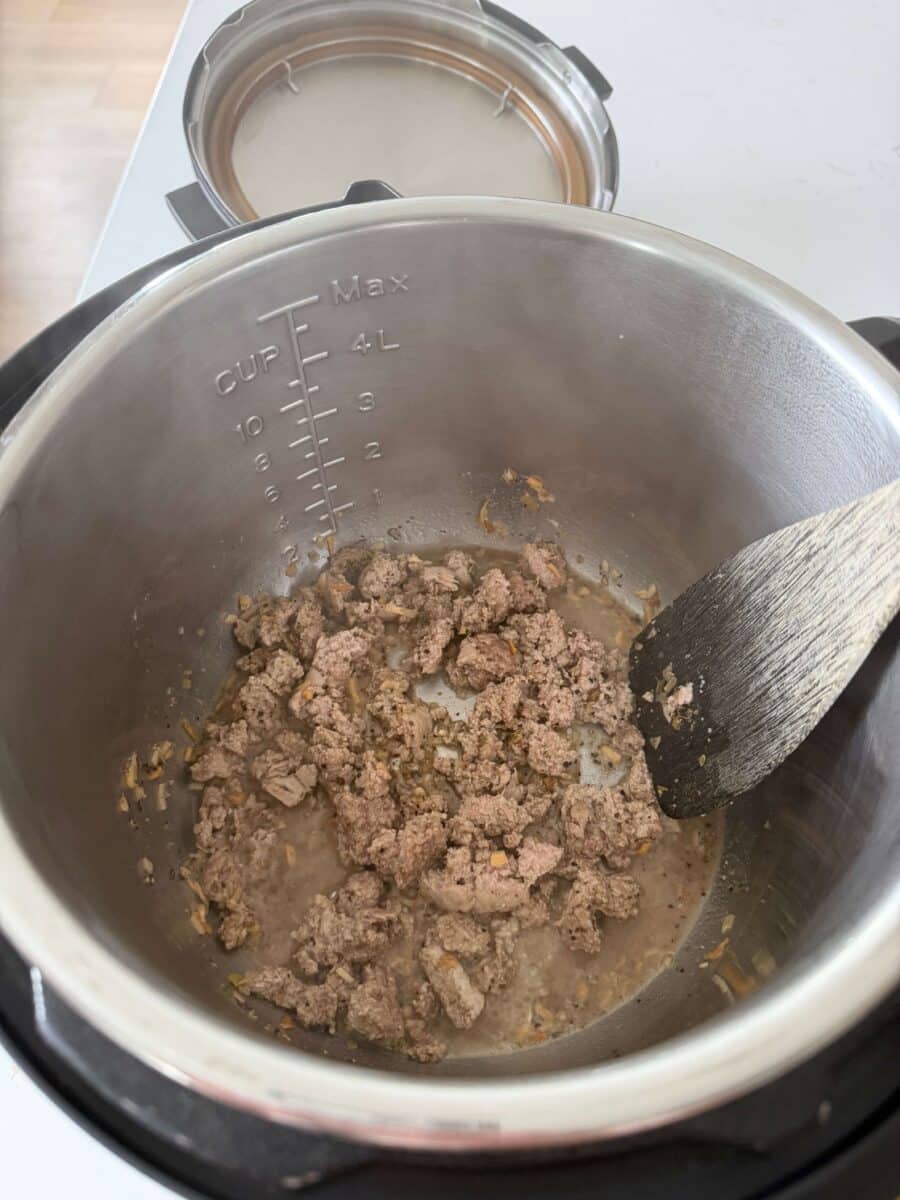
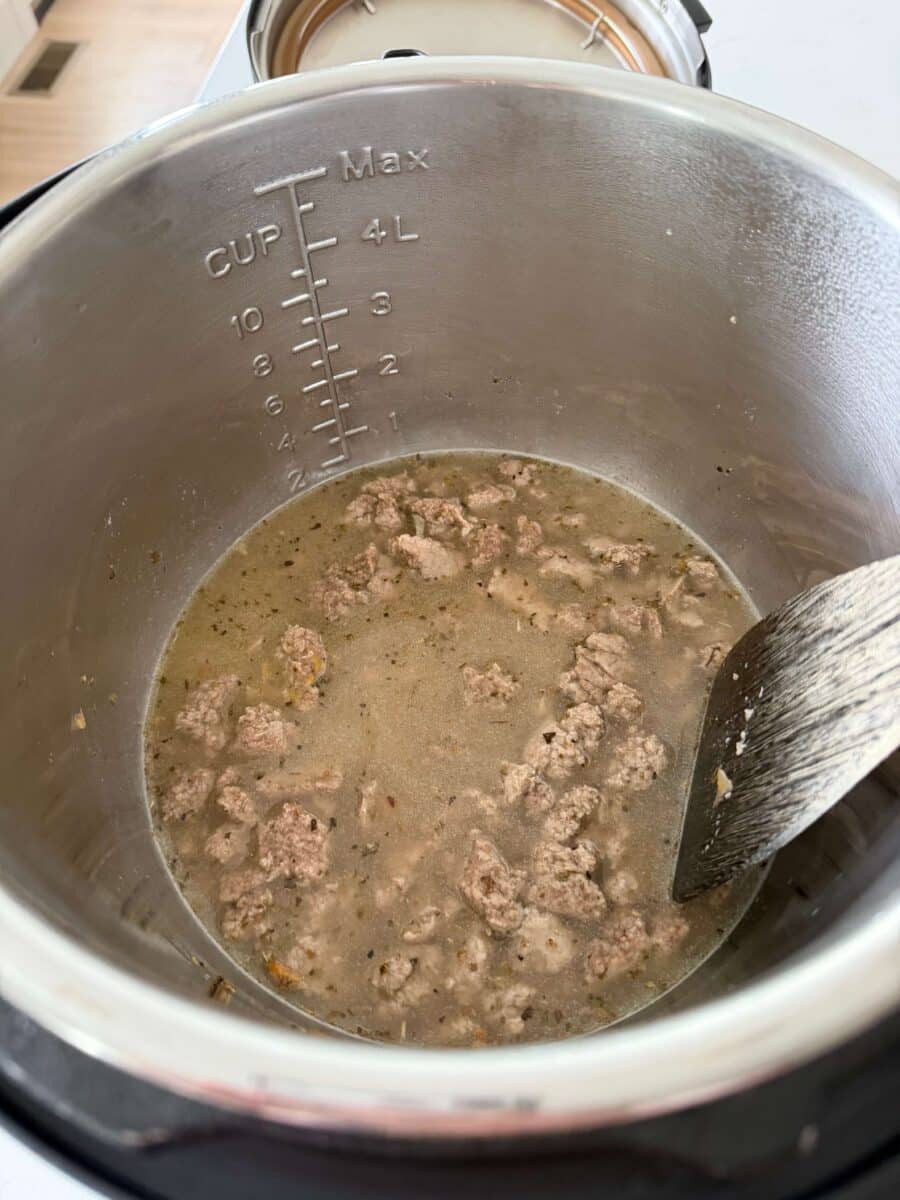
- The Sauté Phase: The process begins with the Instant Pot’s sauté function. The ground protein is browned alongside diced onions for approximately five minutes. This stage is critical for the Maillard reaction—a chemical reaction between amino acids and reducing sugars that gives browned food its distinctive flavor.
- Deglazing and Seasoning: Once the meat is browned and excess grease is drained, the pot is deglazed with broth. This involves scraping the bottom of the stainless steel insert to release any "fond" (caramelized bits). Failure to deglaze properly is the primary cause of pressure-cooking failures, as stuck-on bits can trigger the unit’s overheat sensors.
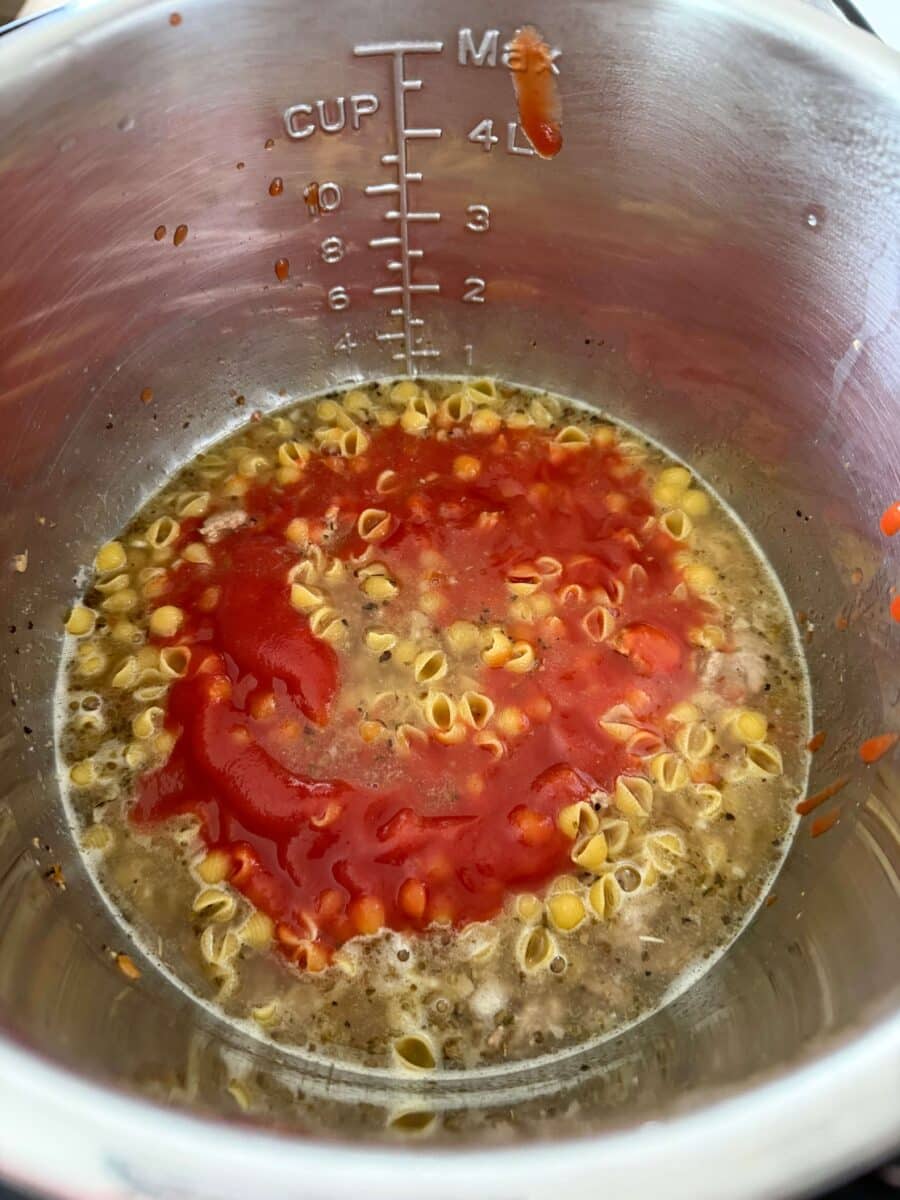
- The Layering Strategy: To prevent the pasta from clumping or the tomato sauce from burning, ingredients are layered rather than stirred. Small pasta shells are sprinkled over the meat and broth, followed by an even pour of tomato sauce, ketchup, vinegar, and sugar.
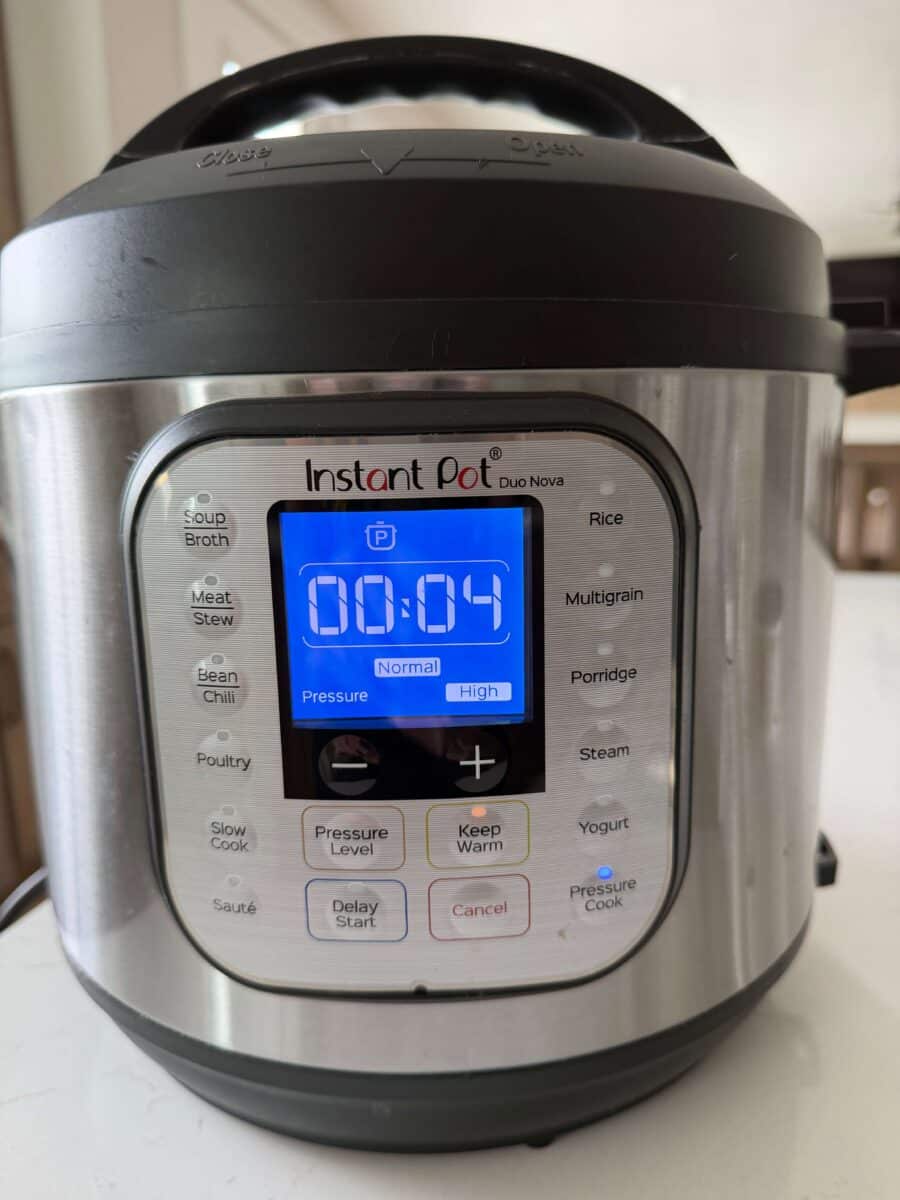
- Pressure Application: The unit is sealed and set to high pressure for a duration of four minutes. While this seems brief, the total "cook time" includes the period the pot takes to come to pressure (roughly 10 minutes) and the subsequent "Natural Pressure Release" (NPR) period.
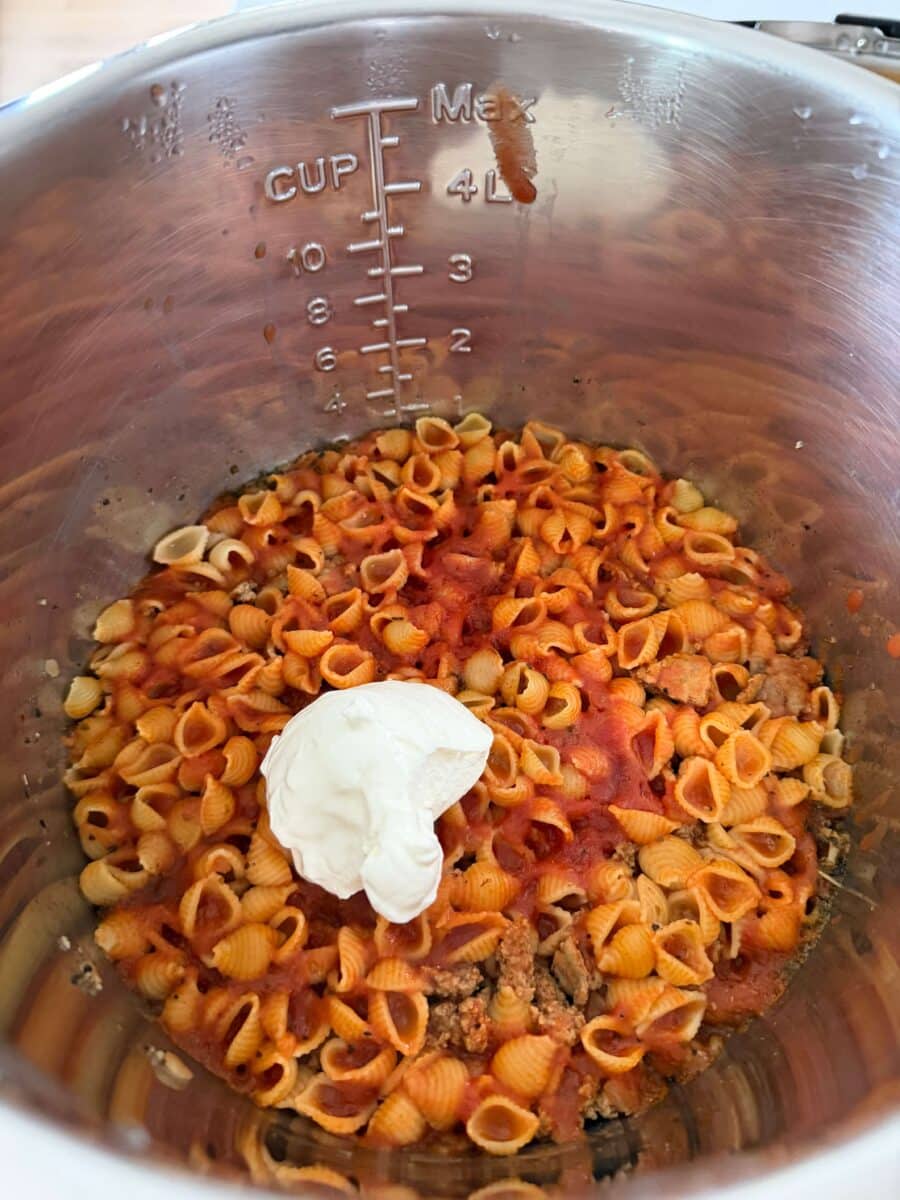
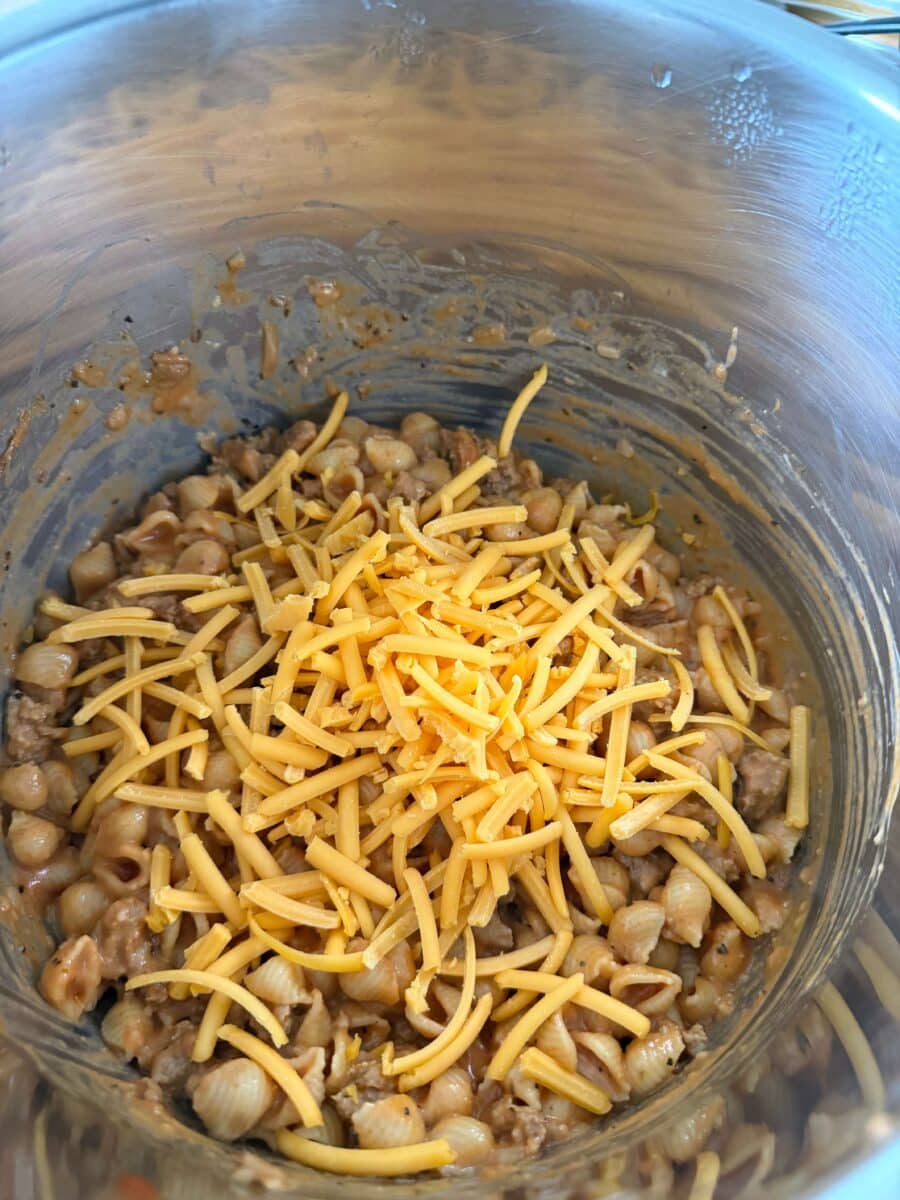
- The Finishing Touches: After a 5-to-10-minute NPR, the remaining steam is vented. The final step involves stirring in the sour cream and shredded cheddar cheese. The residual heat of the pasta and sauce is sufficient to melt the cheese and emulsify the sour cream into a cohesive, creamy glaze.
Market Trends and the Digital Recipe Economy
The popularity of Uncle Tony’s Casserole is a testament to the power of digital recipe sharing. Originally adapted from community-based social media platforms like Facebook and Pinterest, the recipe has been refined by culinary influencers such as Karen Petersen of "365 Days of Crockpot."
Industry analysts suggest that the "dump and go" nature of these recipes aligns with the increasing demand for "time-poverty" solutions among working professionals. A 2023 survey on consumer cooking habits indicated that 64% of households prioritize "one-pot cleanup" when selecting weekday dinner recipes. Uncle Tony’s Casserole fulfills this requirement by utilizing a single vessel for browning, boiling, and simmering.
Additionally, the recipe’s longevity as a leftover—often cited as "tasting better the next day"—makes it a staple for the "meal prepping" community. As the pasta sits, it continues to absorb the flavors of the seasoned tomato sauce, a phenomenon caused by the stabilization of aromatic compounds over time.
Expert Reactions and Culinary Implications
Culinary experts note that the success of Uncle Tony’s Casserole lies in its balance of the five basic tastes: sweet (sugar and ketchup), sour (vinegar and sour cream), salty (salt and broth), bitter (Italian herbs), and umami (meat and tomato).
"The inclusion of red wine vinegar is the ‘secret weapon’ of this dish," says one food science blogger. "Pressure cooking can sometimes mute the nuances of a sauce. The acetic acid in the vinegar acts as a flavor enhancer, much like salt, making the other ingredients pop without making the dish taste distinctly of vinegar."
From a domestic management perspective, the dish represents a cost-effective solution to rising grocery prices. The ingredients are largely non-perishable or long-lead staples. With the average cost of a four-person serving estimated at under $12.00 USD, it remains significantly more affordable than takeout or premium meal kits.
Broader Impact on Home Cooking Habits
Uncle Tony’s Casserole is more than just a recipe; it is indicative of a broader shift toward "New American Comfort." This movement prioritizes the emotional satisfaction of traditional casseroles while stripping away the heavy canned "cream of" soups that defined the genre for decades. By using sour cream and real cheddar cheese to achieve creaminess, the dish offers a cleaner ingredient label than its processed predecessors.
The implications for public health are notable. By transitioning from boxed "helper" kits—which often contain high levels of sodium, preservatives, and artificial dyes—to homemade versions, consumers gain total control over their intake. A homemade casserole allows for the use of low-sodium broths and high-quality proteins, reducing the average sodium count per serving by as much as 40%.
Conclusion: A Staple of the Modern Kitchen
As the Instant Pot continues to solidify its place as a necessary appliance in the 21st-century home, Uncle Tony’s Casserole stands as a benchmark for what the technology can achieve. It bridges the gap between the speed of modern life and the timeless desire for a warm, family-style meal.
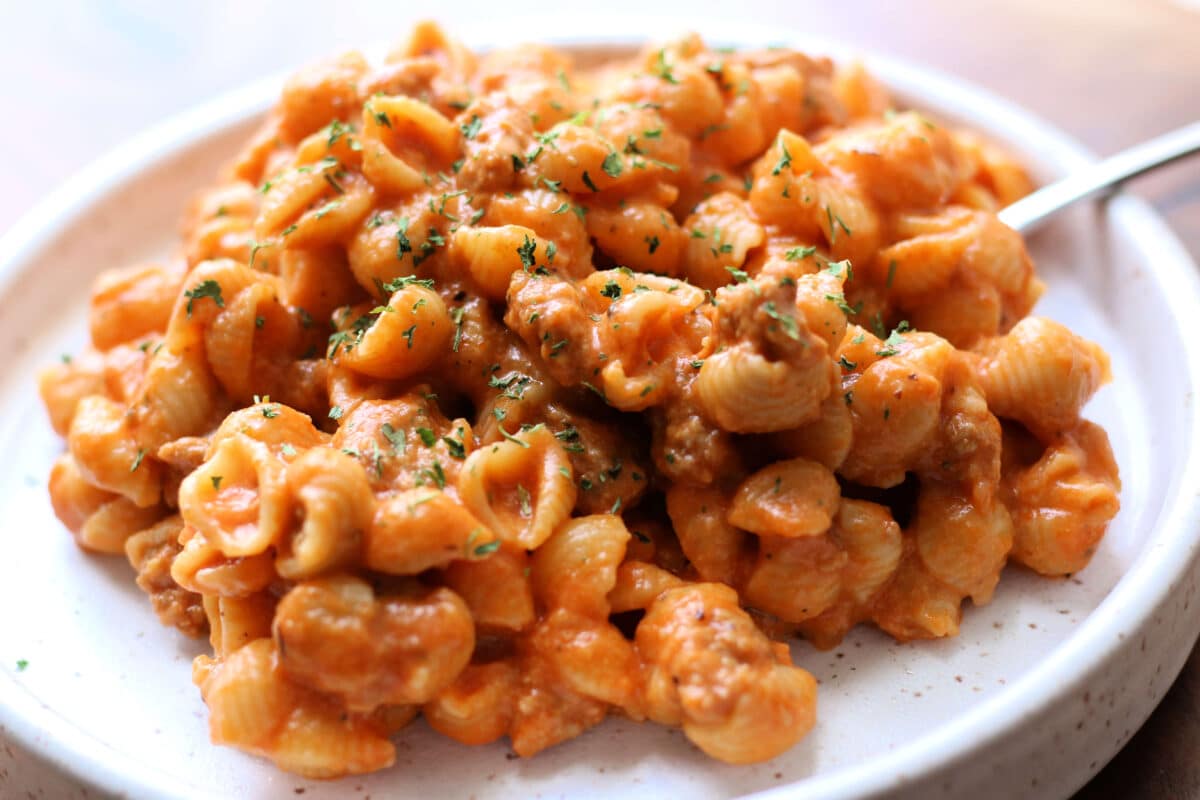
The recipe’s success on platforms like Pinterest and dedicated cooking blogs suggests that the appetite for accessible, reliable, and "kid-friendly" meals remains at an all-time high. Whether it is the ease of the four-minute cook time or the nostalgia of cheesy pasta shells, Uncle Tony’s Casserole has earned its reputation as a reliable standard in the repertoire of the contemporary home cook. As seasonal variations emerge—perhaps with added summer squash or winter root vegetables—the core identity of the dish remains: a fast, flavorful, and quintessentially American response to the question of "what’s for dinner?"
