
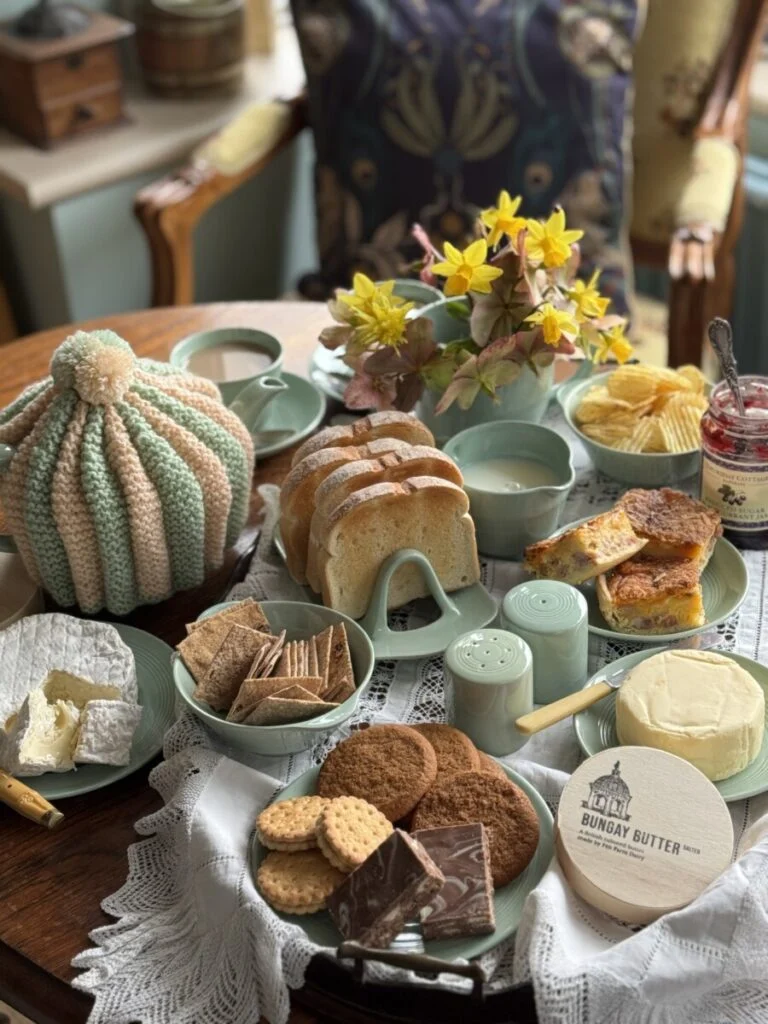
As St. George’s Day approaches on Thursday, April 23rd, 2026, culinary enthusiasts and cultural commentators are drawing attention to England’s often-understated national celebration. Karen Burns-Booth, a respected food writer and author behind Lavender and Lovage, has unveiled a comprehensive collection of traditional English recipes, aiming to inspire a nationwide embrace of the country’s rich gastronomic heritage. This initiative seeks to elevate St. George’s Day beyond its current status as arguably the least observed patron saint’s day in the United Kingdom, fostering a deeper connection to English identity through its beloved dishes.

The Unsung National Day: St. George’s Day’s Cultural Footprint

St. George, England’s patron saint, is a figure shrouded in myth and legend, most famously for his valiant slaying of a dragon. While the historical veracity of the dragon encounter is symbolic, St. George’s legacy as a Christian martyr and a symbol of chivalry has been celebrated in England since the Middle Ages. His feast day, April 23rd, became a significant national holiday, particularly during the reign of Edward III in the 14th century, when he was formally adopted as the patron of the Order of the Garter. Historically, it was a day marked by feasts, parades, and patriotic displays.

However, in contemporary Britain, St. George’s Day often passes with little fanfare, a stark contrast to the widespread celebrations for St. Patrick’s Day (Ireland), St. Andrew’s Day (Scotland), or St. David’s Day (Wales). This disparity has prompted calls from various cultural organisations and individuals, including English Heritage, to encourage greater recognition. English Heritage, which actively promotes understanding of St. George’s historical context and the enduring legend of the dragon, provides educational resources and podcasts to shed light on his significance. The relative obscurity of the day often leads to discussions about national identity and the importance of preserving and promoting distinct English traditions.

A Dual Celebration: Honouring England’s Bard

Adding another layer of cultural significance to April 23rd is its widely accepted designation as William Shakespeare’s birthday. Although the exact date of the Bard’s birth in 1564 remains unconfirmed, historical records from Holy Trinity Church in Stratford-upon-Avon indicate his baptism on April 26th, 1564. The Shakespeare Birthplace Trust notes that baptisms typically occurred within three days of birth, making April 23rd a plausible, and subsequently celebrated, birthday. This serendipitous overlap means that St. George’s Day offers a unique opportunity to honour both England’s legendary protector and its greatest literary figure, weaving together threads of heroism, national spirit, and unparalleled artistic achievement. The dual celebration underscores a profound historical and cultural depth that merits broader public engagement.

Reviving England’s Larder: Karen Burns-Booth’s Culinary Collection

Karen Burns-Booth’s initiative through Lavender and Lovage serves as a timely reminder of the power of food to connect generations and reinforce cultural bonds. Her curated collection for St. George’s Day 2026 is not merely a list of recipes but a culinary journey through England’s gastronomic past and present. The selection deliberately encompasses a wide array of dishes, from hearty savoury options to comforting sweet treats, designed to appeal to diverse palates while remaining rooted in tradition.

The savoury offerings highlight England’s robust and often understated culinary strengths. The collection includes various traditional salads, such as Elizabethan English Herb and Flower Salad with Honey Dressing, Old Fashioned Roses and an English Garden Salad with Cheese and Eggs, and English Apple and Walnut Salad, showcasing the country’s agricultural bounty. Pies, a cornerstone of British cuisine, feature prominently with "Plate Pies" like the 1950s Picnic Pie, Cheese & Onion Plate Pie, and Corned Beef Potato Pie, alongside "Small Pies & Pasties" such as Coronation Pork & Pickle Picnic Pies, Lincolnshire Sausage, Sage & Onion Pies, and Cheese, Onion and Potato Pasties. These reflect regional specialities and historical sustenance. Hearty "Stews and Casseroles" like Traditional Oxtail Stew, Farmhouse Chicken & Vegetable Stew with Dumplings, and Sausage, Apple and Cider Casserole speak to comfort and long-standing culinary practices. More substantial mains, including Beef Wellington, Peppered Steak and Chips, and the Suffolk Gold Double Cheese Burger, demonstrate a flair for classic meat dishes. The inclusion of "English Cheese Recipes" such as Wild Garlic & Three Cheese Tomato Tart and Sourdough Cheese Wild Garlic Scones celebrates England’s thriving artisan cheese industry.

The sweet section is equally rich, featuring quintessentially English delights. "Scones" like Buckingham Palace Fruit Scones, Be-Ro Victoria Scones, and Small Batch Cream Tea Scones are central to the cherished ritual of afternoon tea. "Tea Loaves" such as Sticky Marmalade Tea Loaf, Gingerbread Tea Loaf, and Old-Fashioned Ovaltine Tea Loaf offer comforting baked goods. "Fruit Cakes," including Fruit and Cherry Afternoon Tea Cake and Wartime Eggless Fruit Cake (Vinegar Cake), illustrate resilience and resourcefulness in baking. "Victoria Sandwich & Sponge Cakes," "Fairy Cakes, Buns & Small Cakes" (e.g., Vanilla Butterfly Cakes, Princess Elizabeth Cakes, Fantasy Fairy Cakes), and "Fruit Pies & Tarts" (e.g., Old-Fashioned Lemon Meringue Pie, Northumberland Gooseberry Plate Pie) evoke nostalgic memories of home baking. "English Puddings" like Railway Pudding and Traditional Spotted Dick Pudding represent classic desserts, while "Biscuits" (Traditional Easter Biscuits, Fat Rascals, Empire Biscuits) and "Chocolate Recipes" (1960s Evaporated Milk Chocolate Cake, Fry’s Condensed Milk Chocolate Cake, The Queen’s Chocolate Biscuit Cake) cater to various sweet cravings. Finally, "English Bread Recipes," including Overnight Farmhouse Wholemeal Bread Loaf, Traditional Mothering Buns, and Farmhouse "Spit Tin" Crusty Loaf, underscore the foundational role of bread in English culinary life.

Crucially, Burns-Booth’s collection incorporates seasonal spring ingredients such as asparagus, Jersey Royal new potatoes, wild garlic, and rhubarb. This emphasis not only highlights the freshness and quality of British produce but also encourages cooks to align their celebrations with the natural rhythm of the English landscape, a practice deeply embedded in traditional cooking.

The Imperative of Preservation: Traditional Dishes at Risk

Karen Burns-Booth’s initiative gains added urgency in light of recent research indicating that many traditional British recipes are at risk of "extinction." A study, referenced by Burns-Booth and conducted by Ninja Kitchen, revealed a concerning decline in the preparation and knowledge of classic dishes. The list of threatened recipes includes staples that were once ubiquitous in English homes and tearooms: Victoria sponge cake, rock cakes, scones, and jam tarts. These are not merely recipes; they are cultural touchstones, embodying generations of domestic practice, community gatherings, and national identity.

Food historians and cultural commentators have voiced concerns about this trend. Dr. Eleanor Davies, a culinary historian, stated in a recent interview, "The erosion of traditional recipes is more than just a culinary loss; it signifies a disconnect from our past. These dishes tell stories of our social history, our agricultural landscape, and our collective memory. Losing them diminishes our cultural fabric." Factors contributing to this decline are multifaceted, including the rise of convenience foods, changing dietary habits, the influence of global cuisines, and a perceived lack of time or skill for traditional home cooking among younger generations. The study highlighted a significant generational gap in culinary knowledge, with younger demographics less familiar with the preparation of these heritage dishes. This presents a pressing challenge for cultural preservation, underscoring the importance of initiatives like Burns-Booth’s to document, share, and encourage the continued practice of these recipes.

The Evolution of English Cuisine: A Historical Perspective

English cuisine has often been unfairly maligned, but its history reveals a dynamic and evolving food culture. From the elaborate feasts of medieval royalty, featuring spiced meats and rich puddings, to the hearty, practical fare that sustained the working classes through the Industrial Revolution, English food has always been a reflection of its society. The Victorian era saw the popularisation of many dishes now considered quintessentially British, such as elaborate roasts, pastries, and tea-time delights. World Wars and periods of austerity profoundly impacted British eating habits, leading to a focus on frugal and resourceful cooking. Many of the "endangered" recipes, like rock cakes and simple sponges, emerged from or were popularised during these times, embodying a spirit of making the most of available ingredients.

In recent decades, British cuisine has undergone a remarkable renaissance, with a renewed appreciation for local produce, traditional methods, and innovative interpretations. However, this modern revival must not overshadow the importance of its foundational dishes. These traditional recipes offer a tangible link to culinary heritage, providing a framework upon which contemporary British cooking continues to build.

Beyond the Plate: The Societal Impact of Culinary Heritage

The act of cooking and sharing traditional recipes extends beyond mere sustenance; it is a powerful vehicle for cultural transmission and social cohesion. Family recipes passed down through generations carry memories, stories, and a sense of belonging. For national celebrations like St. George’s Day, food can serve as a unifying element, encouraging communities to gather, share, and collectively celebrate their shared heritage.

Initiatives by food bloggers and culinary experts like Karen Burns-Booth play a vital role in this preservation effort. By making traditional recipes accessible and appealing to a modern audience, they act as custodians of culinary knowledge, ensuring that these cherished dishes do not fade into obscurity. Their work contributes to an informal culinary education, inspiring new generations to explore and appreciate the flavours of their past. This collective effort is crucial not only for preserving specific recipes but also for fostering a broader appreciation for the historical, social, and cultural narratives embedded within England’s food traditions.

As St. George’s Day 2026 approaches, the call to celebrate through the rich tapestry of English cuisine resonates with renewed importance. It is an invitation to engage with history, honour national symbols, and partake in the simple, yet profound, pleasure of preparing and sharing traditional food. Through such efforts, England’s culinary heritage can be celebrated, cherished, and assured a vibrant future for generations to come.
