
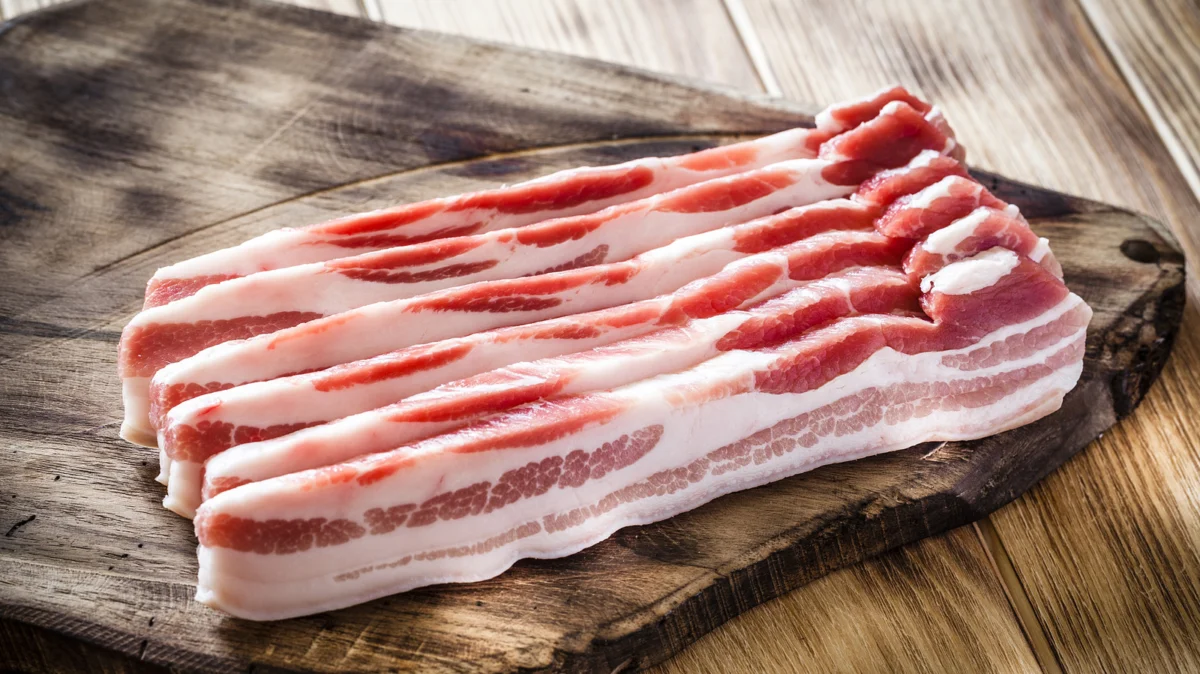
The culinary landscape of the American South is defined by iconic, deeply rooted traditions. From the complex, spice-laden depths of a proper jambalaya to the comforting simplicity of warm, buttered cornbread, these dishes are often perceived as immutable. However, the evolution of gastronomy relies on the thoughtful application of new techniques and ingredients to time-honored recipes. One of the most compelling adaptations currently surfacing in professional kitchens and home cooking circles alike is the substitution of traditional American bacon for Italian pancetta in the quintessential dish: shrimp and grits.
The Evolution of a Lowcountry Staple
Shrimp and grits, a dish originating from the coastal Lowcountry of South Carolina and Georgia, was historically a humble breakfast for fishermen. Originally known as "breakfast shrimp," the dish utilized the fresh catch of the day served over slow-cooked, stone-ground corn grits. Over the 20th century, the dish transitioned from a localized coastal staple to a globally recognized icon of Southern cuisine.
Traditionally, bacon has served as the primary savory foundation for this dish. The rendered fat from the bacon provides the necessary base for sautéing the shrimp, while the crispy bits of meat offer a salty, smoky crunch that cuts through the creaminess of the grits. However, as culinary enthusiasts seek to refine the flavor profile of the dish—particularly when using high-quality, delicate seafood—the shift toward pancetta has emerged as a sophisticated alternative.
Comparative Analysis: Bacon Versus Pancetta
While both bacon and pancetta are derived from pork belly, their curing and preparation processes diverge significantly, leading to distinct impacts on a dish.
Bacon, the standard in American kitchens, is typically cured and then smoked. The smoking process—often using hickory, applewood, or maple—imparts a strong, woody aroma and flavor that can easily dominate other ingredients in a skillet. In contrast, pancetta is a dry-cured Italian specialty. While it is seasoned with a robust blend of salt, black pepper, and aromatics like juniper berries and fennel, it is traditionally unsmoked.
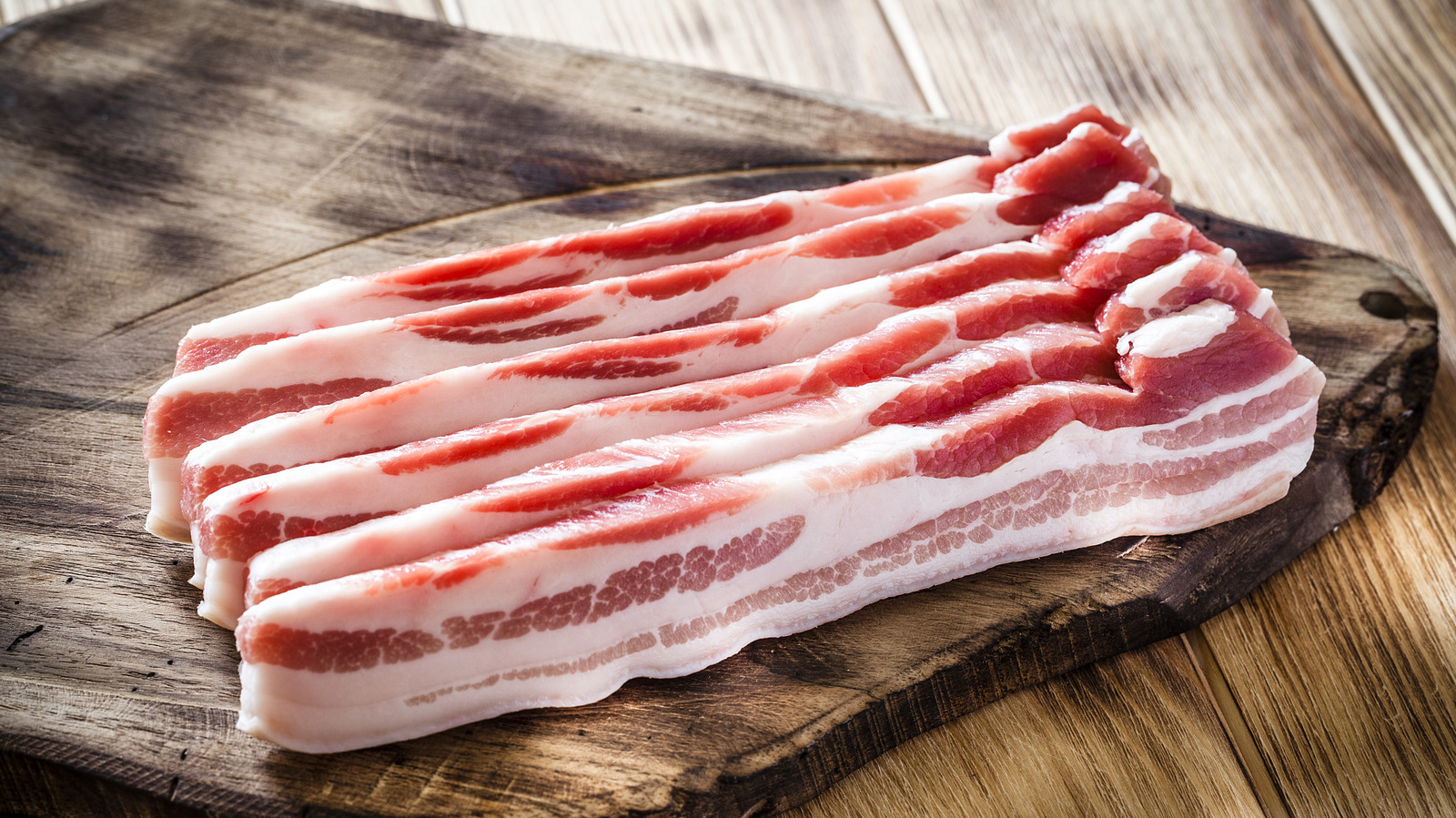
This distinction is critical for shrimp and grits. Because shrimp possess a subtle, sweet, and delicate flavor profile, the intensity of hickory-smoked bacon can often mask the natural characteristics of the crustacean. Pancetta, by remaining unsmoked, preserves the pure, clean taste of the pork belly. This allows the dish to achieve a savory "umami" depth without the aggressive, woody interference of smoke, thereby allowing the shrimp to remain the centerpiece of the plate.
Culinary Methodology and Execution
The transition from bacon to pancetta requires minor adjustments in cooking technique to ensure optimal results. Chefs recommend beginning the process by placing diced pancetta into a cold pan, then slowly raising the heat to a low-medium setting. This allows the fat to render slowly, resulting in a golden-brown crispness that is less prone to the charred bitterness sometimes associated with rapidly fried bacon.
Once the pancetta has reached the desired texture, it should be removed from the pan, leaving the rendered fat behind. The shrimp are then sautéed in this high-quality pork fat, which now carries the concentrated, aromatic essence of the cured pork. By reuniting the crispy pancetta with the shrimp at the final assembly stage, the cook ensures that the textures remain distinct while the flavors are fully integrated.
Varieties of Pancetta and Their Specific Applications
Selecting the correct type of pancetta is an exercise in tailoring the dish to the specific flavor profile desired. Market availability generally centers on two forms: arrolata (rolled) and stesa (flat).
- Pancetta Stesa: This is the most common variety for culinary applications, as the flat shape allows for uniform slicing and dicing. It provides a consistent fat-to-meat ratio that is ideal for frying.
- Pancetta Affumicata: For those who miss the smoky notes of traditional bacon but still desire the refined texture of Italian pork, affumicata is the solution. This is the only variety of pancetta that is smoked. It serves as an excellent bridge for home cooks transitioning away from American bacon, particularly when the dish includes more robust ingredients, such as brown shrimp or aggressive Cajun spice blends.
- Pancetta di Calabria: Originating from the southern Italian region of Calabria, this variety is characterized by the addition of regional hot peppers. For chefs looking to inject heat directly into the pork element of the dish, this provides a more nuanced, floral spice compared to the generic "hot" additives often found in standard commercial seasonings.
- Pancetta Piacentina (PDO): For the highest culinary standards, enthusiasts often look for the Protected Designation of Origin (PDO) label. This status ensures the meat has been produced in the Piacenza province according to strict, time-honored standards. Aged for a minimum of two months, these cuts offer a depth of flavor that is considered a luxury ingredient. Because of its intense concentration of flavor, this variety is often best used as a finishing garnish—laid atop the hot shrimp and grits just before service to allow the heat of the dish to gently release its aromatic oils.
Broader Implications for Southern Cuisine
The incorporation of pancetta into Southern staples reflects a broader trend of "global fusion" within regional American foodways. Critics of such modifications often argue that deviating from traditional ingredients risks diluting the cultural heritage of the dish. However, culinary historians note that Southern cuisine has always been a product of fusion—a synthesis of African, European, and Indigenous American ingredients and techniques.
The shift toward ingredients like pancetta does not necessarily signal an abandonment of Southern identity, but rather a maturation of the regional palate. By elevating the ingredients, chefs are able to highlight the natural qualities of local seafood, which remains the true focus of the dish.
Market Data and Consumer Trends
Data from specialty grocers indicates a consistent rise in the demand for Italian cured meats over the past decade. As home cooks become more comfortable with global ingredients, products that were once confined to high-end delicatessens are now appearing in mainstream supermarkets. This accessibility has been a primary driver for the experimentation seen in contemporary Southern cooking.
Furthermore, the emphasis on high-quality, cured pork aligns with the current consumer preference for "cleaner" ingredient labels. Consumers are increasingly scrutinizing the additives and liquid smoke often found in mass-market bacon. Because traditional pancetta relies on a simple, centuries-old curing process of salt and spices, it appeals to a demographic that prioritizes transparency and traditional craftsmanship in their food supply chain.
Future Outlook
As the culinary world continues to prioritize ingredient quality over historical dogma, the integration of pancetta into Southern cooking is likely to persist. While bacon will undoubtedly remain a staple of the American kitchen, the versatility offered by the varied styles of pancetta—from the mild, sweet notes of stesa to the sophisticated, aged complexity of Piacentina—provides a new vocabulary for chefs to express the flavors of the Lowcountry.
Ultimately, the goal of any such adaptation is to enhance the dining experience without losing the essential soul of the dish. By choosing the right cut of pancetta and applying thoughtful cooking techniques, the modern cook can successfully bridge the gap between Italian tradition and Southern comfort, resulting in a dish that respects the history of the meal while embracing the possibilities of contemporary culinary craft.
