
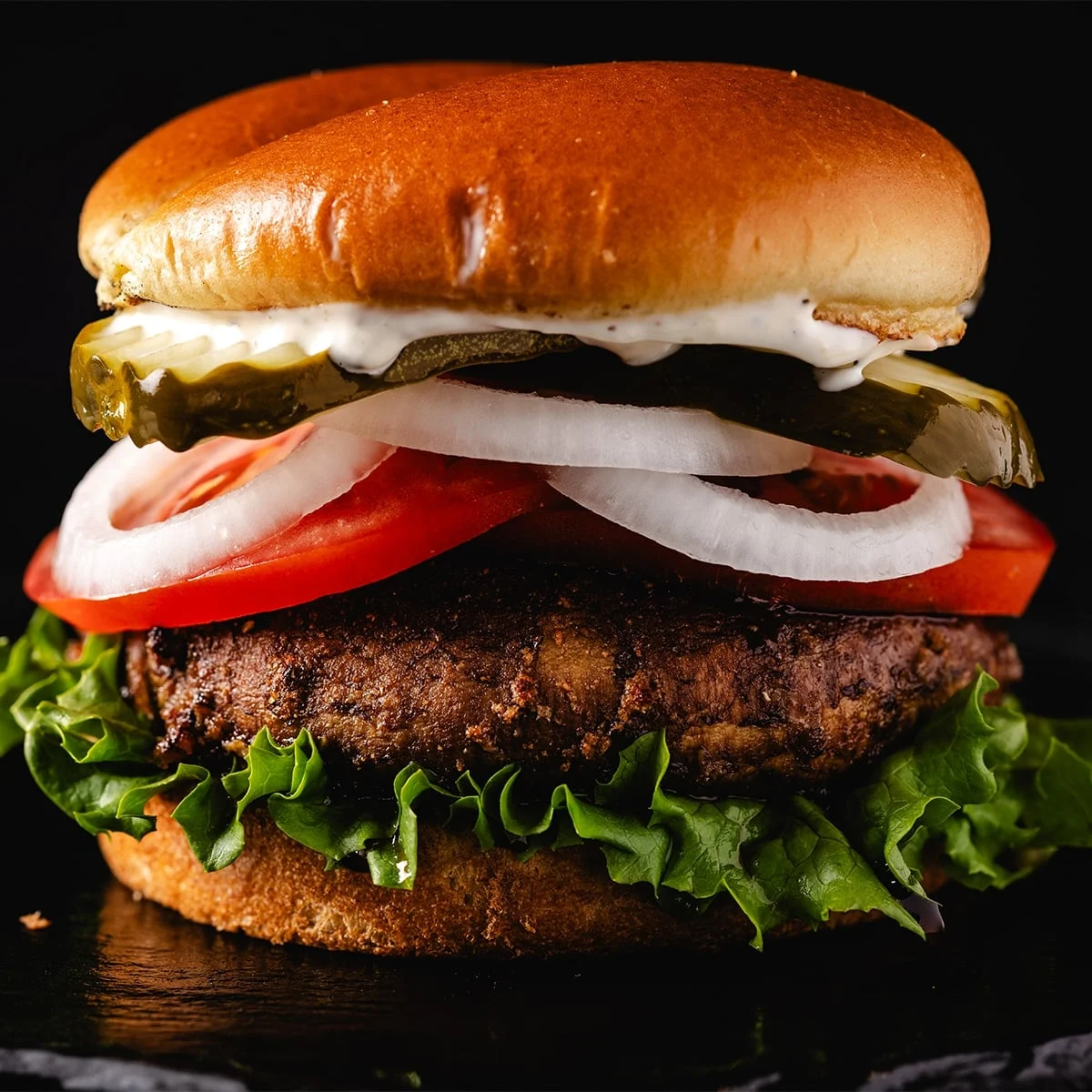
The landscape of American outdoor cooking is undergoing a significant transformation as plant-forward alternatives move from the periphery of the grill to the center of the plate. Leading this culinary shift is the Grilled Portobello Mushroom Burger, a dish that challenges the traditional dominance of beef in barbecue culture. Developed by Susie Bulloch, a prominent figure in the grilling community and founder of the "Hey Grill Hey" platform, this recipe emphasizes that vegetarian options need not be a compromise. By utilizing high-heat techniques, complex marinades, and gourmet condiments like lemon garlic aioli, the portobello mushroom is elevated to a savory, umami-rich centerpiece capable of satisfying even the most dedicated meat enthusiasts.
The Culinary Evolution of the Portobello Mushroom
The portobello mushroom, scientifically known as Agaricus bisporus, is essentially the mature version of the common white button or cremini mushroom. Its large size, dense texture, and high concentration of L-glutamate—the amino acid responsible for the savory "umami" flavor—make it an ideal candidate for grilling. In recent years, the culinary world has seen a surge in "meat-mimicry" through whole foods rather than processed substitutes. The portobello burger stands at the forefront of this movement, offering a textural experience that mirrors a juicy steak when prepared correctly.
Bulloch’s approach treats the mushroom not as a vegetable side dish, but as a primary protein. This involves a rigorous preparation process that begins with a signature marinade and ends with the high-intensity sear of a charcoal grill. The goal is to maximize the Maillard reaction—the chemical reaction between amino acids and reducing sugars that gives browned food its distinctive flavor—thereby bridging the gap between plant-based ingredients and the traditional barbecue palate.

Chronology of Preparation: From Marinade to Assembly
The creation of a professional-grade grilled portobello burger follows a specific timeline to ensure maximum flavor absorption and structural integrity.
Phase One: The Marinade and Infusion
The process begins with the preparation of a balsamic-based marinade. The acidity of the balsamic vinegar serves two purposes: it tenderizes the dense fibers of the mushroom cap and provides a sharp contrast to the earthy notes of the fungus. Bulloch integrates her signature "Beef Rub"—a blend typically reserved for briskets and steaks—into the marinade. This inclusion is a strategic culinary choice designed to provide the savory, salty, and peppery profile that diners associate with traditional burgers. The mushrooms must marinate for a sufficient period to allow the liquids to penetrate the porous gills, though over-saturation must be avoided to prevent the caps from becoming mushy during the cooking process.
Phase Two: The Emulsification of the Aioli
Simultaneously, the lemon garlic aioli is prepared. Unlike standard mayonnaise, an aioli provides a bright, herbaceous finish that cuts through the richness of the grilled mushroom. This condiment acts as the "glue" for the burger, adding a layer of fat and acidity. The inclusion of fresh lemon juice and minced garlic ensures that each bite has a clean, sharp finish, balancing the smoky char from the grill.
Phase Three: Thermal Execution
Grilling is the most critical stage of the chronology. While gas and pellet grills offer convenience, the use of charcoal is highly recommended for this recipe. Charcoal provides higher direct heat and infrared radiation, which are essential for achieving deep char marks without overcooking the interior. The mushrooms are placed on the grates over high heat, usually for four to five minutes per side. This rapid cooking time ensures the exterior is caramelized while the interior remains succulent and tender.

Phase Four: Final Assembly
The burger is assembled on a toasted brioche bun. The choice of brioche is intentional; its high butter and egg content provides a sturdy yet soft vessel that can withstand the moisture of the mushroom and the weight of additional toppings like lettuce, tomato, and onion.
Nutritional Profile and Supporting Data
In an era of increased health consciousness, the nutritional breakdown of the grilled portobello burger offers a fascinating look at the balance between indulgence and plant-based nutrition. According to data provided by the "Hey Grill Hey" analysis, a single serving of this burger contains approximately 634 calories.
The fat content is notably high at 55 grams, largely attributed to the olive oil in the marinade, the aioli, and the brioche bun. However, the breakdown reveals a sophisticated profile:
- Saturated Fat: 8g
- Polyunsaturated Fat: 27g
- Monounsaturated Fat: 17g
- Cholesterol: 24mg
- Sodium: 1425mg
- Carbohydrates: 30g
- Protein: 8g
While the protein count is lower than that of a traditional beef patty (which typically ranges from 20g to 25g), the mushroom burger provides essential minerals and vitamins. It contains 436mg of potassium and 16mg of Vitamin C. The sodium level is relatively high, reflecting the use of soy sauce and the signature Beef Rub in the marinade, which is a common characteristic of barbecue-style cooking designed to enhance flavor perception.

Expert Insights and Technical Recommendations
Susie Bulloch, who has gained national recognition through appearances on the Food Network and her work with Guinness World Records, emphasizes several "pro tips" for those attempting this recipe at home. One critical recommendation is the treatment of the mushroom gills. While some chefs recommend scraping them out, Bulloch suggests leaving them intact as they hold the marinade and contribute to the "beefy" mouthfeel.
Furthermore, the choice of grill fuel is a point of technical debate. Expert analysis suggests that because mushrooms lack the fat content of beef, they do not produce the same "flare-ups" that create natural smoke flavor in a traditional burger. Therefore, using charcoal or adding a few wood chips to a gas grill is necessary to impart the "outdoor" flavor that distinguishes a grilled burger from a pan-seared one.
Market Context and Cultural Impact
The rise of the gourmet mushroom burger reflects a broader trend in the global food industry. According to market research, the global mushroom market is expected to grow significantly over the next decade, driven by the "food as medicine" trend and the increasing number of "flexitarians"—individuals who primarily eat plant-based diets but occasionally consume meat.
In the context of the American backyard barbecue, the inclusion of a high-quality portobello option represents a move toward inclusivity. Historically, vegetarians at a cookout were often relegated to side dishes or frozen, highly processed veggie patties. The Grilled Portobello Mushroom Burger changes this dynamic by offering a fresh, whole-food alternative that utilizes the same tools and techniques as the rest of the barbecue menu. This allows the "Pitmaster" or "Backyard BBQ Hero" to serve all guests with the same level of culinary rigor.

Broader Implications for Sustainability
Beyond the kitchen, the shift toward mushroom-based entrees has environmental implications. The production of mushrooms requires significantly less land, water, and energy compared to bovine agriculture. Data from the Mushroom Council indicates that producing one pound of mushrooms requires only 1.8 gallons of water and 1.0 kilowatt-hour of energy, while generating a mere 0.7 pounds of CO2 equivalent emissions. By incorporating portobello burgers into regular rotation, consumers can substantially reduce their ecological footprint without sacrificing the social and sensory experience of a summer grill-out.
Conclusion: A New Standard for the Grill
The Grilled Portobello Mushroom Burger with Lemon Garlic Aioli is more than a simple recipe; it is a testament to the versatility of modern barbecue. By applying traditional meat-smoking and grilling principles to the humble portobello, Susie Bulloch has provided a blueprint for flavorful, inclusive, and environmentally conscious outdoor cooking. As the boundaries of "barbecue" continue to expand, the portobello burger stands as a definitive example of how technique and high-quality ingredients can transform a simple fungus into a culinary triumph. Whether served at a family dinner or a large-scale community cookout, this dish proves that the fire of the grill is a universal language, capable of bringing out the best in both meat and produce alike.
