
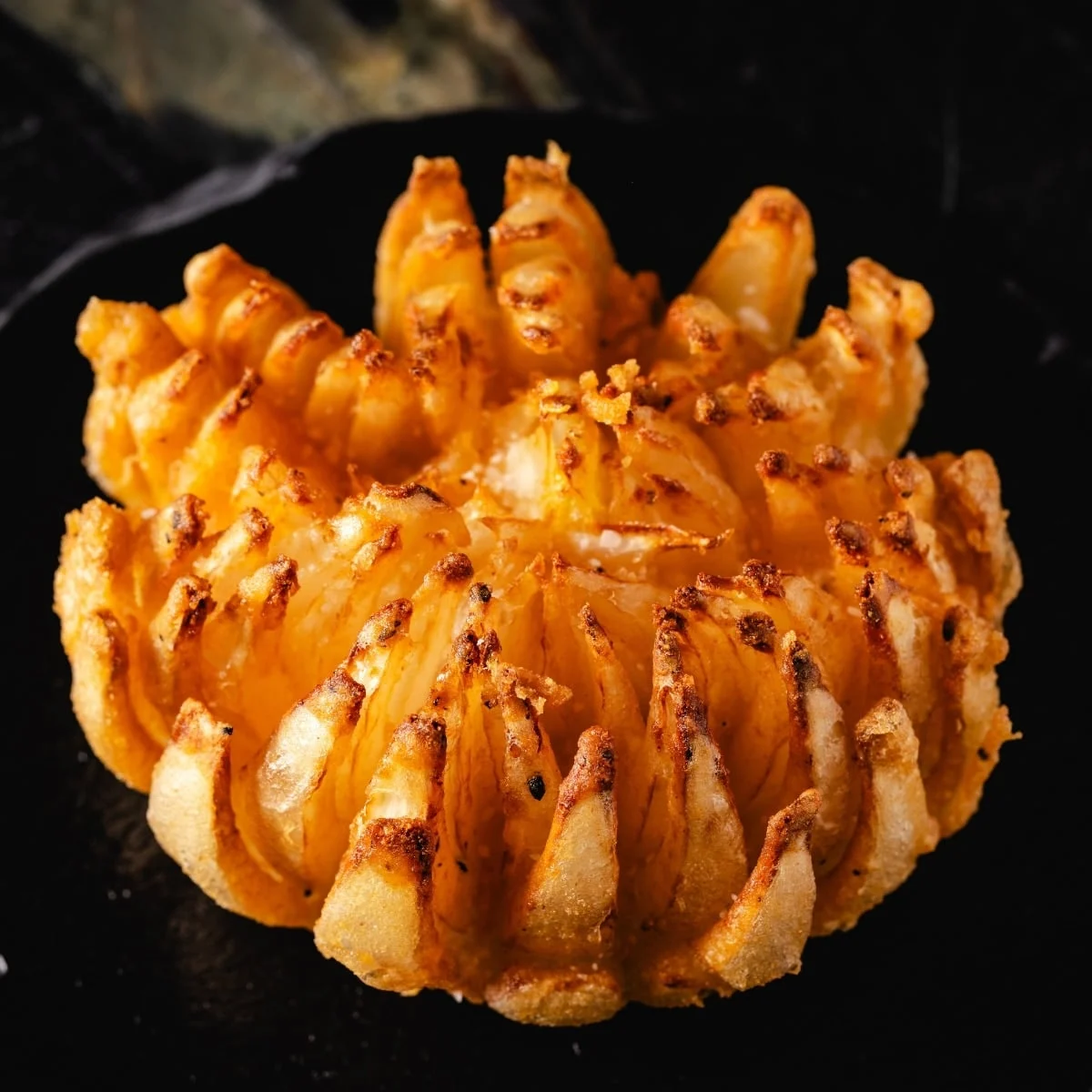
The smoke-fried onion blossom has emerged as a significant development in the landscape of American backyard gastronomy, representing a technical fusion of traditional pit-smoking methods and classic deep-frying techniques. This culinary innovation, popularized by Susie Bulloch of the Hey Grill Hey platform, seeks to elevate the standard onion appetizer—a fixture of American steakhouse culture since the late 1980s—by introducing a complex flavor profile characterized by hardwood smoke and a dual-textured finish. As outdoor cooking equipment becomes increasingly sophisticated, home cooks are moving beyond simple proteins to experiment with complex side dishes that utilize the specific thermodynamic properties of pellet grills and offset smokers.
The Technical Framework of Smoke-Frying
The smoke-frying process is a two-stage thermal application designed to optimize both flavor infusion and structural integrity. In the primary phase, a Sweet Vidalia onion is prepared through a specific radial slicing technique that allows the "petals" to expand without detaching from the root base. The onion is then subjected to a low-temperature smoking environment, typically maintained at 225 degrees Fahrenheit for approximately 45 minutes.

During this initial smoking interval, the onion undergoes several chemical transformations. The ambient heat begins to break down the complex sugars and cellulose within the onion, a process known as partial caramelization, which enhances the natural sweetness of the Vidalia variety. Simultaneously, the porous surface of the vegetable absorbs volatile organic compounds from the wood smoke, such as guaiacol and syringol, which provide the characteristic smoky aroma and taste. Unlike traditional frying, where the onion remains raw until it hits the oil, the smoking phase ensures the interior is tender and fully seasoned before the exterior is crisped.
The secondary phase involves the application of a dry batter and a high-heat flash fry. Once the smoked onion has softened and fanned out—a visual indicator of readiness—it is coated in a seasoned batter mix. The final cook occurs in frying oil heated to 350 degrees Fahrenheit. This stage lasts only three to four minutes, just long enough to achieve the Maillard reaction on the batter’s surface, resulting in a golden-brown, crispy exterior that contrasts with the smoke-softened interior.
Historical Context and Commercial Origins
The "blooming onion" or onion blossom is a culinary phenomenon with deep roots in the American casual dining sector. While various claims exist regarding its origin, the dish gained national prominence through the Outback Steakhouse franchise in 1988. Historically, the dish was designed as a high-margin, shareable appetizer that utilized inexpensive bulk produce—large yellow or white onions—transformed through labor-intensive slicing and heavy breading.

The transition of this dish from a commercial kitchen to a backyard smoker represents a broader trend in "prosumer" cooking. The availability of high-quality smokers and digital thermometers has allowed amateur cooks to replicate, and in many cases improve upon, restaurant-quality dishes. The "smoke-fried" variation specifically addresses a common critique of the original commercial dish: a lack of depth in the flavor profile beyond salt and grease. By introducing the smoking step, the dish moves from a simple fried vegetable to a sophisticated BBQ component that complements smoked meats like brisket or ribeye steak.
Sourcing and Regional Significance of the Vidalia Onion
Central to the success of the smoke-fried onion blossom is the selection of the onion itself. The recipe specifically calls for the Sweet Vidalia onion, a variety that is legally and geographically protected. Under the Vidalia Onion Act of 1986, only onions grown in a defined 20-county region in Georgia can carry the Vidalia name.
The unique chemistry of the soil in this region, which is uncharacteristically low in sulfur, prevents the onions from developing the pungent, "hot" taste associated with standard yellow onions. This low sulfur content results in a higher perceived sugar level, making the Vidalia uniquely suited for the smoke-frying process. When these onions are smoked, the lack of pungency allows the delicate notes of the hardwood smoke to remain at the forefront of the palate. Data from the Georgia Department of Agriculture indicates that the Vidalia industry contributes over $150 million annually to the state’s economy, highlighting the commodity’s importance in both domestic consumption and culinary innovation.

Nutritional Profile and Ingredient Analysis
From a nutritional standpoint, the smoke-fried onion blossom is a calorie-dense appetizer, reflecting its role as a communal "cheat meal" or special occasion dish. According to data provided by the Hey Grill Hey nutritional analysis, a standard serving (calculated as approximately one-quarter of a large onion) contains the following:
- Calories: 163 kcal
- Carbohydrates: 37g
- Sodium: 672mg
- Sugar: 8g
- Protein: 2g
- Fat: 0.1g (Note: This figure accounts for the onion and batter prior to the oil absorption during the frying process; the final fat content is significantly higher depending on the type of oil used and the drainage time).
The high sodium content is primarily attributed to the BBQ rub and the seasoned batter mix. However, the dish does provide trace amounts of Vitamin C (8mg) and Calcium (35mg). In a broader dietary context, the smoke-fried method is often paired with a "BBQ Ranch" dipping sauce, which adds further caloric load but is considered essential for balancing the smoky and salty flavors with acidity and creaminess.
Industry Trends: The Rise of Hybrid Cooking Techniques
The emergence of the smoke-fried onion blossom coincides with a surge in the outdoor cooking market. According to the Hearth, Patio & Barbecue Association (HPBA), over 70% of households in the United States own a grill or smoker. Within this market, there has been a notable shift toward "hybrid" cooking—using multiple heat sources or methods to finish a single dish.

The popularity of smoke-frying is also a byproduct of the "influencer" economy in the culinary arts. Susie Bulloch, the founder of Hey Grill Hey, has built a significant digital footprint, including a mobile application and social media presence, by demystifying complex BBQ processes. Her background, which includes appearances on the Food Network and contributions to Guinness World Records for grilling, has lent authority to these hybrid techniques. This democratization of culinary knowledge has led to a more informed consumer base that demands more than just grilled protein; they seek a comprehensive "backyard hero" experience that includes artisanal sides and appetizers.
Expert Recommendations for Optimal Execution
To achieve a professional-grade smoke-fried onion blossom, culinary experts emphasize several critical control points during the preparation and cooking phases.
- Temperature Consistency: The oil must be maintained at 350 degrees Fahrenheit. If the temperature drops too low—a common occurrence when a cold, smoked onion is submerged—the batter will absorb excess oil, resulting in a greasy texture. Conversely, if the oil is too hot, the exterior will burn before the inner layers of the batter are fully cooked.
- Structural Integrity: Slicing the onion requires precision. Cooks are advised to leave at least a half-inch of the root base intact. Removing too much of the root will cause the petals to detach during the smoking phase as the vegetable softens.
- Moisture Management: After the smoking phase, the onion may release moisture. It is essential to ensure the batter is applied thoroughly into every crevice of the "blossom" to create a barrier that seals in the juices while providing a uniform crunch.
Broader Impact on Home Entertaining
The smoke-fried onion blossom represents more than just a recipe; it is indicative of a shift in how Americans approach home entertaining. The "backyard BBQ" has evolved from a casual gathering centered on hot dogs and hamburgers into a sophisticated culinary event. The inclusion of a dish that requires both a smoker and a deep fryer demonstrates a level of commitment to the craft of cooking that was previously reserved for professional chefs.

Furthermore, the shareable nature of the onion blossom fosters a communal dining experience. Unlike individual servings, the "pull-apart" design of the blossom encourages interaction among guests, making it a focal point of the meal. As the BBQ community continues to grow, it is expected that more "smoke-fried" variations—including smoke-fried chicken wings and smoked-then-fried potatoes—will continue to gain traction, further blurring the lines between traditional pit-mastery and modern culinary techniques.
In conclusion, the smoke-fried onion blossom is a testament to the ongoing innovation within the American BBQ tradition. By combining the sweet, regional characteristics of the Vidalia onion with the complex chemistry of wood smoke and the textural appeal of deep frying, this dish has secured its place as a sophisticated and sought-after appetizer for the modern outdoor cook. Through the guidance of experts like Susie Bulloch and the advancement of home cooking technology, the barrier between the steakhouse kitchen and the backyard patio continues to dissolve.
