
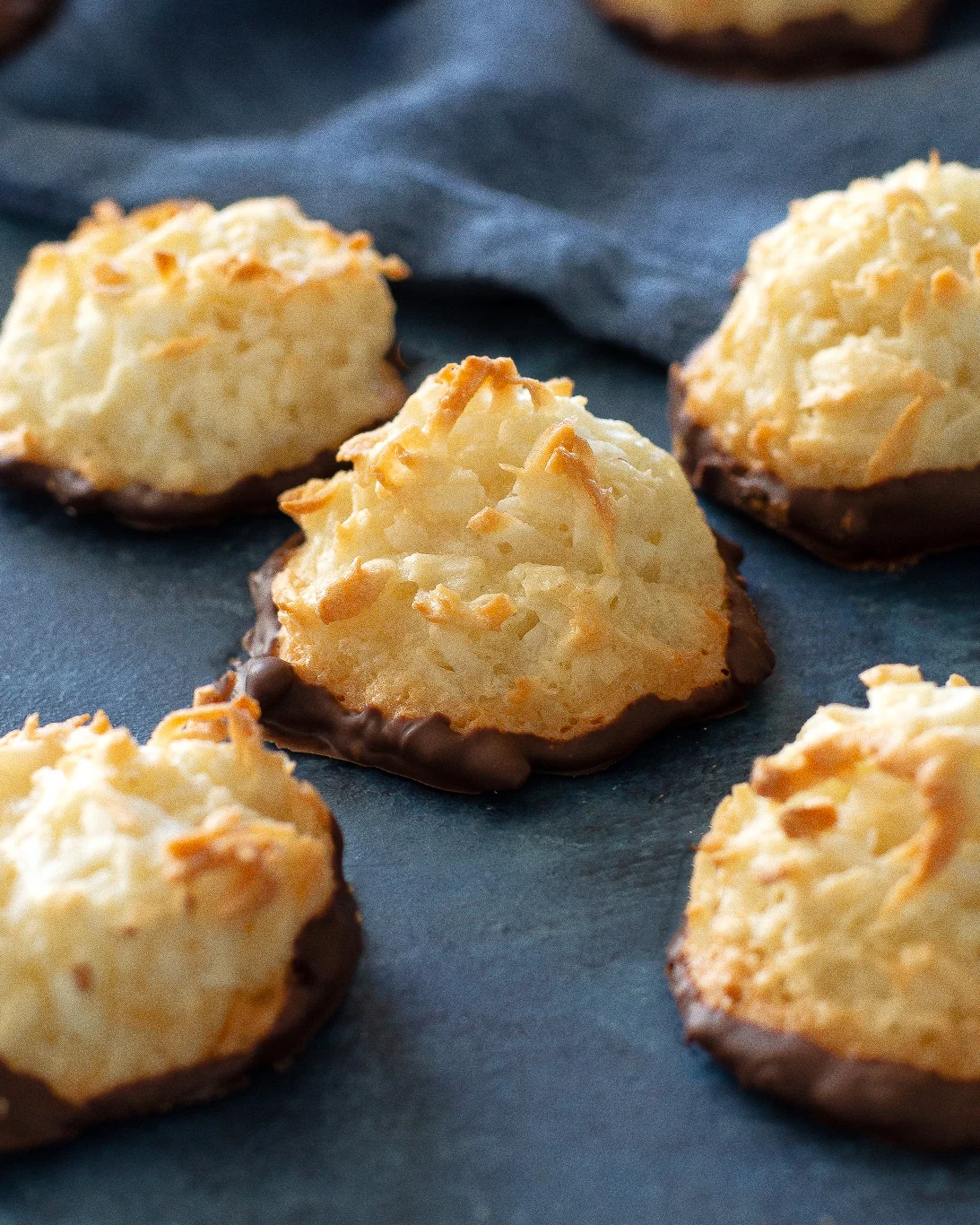
Coconut macaroons, those delightful, chewy-on-the-inside, crisp-on-the-outside confections, are a beloved treat that transcends seasons and celebrations. Crafted from a simple yet effective blend of shredded coconut, sugar, egg whites, and flour, these small cookies offer a satisfyingly sweet experience. The optional, yet highly recommended, dip in melted chocolate elevates them to a truly decadent dessert, making them a perennial favorite, particularly during festive occasions like Easter. While their preparation might seem straightforward, the nuanced textures and flavors achieved in a well-made macaroon are a testament to the art of baking.
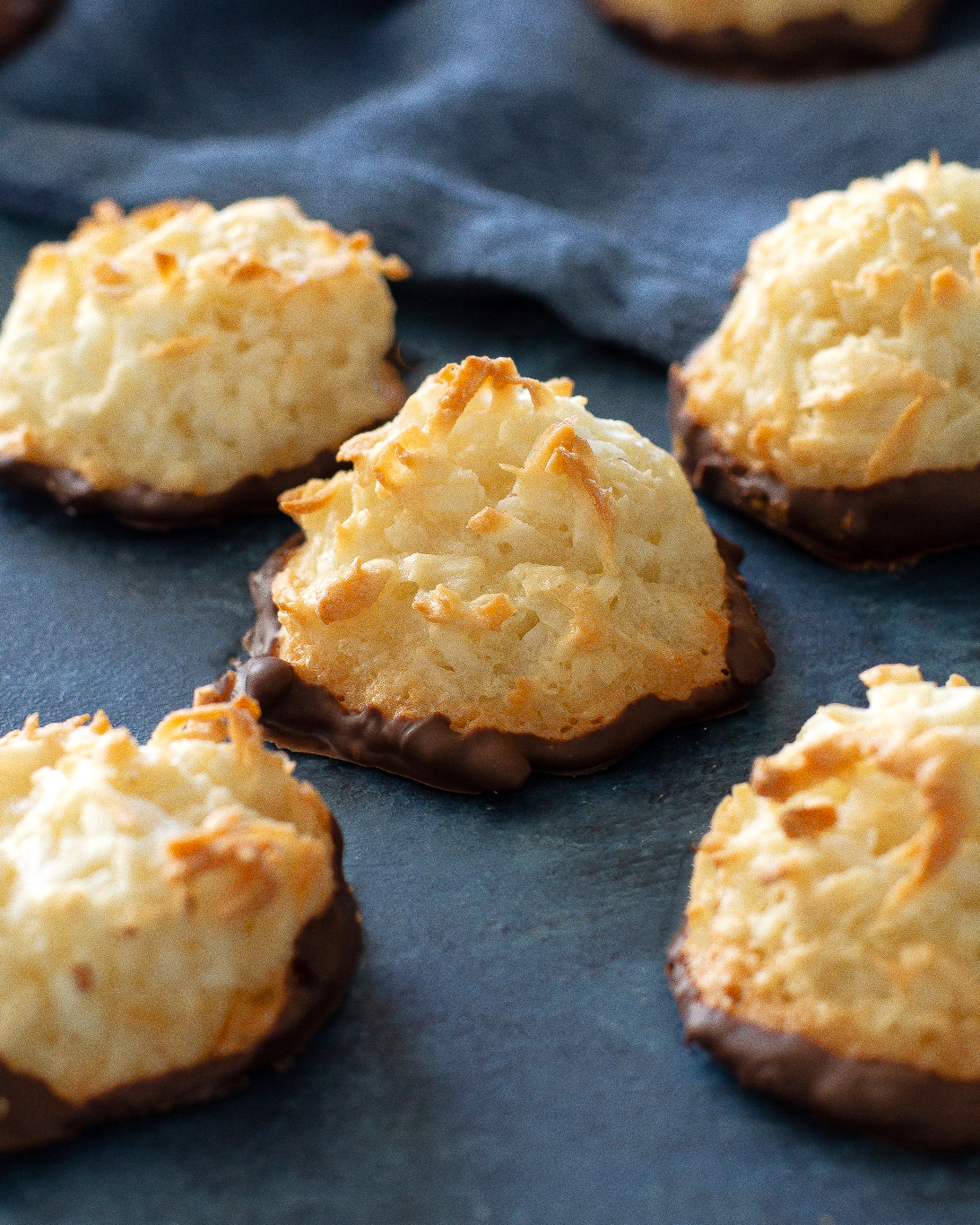
The foundational elements of a classic macaroon recipe are deceptively minimal, allowing the rich flavor of the coconut to shine. Unlike some other confectionary preparations, the core ingredients for macaroons are readily accessible and do not typically require specialized equipment. The characteristic chewiness is often attributed to the careful balance of desiccated coconut and the binding properties of egg whites, while a touch of flour provides structure. The resulting cookie boasts a golden-brown exterior, a testament to the Maillard reaction during baking, which encases a soft, yielding interior. This textural contrast is a key element of their appeal.
A Comparative Culinary Landscape: Macaroon vs. Macaron
It is crucial to distinguish the coconut macaroon from its similarly named, yet distinctly different, French cousin, the macaron. While both share a phonetic resemblance and are popular in the world of baked goods, their origins, ingredients, and preparation methods diverge significantly. The macaroon, pronounced "mack-a-roon," is an American interpretation, characterized by its rustic, shredded coconut composition. Its preparation is generally more forgiving, often involving a simple mixing and baking process.
In stark contrast, the macaron, pronounced "mac-a-rohn," is a delicate French meringue-based sandwich cookie. These intricate creations consist of two crisp yet tender shells made from almond flour, egg whites, and sugar, sandwiched together with a flavorful filling such as buttercream, ganache, or jam. The creation of macarons demands a high level of precision and technique, particularly in achieving the characteristic "feet" – the ruffled edge at the base of the cookie – and the smooth, unblemished surface of the shells. The textural profile of a macaron is one of delicate crispness giving way to a chewy interior, a refined contrast to the more robust chew of a macaroon. Understanding this distinction is vital for any enthusiast navigating the world of sweet treats.
The Quest for the Perfect Macaroon: Exploring Recipe Variations
Within the realm of macaroon recipes, a common point of divergence lies in the choice of binding agent. Many popular recipes incorporate sweetened condensed milk, a common ingredient that contributes moisture and sweetness. However, a notable alternative, and one that often yields a superior chewy texture, involves the use of egg whites. Extensive testing and comparative analysis of both the sweetened condensed milk and egg white versions of macaroon recipes consistently reveal that the latter often produces a more desirable chewy consistency. This is likely due to the inherent properties of egg whites, which, when properly incorporated and baked, create a structure that holds moisture and develops that signature chew. While both methods can result in delicious cookies, the egg white approach is frequently favored by bakers seeking to optimize the macaroon’s textural qualities.
The Art of Preparation: Crafting Coconut Macaroons
The process of creating coconut macaroons, while generally accessible, requires attention to detail to achieve optimal results. The fundamental steps involve combining the core ingredients – typically shredded coconut, sugar, and egg whites. The ratio of these components is critical, influencing both the texture and the overall cohesiveness of the mixture. Flour is often incorporated in smaller quantities to provide a structural element, preventing the macaroons from spreading too thinly during baking.
Once the ingredients are thoroughly combined, the mixture is typically portioned into small mounds, often using a spoon or a small cookie scoop. These mounds are then placed on a baking sheet lined with parchment paper to prevent sticking and ensure even heat distribution. The baking process itself is a crucial stage. Macaroons are generally baked at moderate temperatures until they achieve a desirable golden-brown hue on the edges and exterior. The goal is to create a slightly crisp outer shell that yields to a tender, chewy interior. Overbaking can result in a dry, brittle cookie, while underbaking may leave them too soft and prone to falling apart. The exact baking time will vary depending on the size of the macaroons and the specific oven being used.
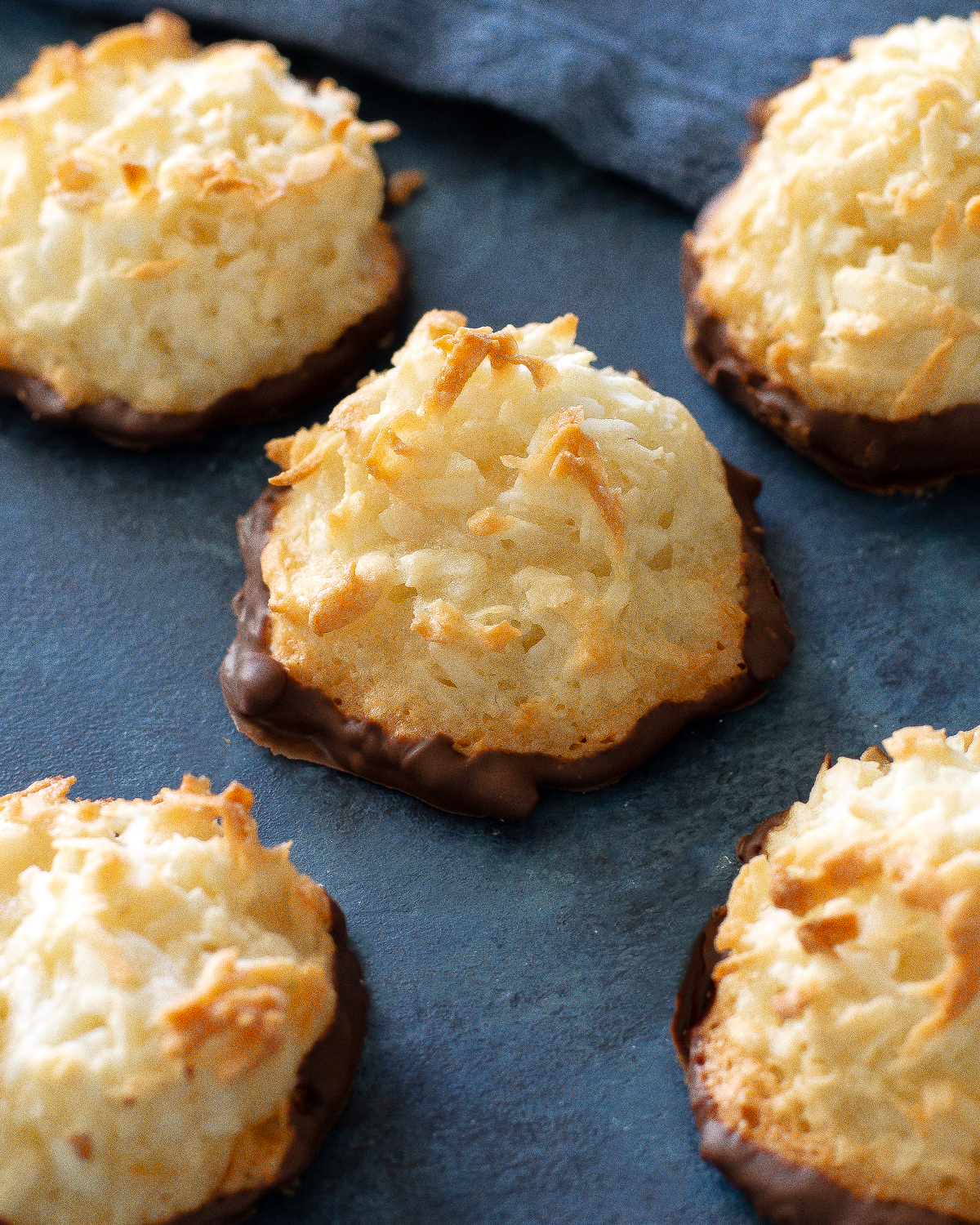
For those seeking an added layer of indulgence, the final step often involves dipping the cooled macaroons in melted chocolate. This can range from simple dark chocolate to milk or white chocolate, or even a combination of varieties. The chocolate coating not only enhances the flavor profile but also adds a visually appealing finish, transforming a simple cookie into an elegant treat. The type of chocolate used and the thickness of the coating can significantly impact the overall taste and texture of the finished product.
Beyond the Bake: Culinary Applications and Context
Coconut macaroons are not merely a standalone dessert; they are a versatile confection that can be integrated into various culinary contexts. Their relatively long shelf life and portable nature make them an ideal choice for gatherings, parties, and as a sweet accompaniment to coffee or tea. As previously mentioned, their association with Easter is particularly strong in many cultures. The pastel colors often associated with Easter, combined with the sweet, comforting nature of the macaroon, make them a fitting addition to holiday tables and Easter baskets.
Beyond Easter, macaroons can be a welcome addition to any celebration. Their ease of preparation, especially compared to more complex pastries, makes them a popular choice for home bakers looking to impress guests without an overwhelming commitment of time and effort. They are also a staple at bake sales, fundraising events, and as part of cookie platters during the holiday season. The inherent sweetness and satisfying texture ensure their broad appeal across different age groups and palates.
Nutritional Considerations and Ingredient Sourcing
While the primary focus of a macaroon recipe is on flavor and texture, it is worth noting the nutritional components. The high sugar content is a defining characteristic, contributing to their sweetness and providing energy. The shredded coconut offers healthy fats and dietary fiber, though the overall health profile is dictated by the proportion of ingredients. Egg whites contribute protein. For those with dietary restrictions or preferences, variations can be explored. For instance, sugar substitutes can be employed, and gluten-free flour alternatives can be used to cater to individuals with celiac disease or gluten sensitivities. The sourcing of ingredients also plays a role; opting for high-quality shredded coconut and fresh eggs will invariably lead to a superior final product.
The Enduring Appeal of a Simple Sweet
In a culinary landscape often dominated by intricate and elaborate creations, the enduring appeal of the coconut macaroon lies in its simplicity and its ability to deliver pure, unadulterated sweetness. It represents a comforting connection to tradition, a testament to how a few basic ingredients, when skillfully combined, can yield a treat that brings joy to so many. Whether enjoyed on its own or as part of a larger dessert spread, the coconut macaroon stands as a testament to the power of humble ingredients and thoughtful preparation. Its crisp exterior, chewy interior, and the optional embrace of chocolate create a sensory experience that continues to delight generations of dessert lovers. The ongoing popularity of this confection underscores its status as a timeless classic in the world of baking.
