
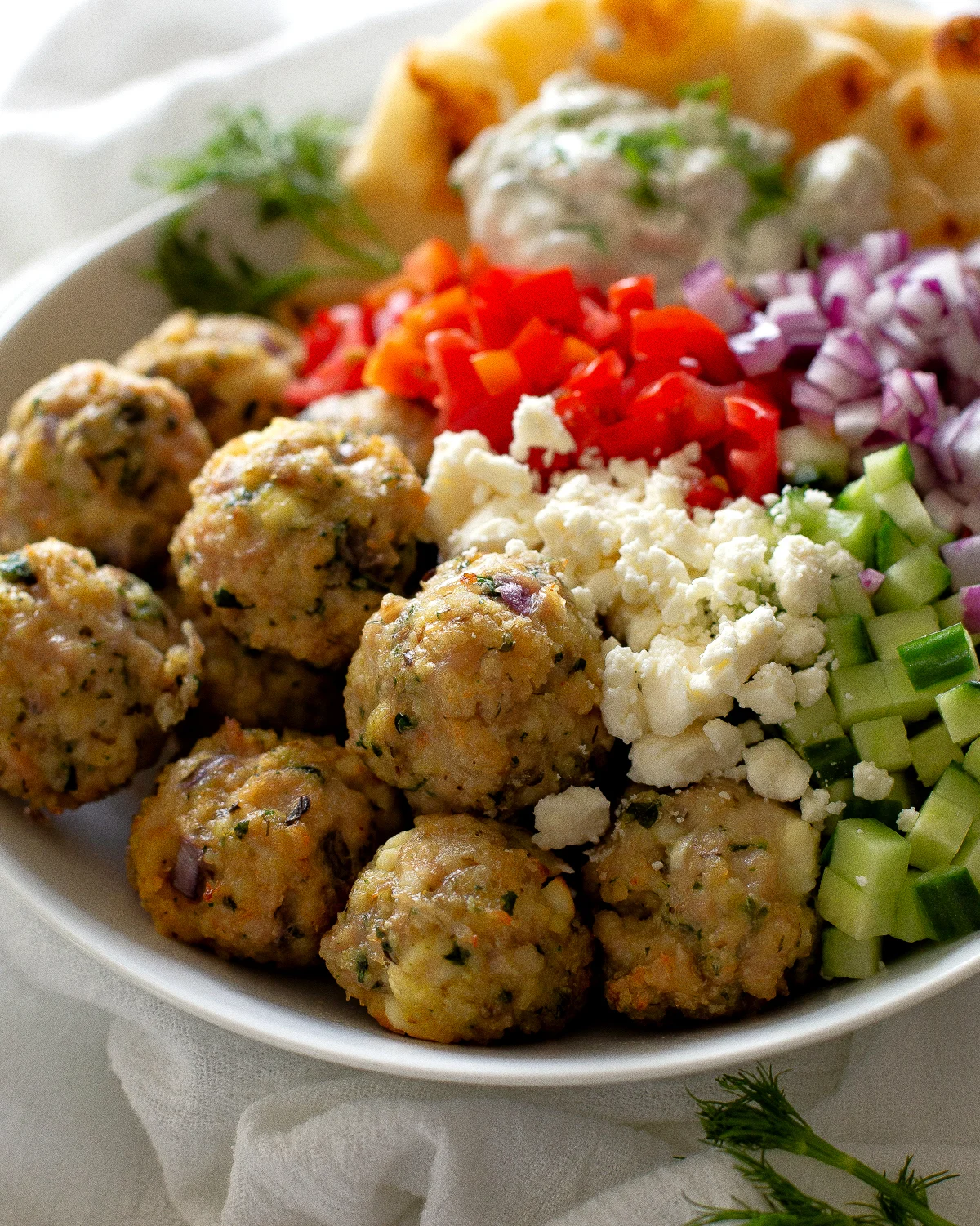
The culinary landscape of the Mediterranean is rich with time-honored recipes, and among them, meatballs, or "keftedes," hold a special place. A contemporary adaptation of this beloved dish, Greek chicken meatballs offer a flavorful and lighter alternative to traditional preparations, making them an ideal centerpiece for weeknight dinners or a sophisticated addition to any meal. These herb-infused morsels, crafted from lean ground chicken, capture the essence of Greek cuisine while providing a versatile dish that can be enjoyed in numerous ways.
The appeal of Greek chicken meatballs lies in their inherent adaptability and the vibrant taste profile they offer. Unlike their beef or lamb counterparts, these meatballs leverage the mildness of chicken as a canvas for a medley of fresh herbs and aromatic seasonings. Common ingredients include finely chopped parsley, garlic, onion, and oregano, which together create a fragrant and savory mixture. This careful balance of flavors is crucial to replicating the authentic keftedes experience, even with a different protein base. The resulting meatballs are not only succulent and tender but also boast a lighter nutritional footprint, appealing to health-conscious diners without compromising on taste.
The genesis of this particular iteration of meatballs can be understood within the broader context of evolving dietary trends and a renewed appreciation for traditional cuisines. As global palates become more adventurous and awareness of healthy eating practices grows, chefs and home cooks alike have increasingly turned to leaner proteins and fresh, vibrant ingredients. Chicken, being widely available and a good source of protein, has naturally found its way into recipes traditionally dominated by red meats. The Greek flavor profile, with its emphasis on fresh produce, herbs, and olive oil, aligns perfectly with these contemporary culinary ideals. This Greek chicken meatball recipe represents a harmonious fusion of tradition and modern dietary preferences, offering a dish that is both comforting and contemporary.
Crafting the Perfect Greek Chicken Meatball: Key Considerations for Texture and Flavor
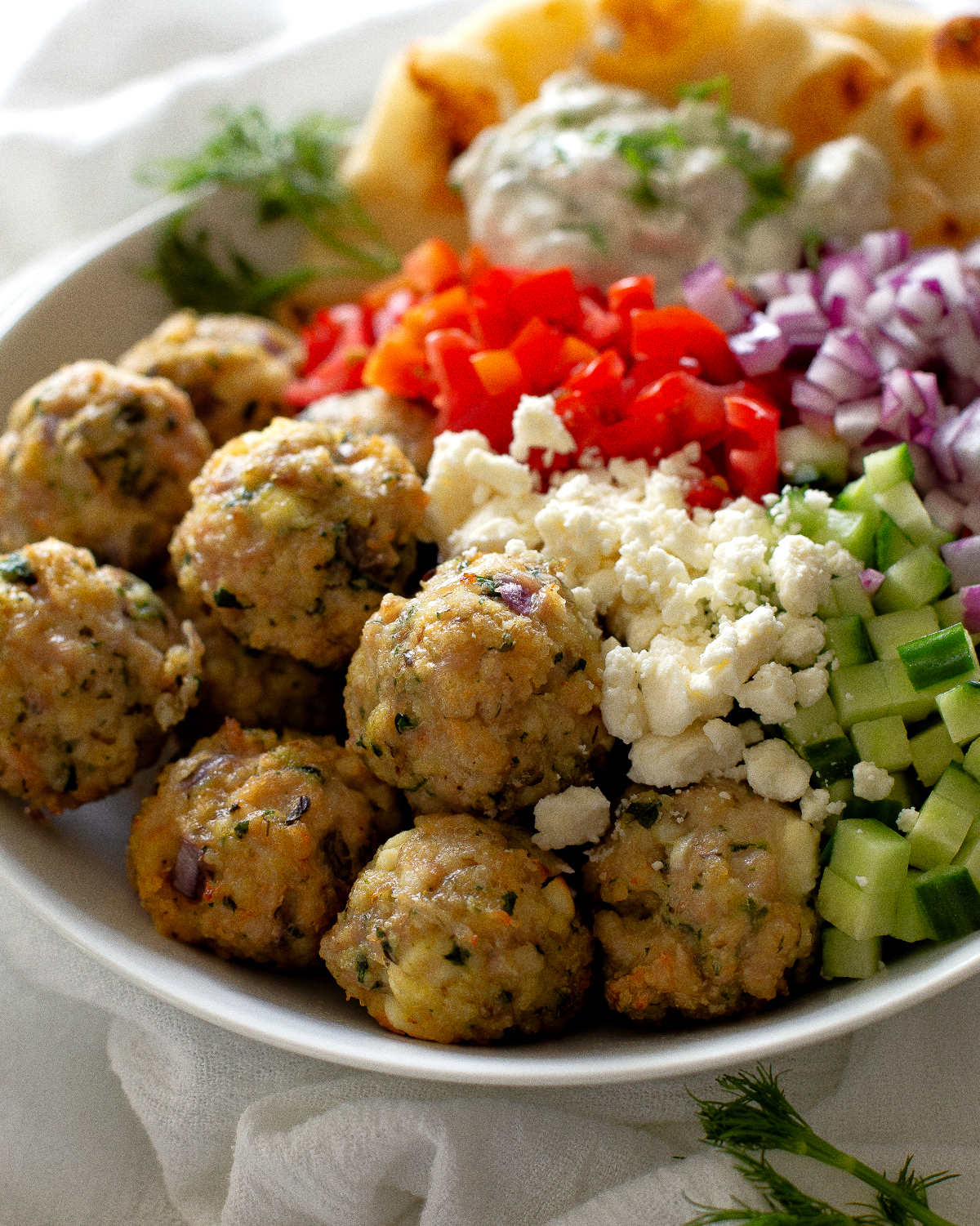
Achieving a truly exceptional Greek chicken meatball hinges on a few fundamental techniques aimed at maximizing moisture and infusing depth of flavor. The choice of ground chicken is paramount; opting for a blend that includes some dark meat can contribute to a richer flavor and more tender texture, as it contains more fat than pure breast meat. However, the recipe’s emphasis on a "lighter twist" suggests a preference for leaner cuts, which necessitates careful handling to prevent dryness.
One of the most critical elements in ensuring juicy meatballs is the management of moisture. Overworking the meat mixture can lead to tough meatballs, so a gentle hand during mixing is advised. Incorporating ingredients that bind and retain moisture, such as finely grated onion (which releases its own juices) and a small amount of breadcrumbs or panko, can significantly improve the final texture. Some recipes also suggest adding a tablespoon or two of olive oil to the mixture, further enhancing succulence.
The aromatic components are equally vital. Fresh herbs, such as parsley and mint, are quintessential to Greek cuisine and provide a bright, herbaceous counterpoint to the savory chicken. Garlic and onion, in their finely minced or grated forms, form the foundational aromatics. The inclusion of spices like dried oregano and a hint of cinnamon or nutmeg can add subtle complexity and warmth, echoing traditional keftedes recipes. A touch of lemon zest can also brighten the overall flavor profile, adding a zesty lift that complements the herbs.
Versatility on the Plate: Serving Suggestions for Greek Chicken Meatballs
The inherent versatility of Greek chicken meatballs allows them to be presented in a multitude of ways, catering to diverse palates and occasions. Their inherent flavor makes them a compelling main course when served as is, but their true culinary potential unfolds when paired with complementary accompaniments.
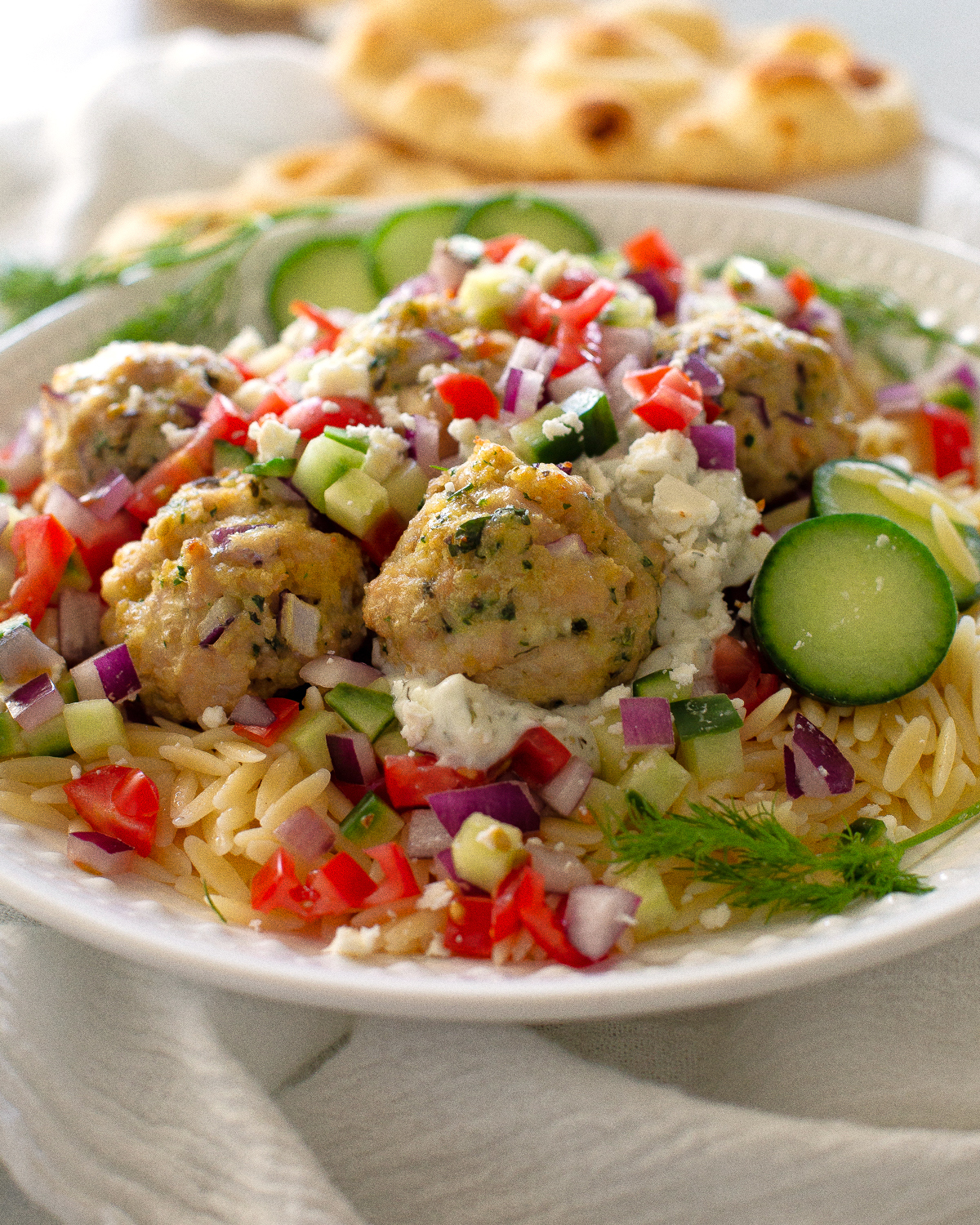
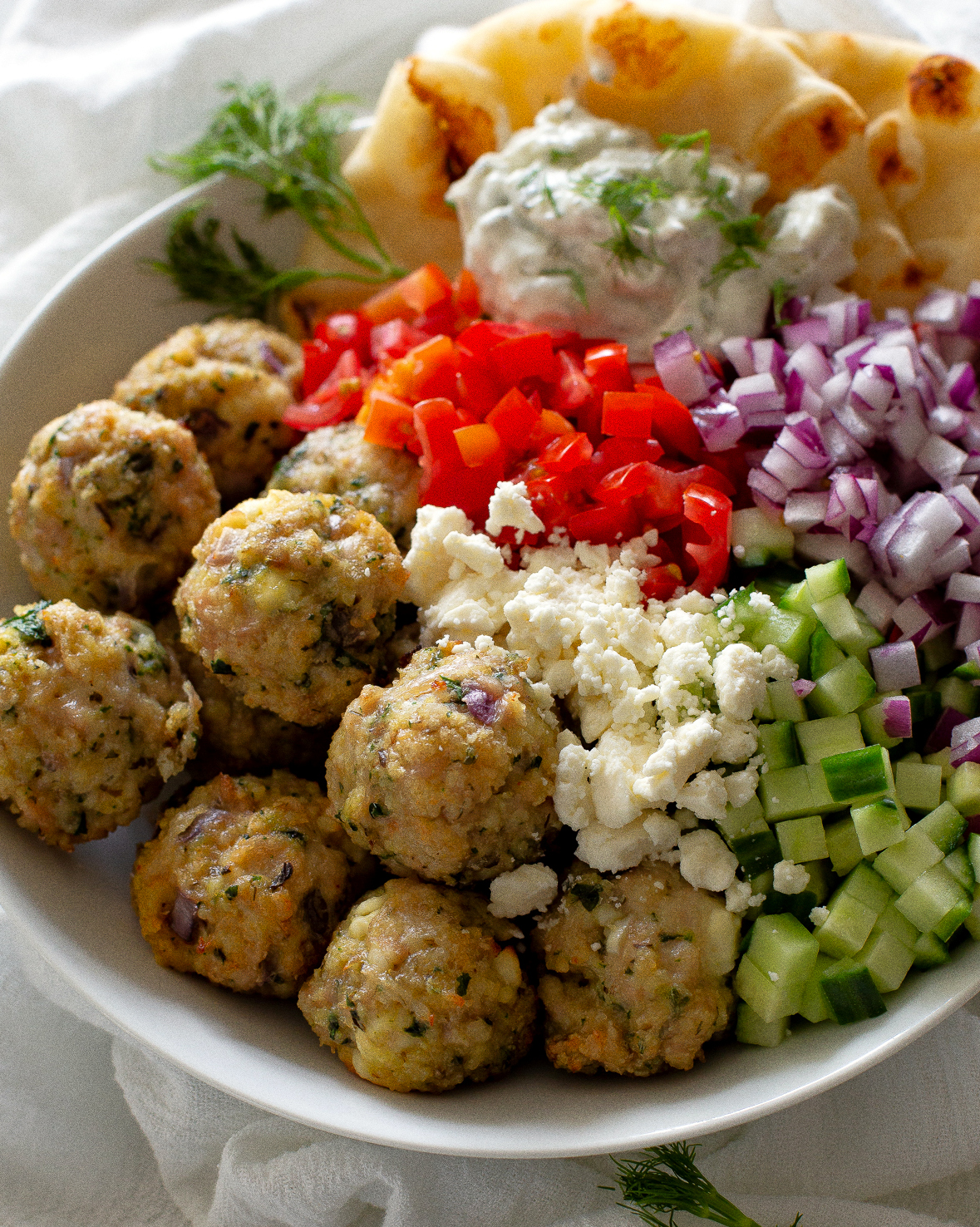
A classic serving suggestion involves presenting the meatballs alongside a vibrant Greek-inspired salad. This typically includes diced tomatoes, crisp cucumber, thinly sliced red onion, and Kalamata olives, all drizzled with a light vinaigrette. The addition of crumbled feta cheese provides a salty, tangy finish that harmonizes beautifully with the meatballs. A dollop of creamy tzatziki sauce, with its refreshing blend of yogurt, cucumber, garlic, and dill, offers a cooling contrast and adds another layer of authentic Greek flavor.
Beyond the salad bowl, these meatballs shine when served over a bed of fluffy rice or tender orzo pasta. The grains absorb the savory juices from the meatballs, creating a deeply satisfying and cohesive dish. For a more substantial meal, they can be incorporated into pasta dishes, such as a Mediterranean-inspired pasta bake, or served as a protein element in grain bowls. The meatballs also lend themselves well to being served as appetizers, perhaps skewered with cherry tomatoes and feta cubes, or presented with a selection of dips.
Nutritional Profile and Culinary Context
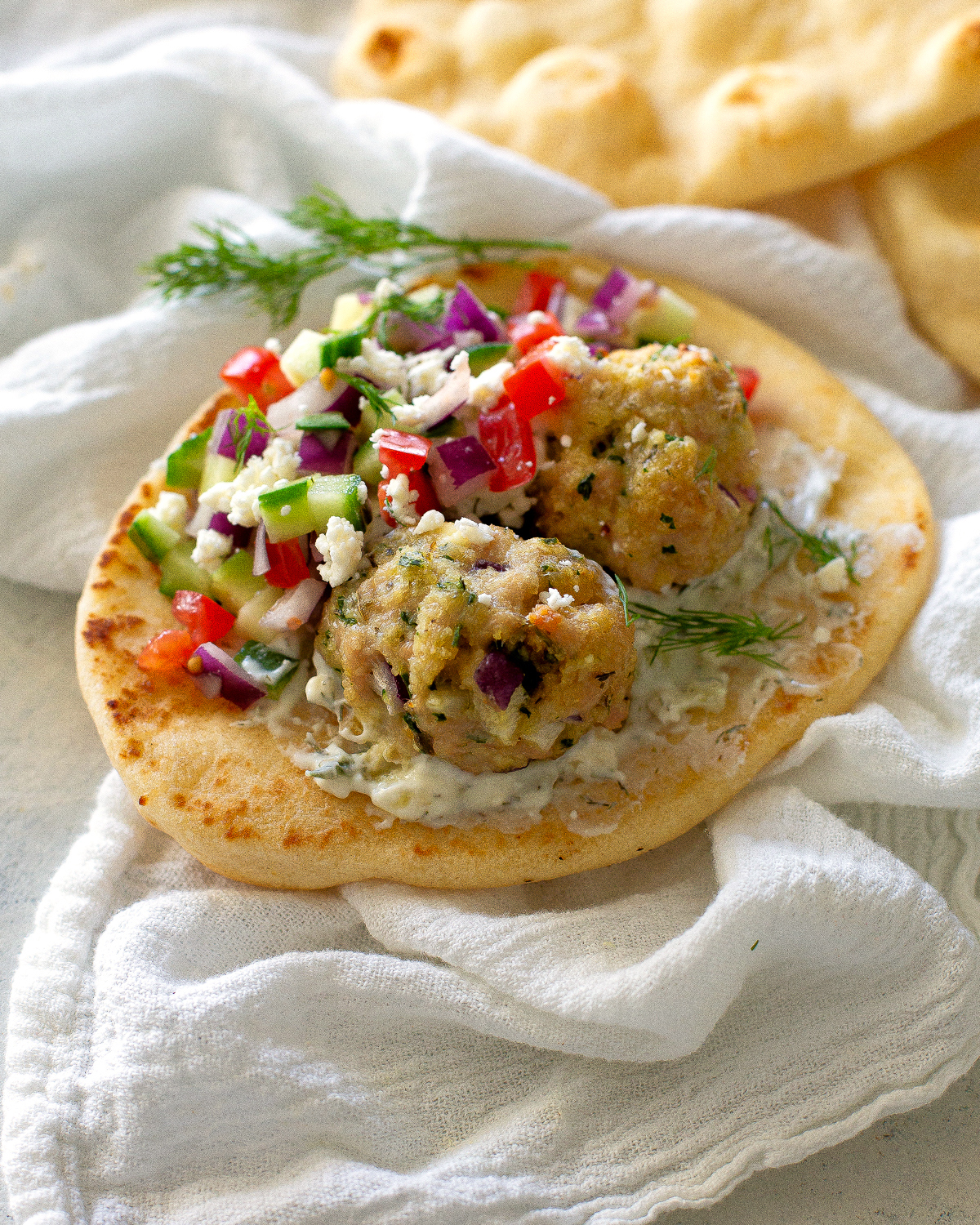
From a nutritional standpoint, Greek chicken meatballs offer a favorable profile. A typical serving, often defined as one meatball, provides approximately 51 calories, with a modest amount of carbohydrates (around 1g), a good source of protein (around 4g), and a relatively low fat content (around 3g). The saturated fat content is also kept in check, contributing to their status as a healthier option. This nutritional breakdown makes them an attractive choice for individuals managing their caloric intake or seeking to incorporate more lean protein into their diet.
The popularity of Greek cuisine worldwide can be attributed to its emphasis on fresh, whole ingredients and its perceived health benefits. Mediterranean diets are consistently linked to reduced risks of cardiovascular disease, certain cancers, and type 2 diabetes. Recipes like these Greek chicken meatballs, when prepared with lean protein and served with an abundance of vegetables and healthy fats, align perfectly with the principles of this renowned dietary pattern.
The Broader Impact: Culinary Innovation and Dietary Adaptations
The evolution of recipes like Greek chicken meatballs reflects a broader trend in the culinary world: the adaptation of traditional dishes to meet contemporary tastes and dietary needs. This process of culinary innovation is not new, but it has been accelerated by increased global connectivity and a greater emphasis on health and wellness.
The ability to substitute ingredients, such as using chicken instead of beef or lamb, allows for greater accessibility and broader appeal. It opens up these beloved dishes to individuals with dietary restrictions, such as those who avoid red meat for health or ethical reasons. Furthermore, the focus on fresh herbs and vegetables in Greek cuisine naturally lends itself to lighter, more nutrient-dense preparations.
The implications of such culinary adaptations extend beyond individual kitchens. They contribute to a more diverse and inclusive food culture, where traditional recipes can be reinterpreted and enjoyed by a wider audience. This fosters a deeper appreciation for culinary heritage while simultaneously embracing progress and innovation. As consumers continue to prioritize health and flavor, recipes that strike a balance between the two are likely to remain at the forefront of popular cuisine. The Greek chicken meatball, in its flavorful and adaptable form, stands as a testament to this ongoing evolution, offering a delicious and wholesome taste of the Mediterranean for the modern table.
