
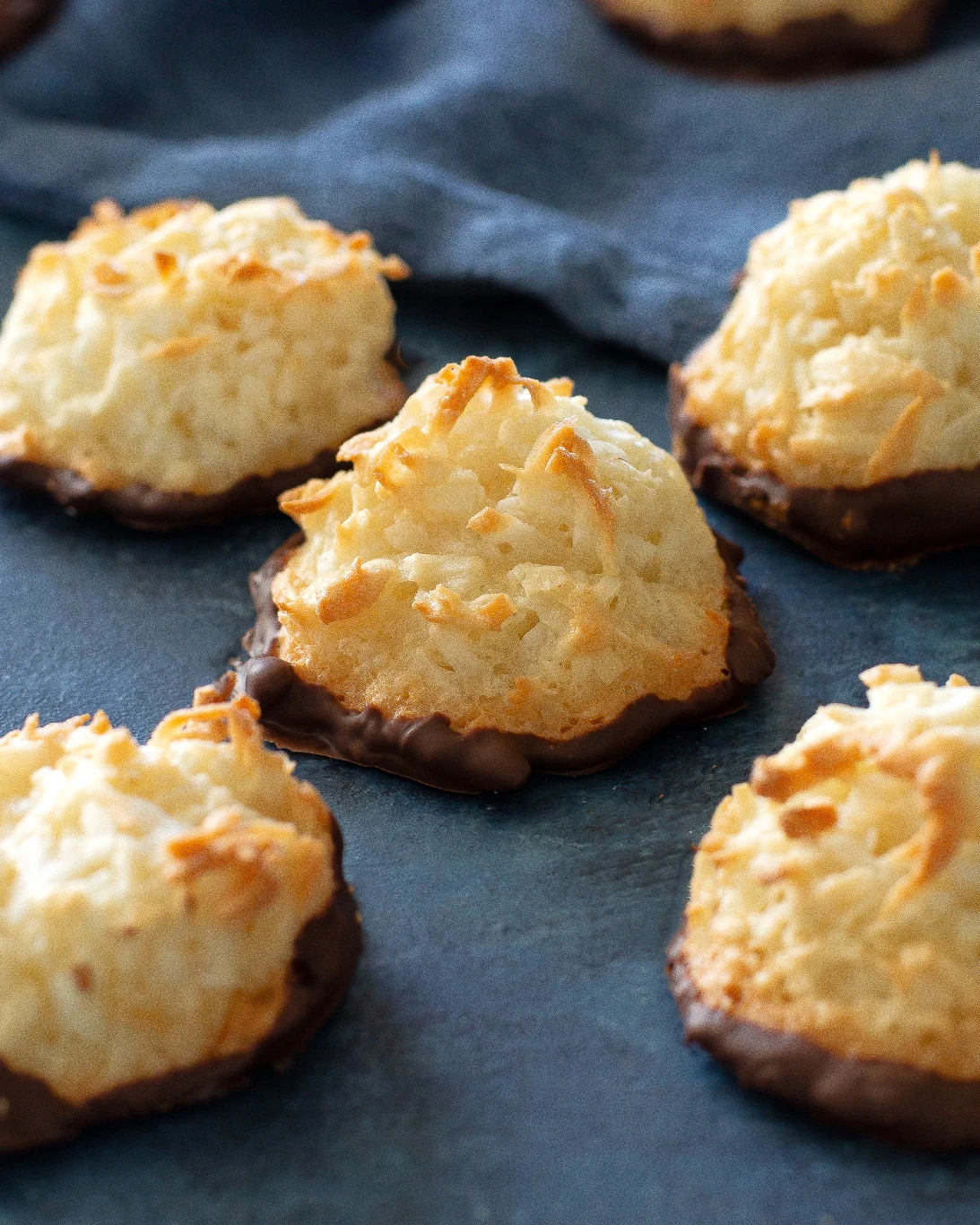
Coconut Macaroons, a delightful confection characterized by their chewy interior and crisp exterior, are experiencing a surge in popularity, particularly as a festive treat for occasions like Easter. These simple yet satisfying cookies, primarily composed of coconut, sugar, egg whites, and flour, offer a versatile base that can be elevated with additions such as a decadent dip in melted chocolate. While their preparation is often perceived as straightforward, a closer examination reveals a nuanced culinary tradition and a distinct difference from their French counterparts, the macarons.
The genesis of the coconut macaroon, as it is widely known in American baking, can be traced back to the evolving landscape of dessert creation. Unlike many contemporary recipes that often incorporate sweetened condensed milk, a more traditional approach utilizes egg whites as a binding agent. This method, when executed correctly, is said to yield macaroons with a superior chewy texture, a desirable characteristic for many connoisseurs of this sweet treat. The debate between these two primary recipe variations highlights the ongoing quest for the perfect macaroon, with bakers and home cooks alike championing the efficacy of the egg white method for achieving that coveted chewiness.
Understanding the Macaroon’s Core Components and Variations
At its heart, a coconut macaroon is a testament to the power of simple ingredients. The interplay between shredded coconut, sugar, and egg whites creates a unique textural experience. The sugar not only sweetens but also contributes to the crisp outer shell through caramelization during baking. Egg whites provide the necessary structure and moisture, while the flour, though sometimes omitted in more minimalist recipes, can add a subtle binding quality. The precise ratio of these components is critical; too much moisture can lead to a soggy cookie, while insufficient binding agents can result in a crumbly texture.
The decision to incorporate sweetened condensed milk versus egg whites is a significant fork in the road for macaroon recipes. Sweetened condensed milk, with its high sugar content and thick consistency, readily contributes to sweetness and a moist, dense texture. However, proponents of the egg white method argue that it allows the natural flavor of the coconut to shine through more prominently and achieves a more desirable chewiness that doesn’t feel overly cloying. This distinction is not merely academic; it directly impacts the final taste and mouthfeel of the macaroon. Extensive testing, often undertaken by culinary bloggers and recipe developers, aims to elucidate the optimal approach for achieving consistently delicious results.
The Art of Preparation: From Ingredients to Oven
The process of creating coconut macaroons, while appearing simple, involves specific techniques to ensure success. The initial step typically involves combining the primary dry ingredients – shredded coconut and sugar – with the binder. For the egg white version, the whites are often lightly beaten to achieve a frothy consistency before being incorporated into the coconut mixture. Some recipes might call for a touch of vanilla extract or almond extract to enhance the flavor profile.
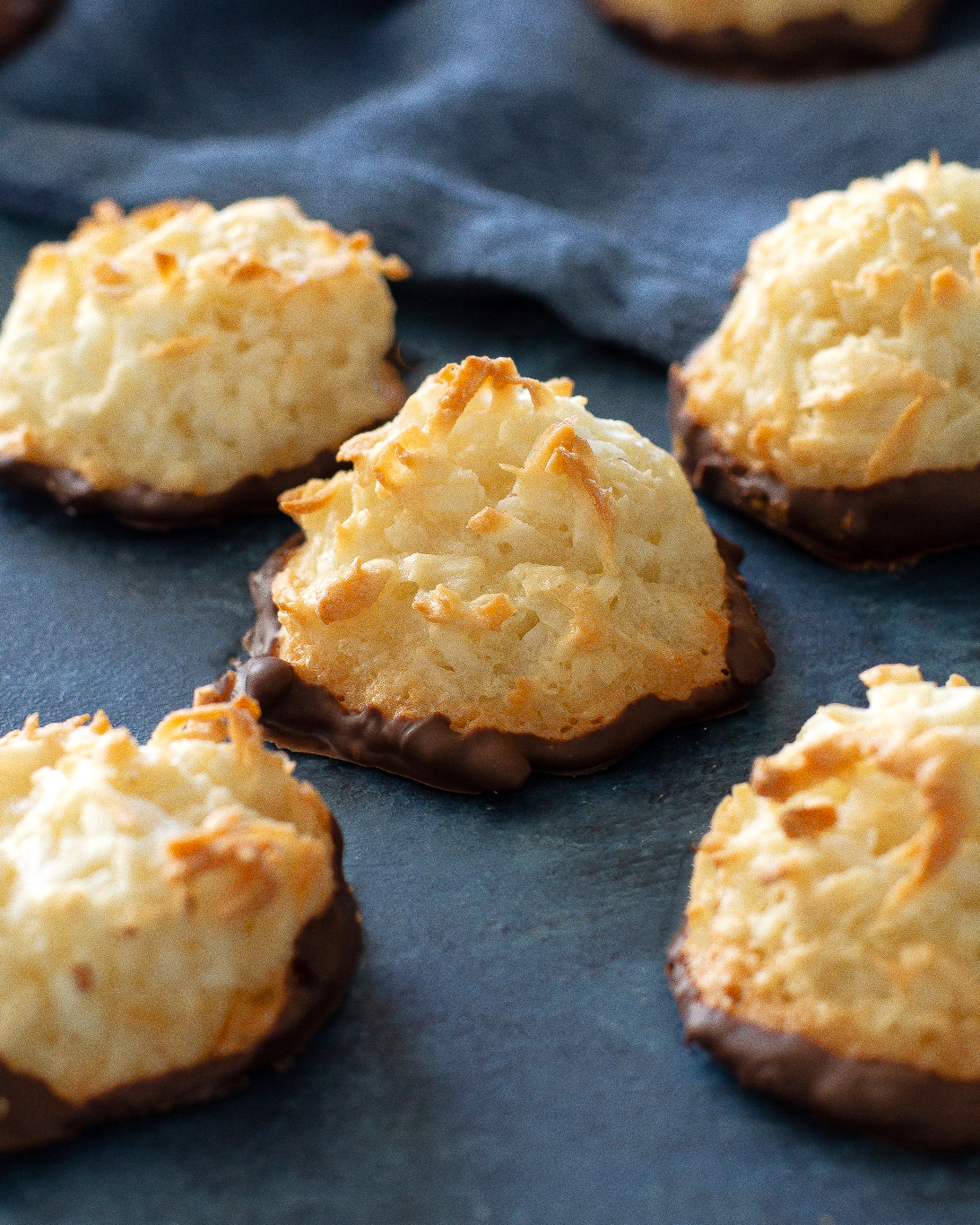
Once the dough-like mixture is formed, it is spooned or piped onto baking sheets lined with parchment paper. The shape and size of the macaroons can vary, but they are generally formed into small mounds. The baking temperature and time are crucial. A moderately hot oven, typically between 300-350°F (150-175°C), is employed to allow the exteriors to crisp up and turn golden brown without overcooking the interiors. The baking duration is usually around 15-20 minutes, but this can fluctuate based on the size of the macaroons and the specific oven. Overbaking will result in dry, hard cookies, while underbaking will leave them too soft and potentially raw in the center.
The optional but highly recommended step of dipping macaroons in melted chocolate adds another layer of indulgence. Dark, milk, or white chocolate can be used, and the contrast in flavor and texture between the rich chocolate and the sweet, chewy macaroon is a classic pairing. Some bakers also opt to drizzle chocolate over the macaroons or add a sprinkle of toasted coconut or chopped nuts for added visual appeal and flavor complexity.
Differentiating Macaroons from Macarons: A Crucial Distinction
It is imperative to clarify the distinction between macaroons and macarons, a common point of confusion due to their similar pronunciation and spelling. Macaroons, as discussed, are the coconut-based cookies originating from American baking traditions. They are characterized by their rustic appearance and chewy texture.
In stark contrast, macarons are delicate French sandwich cookies. Pronounced "mac-a-rohn," these confections are made from almond flour, egg whites, and sugar, resulting in a meringue-based cookie with a smooth, crisp shell and a slightly chewy interior. They are famously filled with a variety of sweet fillings, such as buttercream, ganache, or fruit preserves, creating a delightful contrast of textures and flavors. The visual presentation of macarons is often more refined, with vibrant colors and precise, uniform shapes. While both are sweet treats, their ingredients, preparation methods, and final characteristics place them in entirely different categories of baked goods.
The Cultural Significance and Versatility of Macaroons
Beyond their delicious taste, coconut macaroons hold a place in various culinary traditions and celebrations. Their association with Easter, for instance, speaks to their light, festive nature, often complementing the richer flavors of other holiday dishes. The simple yet satisfying nature of the macaroon makes it an accessible baking project for individuals of all skill levels, contributing to its widespread appeal.
Furthermore, the adaptability of the macaroon recipe allows for endless customization. Flavor extracts, citrus zest, or even a hint of spice can be incorporated into the batter to create unique variations. The chocolate dipping can also be a canvas for creativity, with the addition of sea salt, sprinkles, or even colored chocolate drizzles. This inherent versatility ensures that the coconut macaroon remains a beloved classic, capable of evolving to suit contemporary tastes and trends.
The historical trajectory of baking, particularly in the early 20th century, saw a rise in the popularity of coconut-based desserts. As coconut became more widely available and affordable in Western markets, recipes utilizing it began to proliferate. The macaroon, with its straightforward ingredients and comforting texture, fit perfectly into this culinary landscape, becoming a staple in home kitchens and bakeries alike. While specific originators are difficult to pinpoint, the macaroon likely evolved from earlier coconut confection recipes, gaining its distinct identity over time.
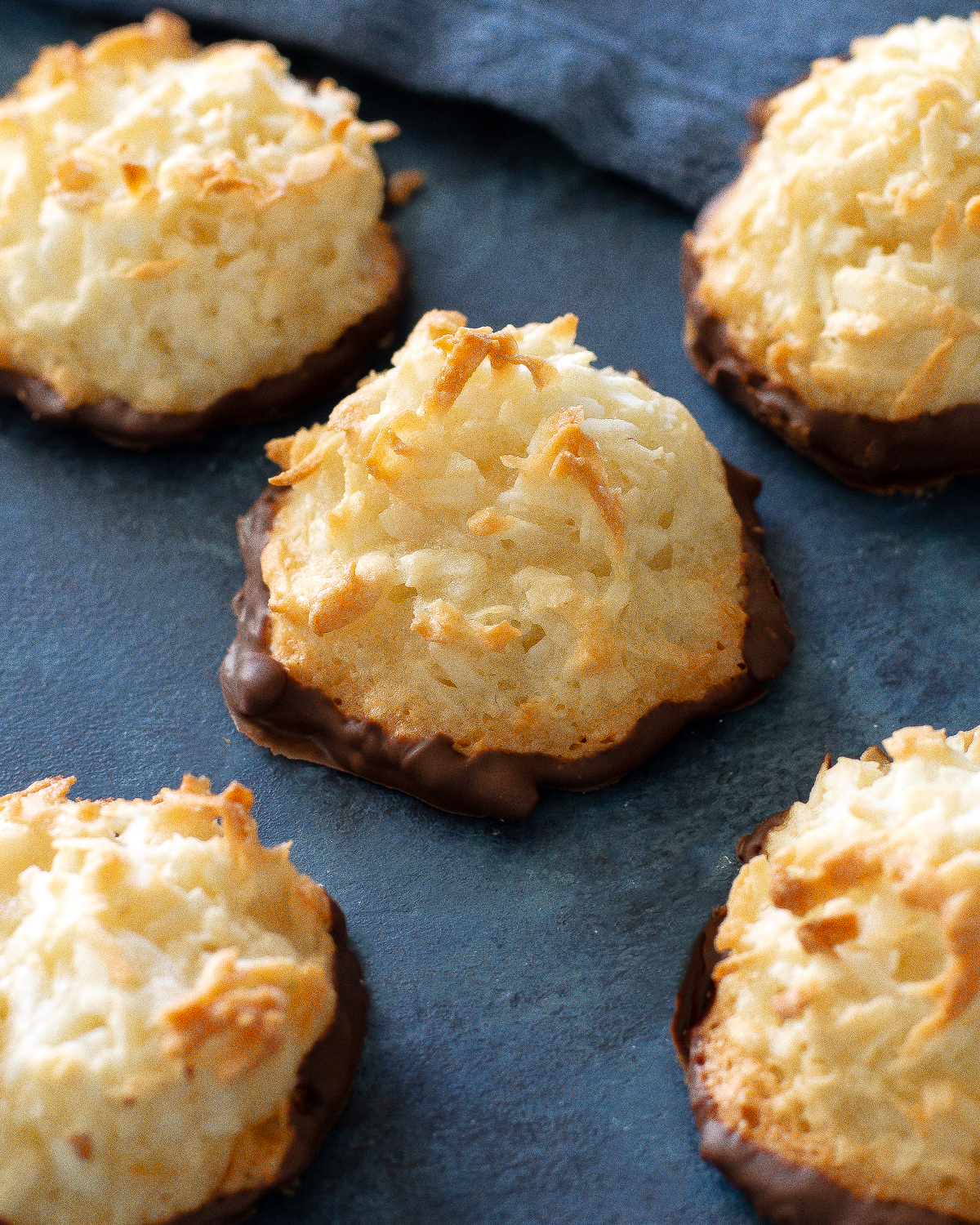
The enduring appeal of the coconut macaroon can also be attributed to its textural duality. The initial crispness of the exterior provides a satisfying crunch, which then gives way to a soft, chewy interior. This contrast is a key element of its enjoyment. The subtle sweetness of the coconut, combined with the sugar, creates a flavor profile that is both comforting and sophisticated. When dipped in chocolate, the experience is further enhanced, offering a rich, decadent counterpoint to the coconut’s natural sweetness.
In the broader context of dessert trends, the coconut macaroon represents a return to simpler, more wholesome ingredients. In an era often dominated by elaborate pastries and heavily processed sweets, the unpretentious nature of the macaroon is a welcome respite. Its relatively short ingredient list and straightforward preparation method make it an attractive option for those seeking to bake at home without requiring specialized equipment or advanced culinary techniques. This accessibility contributes significantly to its lasting popularity across generations.
The economic impact of such popular baked goods, while not as substantial as large-scale commercial food production, is significant within the artisanal and home-baking sectors. The demand for quality ingredients, such as desiccated coconut and fresh eggs, supports agricultural producers. Furthermore, the popularity of these recipes often fuels online content creation, recipe blogs, and social media engagement, creating a digital ecosystem around culinary exploration. The "cottage food" industry, where individuals can legally sell homemade baked goods, often features macaroons prominently, allowing entrepreneurs to leverage their baking skills for income.
The future of the coconut macaroon likely involves continued innovation within its traditional framework. Chefs and home bakers may explore more exotic flavor infusions, such as matcha green tea, lavender, or even spicy chili, to appeal to adventurous palates. Plant-based adaptations, using vegan egg substitutes and alternative sweeteners, are also likely to gain traction as dietary preferences evolve. Regardless of these variations, the core essence of the coconut macaroon – its chewy texture, sweet coconut flavor, and delightful simplicity – is expected to remain a constant, ensuring its place as a cherished confection for years to come. The ongoing conversation surrounding the optimal method of preparation, whether it be the egg white or condensed milk approach, will undoubtedly continue to fuel culinary experimentation and debate among enthusiasts.
