
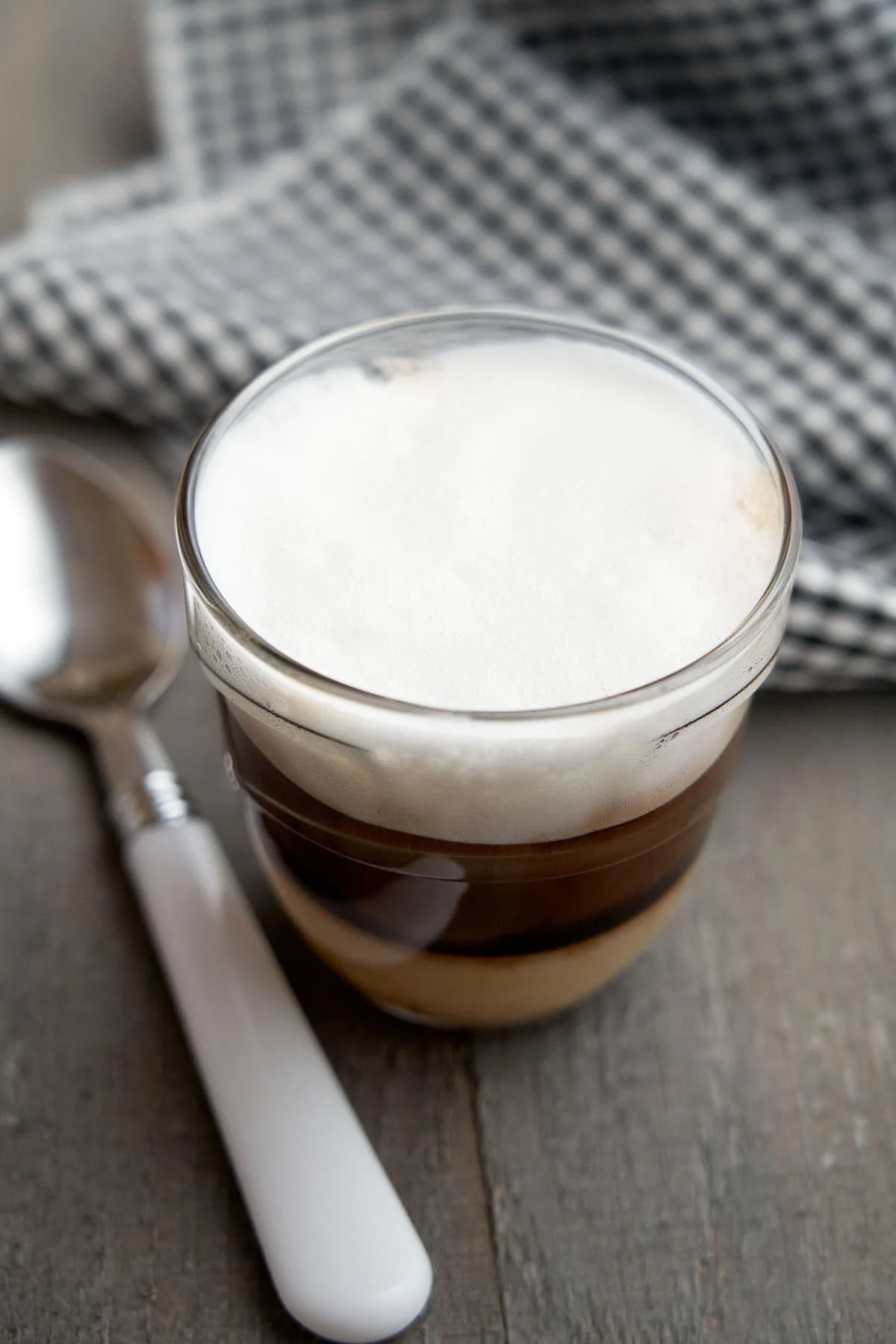
Cafe Bombon, a deceptively simple yet visually striking espresso-based beverage, has been captivating coffee enthusiasts, particularly in Spain, for decades. This layered drink, characterized by the rich contrast between dark espresso and sweet condensed milk, offers a unique sensory experience that transcends a typical morning brew. While its roots are firmly planted in Spanish café culture, its popularity has begun to ripple outwards, appearing on specialty coffee menus in other parts of the world, sparking curiosity and a desire to recreate its magic at home.
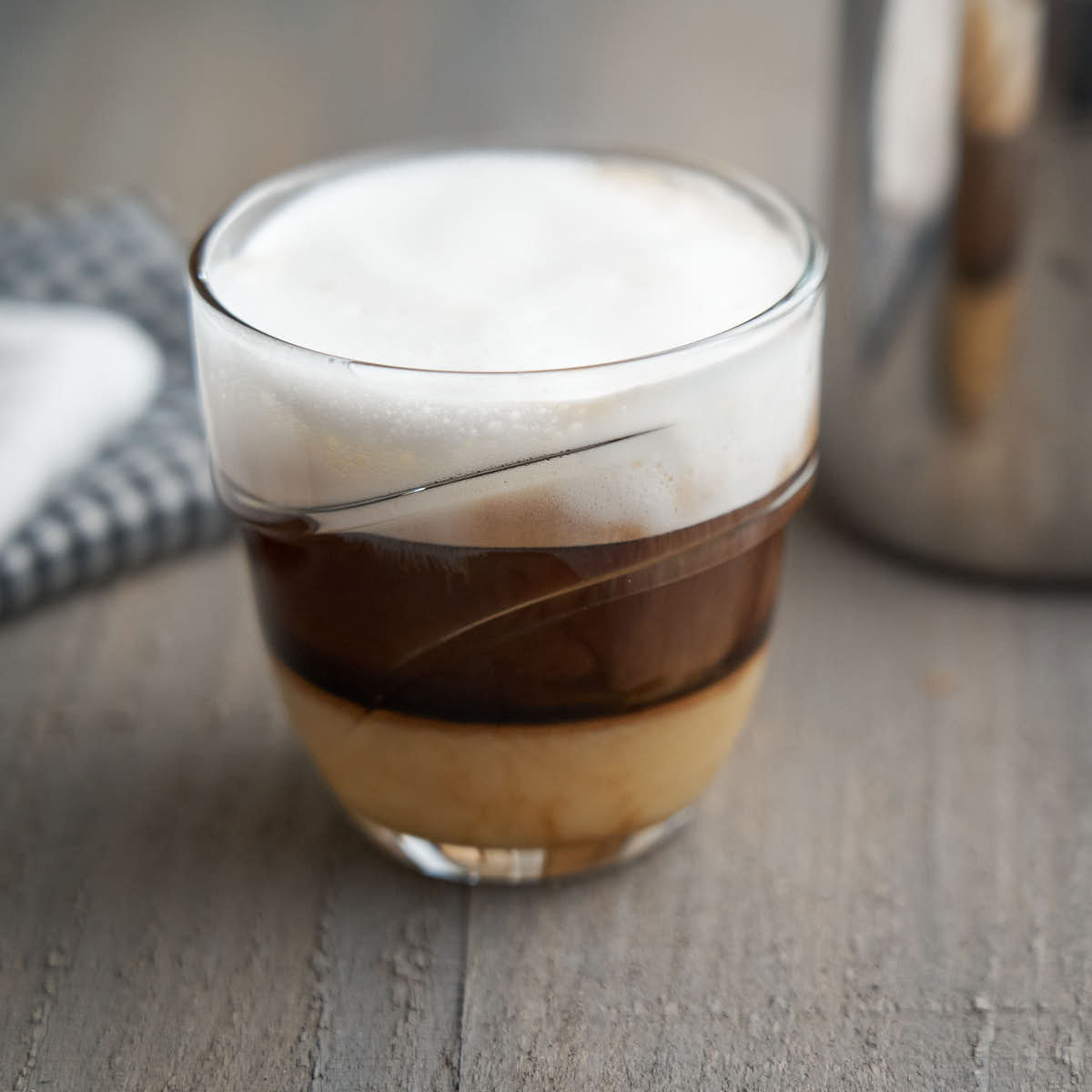
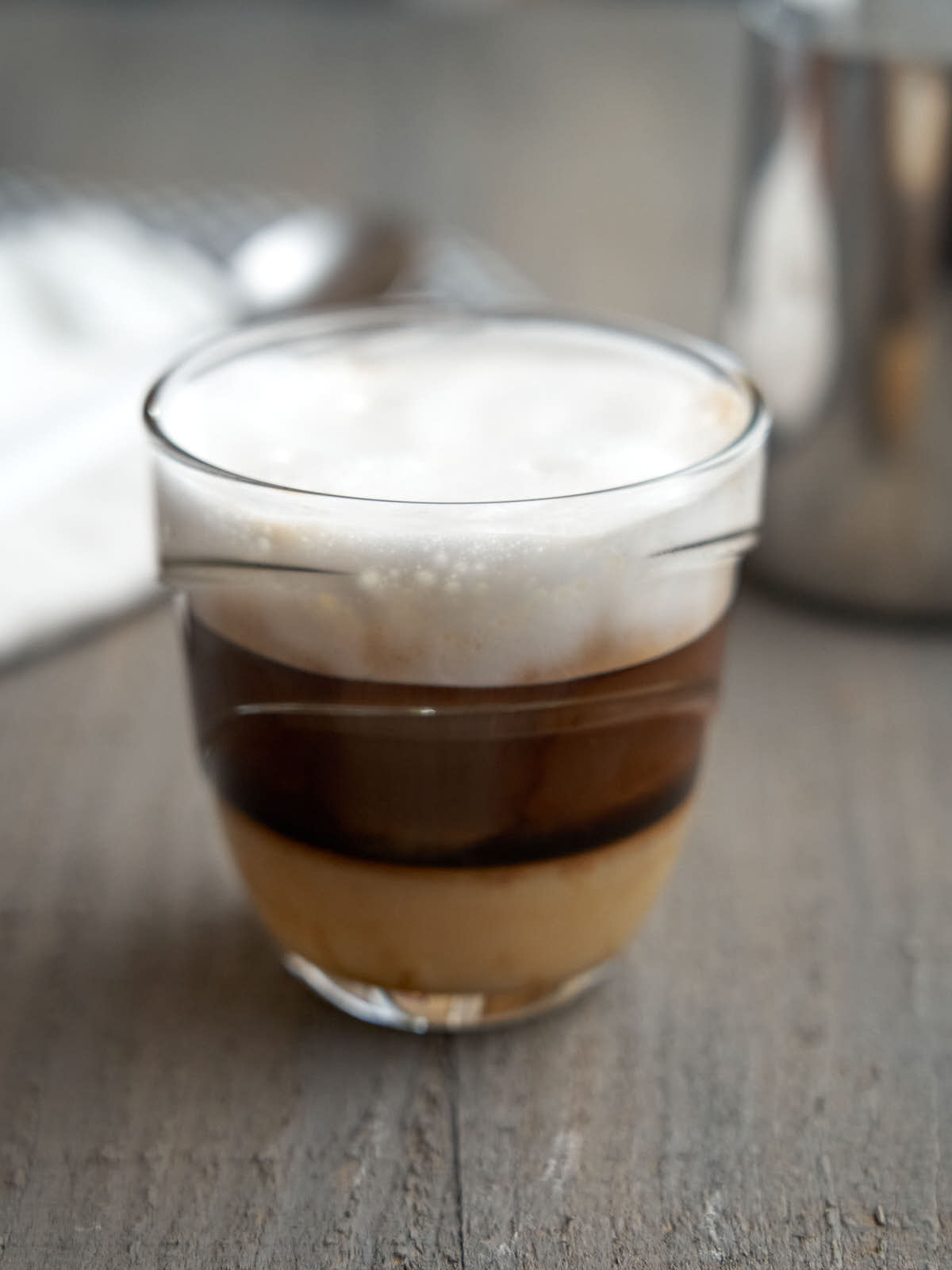
The allure of Cafe Bombon lies not only in its delightful flavor profile – a harmonious blend of bold coffee bitterness and luscious, creamy sweetness – but also in its aesthetic presentation. Traditionally served in a clear glass cup, the distinct layers are a testament to the careful preparation involved. The dense condensed milk forms the base, while the freshly brewed espresso, often poured gently to maintain separation, sits atop. This visual dichotomy is central to the drink’s appeal, creating an edible art piece before the first sip is even taken. The experience is further enhanced by the ritual of stirring, which gradually melds the two components into a rich, unified flavor.
Origins and Cultural Significance
The exact genesis of Cafe Bombon is difficult to pinpoint with definitive certainty, as is often the case with beloved culinary traditions. However, its strong association with Spain suggests a likely origin within its vibrant café scene. Spain has a rich history of coffee consumption, with espresso forming the backbone of many popular beverages. The addition of condensed milk, a common ingredient in many desserts and sweet treats across various cultures, likely evolved as a way to temper the intensity of strong espresso, making it more approachable and enjoyable for a wider audience. This sweetening method offers a richer, more decadent alternative to granulated sugar, contributing to the drink’s indulgent character.
The widespread availability of condensed milk in Spanish households and its use in traditional pastries like flanes (custards) and arroz con leche (rice pudding) likely contributed to its seamless integration into coffee beverages. Over time, Cafe Bombon became a staple in many Spanish cafés, representing a moment of sweet indulgence and a pause in the day. Its presence on menus signifies a connection to local culture and a nod to a time-honored preparation.
Crafting the Perfect Cafe Bombon
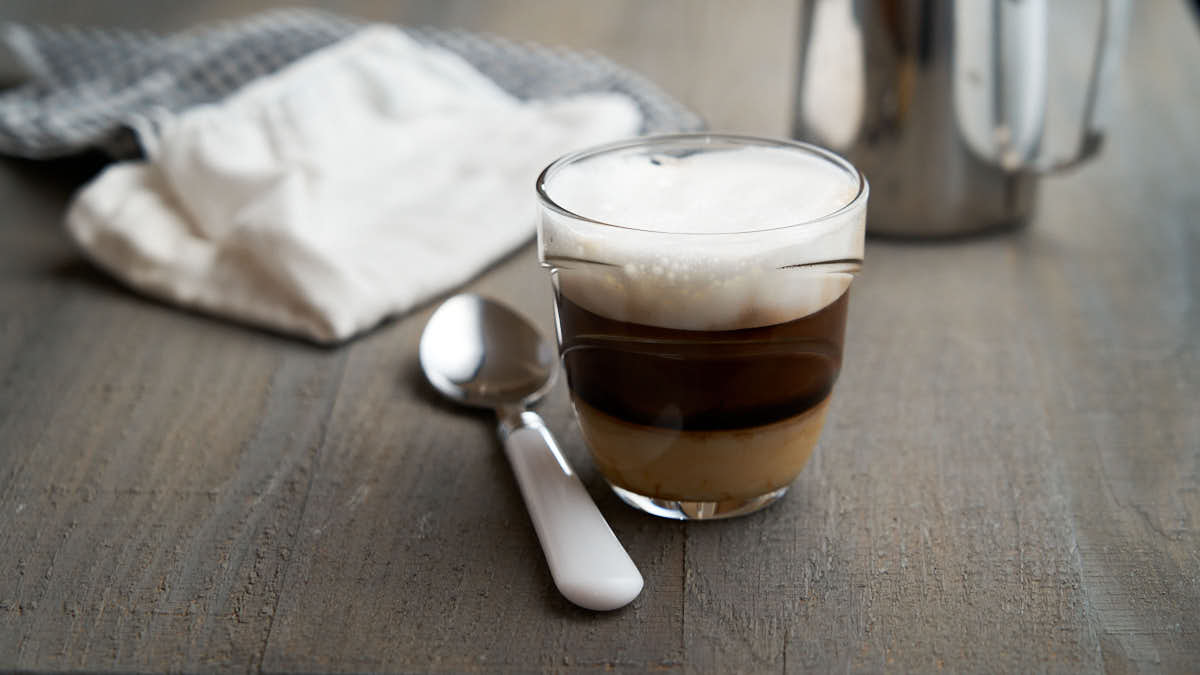
The preparation of a Cafe Bombon, while straightforward in its ingredients, requires a nuanced approach to achieve the signature layered effect. The fundamental components are a shot of strong espresso and sweetened condensed milk. The key to the visual appeal lies in the density difference between these two liquids.
The recommended method for achieving distinct layers involves starting with the condensed milk at the bottom of a clear glass. This is because sweetened condensed milk is significantly denser than espresso. Subsequently, the espresso is carefully poured over the condensed milk. The ideal technique is to pour the espresso slowly, often over the back of a spoon held just above the milk’s surface. This gentle pouring action helps to prevent the espresso from immediately mixing with the milk, preserving the sharp visual contrast.
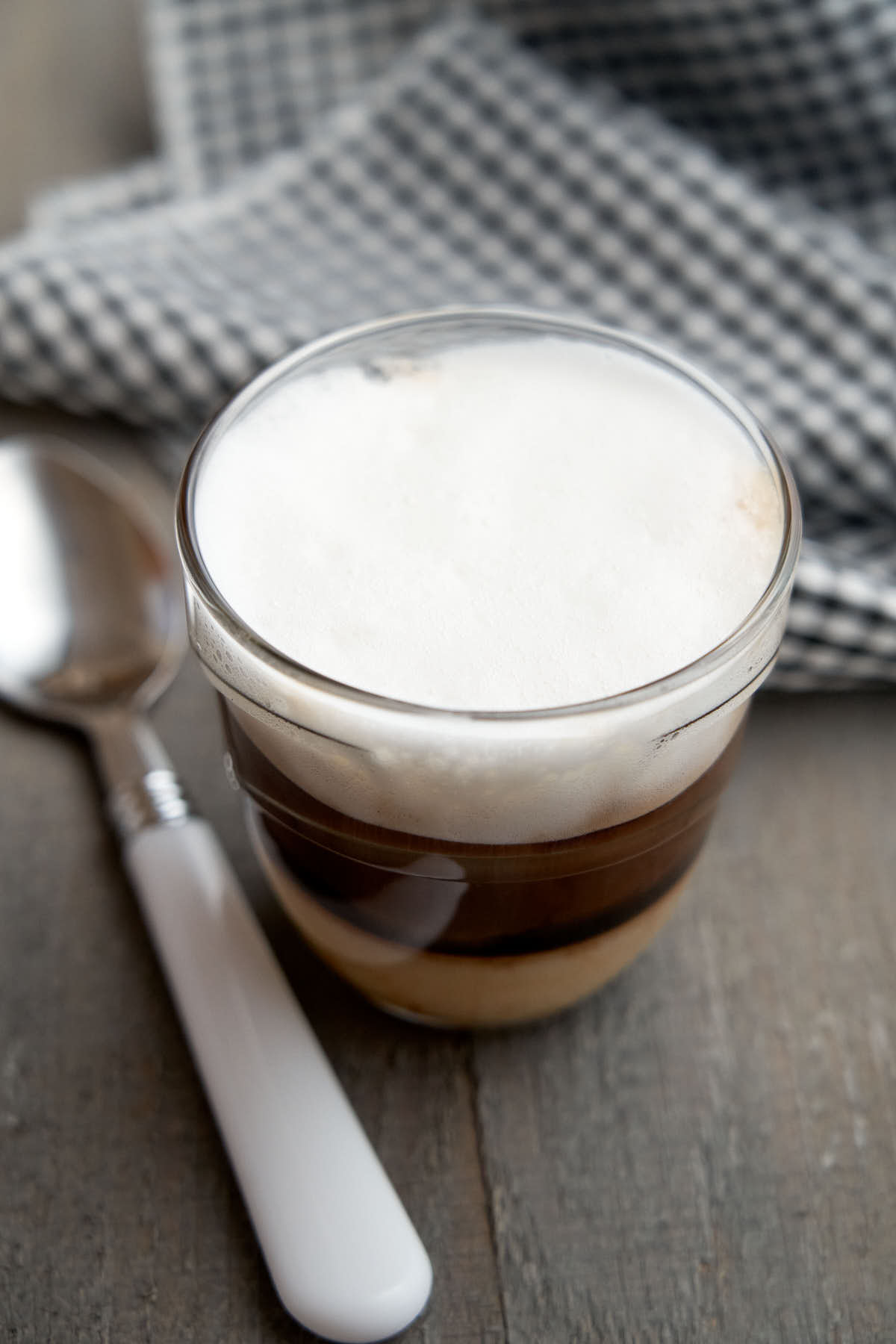
Some establishments offer the condensed milk on the side, allowing the customer to pour it in themselves, thereby granting them control over the sweetness and the visual layering. This interactive element adds another dimension to the drinking experience, fostering a connection between the consumer and the beverage.
An optional, yet increasingly popular, addition to the Cafe Bombon is a layer of milk froth. This third layer, carefully spooned onto the top, adds a touch of visual sophistication and a lighter texture to the overall drink. To achieve this frothy topping, milk is typically steamed with an emphasis on incorporating air, creating a light foam. This foam is then gently scooped and placed on top, ensuring it doesn’t disrupt the espresso layer beneath. It is crucial to use only the foam and not the liquid milk from the steaming process, as the latter would likely mix with the espresso and diminish the visual appeal.
Alternatives for Home Baristas
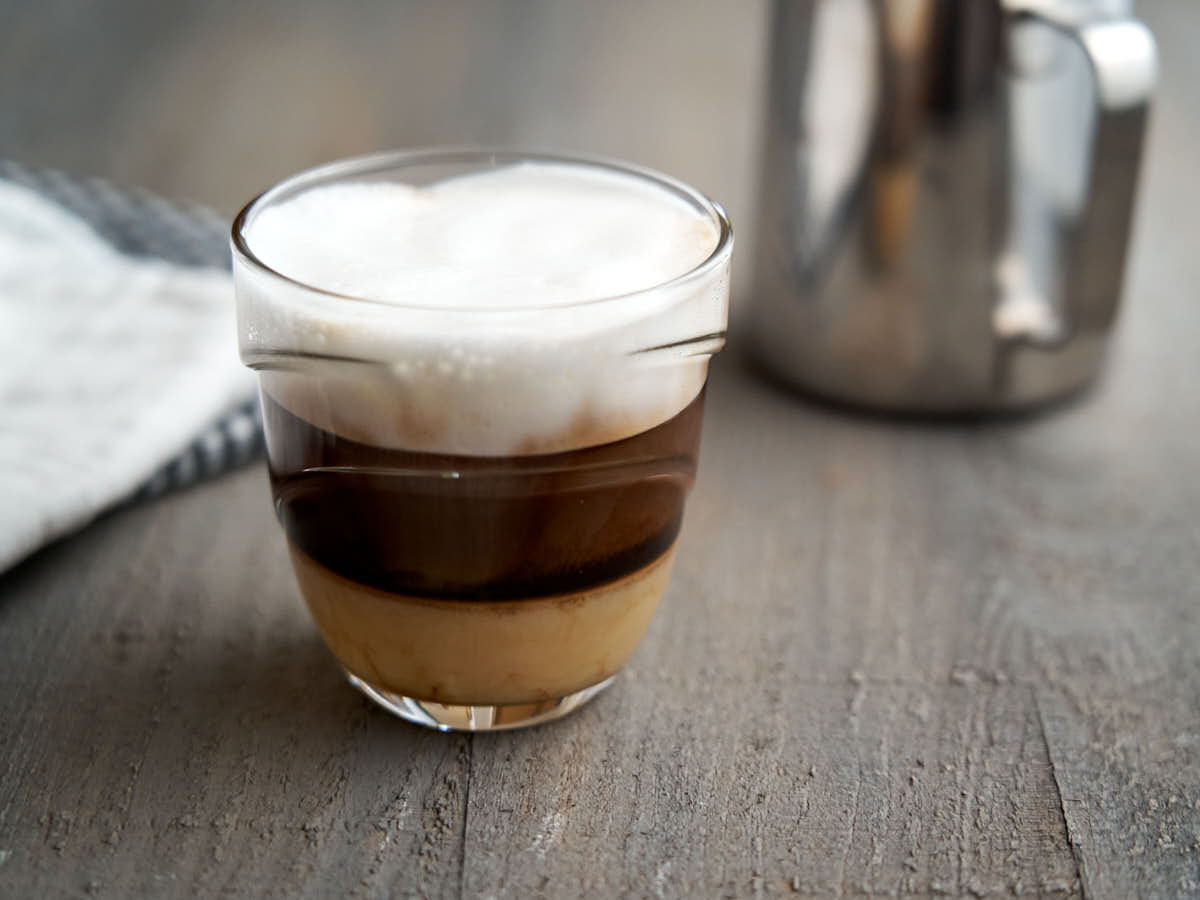
For those who do not possess an espresso machine, the dream of enjoying a Cafe Bombon at home is far from unattainable. Several viable alternatives can be employed to replicate the strong, concentrated coffee base. One highly effective substitute is cold brew coffee concentrate. This method involves steeping coffee grounds in cold water for an extended period, resulting in a smooth, low-acidity coffee extract. Making cold brew concentrate at home is a straightforward process, and pre-made concentrates are also widely available in supermarkets and specialty coffee shops. If using cold brew concentrate, it is advisable to warm it gently, either on the stovetop or in the microwave, to approximate the temperature of freshly brewed espresso, as Cafe Bombon is traditionally served hot.
Another option for those seeking a quick, strong coffee flavor without specialized equipment is using high-quality instant coffee dissolved in a small amount of hot water to create a concentrated brew. While not achieving the same depth of flavor as espresso or cold brew, it can serve as a functional substitute for the coffee component of the drink.
The inclusion of milk froth can also be achieved without a professional espresso machine. Handheld milk frothers, battery-operated wands that whip milk into a foam, are widely available and prove to be effective tools for home baristas. These devices allow for the creation of a light, airy froth that can be spooned onto the Cafe Bombon, completing the layered presentation.
Broader Implications and Consumer Trends
The growing appreciation for meticulously crafted coffee beverages like Cafe Bombon reflects a broader trend in the culinary world: a demand for artisanal, visually appealing, and customizable food and drink experiences. Consumers are increasingly seeking out beverages that offer more than just flavor; they desire an experience that engages multiple senses and provides an opportunity for personal expression, whether through home preparation or ordering from a café.
The ease with which Cafe Bombon can be adapted for home brewing also aligns with the DIY culture that has gained traction, particularly in recent years. The availability of affordable coffee-making equipment and readily accessible ingredients empowers individuals to recreate café-quality drinks in their own kitchens, fostering a sense of culinary exploration and satisfaction.

Furthermore, the international spread of Cafe Bombon hints at the interconnectedness of global food cultures. As travel and digital communication become more prevalent, culinary traditions are shared and adapted across borders, leading to a richer and more diverse gastronomic landscape. The journey of Cafe Bombon from its Spanish origins to international coffee menus is a testament to the universal appeal of well-executed, delicious beverages.
As specialty coffee continues to evolve, drinks like Cafe Bombon, with their blend of tradition, simplicity, and visual flair, are likely to remain popular choices for those seeking a sweet, sophisticated coffee experience. Its adaptability ensures its place on diverse menus and in home kitchens alike, a testament to its enduring charm.
