
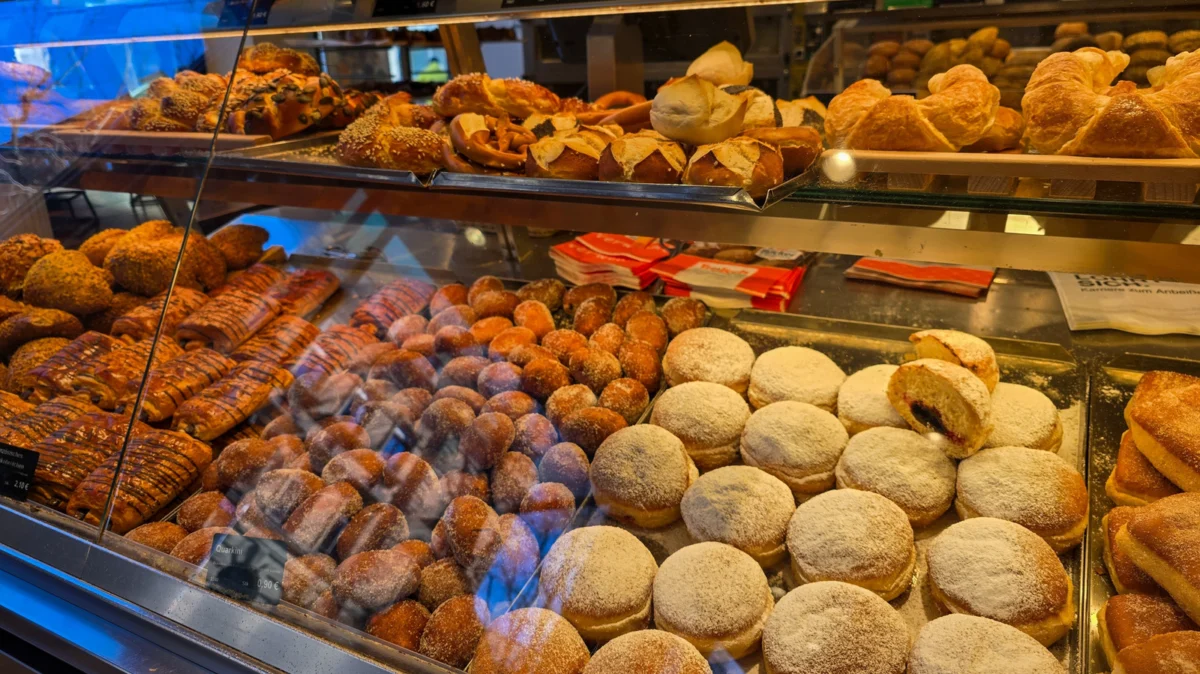
While the image of a donut in America often conjures up a ring-shaped, glazed confection, the culinary landscape across the Atlantic, particularly in Germany, offers a different, yet equally beloved, interpretation: the Berliner. This round, jam-filled pastry, known by various regional names such as Pfannkuchen, Krapfen, and Kreppel, stands as a significant cultural and gustatory icon in Germany, and has found a surprisingly enduring place in the American food tradition, even reportedly being a favorite of President Franklin D. Roosevelt. The enduring appeal of this yeasted, fried delight begs a closer examination of its essence, its historical roots, and its cross-cultural journey.
At its core, the Berliner is a sumptuously sweet creation. It begins with a lightly sweetened yeast dough, meticulously prepared to achieve a tender, airy crumb. This dough is then expertly shaped into a perfect sphere, eschewing the traditional American donut hole. The true magic of the Berliner lies within its generous filling. Traditionally, this is a vibrant fruit jam or a zesty citrus marmalade, offering a delightful contrast to the soft dough. Modern interpretations, however, have expanded the repertoire to include luscious creams and rich chocolate ganaches, catering to a broader spectrum of palates. The final touch is often a dusting of powdered sugar, a sprinkle of granulated sugar, or an elegant drizzle of icing, further enhancing its sweet allure.
In the United States, particularly in the Midwest, the Berliner often finds itself in conversation with the "Bismarck" or the ubiquitous jelly donut. While the shared characteristic of a fruit preserve filling leads many to consider them interchangeable, German pastry purists might note subtle distinctions. These differences, while perhaps minor to the casual consumer, highlight the unique place the Berliner holds within German society and culinary heritage, a status that transcends that of a mere everyday bakery item.
A Deep Dive into the Berliner’s Historical Tapestry
The history of the Berliner donut is not a recent phenomenon; its lineage stretches back centuries, deeply woven into the fabric of German culinary traditions. Evidence suggests that a precursor to the modern Berliner, known as "Gefüllte Krapfen" (filled Krapfen), appeared as early as the 15th century, with a recipe documented in the German cookbook "Küchenmeisterei." This early iteration laid the groundwork for what would evolve into a beloved national pastry.
Later historical accounts, though perhaps more steeped in folklore than strict documentation, link the name "Berliner" to a baker from Berlin in the 18th century. Legend has it that this baker, serving as a field baker for a Prussian military regiment, shaped dough into cannonball-like forms and fried them outdoors in hot oil. While some early versions of these fried pastries might have contained savory fillings like meats and cheeses, the sweet jelly-filled rendition gradually gained prominence as the pastry’s popularity surged. This evolution from potentially savory beginnings to a distinctly sweet treat mirrors a broader trend in pastry development, where ingredients and flavor profiles adapt to changing tastes and cultural preferences.
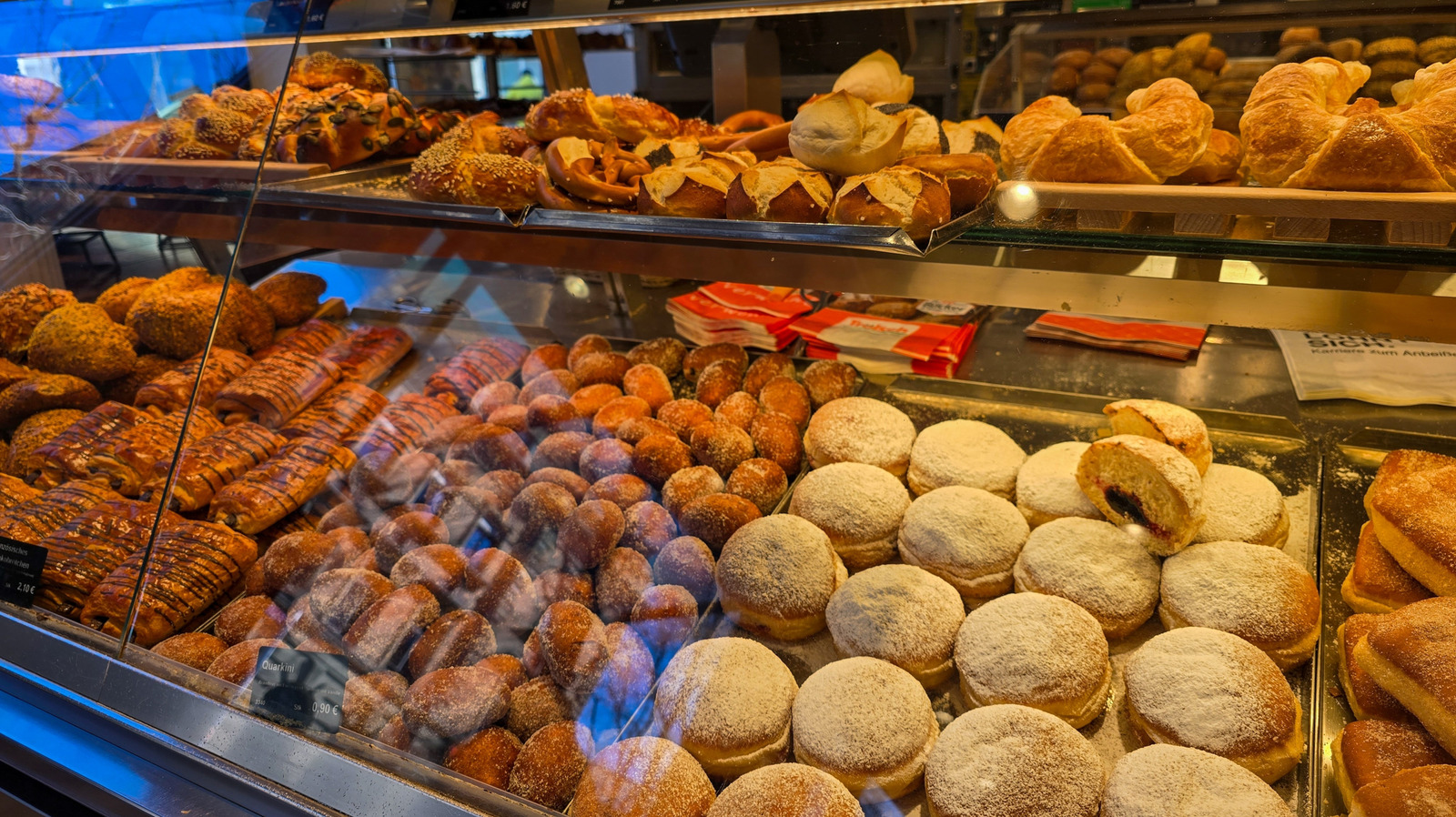
The enduring legacy of the Berliner is evident in its continued elevated status in contemporary Germany. It is far from being just another item in a vast array of bakery offerings. Instead, the Berliner is intrinsically linked to public celebrations and communal gatherings, most notably during the vibrant Carnival season. This association elevates the Berliner from a simple breakfast pastry to a symbol of festivity and shared joy. The specific type of jam used as filling also varies regionally across Germany, showcasing a delightful diversity. While plum and apricot are common, some regions favor a tart red jam, while others opt for a unique flavor derived from rose hips, each offering a distinct taste of local heritage.
The Berliner’s Transatlantic Connection: From Germany to America
The journey of the Berliner across the Atlantic and its integration into American food culture is a fascinating narrative of migration and adaptation. While many associate donuts with American innovation, the Berliner’s presence, particularly in certain regions of the U.S., speaks to a significant cultural exchange.
In America, the Berliner often finds its closest kin in the "Bismarck" donut, a term commonly used, especially in the Midwest, to describe a round, filled donut without a hole. This nomenclature itself hints at a historical connection, potentially referencing German immigrants or culinary influences. The similarity in construction and filling has led to a widespread conflation of the two, with many Americans considering them virtually identical. However, the nuance in preparation and the specific cultural significance of the Berliner in Germany distinguish it as more than just a jelly-filled donut.
Furthermore, the Berliner shares a striking resemblance with the Polish pastry known as "pączki." These deep-fried, yeast-based donuts, typically filled with fruit preserves and often dusted with powdered sugar, are treated with a similar reverence in America as the Berliner is in Germany, particularly during festive periods. Pączki hold a prominent place in celebrations leading up to Lent, especially during Mardi Gras and Fat Tuesday. Cities with significant Polish populations, such as Chicago, Detroit, and Buffalo, New York, witness a surge in pączki consumption during this time, with bakeries offering a wide array of flavors and traditional preparations. This parallel celebration of a similar pastry underscores the universal appeal of a well-crafted, fruit-filled fried dough.
Supporting Data and Cultural Significance
The widespread popularity of the Berliner in Germany can be quantified by its consistent presence in bakeries across the country and its integral role in cultural events. While specific market data on Berliner sales is not readily available in public domain reports, its status as a national staple is undeniable. During Carnival, for instance, bakeries experience a significant uptick in demand for these pastries, often producing them in massive quantities to meet the festive fervor. Reports from German news outlets and cultural blogs consistently highlight the Berliner as a quintessential Carnival treat, often appearing alongside other traditional German sweets and savories.
The mention of President Franklin D. Roosevelt’s fondness for the Berliner adds a layer of historical gravitas to its American presence. This anecdote, widely circulated in culinary history circles, suggests that the pastry’s appeal extended to the highest echelons of American society in the early to mid-20th century. While specific details of his preference – whether it was a particular bakery or a specific type of filling – remain somewhat anecdotal, it points to the Berliner’s established presence in the American food landscape beyond just immigrant communities.
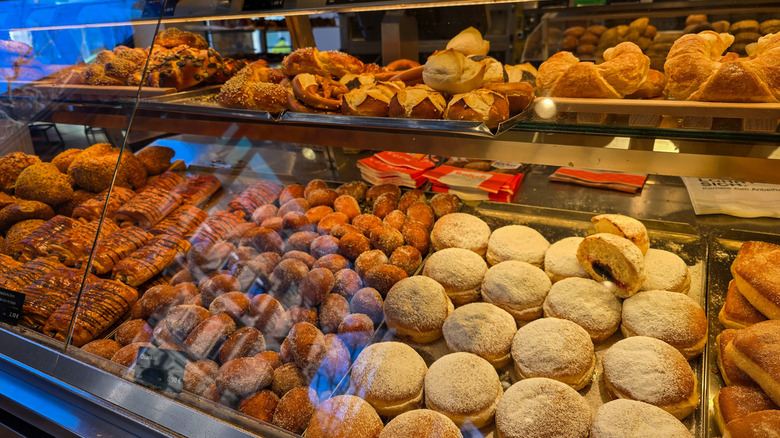
The comparison to the American "jelly donut" also offers a point of analysis. The average American jelly donut, while popular, often serves as a more casual, everyday indulgence. The Berliner, on the other hand, retains a sense of occasion, particularly in its German context. This distinction is crucial in understanding its cultural weight. While both are delicious, the Berliner is often perceived as a more artisanal or traditional offering, especially when sourced from authentic German bakeries.
Broader Impact and Implications
The story of the Berliner is a microcosm of how food travels, adapts, and maintains its essence across cultures. It highlights the enduring appeal of simple, well-executed pastries that offer comfort and delight. The fact that a pastry deeply rooted in German tradition has found a place in the American culinary lexicon, albeit sometimes under different names and with slight variations, speaks to the power of shared gastronomic experiences.
For German bakeries operating in the U.S., the Berliner represents a direct link to their heritage, allowing them to share a piece of their culture with a broader audience. For consumers, encountering an authentic Berliner offers an opportunity to explore a different facet of donut culture, one that emphasizes a tender crumb, a generous fruit filling, and a rich historical background.
The enduring popularity of the Berliner also suggests a growing appreciation for artisanal baking and traditional recipes in an era often dominated by mass-produced goods. As consumers become more discerning and seek out authentic culinary experiences, pastries like the Berliner, with their clear origins and storied past, are likely to continue to captivate palates.
For those eager to explore this beloved pastry further, seeking out reputable German bakeries is the first step. These establishments often pride themselves on authentic recipes and techniques, offering a true taste of Germany. Alternatively, for the adventurous home baker, the opportunity to recreate this classic treat exists. With numerous online resources and recipes available, including straightforward hacks for homemade jelly donuts, the Berliner is an accessible indulgence, allowing individuals to bring a piece of German tradition into their own kitchens. The journey from a 15th-century German cookbook to a President’s breakfast table and a staple in modern bakeries is a testament to the timeless appeal of the Berliner, a donut that transcends borders and continues to bring sweetness to the world.
