
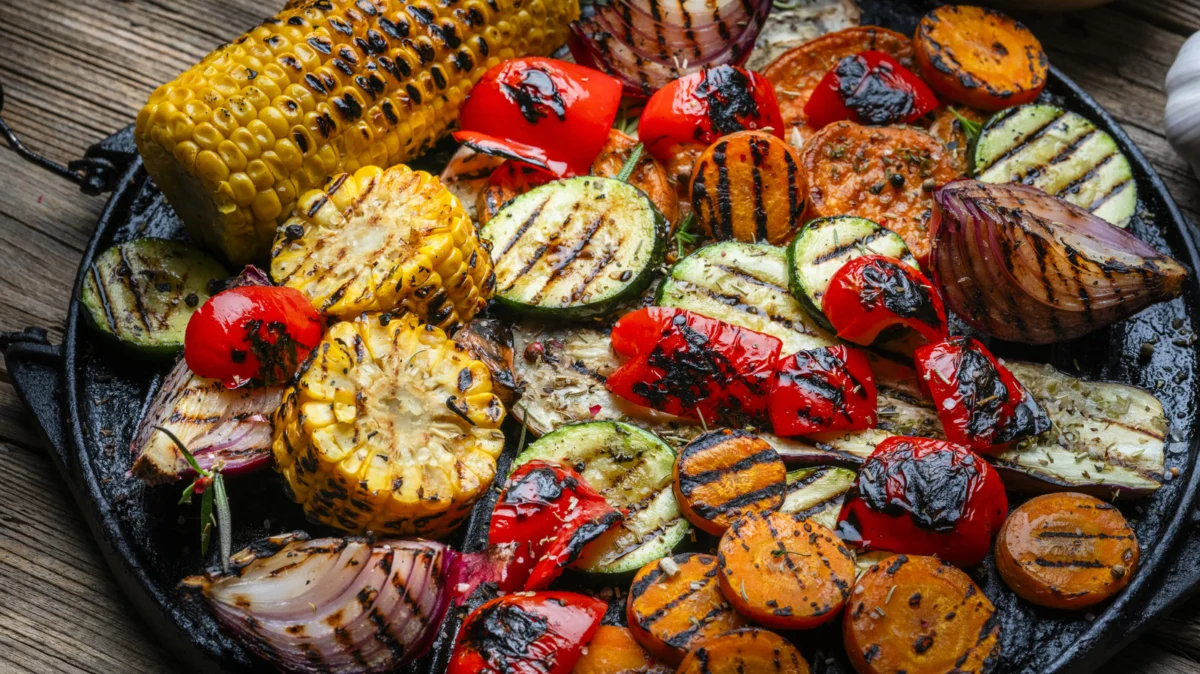
Grilling vegetables offers a culinary transformation, infusing them with a desirable smokiness, a delightful char, and a tender texture that is difficult to replicate through other cooking methods. This versatility means that a vast array of grilled vegetable recipes can be enjoyed across different seasons. While meats are often robust enough to withstand the direct intensity of a grill’s heat, many vegetables are considerably more delicate, raising the question of whether they are best suited for direct searing or a more measured, indirect approach. The optimal outcome for grilled vegetables, much like for grilled meats, lies in the strategic application of both direct and indirect heat.
The Nuances of Direct and Indirect Heat for Vegetables
Direct heat, which involves placing vegetables directly over the open flame or hot coals, is instrumental in achieving those coveted charred exterior grill marks. These marks not only contribute to the smoky flavor profile but also impart a subtle crispness to the surface of the vegetables. However, it is crucial to avoid subjecting vegetables to high heat for their entire cooking duration. Overexposure to direct heat can lead to the exterior burning to a crisp before the interior has had a chance to cook through, resulting in an unevenly cooked and potentially unappetizing dish.
Therefore, a balanced approach is recommended. After searing both sides of the vegetables for a few minutes over direct heat to develop char and flavor, they should be transferred to the indirect heat zone of the grill. This is achieved by moving the vegetables to the side of the grill where the heat source is not directly applied. Indirect heat then works to gently soften the interior of the vegetable, completing the cooking process without further risk of burning the exterior that has already been seared.
The duration each vegetable spends under direct and indirect heat is contingent upon several factors, including the specific type of vegetable and the thickness of its cut. The thickness of a vegetable piece is a more significant consideration than one might initially assume, making the selection of thick and uniformly cut pieces a critical tip for successful grilling. This uniformity ensures that vegetables cook evenly, preventing some pieces from becoming overcooked while others remain underdone.
Advanced Techniques for Enhanced Grilled Vegetable Flavor and Texture
Beyond the fundamental application of direct and indirect heat, a host of other techniques can be employed to further enhance the flavor and texture of vegetables, both prior to and during the grilling process. For vegetables with a high water content, such as zucchinis and eggplants, techniques like salting or dry brining can be highly effective. These methods help to tenderize the vegetables and draw out excess moisture, which can prevent them from becoming mushy on the grill and allow for better char development.
Cruciferous vegetables, including broccoli and cauliflower, can also benefit from wet brining. This process involves immersing them in a seasoned liquid, which helps to infuse them with flavor and tenderize them. For root vegetables like carrots, potatoes, and beets, a parboil—a brief boil before grilling—is highly recommended. This pre-cooking step significantly reduces the amount of time they need to spend on the grill, particularly over indirect heat, ensuring they become tender without becoming overcooked.
Even more delicate vegetables, such as green beans, can be prepared to optimize their grilling experience. Blanching them, which involves a quick dip in boiling water followed by an ice bath, allows them to be rapidly charred over direct heat. This method enables them to be cooked through quickly, potentially even allowing for the elimination of the indirect heat stage altogether for certain preparations.
Regardless of the specific preparation method chosen, a fundamental step for successful grilling is to ensure the grill grates are properly prepared. Brushing the grates with a high smoke point oil, such as avocado oil or canola oil, before adding vegetables is essential. This prevents sticking and facilitates the development of a good sear. Furthermore, coating the vegetables themselves with a light layer of oil serves a dual purpose: it aids in charring by creating a surface that readily browns, and it acts as an adhesive for spices and seasonings, allowing them to adhere to the vegetables and impart their flavors.
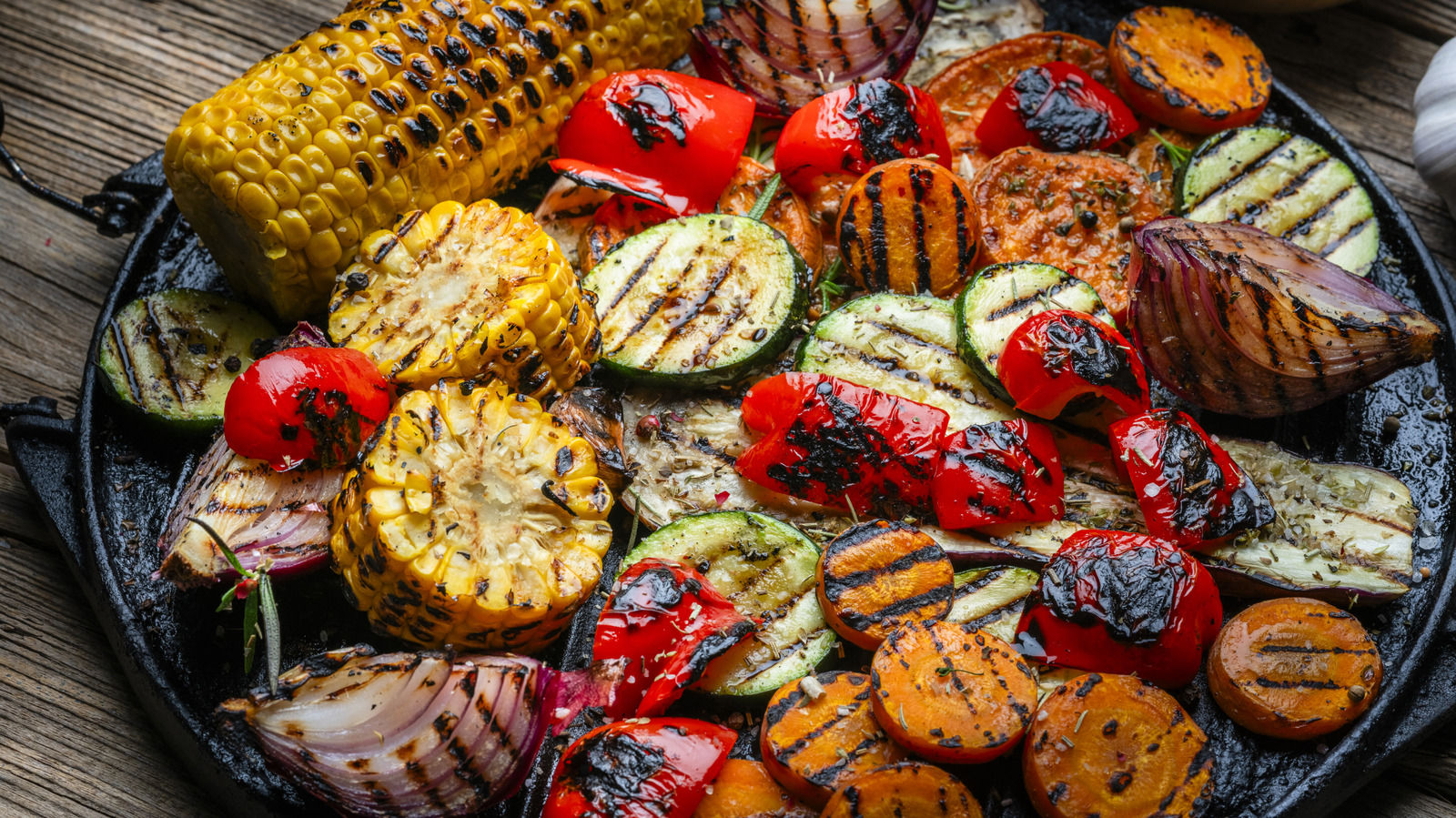
The Role of Residual Heat in Vegetable Cooking
An often-overlooked aspect of cooking, including grilling, is the effect of residual heat. Once vegetables are removed from the grill, the heat retained within them continues the cooking process. This phenomenon can be strategically utilized to achieve the perfect tenderness. If vegetables are removed from the grill while they are still slightly firm to the bite, or "al dente," the residual heat will gently finish the cooking process.
To harness this residual heat, simply transfer the grilled vegetables to a metal or glass bowl. Covering the bowl tightly with foil or a lid will trap the heat. Within a few minutes, the vegetables will reach their ideal tender state without the risk of overcooking on the grill. This method is particularly useful for vegetables that cook quickly or for achieving a very precise level of tenderness.
Understanding Grilling Temperatures and Fuel Types
The effectiveness of both direct and indirect grilling is intrinsically linked to the type of grill and fuel being used. Charcoal grills, for example, offer a distinct smoky flavor profile and can provide very high direct heat. Managing the coals, however, requires attention to detail. For direct heat, coals are typically spread evenly across the fire grate. For indirect heat, the coals are pushed to one side of the grill, creating a cooler zone on the opposite side.
Gas grills offer more precise temperature control and are generally easier to manage. For direct heat, all burners under the cooking grate are turned to high. For indirect heat, the burners directly beneath the cooking area are turned off or set to low, while adjacent burners are kept on to provide ambient heat.
The temperature of the grill is also a critical factor. For searing vegetables over direct heat, a medium-high to high heat (around 400-500°F or 200-260°C) is generally ideal. For indirect cooking, a more moderate temperature (around 300-350°F or 150-175°C) is appropriate to allow the vegetables to cook through gently.
Selecting the Right Vegetables for Grilling
While many vegetables lend themselves well to grilling, some are inherently better suited than others. Heartier vegetables with a firm texture and a good amount of moisture tend to perform best. These include:
- Bell Peppers: They soften beautifully, developing a sweet char.
- Zucchinis and Yellow Squash: Their high water content means they cook relatively quickly and benefit from direct heat for charring.
- Eggplant: Similar to zucchini, it becomes creamy and tender on the grill.
- Asparagus: Thicker spears are ideal, and they cook quickly over direct heat.
- Corn on the Cob: Grilling brings out its natural sweetness and adds a smoky flavor.
- Onions: Sweet onions caramelize wonderfully, becoming tender and flavorful.
- Mushrooms: Portobello mushrooms, in particular, offer a meaty texture.
- Broccoli and Cauliflower Florets: While they can char quickly, a brief stint on indirect heat ensures they cook through.
- Root Vegetables (Carrots, Potatoes, Beets): As mentioned, parboiling is key for these, followed by a finishing touch on the grill.
More delicate vegetables, such as leafy greens, are generally not suited for direct grilling, though some, like romaine lettuce, can be lightly grilled for a smoky crunch.
The Evolution of Grilling Techniques
The practice of grilling vegetables is not a modern invention, but rather an ancient technique that has evolved alongside culinary practices. Early humans likely discovered the benefits of cooking food over open flames, and vegetables would have been a natural part of their diet. Over centuries, as cooking tools and methods advanced, so too did the techniques for grilling.
The development of the grill itself, from simple fire pits to sophisticated charcoal and gas grills, has allowed for greater control over heat and cooking times. The distinction between direct and indirect heat, while perhaps not always explicitly named, has been implicitly understood by experienced cooks for generations. The increasing popularity of outdoor cooking and the growing appreciation for fresh, seasonal ingredients have further propelled the art of grilling vegetables into the culinary spotlight.
Data and Trends in Vegetable Consumption and Grilling
Recent trends in food consumption indicate a growing interest in plant-based diets and a greater emphasis on healthy eating. According to data from the USDA, vegetable consumption has been steadily rising, with consumers increasingly seeking out diverse and flavorful ways to prepare them. Grilling, with its ability to enhance flavor and texture without the need for excessive added fats, aligns perfectly with these dietary shifts.
Market research also suggests a significant growth in the outdoor cooking sector, with more households investing in grills and related accessories. This increased adoption of grilling as a cooking method naturally leads to a greater exploration of its applications beyond traditional meats, with vegetables emerging as a key focus. The online discourse surrounding grilling recipes and techniques also reflects this trend, with a surge in searches and engagement related to grilled vegetables.
Expert Opinions and Culinary Insights
Culinary experts consistently highlight the importance of understanding heat management when grilling vegetables. Chef and author, Anya Sharma, notes, "The magic of grilled vegetables lies in the interplay of char and tenderness. Direct heat is your tool for achieving that beautiful caramelization and smoky essence, but it’s indirect heat that ensures the vegetable is cooked through to perfection. It’s a dance, and mastering that dance is what elevates grilled vegetables from a side dish to a star."
Food scientists also point to the Maillard reaction, the chemical process responsible for browning and flavor development, which is significantly enhanced by direct heat. However, they also emphasize the importance of moisture content and cellular breakdown, which are facilitated by gentler, indirect heat, for achieving a desirable texture.
Broader Impact and Implications
The mastery of grilling vegetables has implications that extend beyond the backyard barbecue. As culinary establishments increasingly focus on vegetable-forward menus and sustainable sourcing, techniques like grilling become invaluable. Restaurants can offer creative and flavorful vegetable dishes that appeal to a wide range of diners, including vegetarians and vegans.
Furthermore, the ability to grill vegetables effectively contributes to reducing food waste. By utilizing a wider range of vegetables and preparing them in appealing ways, consumers are more likely to consume the produce they purchase. This aligns with broader sustainability goals and promotes a more mindful approach to food consumption. The continued exploration and refinement of grilling techniques for vegetables will undoubtedly lead to even more innovative and delicious culinary creations in the years to come.
