
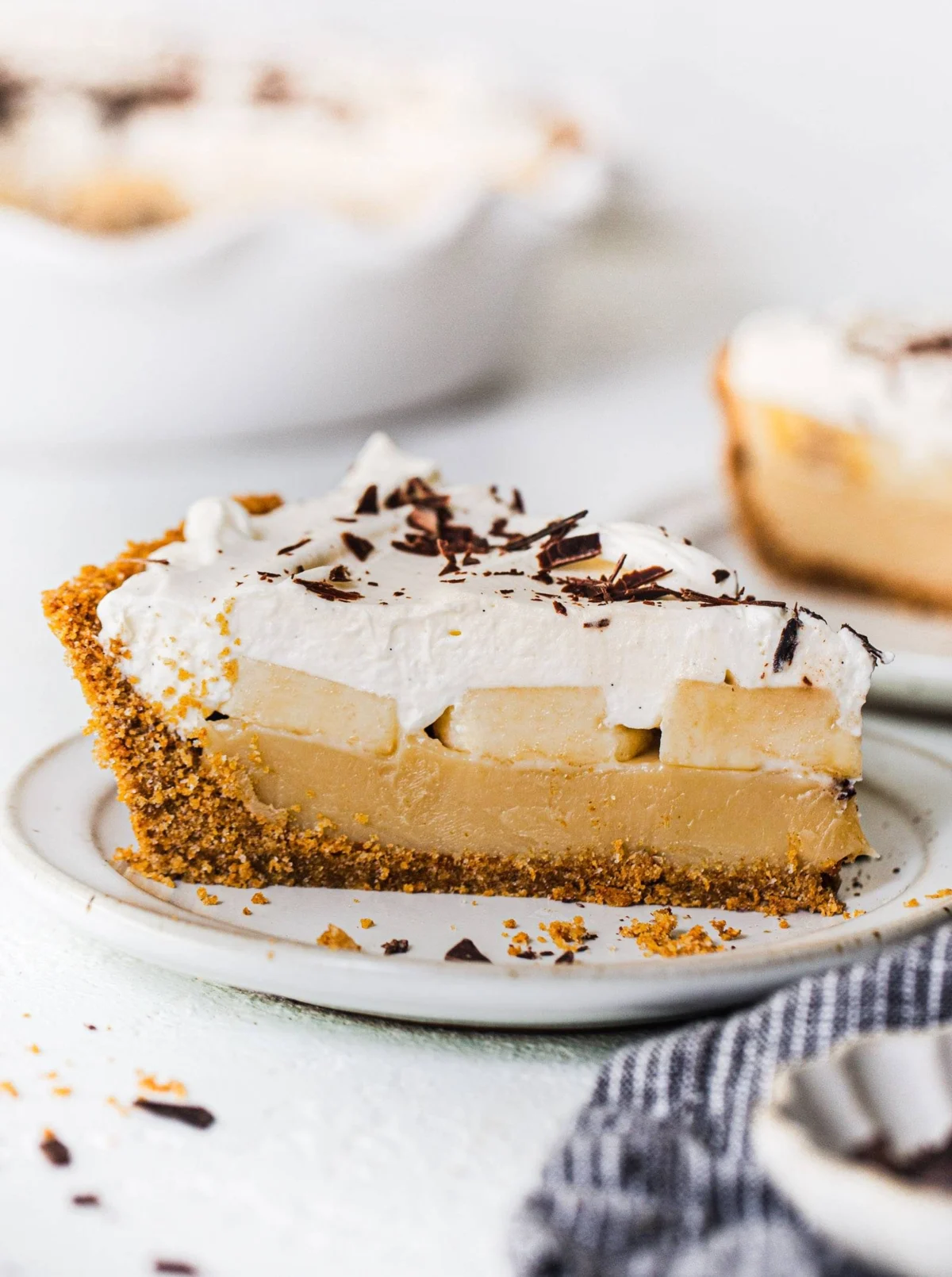
The journey of a dessert from a fleeting online trend to a beloved family staple is a testament to its inherent deliciousness and the power of shared culinary experiences. Banoffee Pie, a British classic that has transcended borders and captured the palates of dessert enthusiasts worldwide, stands as a prime example. What began as a simple recipe shared on a popular food blog has evolved into a centerpiece for communal gatherings, sparking joy and fostering connections through the universal language of sweet indulgence. This article delves into the phenomenon of Banoffee Pie, exploring its origins, its rise to prominence, and the enduring appeal that makes it a cherished dessert for families and friends.
From Online Discovery to Family Tradition
The modern iteration of Banoffee Pie’s popularity can be traced back to its enthusiastic embrace by online food communities. A pivotal moment in its recent resurgence occurred when a home baker, Lindsay Ostrom of the blog Pinch of Yum, shared her personal experience with the dessert. In a candid account, Ostrom described how the Banoffee Pie "immediately became one of my new favorite desserts," an assertion that resonated with her vast audience. She detailed the pie’s irresistible combination of a "salty-sweet graham cracker crust, silky caramel toffee filling, sliced bananas, and whipped cream on top," a quartet of flavors and textures that proved to be a winning formula.
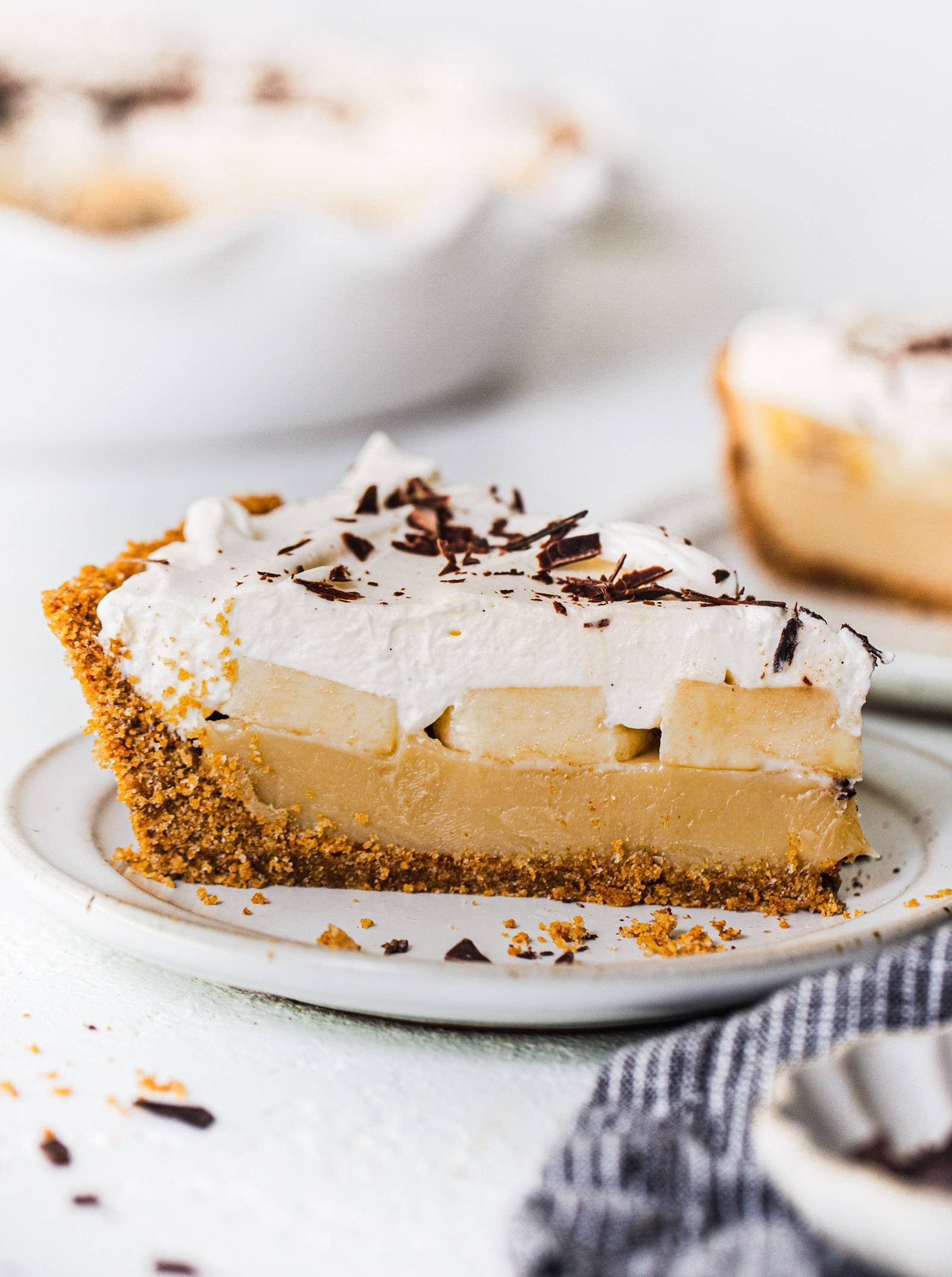
Ostrom’s personal narrative extended beyond a mere recipe. She introduced the concept of "Family Dessert Night," a weekly tradition initiated to inject joy and community into her household. This initiative, often involving friends and neighbors, transformed ordinary Thursdays into anticipated culinary events. The Banoffee Pie, as Ostrom noted, emerged as the "CLEAR WINNER" of these gatherings, solidifying its status as a crowd-pleaser. Her description of the pie as "creamy, rich, dense, salty-sweet, and absolutely bonkers delicious" further fueled its allure, encouraging readers to replicate the experience in their own homes.
The origin of Banoffee Pie itself can be attributed to Ian Dowding and Nigel Mackenzie, who are credited with creating the dessert in 1971 at their restaurant, The Hungry Monk, in Jevington, East Sussex, England. Initially, the pie featured a biscuit base and a caramel filling made from boiled condensed milk. Over time, the recipe evolved, with the addition of bananas becoming a standard component, and the biscuit base often transitioning to the more widely accessible graham cracker crust in many international adaptations. This evolution highlights the adaptable nature of the dessert, allowing it to be easily integrated into various culinary traditions.
The Anatomy of a Beloved Dessert
The success of Banoffee Pie lies in its deceptively simple yet profoundly satisfying construction. At its core, the dessert is a harmonious marriage of contrasting yet complementary elements:

-
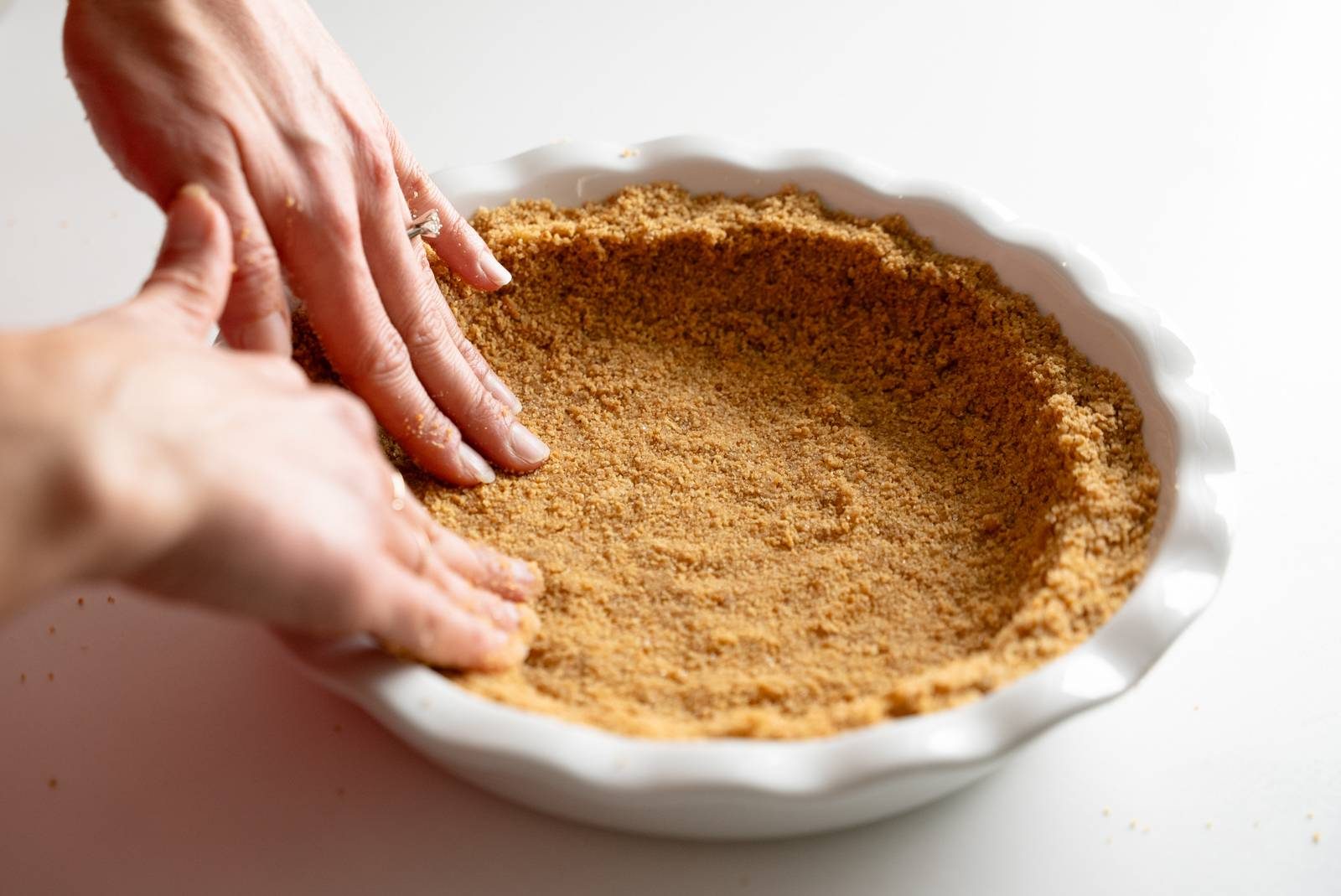
The Crust: A foundation of crushed graham crackers, butter, and often a touch of sugar, baked to a golden crisp. This provides a sturdy yet crumbly base with a delightful salty-sweet profile that perfectly balances the richness of the filling. The preparation of this crust, as described by Ostrom, involves a tactile pleasure of pressing "warm buttery crumbs into the pan," an experience that itself is a precursor to the ultimate enjoyment.
-
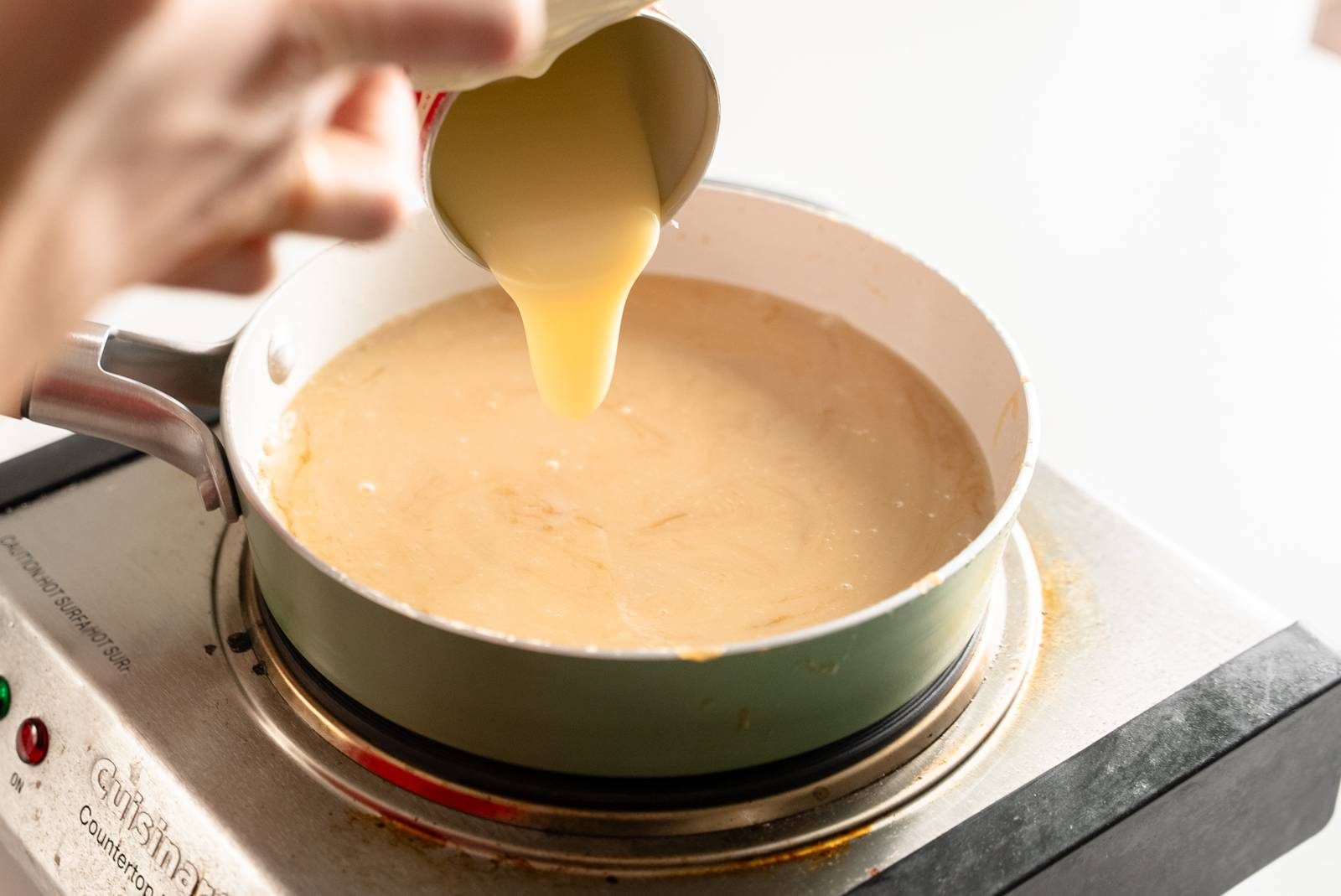
The Toffee Filling: This is the heart of the Banoffee Pie, typically made by slowly cooking condensed milk until it transforms into a thick, luscious caramel. The process requires patience, as Ostrom emphasizes the importance of "timers and going low and slow, stirring it the whole time." This slow cooking process ensures a smooth, rich, and deeply flavored toffee that coats the palate.
-
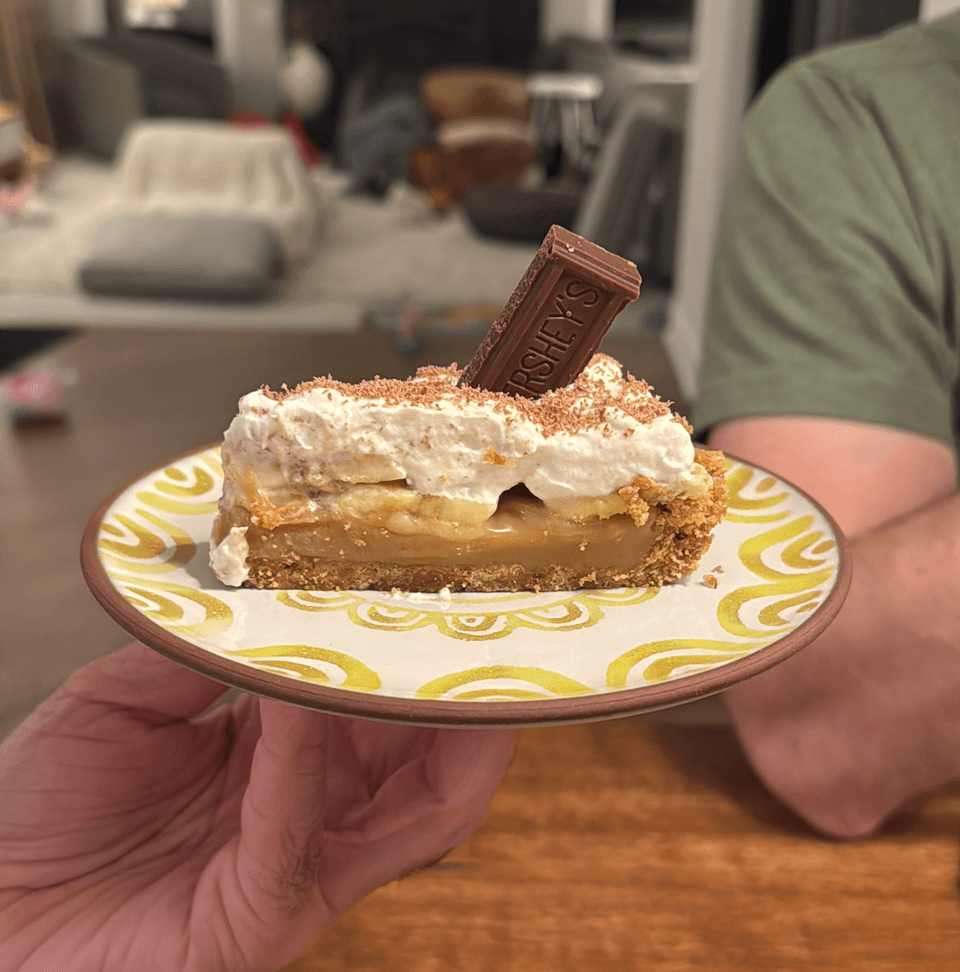
The Bananas: Freshly sliced bananas are layered generously over the cooled toffee. Their natural sweetness and soft texture provide a refreshing counterpoint to the dense caramel, while their subtle fruity notes add another dimension to the overall flavor profile.
-
The Whipped Cream: A cloud of light and airy whipped cream crowns the pie, offering a creamy, cooling finish that softens the intensity of the other components. This final flourish adds an element of elegance and visual appeal, making the pie as beautiful as it is delicious.
The resulting creation is a dessert that, while rich, is remarkably balanced. The interplay of textures—from the crisp crust to the smooth toffee, the soft bananas, and the ethereal whipped cream—creates a sensory experience that is both comforting and exciting.
The "Family Dessert Night" Phenomenon: Cultivating Community Through Confection
The concept of "Family Dessert Night" as championed by Ostrom is more than just an excuse to bake; it represents a deliberate effort to cultivate community and connection. In an era where digital interactions often dominate, the act of gathering around a shared table for a homemade dessert offers a tangible and deeply human experience. This tradition serves several key purposes:

-
Strengthening Family Bonds: Dedicating a specific time each week to enjoying a dessert together provides a focal point for family interaction, allowing for relaxed conversation and shared enjoyment.
-
Building Social Connections: By inviting friends and neighbors, the tradition extends beyond the immediate family unit, fostering a sense of belonging and encouraging the development of stronger social networks.
-
Celebrating Simple Joys: In a world often preoccupied with grand events, the "Family Dessert Night" highlights the beauty of appreciating simple pleasures. The act of baking and sharing a dessert becomes a ritual of gratitude and mindful enjoyment.
-
Promoting Culinary Engagement: The tradition encourages participation in the kitchen, whether it’s helping to bake, decorate, or simply set the table. This can inspire a greater appreciation for food and the effort that goes into its creation.
The success of Banoffee Pie within this framework underscores its ability to be a catalyst for such gatherings. Its universally appealing flavor profile and relatively straightforward preparation make it an accessible choice for bakers of all skill levels, further democratizing its enjoyment and its role in fostering community.
Data and Analysis: The Enduring Appeal of Comfort Food
The enduring popularity of desserts like Banoffee Pie can be understood through the lens of comfort food psychology. Comfort foods, often rich in carbohydrates and fats, are associated with positive memories and emotional well-being. They can evoke feelings of nostalgia, security, and happiness. The specific combination of flavors and textures in Banoffee Pie—sweet, salty, creamy, and crunchy—taps into these deeply ingrained preferences.
While precise global consumption data for Banoffee Pie is difficult to ascertain, its presence in recipe databases, food blogs, and social media trends indicates a sustained and widespread interest. Searches for "Banoffee Pie recipe" consistently rank high, and platforms like Pinterest and Instagram are replete with visually appealing images and variations of the dessert, suggesting its continued relevance in the culinary landscape. The "family-friendly" nature of the pie, coupled with its association with joyful occasions, further solidifies its position as a beloved dessert.
Furthermore, the adaptability of Banoffee Pie allows it to evolve with changing dietary trends. While the classic recipe is rich, variations incorporating lighter whipped cream, reduced sugar caramel, or gluten-free crusts are readily available, catering to a broader audience. This adaptability ensures its continued appeal across generations and dietary preferences.
Expert Insights and Culinary Perspectives
Culinary experts often highlight the strategic brilliance of Banoffee Pie’s flavor profile. Food bloggers and recipe developers frequently praise the "salty-sweet" balance, a combination that is known to enhance palatability and create a more complex taste experience. The richness of the toffee filling, balanced by the fresh fruit and light whipped cream, prevents the dessert from becoming overwhelmingly sweet or heavy.
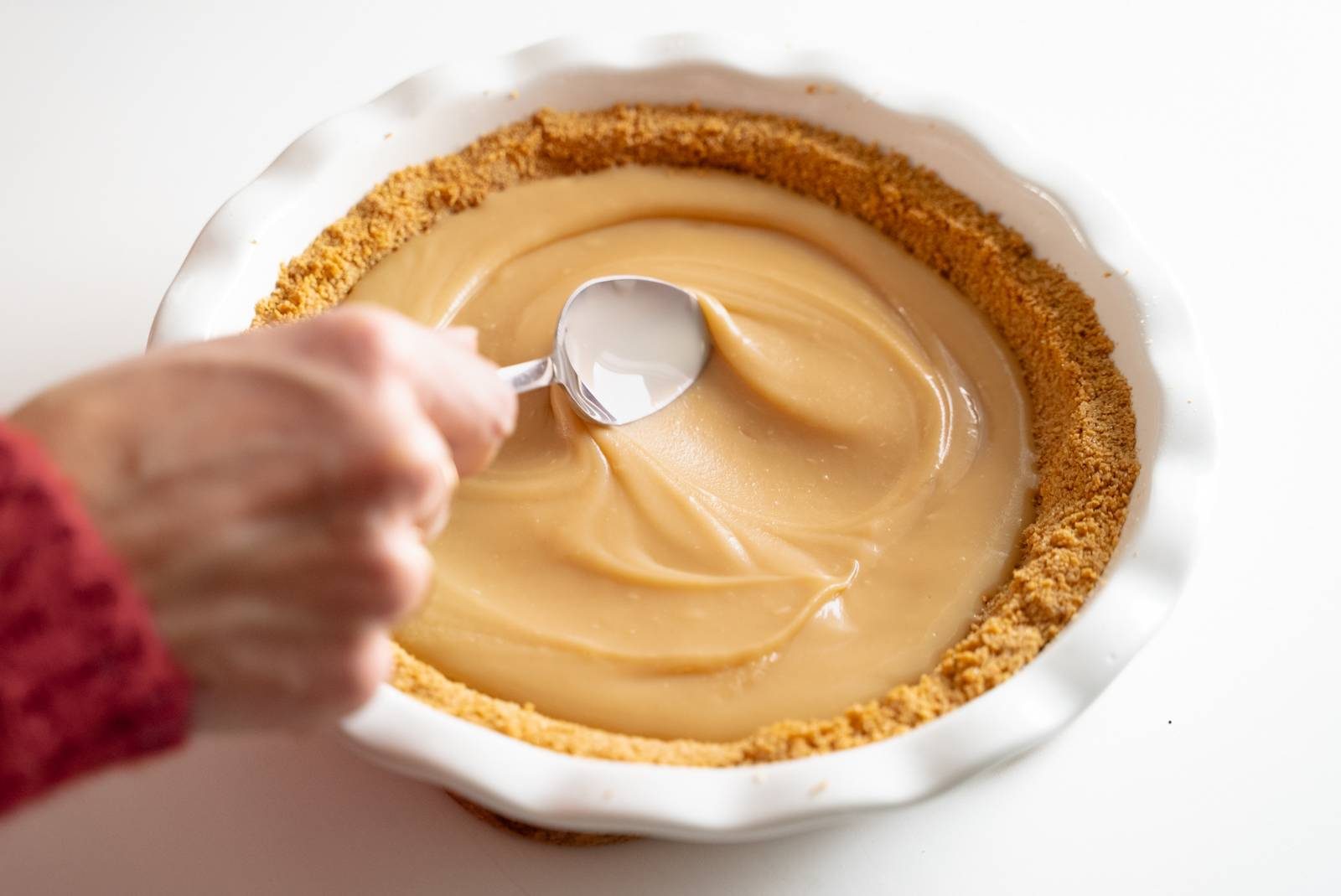
"The genius of Banoffee Pie lies in its elegant simplicity and the masterful interplay of textures and flavors," notes a representative from a national culinary association. "The graham cracker crust provides a satisfying crunch and a hint of salt, which is the perfect foil for the decadent, melt-in-your-mouth caramel. The bananas add a natural sweetness and a fresh element, while the whipped cream offers a cloud-like lightness that ties everything together. It’s a dessert that appeals to a primal sense of satisfaction."
The historical context of Banoffee Pie also contributes to its appeal. As a relatively modern classic, it represents a fusion of traditional dessert-making techniques with accessible ingredients. Its British origins lend it a certain artisanal charm, while its adaptability has allowed it to be embraced and reinterpreted by cooks worldwide.
Conclusion: A Sweet Legacy
The Banoffee Pie, from its humble beginnings to its current status as a celebrated dessert, embodies the power of simple ingredients combined with thoughtful execution. Its journey, amplified by online communities and the heartwarming tradition of "Family Dessert Night," has cemented its place in the hearts and kitchens of many. As a dessert that offers a perfect balance of flavors, textures, and nostalgic comfort, the Banoffee Pie continues to be a recipe for joy, connection, and undeniably delicious moments shared with loved ones. Its story is a sweet reminder that sometimes, the most profound culinary experiences are born from the simplest of pleasures.
