
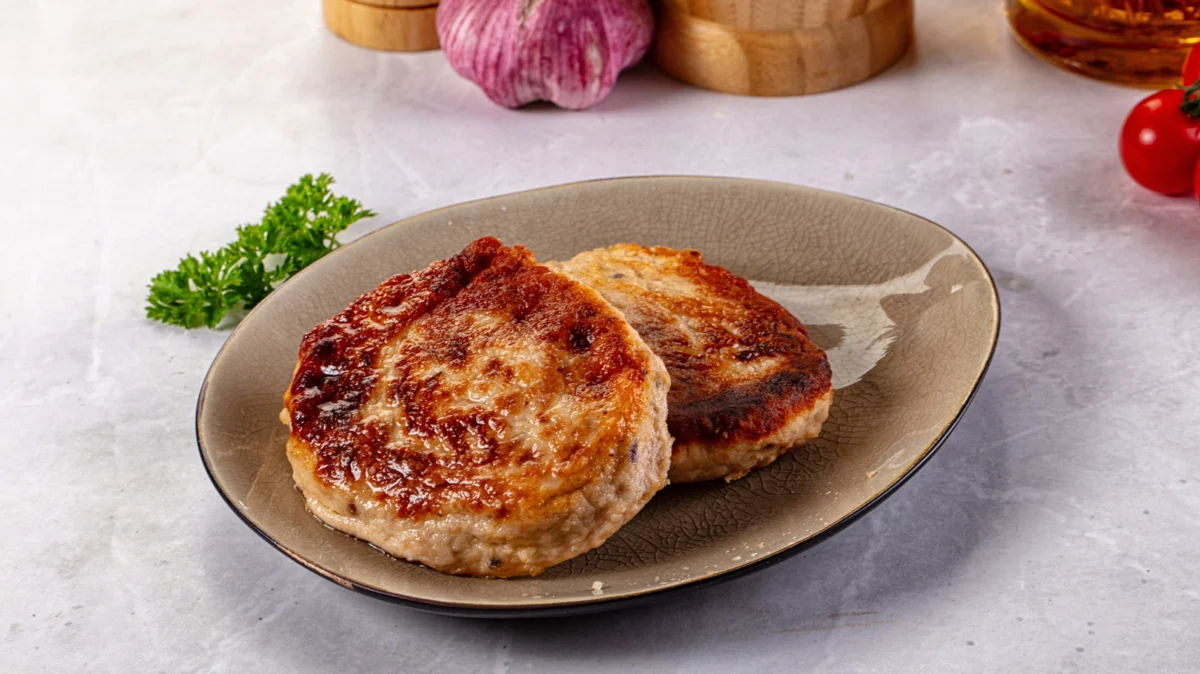
The economic upheaval triggered by the 1929 stock market crash ushered in an era defined by scarcity and ingenuity in the American kitchen. With household incomes plummeting and resources dwindling, families were forced to adapt, transforming humble ingredients into surprisingly delicious and nourishing meals. Among the many resourceful dishes that emerged from this challenging period, canned salmon patties, a simple yet satisfying concoction, stand out not only as a testament to Depression-era resilience but also as a culinary delight that continues to resonate with contemporary diners seeking both affordability and flavor.
The widespread adoption of canned salmon during the Great Depression was a direct consequence of its inherent qualities and the prevailing economic climate. Prior to the crash, canned salmon was already recognized as an economical protein source. However, the severe economic restrictions of the 1930s amplified its appeal, making it an indispensable item for many households. Beyond its affordability, canned salmon offered a significant nutritional advantage. As widespread economic hardship led to dietary deficiencies, government initiatives aimed to ensure access to nutrient-rich foods. Canned salmon, lauded for its high vitamin content, became a subsidized staple, further cementing its place on the tables of American families. At a cost often less than five cents per can, this versatile ingredient was incorporated into a myriad of dishes, including soups, meatloaves, and, most famously, patties.
From Necessity to Culinary Staple: The Evolution of Salmon Patties
The basic recipe for Depression-era salmon patties was remarkably straightforward, requiring only a handful of essential ingredients. Canned salmon, drained and flaked, formed the foundation. This was typically bound together with flour and an egg, with salt and pepper providing the primary seasoning. The mixture was then gently whisked to achieve a cohesive yet light texture. The process of preparing the patties involved heating oil in a skillet over medium heat. Portions of the salmon mixture were then shaped into uniform patties and pan-fried for approximately five minutes per side, or until they achieved a firm, golden-brown exterior. This simple preparation method made the dish accessible even to those with limited culinary experience or resources.
The appeal of these salmon croquettes, as they were also known, lay in their ability to deliver a satisfying meal with minimal expense. The reliance on pantry staples meant that even families struggling with tight budgets could prepare a protein-rich dish. This inherent cost-effectiveness, coupled with the palatable nature of the final product, ensured that salmon patties became a recurring feature on Depression-era dinner tables. The adaptability of the recipe also played a crucial role in its enduring popularity. While the basic formula remained consistent, variations emerged based on regional ingredients and individual preferences, showcasing the creativity born out of necessity.
The Modern Resurgence: Canned Salmon Patties in Today’s Economy
While the nation is not currently experiencing a recession of the magnitude seen during the Great Depression, prevailing economic conditions, characterized by fluctuating grocery prices, make cost-effective meal solutions more relevant than ever. In this context, the humble canned salmon patty is experiencing a renaissance, offering a delicious and budget-friendly alternative to more expensive protein sources. Many of the culinary innovations born out of the Depression era are no longer practical or desirable in modern times, but the salmon patty stands as a notable exception. Its inherent appeal, a blend of savory flavor and satisfying texture, translates seamlessly to contemporary palates.
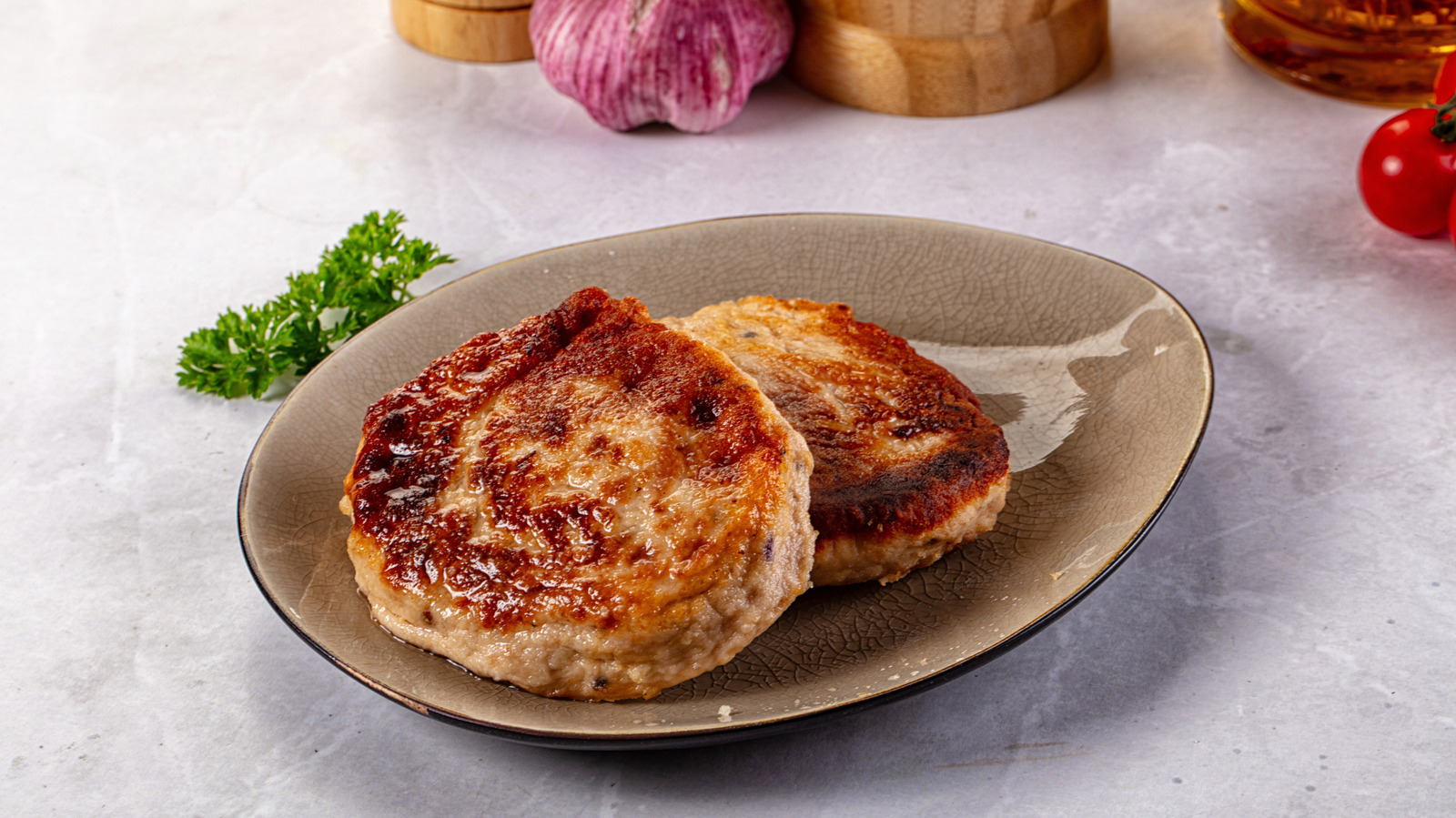
The accessibility of canned salmon remains a key factor in its modern appeal. A wide array of brands are available, offering quality fish at reasonable price points. This accessibility allows consumers to easily incorporate this economical protein into their weekly meal rotation. The basic recipe, requiring only an egg, salt, pepper, and flour, serves as an excellent starting point, but its true strength lies in its adaptability. The dish readily accommodates a variety of common pantry staples, allowing for endless customization.
Enhancing the Classic: Flavor and Nutritional Boosts
One popular enhancement to the traditional salmon patty recipe involves the incorporation of cornmeal. This ingredient, also a significant component of the Depression-era diet, not only imparts a subtle sweetness to the patties but also contributes a delightful crunch when fried. This textural contrast between the moist, flaky salmon and the crisp cornmeal coating adds a sophisticated dimension to the dish.
Further elevating the flavor profile, Southern culinary influences can be integrated. A dollop of mayonnaise can add richness and moisture to the patty mixture, while a pinch of Cajun seasoning can introduce a subtle, complex heat. These additions transform the simple patty into a more dynamic and flavorful experience. The resulting patties are not only satisfying on their own but also serve as an excellent vehicle for dipping sauces. Classic accompaniments such as tartar sauce or remoulade sauce complement the savory notes of the salmon and the crisp exterior of the patty, creating a harmonious flavor profile.
Beyond taste, canned salmon patties offer a valuable opportunity to incorporate essential nutrients and vegetables into one’s diet. Finely mincing onions, bell peppers, and spinach and incorporating them into the salmon mixture creates a truly nutrient-dense meal. This approach allows individuals to boost their intake of vitamins, minerals, and fiber without compromising on flavor or ease of preparation. The basic seasoning of salt and pepper can be further augmented with herbs and aromatics like fresh dill, a squeeze of lemon juice for brightness, or grated Parmesan cheese for an umami depth. These thoughtful additions demonstrate how a simple, historically significant dish can be adapted and enhanced to meet contemporary nutritional and gustatory expectations.
A Historical Context: The Great Depression and its Impact on American Cuisine
The Great Depression, spanning roughly from 1929 to the late 1930s, was a period of unprecedented economic hardship in the United States. The stock market crash of October 1929 marked the beginning of a severe downturn characterized by widespread unemployment, business failures, and a dramatic decline in industrial production and agricultural prices. By 1933, an estimated 15 million Americans were unemployed, representing about 25% of the workforce. This economic paralysis had a profound impact on the daily lives of citizens, particularly concerning food security and nutrition.
Families faced severe limitations in their ability to procure basic foodstuffs. Meat became a luxury for many, and fresh produce was often inaccessible due to cost and availability. This scarcity forced a re-evaluation of food sources and preparation methods. Staples that were once overlooked or considered less desirable gained prominence. For instance, the rise of processed and canned foods was accelerated, as they offered a longer shelf life and a more consistent availability compared to fresh alternatives.
The U.S. government, recognizing the severity of the nutritional crisis, implemented various programs to alleviate hunger and improve public health. Subsidies for certain food items, including canned salmon, were introduced to make them more affordable and accessible. These initiatives not only provided essential nutrients to struggling populations but also inadvertently shaped dietary habits and culinary traditions for generations to come. The emphasis on utilizing every edible part of an ingredient and making the most of limited resources fostered a culture of frugality and resourcefulness in the kitchen.
The Enduring Appeal: Why Salmon Patties Remain Relevant
The enduring popularity of canned salmon patties can be attributed to a confluence of factors that transcend their historical origins. Firstly, the inherent simplicity of the recipe makes it an attractive option for home cooks of all skill levels. The minimal ingredient list and straightforward preparation process require little specialized knowledge or equipment, making it an accessible dish for busy individuals and families.
Secondly, the affordability of canned salmon continues to be a significant draw. In an era of rising food costs, the ability to prepare a protein-rich and satisfying meal without breaking the bank is a major advantage. This economic viability ensures that salmon patties remain a practical choice for budget-conscious consumers.
Thirdly, the versatility of the dish allows for a high degree of customization. Whether one prefers a classic, unadorned patty or seeks to experiment with herbs, spices, and vegetables, the recipe can be easily adapted to suit individual tastes and dietary needs. This adaptability ensures that the dish remains interesting and appealing over time, preventing culinary monotony.
Finally, the psychological connection to a bygone era of resilience and resourcefulness adds a layer of sentimental value to salmon patties. For some, it evokes memories of grandparents or great-grandparents who navigated challenging times with similar culinary ingenuity. This nostalgic appeal, combined with the dish’s intrinsic merits, solidifies its place as a timeless culinary staple. The humble canned salmon patty, born out of necessity during one of America’s most trying periods, continues to offer a delicious, economical, and adaptable solution for modern dining. Its journey from a Depression-era necessity to a cherished comfort food underscores the enduring power of simple, well-executed recipes to bridge the gap between past and present.
