
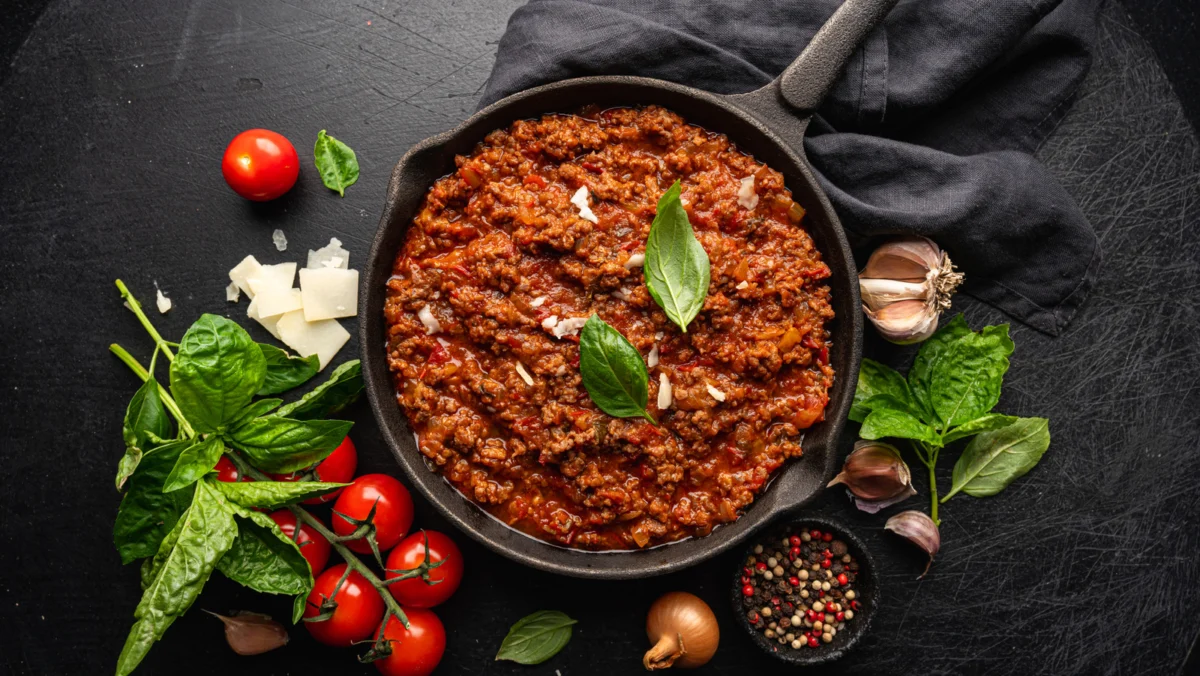
Bolognese sauce, a cornerstone of Italian comfort food, transcends its traditional pairing with pasta to offer a surprisingly diverse culinary canvas. While a generous heap of al dente spaghetti coated in this rich, slow-simmered ragù is undeniably a classic for a reason, the inherent depth of flavor and hearty texture of Bolognese make it an adaptable ingredient for a multitude of dishes. This rich, savory sauce, typically prepared with tomatoes, aromatics, wine, and ground meat, is far more than a mere accompaniment to noodles; it’s a culinary building block capable of elevating everyday meals and creating entirely new gastronomic experiences. For home cooks who often find themselves with a surplus of this delectable sauce, or for those simply seeking to explore its full potential, embracing Bolognese beyond pasta opens up a world of delicious possibilities.
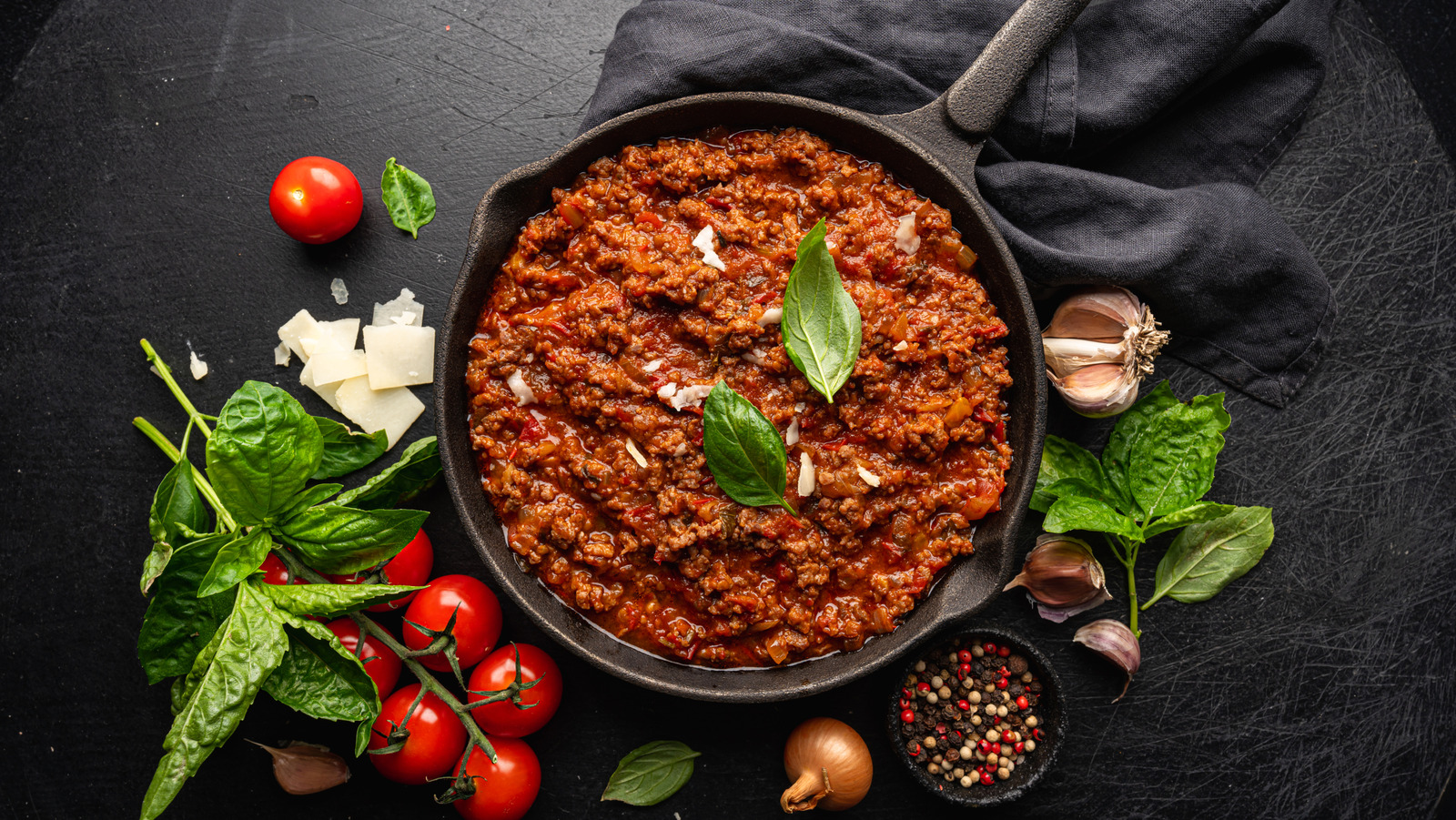
The historical roots of Bolognese sauce, or ragù alla Bolognese, are deeply embedded in the culinary traditions of Bologna, Italy. While the exact origin is debated, its development as a rich, meat-based sauce simmered with vegetables and often a touch of wine or milk dates back to at least the late 18th century. Early iterations were simpler, but over time, the recipe evolved into the complex and deeply satisfying sauce recognized today. Its enduring popularity is a testament to its comforting nature and its ability to adapt to various ingredients and cooking methods, a characteristic that makes it ideal for exploring new culinary frontiers.
Bolognese as a Flavorful Filling: Stuffed Peppers and Beyond
One of the most intuitive ways to reimagine Bolognese is by utilizing its inherent heartiness as a filling. Stuffed bell peppers offer a visually appealing and flavorful application. The vibrant sweetness of the peppers, when halved and hollowed, provides an excellent vessel for the rich, meaty Bolognese. This combination transforms a simple vegetable into a satisfying main course or a substantial side dish.
The versatility of Bolognese extends to its potential add-ins for stuffed peppers. A generous topping of shredded cheddar, mozzarella, or Monterey Jack cheese amplifies the indulgence, creating a bubbly, golden crust. For a more substantial meal, the Bolognese can be enriched with cooked rice or quinoa, adding a pleasing textural contrast. A touch of heavy cream or grated Parmesan cheese stirred into the sauce before filling the peppers can elevate the richness and creaminess of the final dish. Once filled, the peppers are typically baked for approximately 30 minutes, until tender and the sauce is heated through. Garnishes of fresh parsley or scallions add a bright, herbaceous counterpoint to the robust flavors.
A New Dimension for Pizza: Bolognese as a Topping
The fusion of Italian culinary icons – pizza and Bolognese – presents a surprisingly harmonious pairing. The ragù functions as both a sauce and a substantial topping, offering a departure from the conventional tomato base. This application introduces a unique texture, depth of flavor, and satisfying heartiness to the pizza.

Crafting a Bolognese pizza can be as straightforward as spreading the sauce over prepared pizza dough, followed by a sprinkle of mozzarella, and baking until golden and bubbly. However, the possibilities for customization are extensive. A wide array of meats, cheeses, and vegetables can complement the Bolognese. Consider dollops of mascarpone for a creamy element, folds of prosciutto for a salty bite, or slices of cremini mushrooms for an earthy note. Sunny corn kernels and broccoli florets can add color and a touch of natural sweetness, while pepperoni offers a classic spicy kick, and jalapeños provide a lively heat. Enhancing the pizza crust with a garlic oil brush before baking, or garnishing the finished pizza with fresh arugula or basil, further refines the flavor profile.
Reimagining Comfort Food: Sloppy Joes and Chili
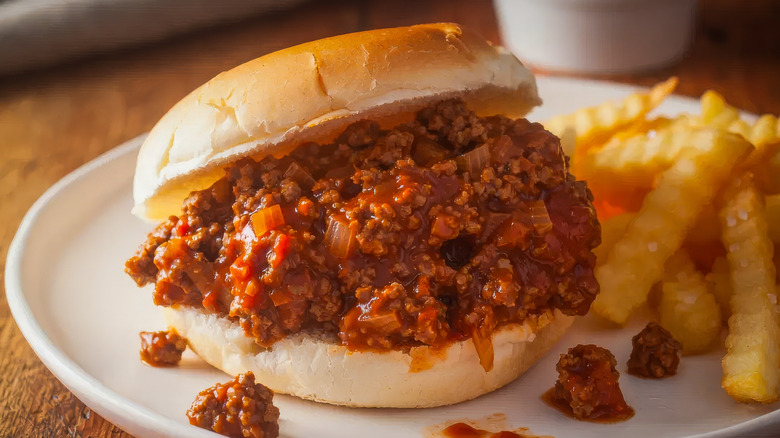
The comforting and approachable nature of Bolognese lends itself perfectly to reimagining classic American comfort foods. The sloppy Joe, traditionally featuring a savory ground beef filling, shares many similarities with Bolognese, making it an ideal candidate for a flavorful substitution. While traditional sloppy Joe recipes often lean sweeter and tangier due to ingredients like ketchup and brown sugar, the Italian ragù offers a more complex flavor profile built on aromatics, vegetables, and a hint of acidity from red wine. The textural similarity between the two sauces allows for a seamless swap.

To create Bolognese sloppy Joes, simply spoon the warmed sauce into toasted soft rolls. For an elevated experience, consider melting sliced cheese over the sauce under the broiler, or adding crispy bacon, caramelized onions, or even a fried egg for an extra protein boost.
Similarly, Bolognese can be transformed into a richer, more savory chili. This offers a clever way to create two distinct meals from a single batch of ground beef. To achieve a chili-like flavor, incorporate classic chili spices such as chili powder and cumin into the Bolognese. For increased heat, red pepper flakes or cayenne pepper can be added. Kidney beans are an essential addition, providing both bite and heartiness. A splash of beef broth can help achieve the desired consistency. For added depth and texture, sautéed diced bell peppers, zucchini, or mushrooms can be incorporated before combining with the Bolognese and other chili ingredients. The resulting dish pairs exceptionally well with fluffy white rice and a selection of traditional chili toppings like shredded cheddar, sour cream, avocado, and crispy tortilla chips.
Hearty Additions to Soups and Potatoes
The inherent richness of Bolognese makes it a superb addition to soups, offering a comforting and substantial element. Leftover Bolognese can be easily transformed into a hearty soup by warming it with beef broth until the desired consistency is reached. Alternatively, a Bolognese soup can be made from scratch by preparing the sauce up to the simmering stage, then adding broth and allowing it to bubble.
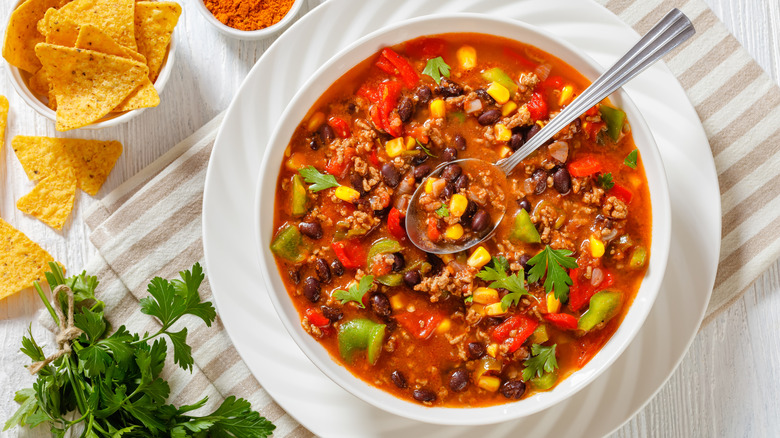
Customization options for Bolognese soup are plentiful. A Mexican-inspired taco soup can be created by adding chili powder and cumin, along with diced green chiles, black beans, and corn. Stirring in cream cheese can achieve a lusciously smooth consistency. For a lasagna soup, pasta sheets can be added along with the broth, and grated Parmesan stirred in towards the end of cooking. This can be further enhanced with dollops of ricotta.
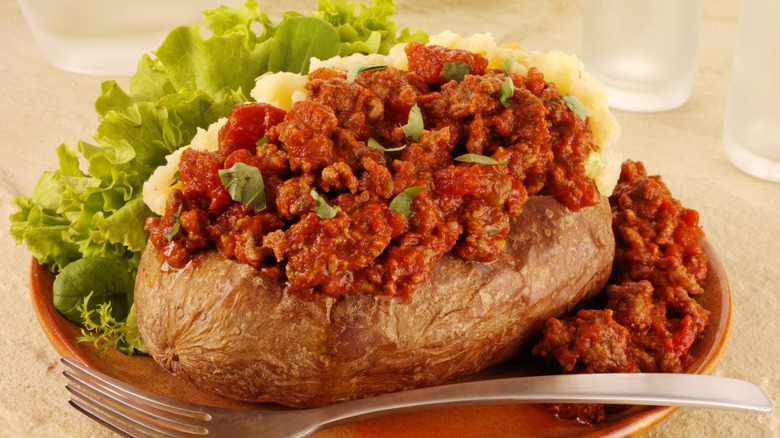
Bolognese also emerges as an unexpectedly delightful topping for baked potatoes. The fluffy interior and crispy skin of a baked potato provide the perfect canvas for the saucy, meaty ragù. The sauce readily soaks into the potato flesh, infusing every bite with savory flavor. After baking the potatoes until fork-tender, slice them open and spoon over the warm Bolognese. Complementary toppings such as grated cheese (cheddar, mozzarella, or Parmesan), a dollop of sour cream or crème fraîche, crispy bacon bits, fried onions, or fresh chives and parsley all enhance the dish.
Global Flavors: Nachos, Tacos, and Fries
The inherent adaptability of Bolognese shines through in its ability to integrate with global flavors, particularly in Mexican-inspired dishes. As a topping for nachos, Bolognese adds a welcome dose of savory complexity, complementing traditional toppings with ease. The sauce can be kept classic or enhanced with warming spices like red pepper flakes, chili powder, or smoked paprika. Spreading the sauce over tortilla chips, topping with shredded cheese, and oven-baking until the cheese is melted creates a hearty appetizer. Fresh garnishes such as homemade guacamole, pico de gallo, or fresh cilantro add vibrant color and textural contrast.
Bolognese also offers a tantalizing alternative for taco night. The ultra-saucy filling provides a delightfully indulgent experience. Simply spooning the warmed sauce into flour tortillas and adding favorite toppings is a quick and satisfying option. For a more robust filling, black beans can be incorporated, or taco seasoning can be added for an extra kick. Pan-frying the filled tacos to achieve a crisp exterior and melt the cheese within is an excellent technique. Complementary toppings include shredded lettuce, cherry tomatoes, pickled onions, cotija cheese, jalapeños, and a squeeze of lime.
Loaded fries also benefit immensely from a Bolognese topping. The rich, umami-packed ragù provides a satisfying contrast to the crispy fries. The sauce’s thickness prevents sogginess, ensuring a delightful texture. Similar to baked potatoes, cheese can be layered between the fries and sauce or melted on top. Fresh toppings like sour cream, chopped chives, fresh basil, or even a ball of burrata cheese can elevate the dish further.

A Lighter Approach: Zucchini Noodles
For those seeking a lighter, yet equally satisfying, alternative to traditional pasta, Bolognese pairs beautifully with zucchini noodles, or "zoodles." These spiralized zucchini strands offer a fresh and nutritious base that soaks up the rich sauce while providing a pleasant textural contrast.
To prepare zucchini noodles, spiralize the zucchini and, if desired, draw out excess moisture by sprinkling with salt and letting them sit on paper towels. Briefly sauté the zoodles with a splash of oil, minced garlic, or dried herbs for a minute or two to tenderize them. Once prepped, plate the zucchini noodles as one would traditional spaghetti, and generously spoon the warm Bolognese over the top. Garnishes such as cheese, fresh basil, red pepper flakes, or a drizzle of extra virgin olive oil can further enhance the dish. This approach allows for the enjoyment of Bolognese’s robust flavors with a lighter, more vegetable-forward profile, aligning with contemporary dietary preferences and culinary trends that emphasize nutrient-rich ingredients.
