
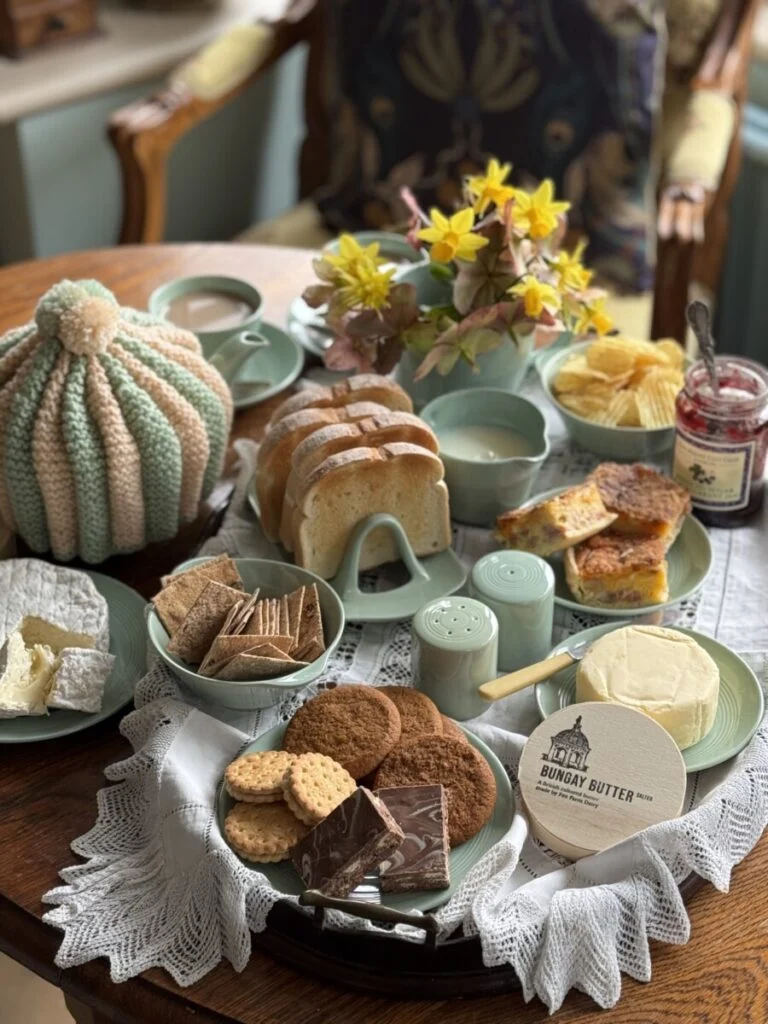
The enduring confusion between Afternoon Tea and High Tea represents a significant divergence in culinary history, often exacerbated by the global migration of British customs. While frequently used interchangeably in modern parlance, particularly in North America and Australia, these two traditions are distinct in their historical origins, social functions, and service requirements. Afternoon Tea, often referred to as "Low Tea," emerged as an aristocratic social ritual, whereas High Tea was a functional, working-class evening meal. Understanding the nuances of these traditions requires a journey through the social stratifications of 18th and 19th-century Britain.

Chronology and Historical Origins

The evolution of tea-drinking as a formal British institution began in the mid-17th century, yet the specific practices of Afternoon and High Tea did not coalesce until much later. Afternoon Tea is frequently linked to the mid-19th century, specifically the year 1840. Historical accounts suggest that Anna Maria Russell, the 7th Duchess of Bedford, found the gap between lunch and the late-scheduled dinner to be physically taxing. She began requesting a service of tea, bread, and butter in her private quarters during the late afternoon. This habit, initially a private indulgence, evolved into a fashionable social event among the upper classes. By the 1880s, the practice was firmly established as an essential component of aristocratic life, often held in the drawing room.

Conversely, High Tea emerged from the industrial landscape of the late 18th and early 19th centuries. As the Industrial Revolution drew the workforce into factories and urban centers, the traditional midday meal schedule was disrupted. High Tea was essentially the primary evening meal for the working class. It was typically served between 5:00 PM and 7:00 PM, providing necessary sustenance after a long day of labor. The term "high" refers to the height of the dining furniture; while the elite sat in low-slung, comfortable parlor chairs for their light refreshments, the working classes consumed their main meals at the "high" kitchen or dining table.

The Social Stratification of Service

The fundamental difference lies in the service and the composition of the meal. Afternoon Tea is characterized by its lightness and elegance. Traditionally, it consists of crustless finger sandwiches—classically cucumber, egg mayonnaise, or smoked salmon—followed by scones served with clotted cream and jam, and finished with a selection of petit fours, tarts, and delicate cakes. The service is typically presented on a three-tier stand, emphasizing the aesthetic appeal of the food. It is, by design, an intermezzo between meals rather than a replacement for one.

High Tea, by contrast, is a robust, savory affair. Historically, the menu was centered on protein and hearty carbohydrates to sustain laborers. Common staples included cold meats, meat pies, scotch eggs, cheeses, pickles, and hearty breads. It was not intended to be a dainty experience, but a functional one. The inclusion of tea was not a symbolic gesture of leisure but a stimulant to fuel workers. While the dessert course might include a fruit loaf or a simple cake, the focus remained on the savory components that constituted the final meal of the day.

Geographic and Cultural Divergence

The modern misunderstanding of these terms is largely a result of cultural diffusion. As the British Empire expanded, so did the traditions of tea. In countries like the United States and Australia, the term "High Tea" was erroneously adopted by the hospitality industry to describe an upscale, elegant experience, likely because "high" sounds more sophisticated than "low." Consequently, what is marketed as "High Tea" in luxury hotels globally is almost exclusively the "Afternoon Tea" of British tradition.

This linguistic drift has created a divide between historical accuracy and contemporary commercial usage. Culinary historians argue that this misnaming dilutes the working-class roots of High Tea. In the United Kingdom, local and regional variations continue to reflect these roots. In the industrial North of England and parts of Scotland, the term "tea" remains the standard designation for the evening meal, often served with items that echo the original High Tea tradition, such as stews, sausages, and baked goods.

Data and Economic Implications

The global tea industry has leveraged this confusion for commercial gain. Luxury hospitality venues, particularly in major international cities, report that "High Tea" experiences are among their most profitable food and beverage offerings. Market analysis suggests that consumers are willing to pay a premium for the "High Tea" branding, which they associate with British heritage and exclusivity.

However, this commercialization has led to a standardized experience that ignores the regional diversity of the original meal. Authentic British High Tea is deeply tied to home cooking, seasonal produce, and local baking traditions—such as Yorkshire fruit loaves or Bilberry pies—which are often absent from the standardized, high-cost menus of global luxury hotels. The shift from a functional working-class meal to a luxury commodity represents a significant departure from the tradition’s original purpose.

Public Perception and Social Media Discourse

Recent social media interactions have highlighted the intensity of this debate. When individuals or businesses attempt to conflate the two, the response from those familiar with the historical distinction is often sharp. Public discourse on the matter reflects a wider tension between the preservation of cultural heritage and the inevitable evolution of language in a globalized society. For historians and purists, the misnaming of the meals is not merely a semantic error; it is an erasure of the working-class histories that shaped the culture of the United Kingdom.

Statements from culinary institutions often emphasize the importance of context. While language is fluid and definitions can shift over time, many experts argue that maintaining the distinction is vital for educational purposes. The "Low" versus "High" distinction provides a window into the rigid class structure of 19th-century Britain, where even the manner and location of consuming tea served as a marker of social standing.

Broader Impact and Future Outlook

The implications of this confusion extend beyond simple terminology. As global food culture continues to homogenize, there is a risk that the specific histories of regional British traditions will be lost. The "Cream Tea," for example—a subset of the tradition featuring only scones, jam, and cream—is another element frequently mislabeled or misunderstood.

Ultimately, the distinction serves as a reminder that food is never merely fuel; it is a historical record. The "low" table of the aristocracy and the "high" table of the working class offer two distinct perspectives on the same era. As the global popularity of tea-based dining continues to grow, it is likely that the "High Tea" branding will persist in the commercial sector. However, for those interested in the authentic history of the United Kingdom, the distinction remains clear: one is a graceful social ritual of the drawing room, and the other is the hearty, honest meal of the working day.

The ongoing conversation, whether on social media or in academic circles, serves to clarify these differences. By documenting these variations and honoring the historical context, the culinary heritage of the United Kingdom can be preserved, even as its traditions are adapted and enjoyed across the world. The challenge for the future is to balance the commercial demand for these experiences with an accurate reflection of the cultural, social, and economic realities that birthed them. Whether one prefers the delicate finger sandwiches of a traditional Afternoon Tea or the substantial meat pies of a working-class High Tea, the value lies in recognizing the legacy of both traditions.
