
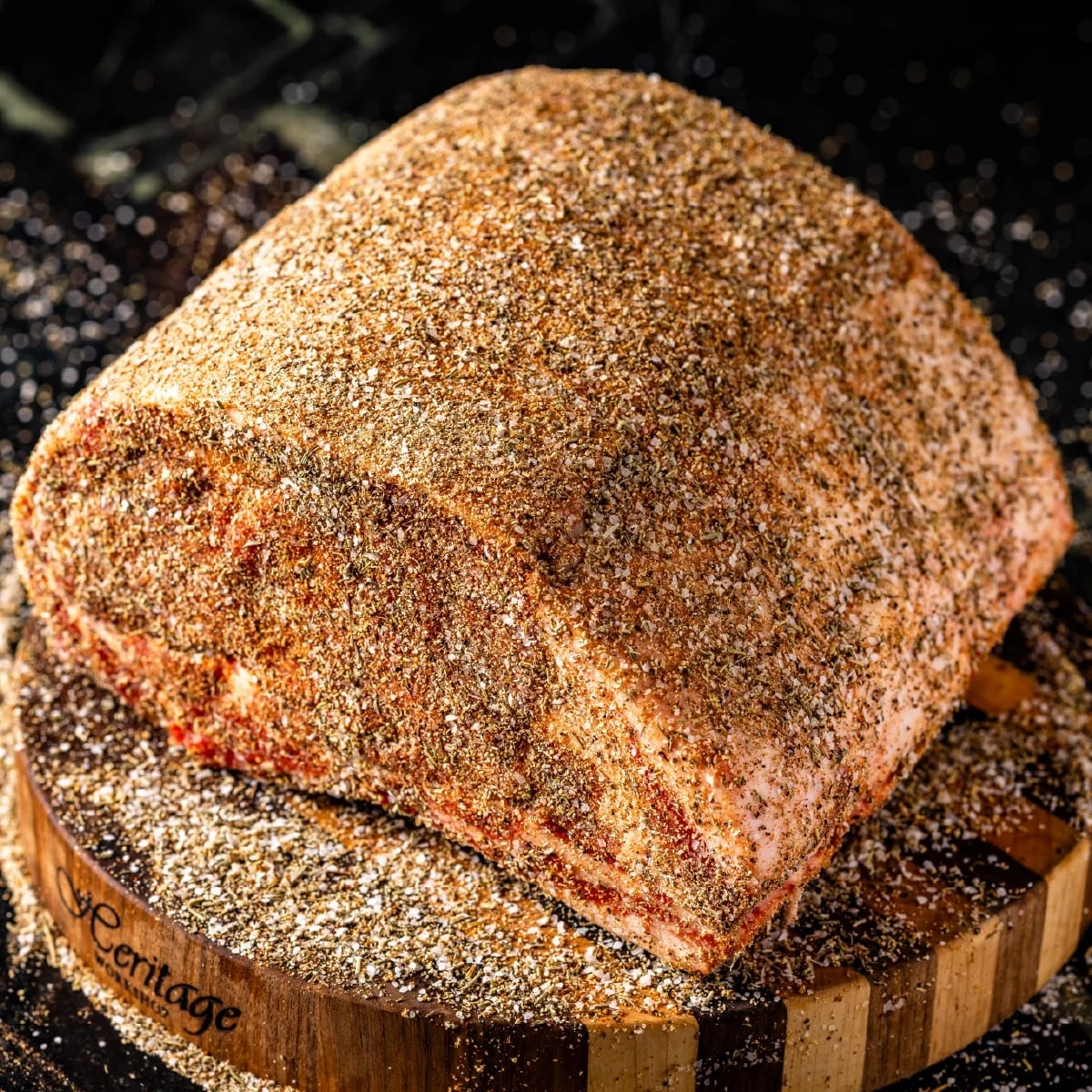
The prime rib, historically known as the standing rib roast, represents one of the most significant financial and culinary investments a home cook or professional chef can undertake. Given the premium market valuation of this specific cut of beef, the application of a high-quality seasoning—specifically a homemade prime rib rub—is essential to ensuring that the natural flavors of the meat are accentuated rather than overwhelmed. A well-constructed rub serves as the bridge between the raw protein and the final, crust-heavy delicacy, utilizing a balance of salinity, aromatics, and herbaceous notes to produce a result consistent with high-end steakhouse standards.
The Economic and Culinary Context of Prime Rib Selection
In the current consumer market, prime rib remains a luxury commodity. According to data from the United States Department of Agriculture (USDA), the price of "Prime" and "Choice" graded beef has seen significant fluctuations due to supply chain dynamics and seasonal demand, particularly during the fourth quarter of the fiscal year. Because a single roast can range from eight to twelve pounds and cost several hundred dollars, the margin for error in preparation is remarkably slim.
Culinary experts argue that the primary goal of a prime rib rub is to enhance the beef’s inherent richness. Unlike brisket or pork shoulder, which may require heavy smoke and aggressive spice profiles to break down tough connective tissues, prime rib is prized for its intramuscular fat (marbling) and tenderness. Therefore, a professional-grade rub must be "savory and herbaceous," focusing on a salt-and-pepper foundation that facilitates the Maillard reaction—the chemical process between amino acids and reducing sugars that gives browned food its distinctive flavor.

Component Analysis: The Seven-Ingredient Architecture
A standard professional rub, such as the one popularized by culinary influencer and "Hey Grill Hey" founder Susie Bulloch, typically relies on a seven-ingredient profile. Each component serves a specific functional purpose in the flavor hierarchy:
- Kosher Salt: The primary agent for moisture retention and protein denaturation. Salt draws moisture to the surface, dissolves into a brine, and is eventually reabsorbed into the meat, seasoning it deeply.
- Coarse Black Pepper: Provides a sharp, pungent heat and contributes significantly to the "bark" or crust development.
- Garlic Powder: Offers a concentrated, savory aromatic that permeates the fat cap during the long roasting process.
- Onion Powder: Provides a subtle sweetness and depth, rounding out the sharper notes of the garlic and pepper.
- Dried Rosemary: A steakhouse staple, rosemary contains volatile oils that pair exceptionally well with beef fat, offering an earthy, pine-like aroma.
- Dried Thyme: Complements rosemary with slightly floral and minty undertones, adding complexity to the herbaceous profile.
- Optional Colorant/Spice: Often, a seventh ingredient such as smoked paprika or dried mustard is included to provide a hint of color or a slight acidic "zing" that cuts through the richness of the fat.
The Science of Seasoning: Dry Brining and Osmosis
The application of a dry rub is not merely a surface-level treatment; it is a biological and chemical process. When a rub is applied to a prime rib, the salt begins the process of osmosis. Initially, the salt draws moisture out of the beef. This moisture dissolves the salt and herbs, creating a concentrated brine. Over the course of several hours—a process known as dry brining—this brine is reabsorbed into the muscle fibers.
This methodology is superior to wet brining for beef roasts because it does not dilute the beef’s flavor with water. Instead, it seasons the meat from the inside out while leaving the exterior surface dry. A dry surface is critical for achieving a professional sear, as any residual surface moisture must evaporate before the Maillard reaction can begin. By using a rub ahead of time, the cook ensures that the energy of the oven or grill is spent browning the meat rather than boiling off surface water.
Chronology of Preparation and Execution
Achieving a restaurant-quality prime rib involves a precise timeline that begins long before the heat is applied.

Phase I: Preparation and Trimming (24 Hours Prior)
The roast should be removed from its packaging and patted dry. Excessive external fat should be trimmed to approximately one-quarter of an inch. This ensures that the rub can reach the meat and that the fat can render properly without causing flare-ups or excessive greasiness.
Phase II: Rub Application (12–24 Hours Prior)
The homemade rub is applied liberally to all sides of the roast. For an 8-to-10-pound roast, approximately one-quarter to one-half cup of rub is required. The roast is then placed on a wire rack over a sheet pan and left uncovered in the refrigerator. This "open-air" chilling allows the rub to penetrate the meat while the skin dries out, optimizing the eventual crust.
Phase III: Tempering (2 Hours Prior to Cooking)
The seasoned roast is removed from the refrigerator and allowed to sit at room temperature. This reduces the internal temperature gradient, ensuring that the meat cooks more evenly and prevents the "gray ring" of overcooked meat that often surrounds a rare center.
Phase IV: Thermal Processing
Whether using a traditional oven, a pellet smoker, or a ceramic grill, the rub interacts with the heat to form a savory crust. In a "low and slow" smoking environment, the herbs in the rub catch the smoke particles, deepening the flavor profile. In a high-heat reverse sear, the granulated garlic and onion caramelize, creating a crunchy, flavorful exterior.

Market Trends and the "Steakhouse at Home" Movement
The rise in popularity of specialized rubs and homemade seasonings coincides with a broader economic trend: the "steakhouse at home" movement. As inflation has impacted the hospitality industry, many consumers have shifted toward purchasing high-quality cuts from local butchers and preparing them at home using professional techniques.
Industry analysts note that the DIY seasoning market has expanded as home cooks seek more control over sodium levels and ingredient purity. Commercial rubs often contain anti-caking agents like silicon dioxide or excessive fillers like maltodextrin. By transitioning to homemade rubs, such as the seven-ingredient blend discussed, consumers are able to achieve a cleaner, more potent flavor profile.
Susie Bulloch, a prominent figure in the barbecue community and founder of Hey Grill Hey, has emphasized that the democratization of these "secret" recipes is vital for the modern backyard griller. Bulloch, whose recipes have been featured on the Food Network and in Guinness World Record events, argues that the right rub is the difference between a "good" meal and a "memory-making" occasion.
Storage, Shelf Life, and Sustainability
From a technical standpoint, the stability of a homemade prime rib rub is a significant advantage for the organized kitchen. When stored in an airtight glass container in a cool, dark environment, the blend maintains its peak potency for up to three months. Beyond this window, the volatile oils in the dried rosemary and thyme begin to dissipate, and the aromatics of the garlic and onion powder may lose their sharpness.

For sustainability-minded consumers, creating rubs in bulk reduces the reliance on single-use plastic spice shakers found in retail environments. It also allows for the sourcing of high-quality, organic bulk spices, further elevating the final culinary output.
Broader Implications for Culinary Excellence
The preparation of a prime rib rub is a microcosm of professional culinary philosophy: the idea that simple, high-quality ingredients, when combined with technical precision, produce superior results. The use of salt, pepper, garlic, onion, and herbs represents a timeless flavor profile that has defined Western beef preparation for centuries.
As home cooking continues to evolve with the aid of digital resources and professional-grade equipment, the emphasis on foundational elements like the dry rub remains paramount. For the "Backyard BBQ Hero" or the holiday host, the rub is more than a seasoning; it is a protective layer that seals in moisture, a chemical catalyst for flavor development, and a testament to the cook’s dedication to their craft.
In conclusion, while the prime rib itself is the star of the table, the rub is the essential supporting actor. By understanding the science of the ingredients, the economics of the meat market, and the technical requirements of the cooking process, individuals can ensure that their investment in a premium cut of beef yields the highest possible return in flavor, texture, and guest satisfaction. The move toward homemade, transparent ingredient lists marks a significant step forward in the pursuit of domestic culinary excellence.
