
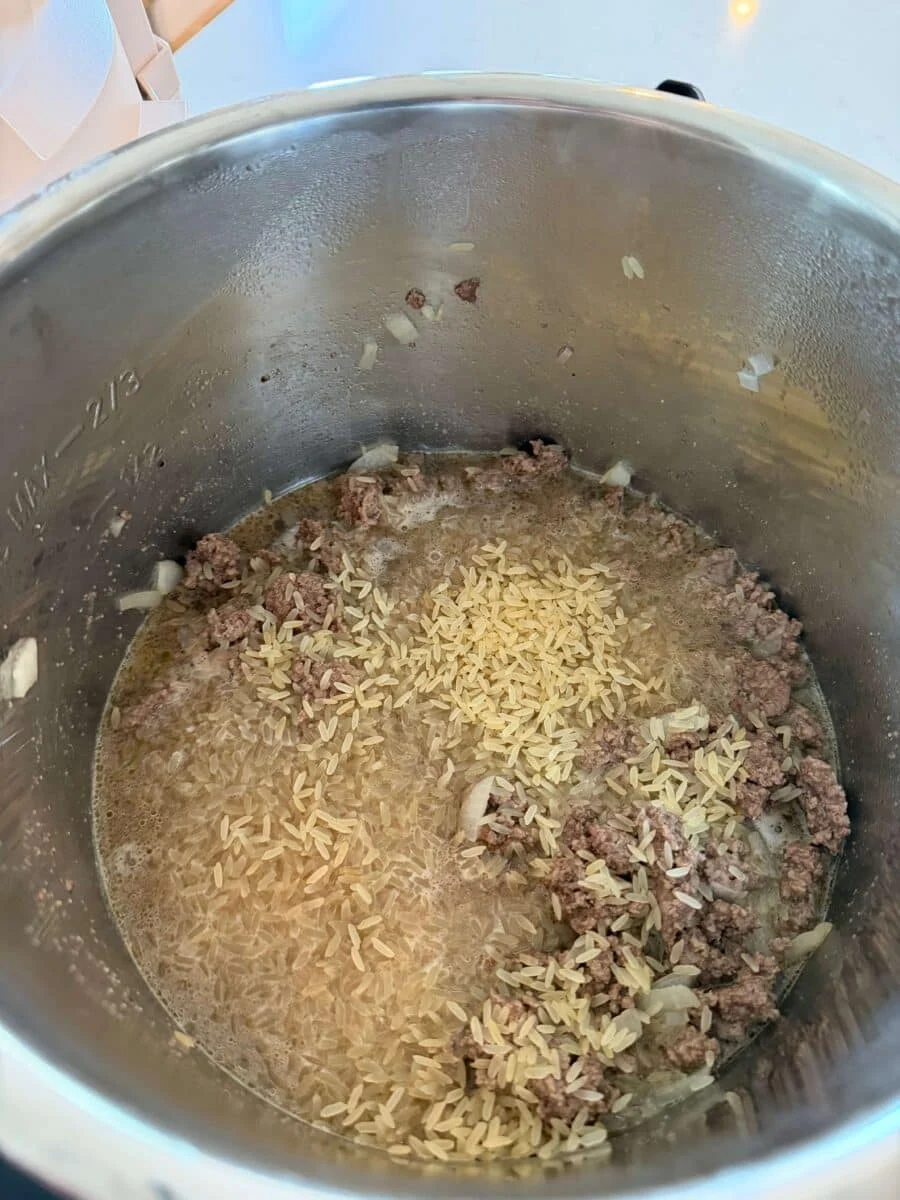
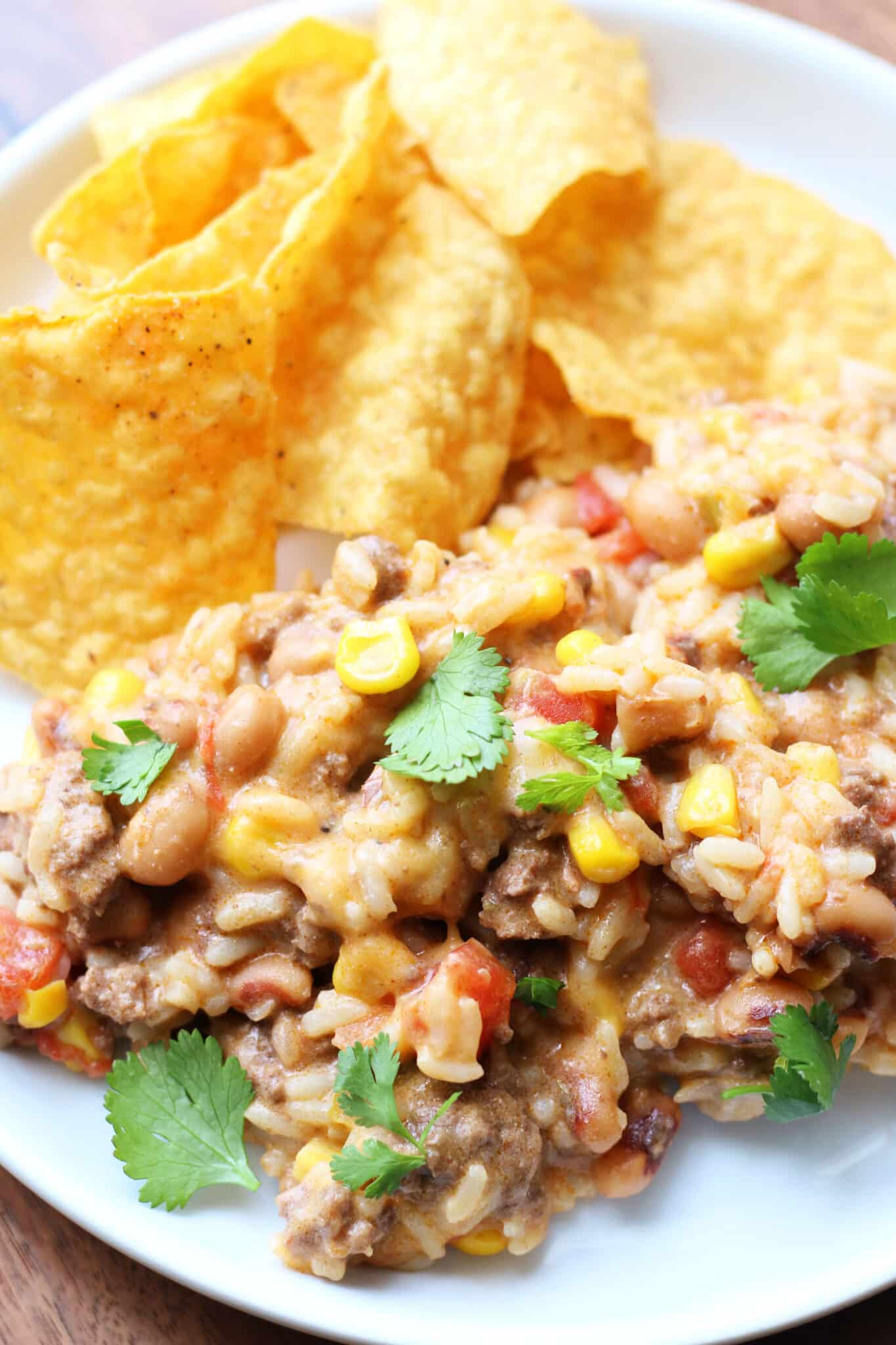
The emergence of the Texas Caviar Casserole as a prominent one-pot dinner solution represents a significant evolution in American regional cuisine, specifically within the intersection of Tex-Mex and Southern culinary traditions. Historically recognized as a cold bean salad or dip, the "Texas Caviar" flavor profile has been systematically reimagined into a warm, high-protein entree designed for the modern household. This culinary transition utilizes the efficiency of multicooker technology, specifically the Instant Pot, to combine ground beef, black-eyed peas, corn, and enchilada sauce into a cohesive meal that addresses contemporary demands for pantry-friendly, time-efficient, and nutritionally dense dining options.
The Evolution of Texas Caviar: From Cold Dip to Hot Entree
To understand the significance of the Texas Caviar Casserole, one must examine its progenitor. Texas Caviar was originally created in the 1940s by Helen Corbitt, a renowned culinary figure and the director of food services for Neiman Marcus in Dallas. Seeking a way to make black-eyed peas more palatable to those who considered them a lowly "soul food" staple, Corbitt pickled the peas in a vinaigrette with onions, garlic, and peppers. The dish was humorously dubbed "Texas Caviar" as a play on its humble ingredients contrasted with the luxury of sturgeon roe.
For decades, this dish remained a staple of summer barbecues and New Year’s Day celebrations, where black-eyed peas are traditionally eaten for good luck. However, the 21st-century culinary landscape has seen a shift toward deconstructed and reimagined classics. The Texas Caviar Casserole takes the foundational elements of Corbitt’s creation—the acidity of lime, the earthiness of black-eyed peas, and the sweetness of corn—and integrates them with the savory fats of ground beef and the creamy textures of melted cheese and sour cream. This transformation elevates the dish from a side-table condiment to a center-of-the-plate nutritional powerhouse.
Technical Methodology: The Instant Pot Process
The development of this casserole relies heavily on the mechanical advantages of pressure cooking. The process follows a strict chronology designed to maximize flavor extraction while ensuring structural integrity of the various ingredients.
Phase I: Searing and Aromatics
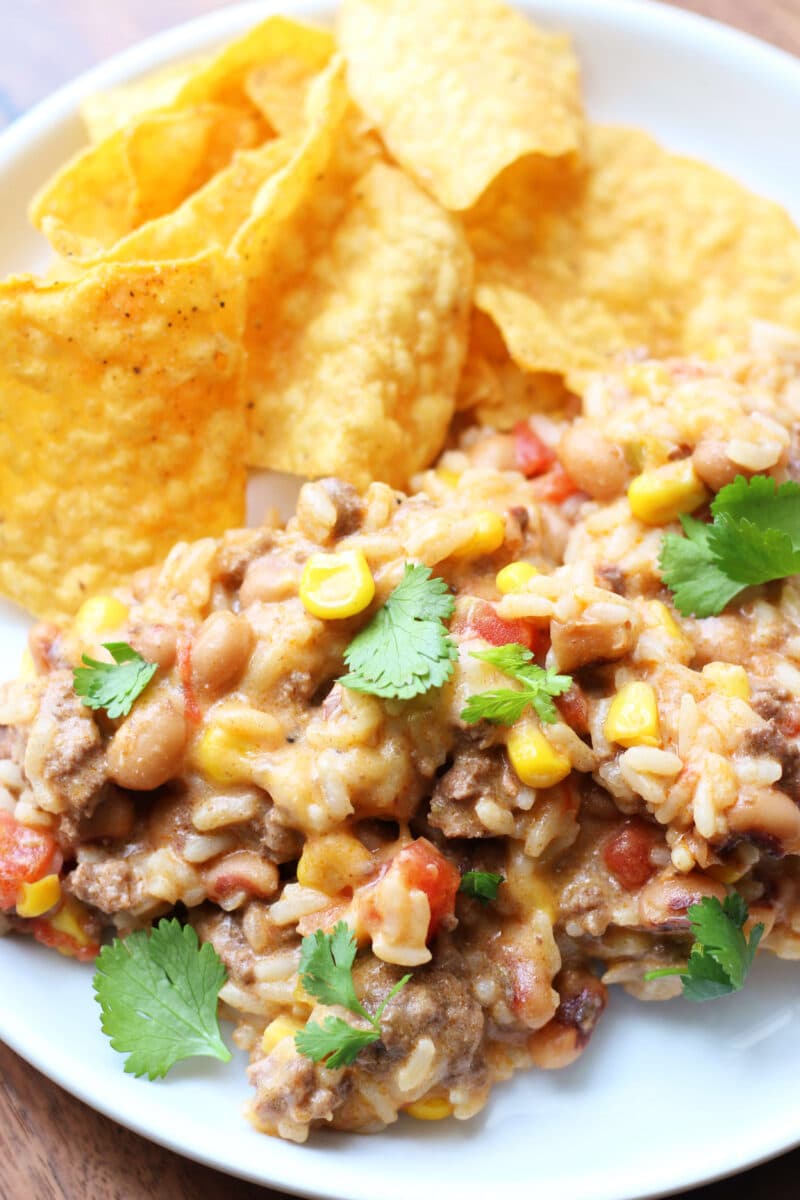
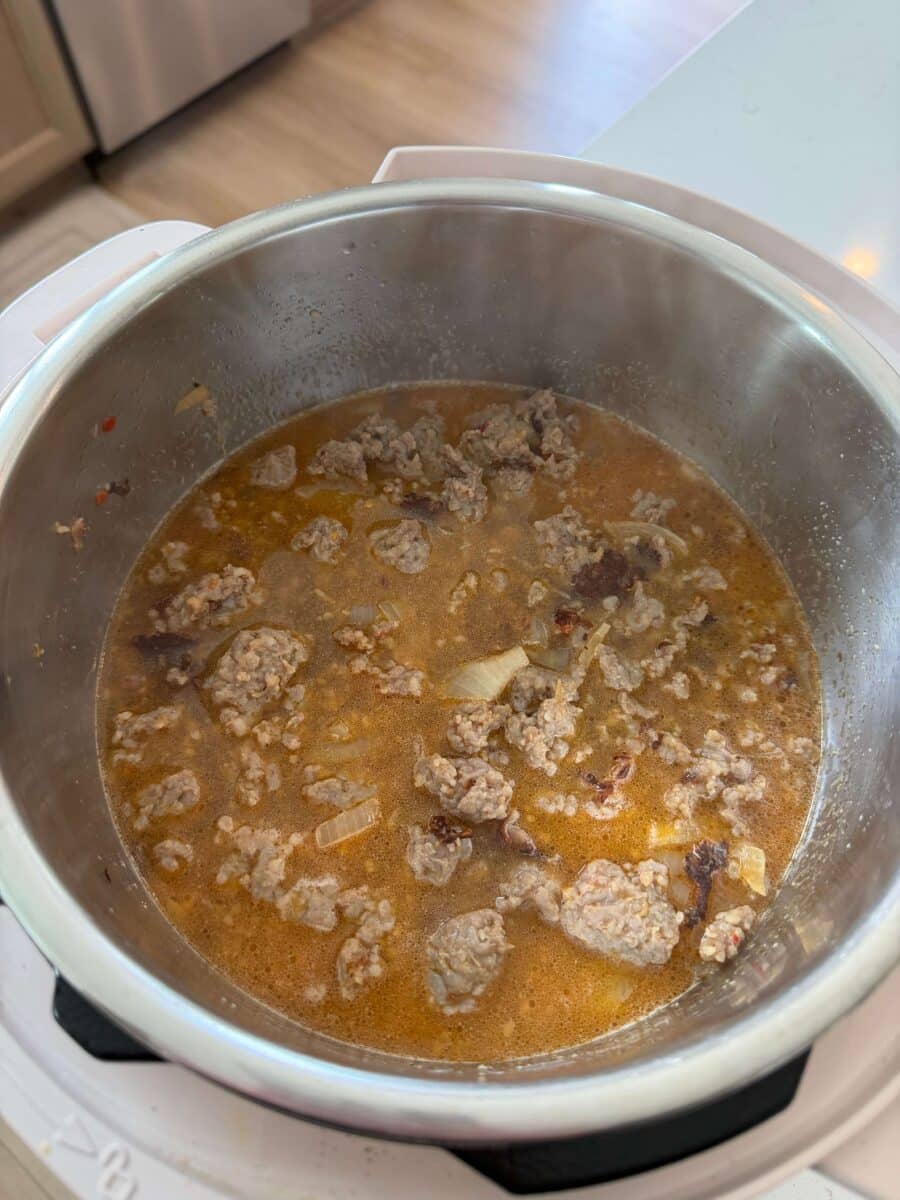
The process begins with the "Sauté" function, a critical stage where the Maillard reaction occurs. Ground beef is browned alongside diced onions. This chemical reaction between amino acids and reducing sugars is responsible for the deep, savory "umami" flavor that distinguishes the hot casserole from its cold predecessor. Once the beef reaches a safe internal temperature and the onions become translucent, excess lipids are drained to maintain a balanced texture.
Phase II: Deglazing and Layering
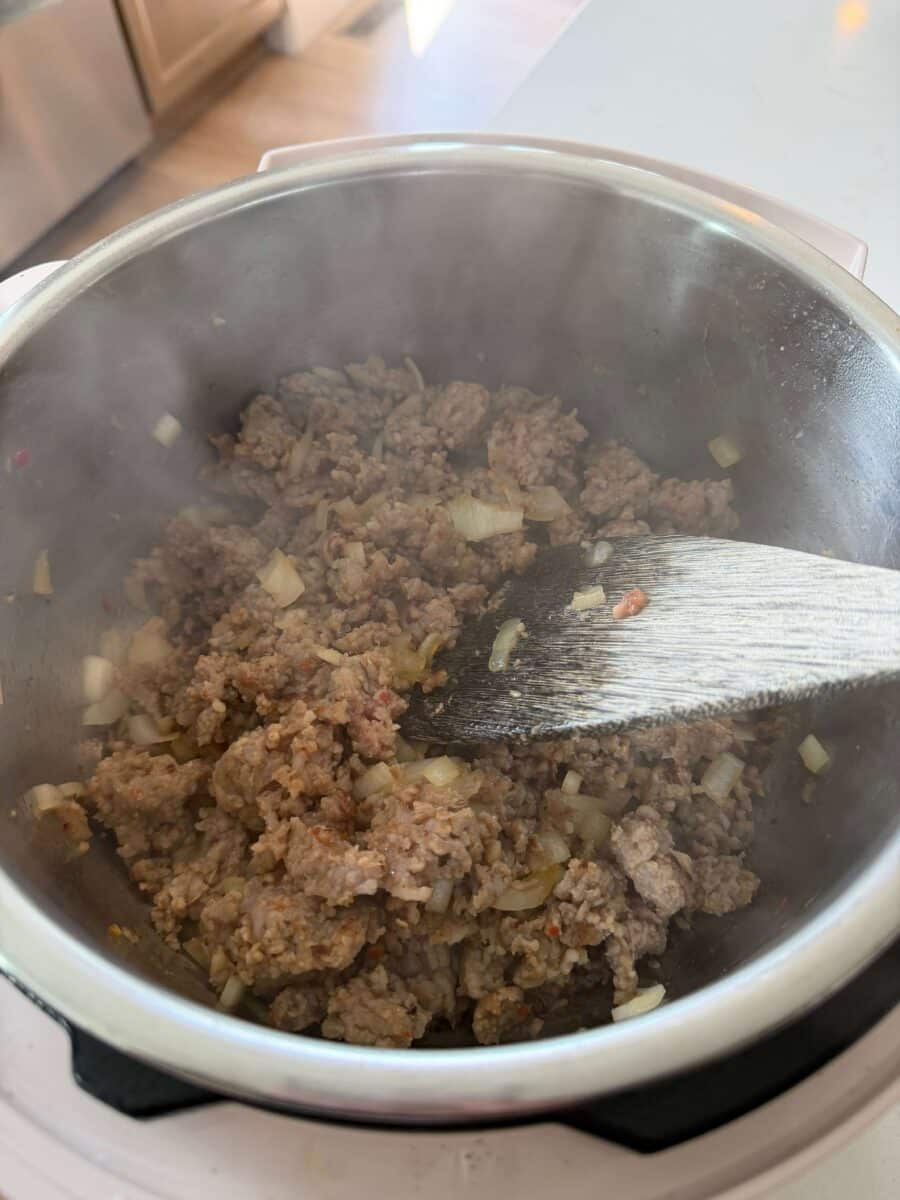
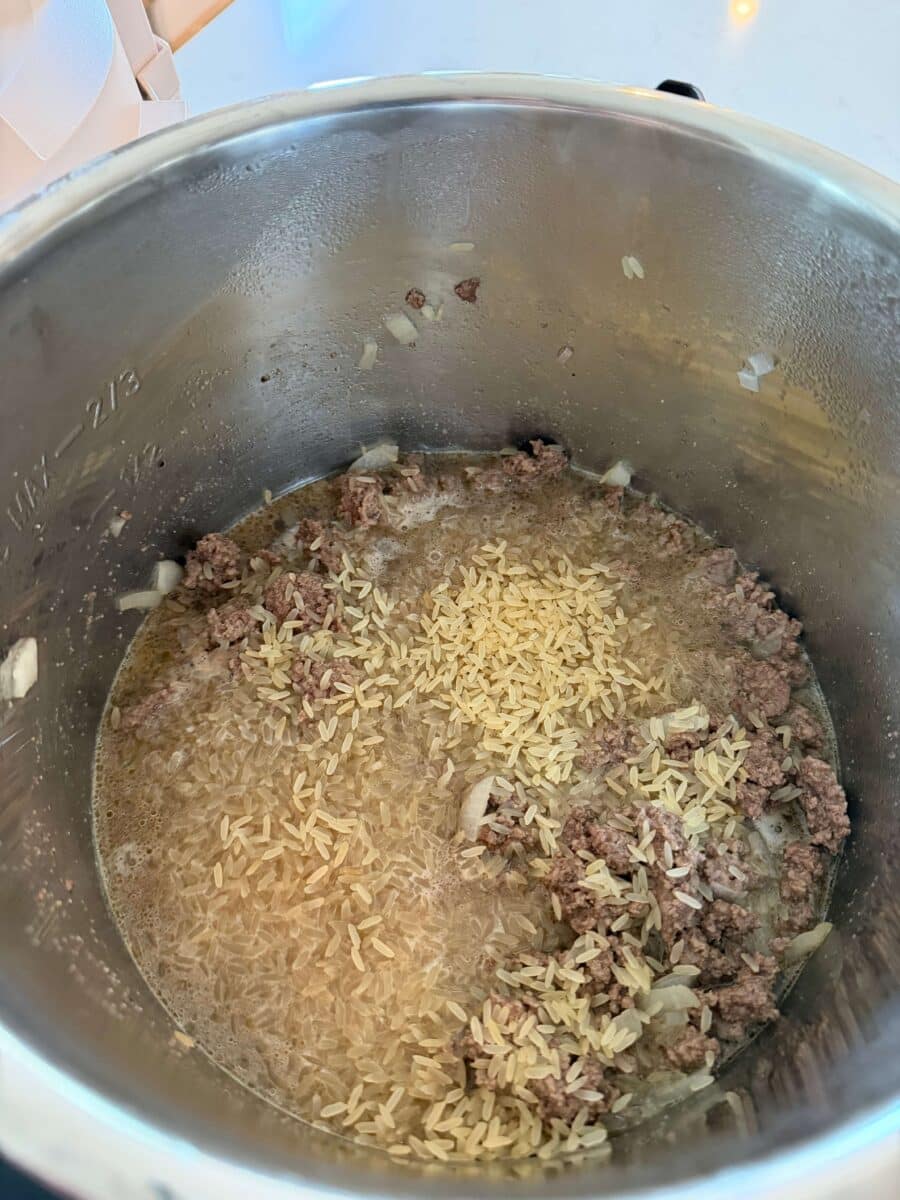
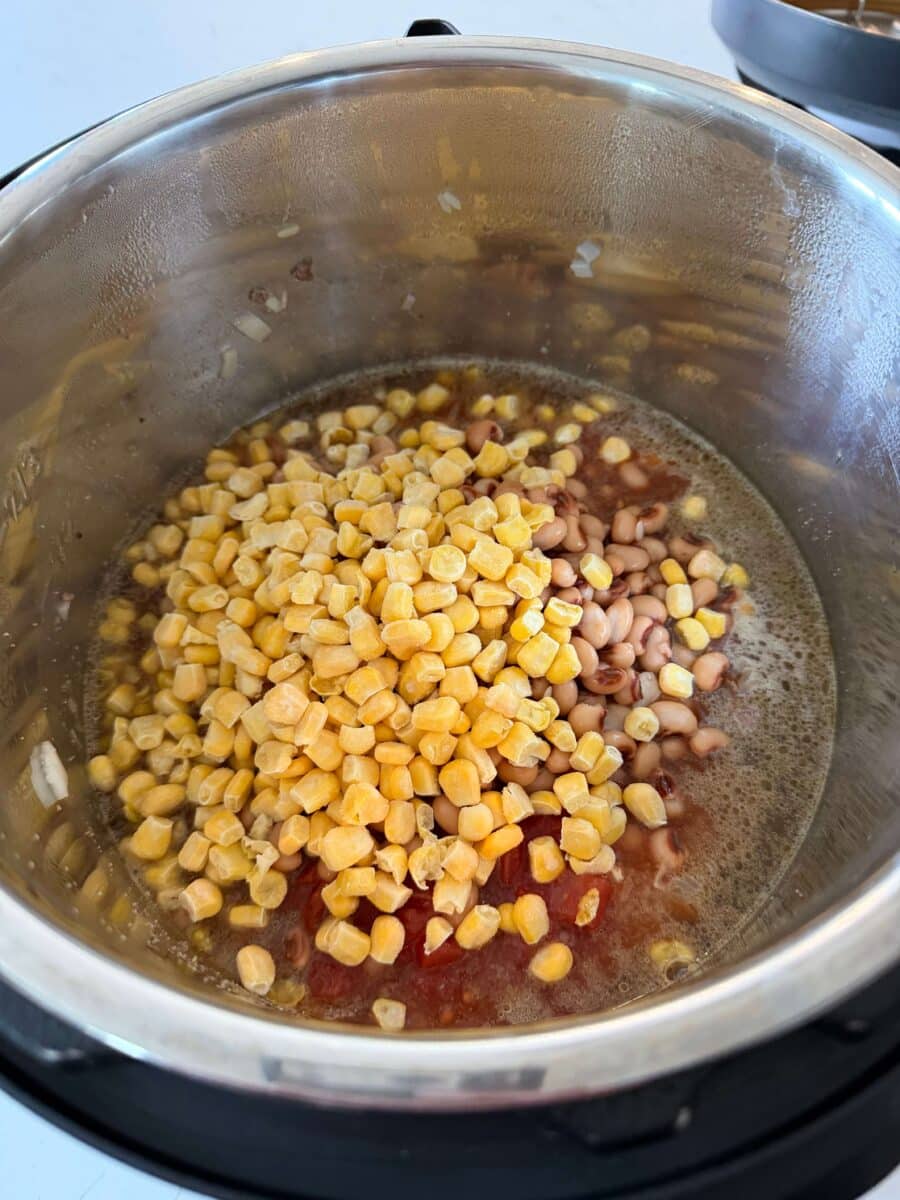
A precise volume of beef broth is introduced to deglaze the inner pot. This step is industrially significant, as it releases the "fond"—the caramelized bits of meat stuck to the bottom—which prevents the "Burn" error common in high-pressure cooking. Following deglazing, the structural components are layered. Long-grain white rice is added, followed by black-eyed peas, Rotel (diced tomatoes and green chilies), corn, and red enchilada sauce.
Phase III: Pressurization and Thermal Treatment
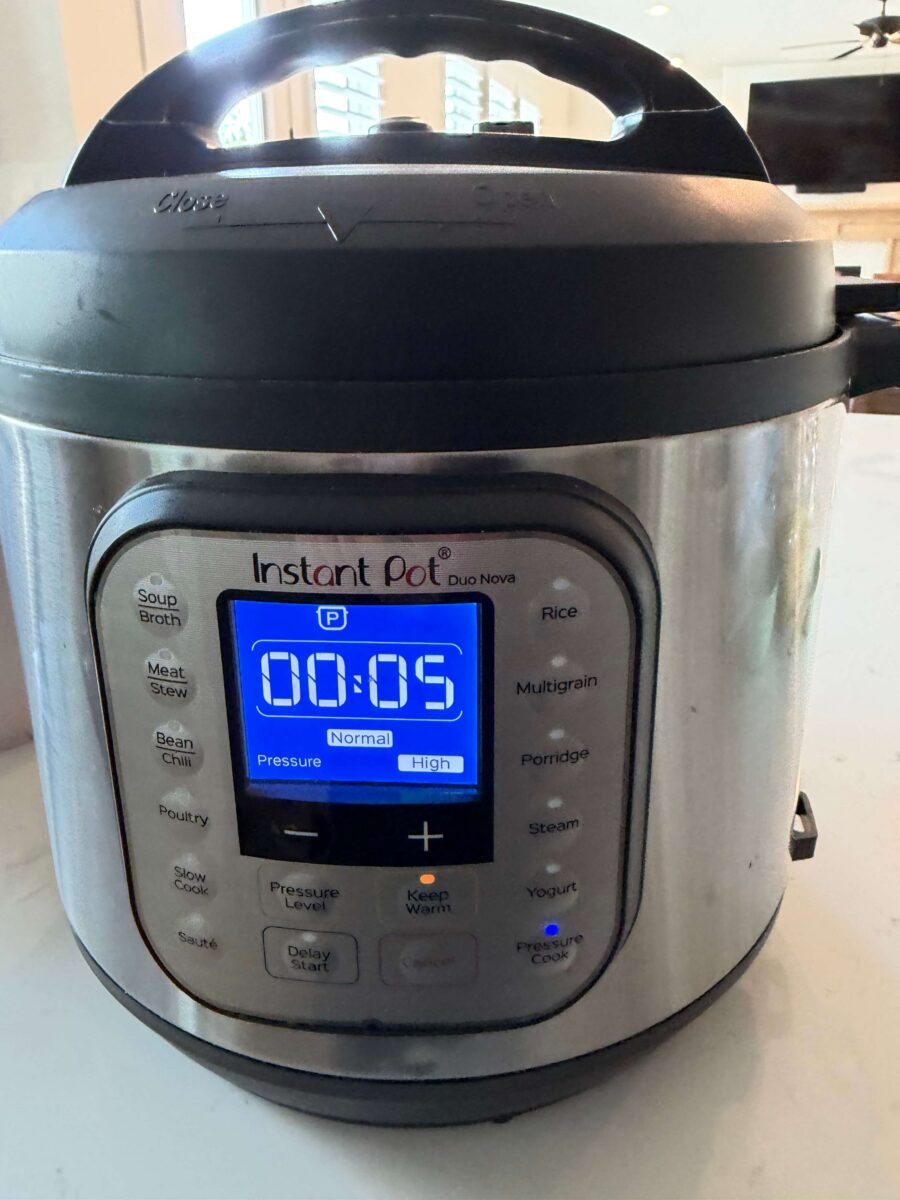
The multicooker is sealed and set to high pressure for a duration of five minutes. During this phase, the internal temperature of the pot exceeds the boiling point of water, forcing moisture into the rice grains and softening the legumes at an accelerated rate. A "Natural Pressure Release" (NPR) period of five to ten minutes follows, allowing the starches in the rice to stabilize and the residual heat to finish the cooking process without drying out the meat.
Phase IV: Emulsification and Finishing
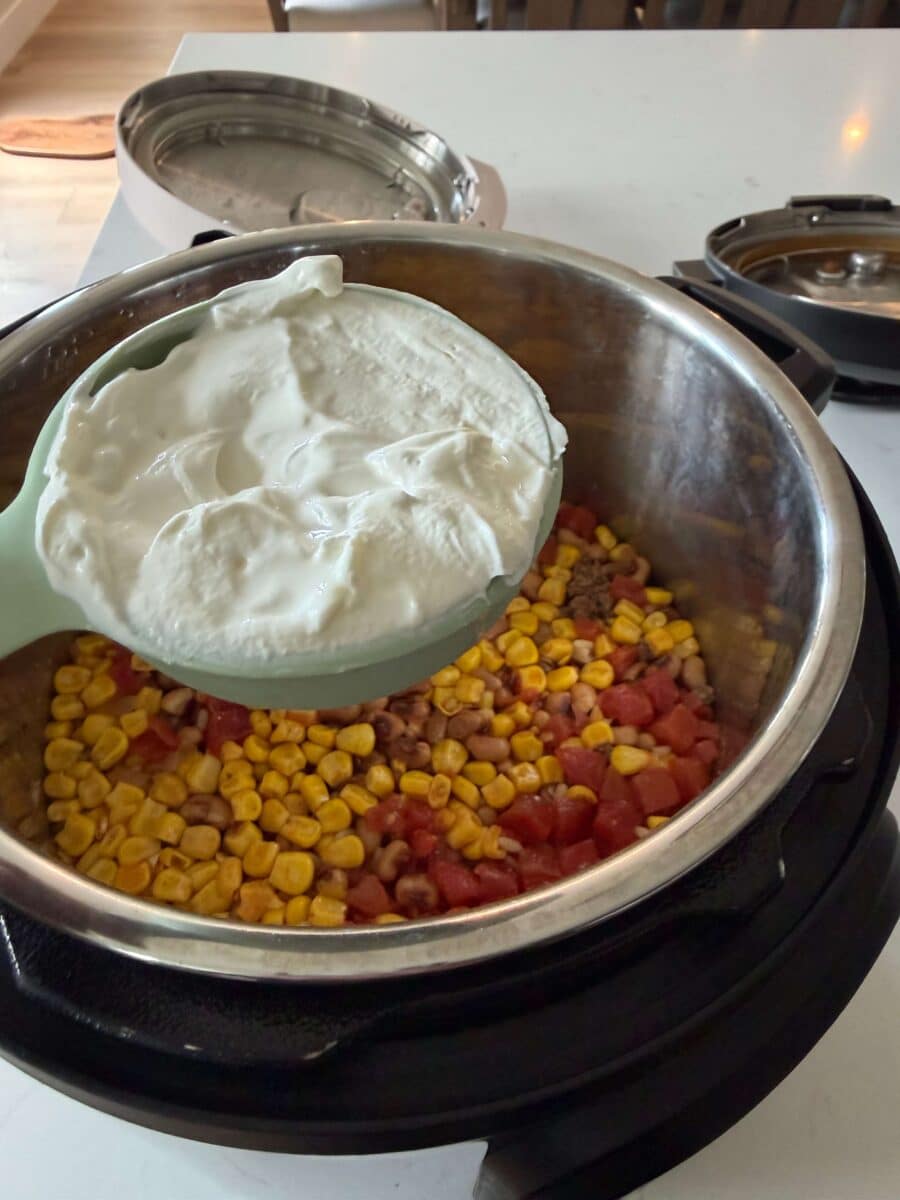
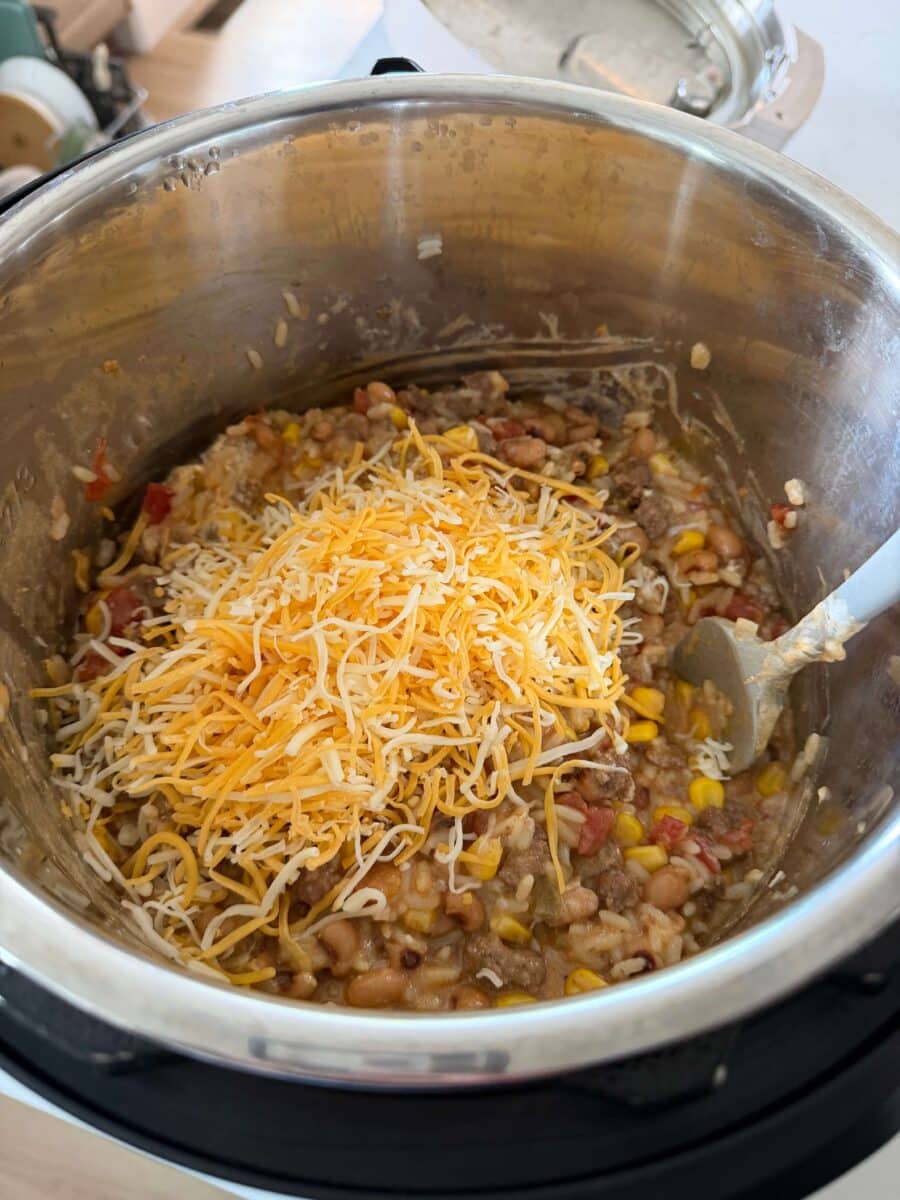
Upon opening the vessel, the final flavor profile is achieved through the addition of fresh lime juice, sour cream, and shredded cheese. These elements act as emulsifiers, binding the broth and enchilada sauce into a thick, creamy consistency. The addition of fresh cilantro and crushed tortilla chips provides a textural contrast that mimics the original dip’s sensory experience.
Ingredient Profile and Nutritional Analysis
The Texas Caviar Casserole is constructed from ingredients that are both shelf-stable and nutritionally complementary.
- Black-Eyed Peas: As the primary legume, they offer a significant source of complex carbohydrates and dietary fiber. A single cup of cooked black-eyed peas provides approximately 13 grams of fiber and 11 grams of protein, contributing to satiety and digestive health.
- Ground Beef: This provides the essential iron and Vitamin B12 required for metabolic function. When paired with the Vitamin C found in the lime juice and tomatoes, the bioavailability of the iron is significantly enhanced.
- Enchilada Sauce and Rotel: These components introduce capsaicin and acidity. The tomatoes in the Rotel are a primary source of lycopene, an antioxidant whose potency is increased through the cooking process.
- Rice: Acting as the caloric base, white rice provides the necessary energy density to make the dish a complete meal.
Economic and Social Implications of One-Pot Cooking
The rise of the Texas Caviar Casserole is not merely a culinary trend but a reflection of broader socio-economic shifts. Market data indicates a substantial increase in the "one-pot meal" category over the last decade. Several factors contribute to this phenomenon:
Food Inflation and Pantry Reliance
As global food prices have fluctuated, consumers have increasingly turned to "pantry-friendly" recipes. The ability to utilize canned goods (beans, corn, tomatoes) and long-lasting staples (rice, onions) allows for a high-volume meal at a low per-serving cost. The Texas Caviar Casserole is an exemplar of "stretch cooking," where a single pound of meat can feed a family of four to six when bolstered by legumes and grains.
The "Time Poverty" Factor
Modern labor trends have led to a decrease in the time available for meal preparation. The Instant Pot’s ability to reduce active cooking time from 60 minutes to roughly 20 minutes (excluding pressurization time) makes home-cooked meals viable for households that might otherwise rely on ultra-processed convenience foods or expensive delivery services.
The Sustainability of Multicookers
From an environmental perspective, pressure cookers are more energy-efficient than traditional stovetop or oven methods. By trapping steam and heat, they cook food faster using less electricity. Furthermore, the one-pot nature of the Texas Caviar Casserole reduces water consumption by minimizing the number of dishes required for cleanup.
Inferred Industry Reactions and Expert Analysis
Culinary analysts suggest that recipes like the Texas Caviar Casserole represent the "democratization of flavor." By taking a regional specialty and adapting it for a widely available appliance, the dish bridges the gap between traditional Southern heritage and modern convenience.
"We are seeing a move away from rigid culinary boundaries," notes one hypothetical food industry strategist. "The consumer wants the comfort of a casserole but the vibrant, acidic notes of a fresh salsa. Combining these into a single pressure-cooked event is a logical progression of the American palate."
Furthermore, nutritionists have reacted positively to the "hidden" health benefits of such meals. By incorporating legumes like black-eyed peas into a familiar "meat and rice" format, home cooks are able to increase fiber intake in children and picky eaters without the resistance often met by standalone vegetable dishes.
Broader Impact on Regional Culinary Identity
The Texas Caviar Casserole serves as a case study in how regional identities persist through adaptation. While the original Texas Caviar was a product of the mid-century "ladies’ lunch" culture of Dallas, the casserole version is a product of the digital age—shared via blogs, Pinterest, and social media groups dedicated to "365 days of crockpot" or Instant Pot cooking.
This digital dissemination ensures that regional flavors are no longer geographically confined. A family in Maine or Washington can experience the specific heat of Texas green chilies and the unique texture of Southern black-eyed peas through a standardized, replicable process. This contributes to a "nationalized" American cuisine that is diverse in origin but accessible in execution.
Conclusion
The Texas Caviar Casserole is a sophisticated amalgamation of history, technology, and nutrition. By restructuring a 1940s classic into a high-efficiency 21st-century meal, it addresses the modern necessity for speed, economy, and flavor. As the culinary world continues to embrace the "set it and forget it" philosophy of multicookers, dishes that offer a complex balance of acidity, creaminess, and protein—like this casserole—are poised to become the new standards of the American dinner table. The transition from a cold picnic side to a hot, comforting dinner reflects a broader cultural desire to honor culinary roots while embracing the logistical realities of contemporary life.
