
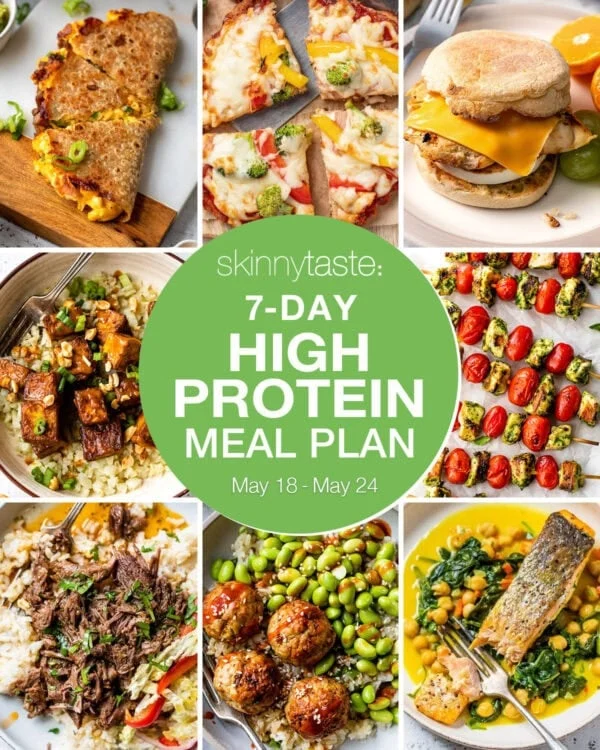
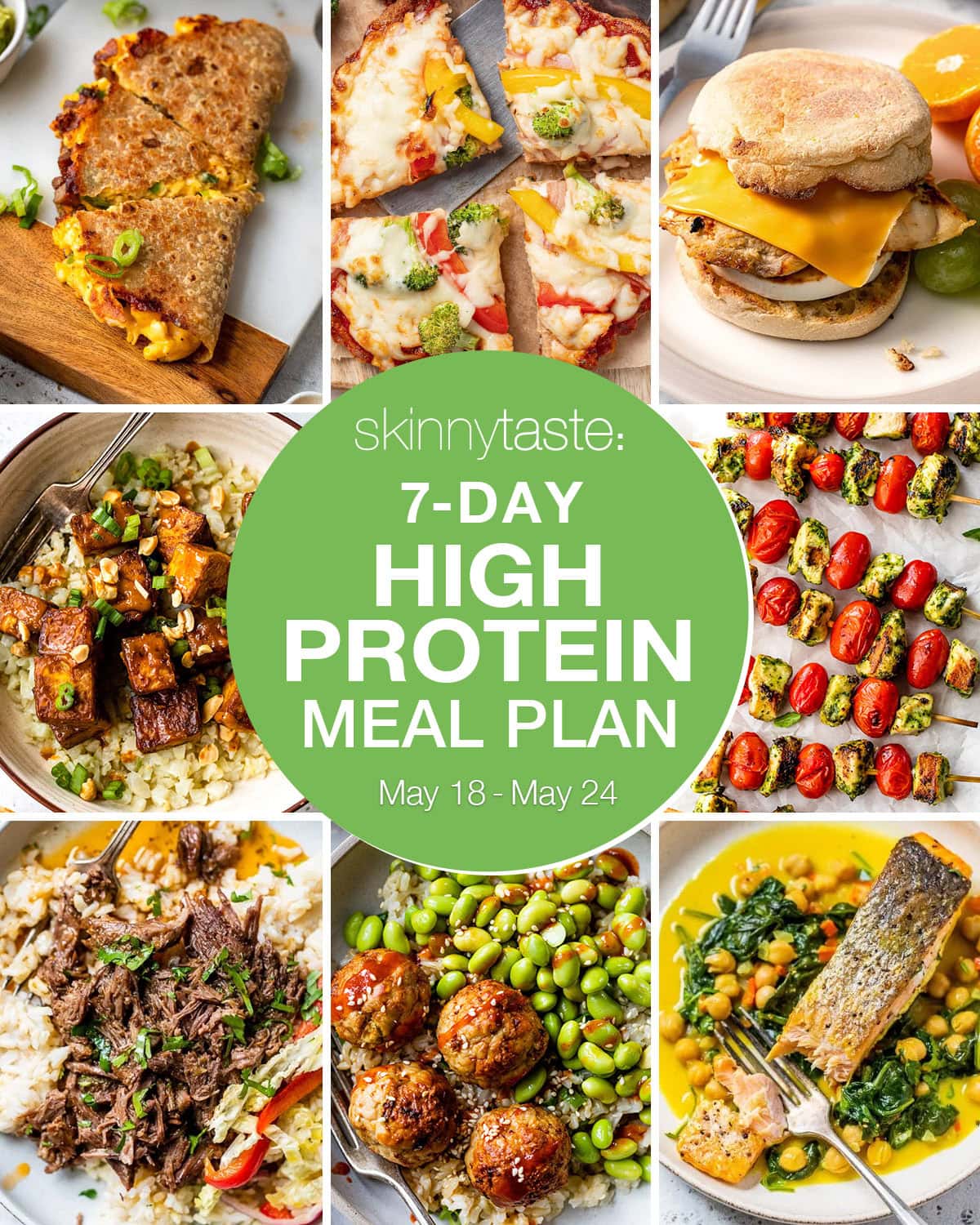
Skinnytaste, a leading online resource for healthy and delicious recipes, has recently launched a free, 7-day high-protein diet meal plan, designed to support individuals in achieving their nutritional goals. This new offering, meticulously crafted to include breakfast, lunch, and dinner ideas, comes complete with a detailed shopping list, macronutrient breakdowns, and Weight Watchers (WW) points for each recipe. Its release is particularly timely, coinciding with the approach of Memorial Day, marking the unofficial start of summer and a season often filled with social gatherings and barbecues.
The newly introduced meal plan reflects a growing dietary trend and personal commitment from the Skinnytaste founder, who has advocated for a high-protein regimen over the past few years for muscle gain and enhanced satiety. This strategy aims to help users feel stronger, more satisfied, and less prone to snacking on sweets or chips between meals. Recognizing a common challenge among its community members in meeting daily protein targets, Skinnytaste developed this plan as a practical guide, with intentions to release similar plans monthly. Furthermore, the platform is actively developing a high-protein cookbook, signaling a deeper dive into this nutritional focus.
The Evolving Landscape of Protein and Dietary Health
The emphasis on protein in modern diets is not a new phenomenon but has gained significant traction in recent decades, driven by both scientific research and evolving public health recommendations. Protein, a fundamental macronutrient, plays a crucial role in virtually every biological process. It is essential for building and repairing tissues, making enzymes and hormones, and is a vital component of bones, muscles, cartilage, skin, and blood. For many, a higher protein intake is associated with improved satiety, making it a valuable tool for weight management by reducing overall calorie consumption and curbing cravings.
Historically, dietary guidelines have focused on balancing macronutrients, with protein often taking a secondary role to carbohydrates and fats. However, a shift began to occur in the late 20th and early 21st centuries. Early popular diets, such as Atkins, brought protein and fat to the forefront, albeit often with extreme carbohydrate restriction. While these approaches were sometimes criticized for their rigidity, they undeniably propelled protein into the spotlight. Subsequent research has refined our understanding, leading to a consensus that adequate, rather than excessive, protein intake is crucial for health, especially for active individuals, older adults, and those seeking to manage their weight or build muscle.
Current dietary recommendations for protein intake vary based on age, activity level, and health goals. The Recommended Dietary Allowance (RDA) for protein is 0.8 grams of protein per kilogram of body weight per day for healthy adults. However, many nutrition experts suggest that higher intakes, ranging from 1.2 to 2.2 grams per kilogram, may be beneficial for individuals engaging in regular physical activity, aiming for weight loss, or seeking to preserve muscle mass as they age. For instance, an individual with a goal of 120 grams of protein daily might aim for approximately 30 grams per main meal, supplemented with 10 to 30 grams in snacks, a strategy mirrored by the Skinnytaste plan. This structured approach helps ensure an even distribution of protein throughout the day, maximizing its benefits for satiety and muscle protein synthesis.
Scientific Foundations of High-Protein Diets
The benefits attributed to high-protein diets are rooted in several physiological mechanisms. One key aspect is protein’s superior thermic effect of food (TEF) compared to carbohydrates and fats. TEF refers to the energy expenditure required to digest, absorb, and metabolize food. Protein has a higher TEF, meaning a larger percentage of its caloric content is burned off during digestion, contributing to a slightly higher metabolic rate.
Beyond TEF, protein significantly influences satiety hormones. Consuming protein-rich meals has been shown to increase the release of hormones like cholecystokinin (CCK) and glucagon-like peptide-1 (GLP-1), which signal fullness to the brain, while simultaneously suppressing ghrelin, the "hunger hormone." This hormonal interplay contributes to reduced appetite and fewer cravings, helping individuals adhere to their dietary plans more effectively.
For muscle health, protein is indispensable. Amino acids, the building blocks of protein, are critical for muscle repair and growth. Regular intake of high-quality protein, especially after exercise, facilitates muscle protein synthesis, leading to increased muscle mass and strength, and preventing muscle loss (sarcopenia) particularly relevant for aging populations. The Skinnytaste plan, by providing recipes like Grilled Chimichurri Steak and Juicy Lucy burgers, demonstrates how flavorful meals can align with these muscle-building objectives.
Integrating with Weight Watchers and Macro Tracking

A distinctive feature of the Skinnytaste meal plan is its compatibility with the Weight Watchers (WW) program, a widely recognized weight management system. WW has evolved significantly over the years, continuously adapting its points system to reflect current nutritional science and consumer preferences. The recent update to WW, which includes new 0-point foods, signifies an ongoing commitment to providing flexible and sustainable weight loss solutions.
Skinnytaste’s dedication to its WW community is evident in its commitment to updating recipes to reflect the new points plan, with all recipes from 2018 to 2025 already adjusted. Crucially, every recipe on the Skinnytaste site is linked to the WW recipe builder, allowing users to automatically calculate the most current points values via their mobile devices. This integration provides immense value for WW members, enabling them to follow a high-protein plan without deviating from their established weight management framework.
The inclusion of macro breakdowns (calories, protein, fat, carbohydrates) alongside WW points offers a comprehensive approach to nutrition tracking. While WW points simplify food choices, understanding macronutrients provides deeper insight into dietary composition. For individuals focused on muscle gain or specific fitness goals, tracking protein grams is often as important as, if not more important than, calorie counting alone. This dual approach caters to a broad audience, from those primarily using WW for weight loss to fitness enthusiasts optimizing their nutrient intake.
The Skinnytaste Methodology: Practicality and Personalization
The Skinnytaste meal plan is designed as a flexible guide, emphasizing "plenty of wiggle room" for personalization. This philosophy acknowledges that dietary needs and preferences are highly individual. Users are encouraged to add more food—such as coffee, additional beverages, fruits, snacks, or desserts—or to swap recipes based on their tastes and goals. This flexible structure prevents the rigidity that often leads to diet abandonment.
A baseline of at least 1500 calories per day is suggested, particularly for women, though the article rightly advises consulting a nutritionist or dietitian for specific needs. This critical disclaimer underscores the importance of professional guidance, especially given that individual caloric and macronutrient requirements vary significantly based on age, gender, weight, height, activity level, and metabolic rate. The plan also highlights potential contraindications for high-protein diets, specifically cautioning individuals with kidney or liver disease, gout, certain metabolic disorders, or older adults with reduced kidney function to consult a healthcare provider before increasing protein intake. This responsible approach ensures that the advice provided is both informative and safety-conscious.
The practical elements of the plan, such as a comprehensive grocery list, significantly enhance its usability. This feature streamlines meal preparation, reducing the mental load associated with diet planning and grocery shopping. The thoughtful inclusion of both single-serving meals for weekdays (breakfast and lunch) and family-sized portions for dinners and weekend meals (serving a family of four) demonstrates an understanding of diverse household needs. The strategic use of leftovers for subsequent meals, such as Instant Pot Braised Beef, further maximizes efficiency and minimizes food waste.
Seasonal Delights and Community Engagement
The meal plan cleverly incorporates seasonal themes, with a nod to Memorial Day celebrations. It encourages users to "dust off the grill" and enjoy cookout flavors while staying on track with protein goals. Recipes like Grilled Chimichurri Steak and the Juicy Lucy burger exemplify how traditional festive foods can be adapted to be both healthy and delicious. The suggestion of refreshing drinks, mocktails, and a festive dessert like Red, White, and Blue Trifle, ensures that the plan supports holistic enjoyment of the holiday without compromising dietary objectives.
Beyond the meal plan itself, Skinnytaste fosters a vibrant online community. The invitation to join the Skinnytaste Facebook Community highlights the value of peer support and shared experiences in achieving health goals. Such platforms allow members to exchange ideas, share photos of their culinary creations, and provide mutual encouragement, enhancing engagement and adherence to healthy eating habits. The availability of an email list further ensures that subscribers never miss new meal plans or recipes, maintaining a continuous flow of valuable content.
Broader Implications and the Future of Meal Planning
The release of this high-protein meal plan by Skinnytaste is indicative of broader trends in health and wellness. There is an increasing demand for structured yet flexible dietary guidance that considers various nutritional goals, from weight management to muscle building. Digital platforms and online communities have become indispensable tools for disseminating such information, offering accessibility and convenience that traditional methods often lack.

The emphasis on protein reflects a more nuanced understanding of nutrition, moving beyond simple calorie restriction to focus on nutrient density and satiety. This shift empowers individuals to make more informed food choices that support long-term health and well-being. As research continues to refine our understanding of human nutrition, resources like the Skinnytaste meal plan play a crucial role in translating scientific knowledge into practical, actionable advice for the general public.
Looking ahead, the development of specialized cookbooks and meal planners, such as Skinnytaste’s Ultimate Meal Planner and upcoming high-protein cookbook, signifies a continued commitment to providing comprehensive tools for healthy living. These resources often combine practical meal planning grids, grocery lists, and new recipes with elements of mindfulness and gratitude, reflecting a holistic approach to health that encompasses both physical and mental well-being.
In conclusion, Skinnytaste’s new 7-day high-protein meal plan represents a timely and valuable contribution to the evolving landscape of dietary health. By integrating scientific principles, practical tools, and community support, it offers a well-rounded approach to achieving protein goals while navigating the demands of modern life and seasonal festivities. Its careful consideration of individual needs and potential health considerations further solidifies its position as a responsible and beneficial resource for those seeking to enhance their nutritional intake.
