
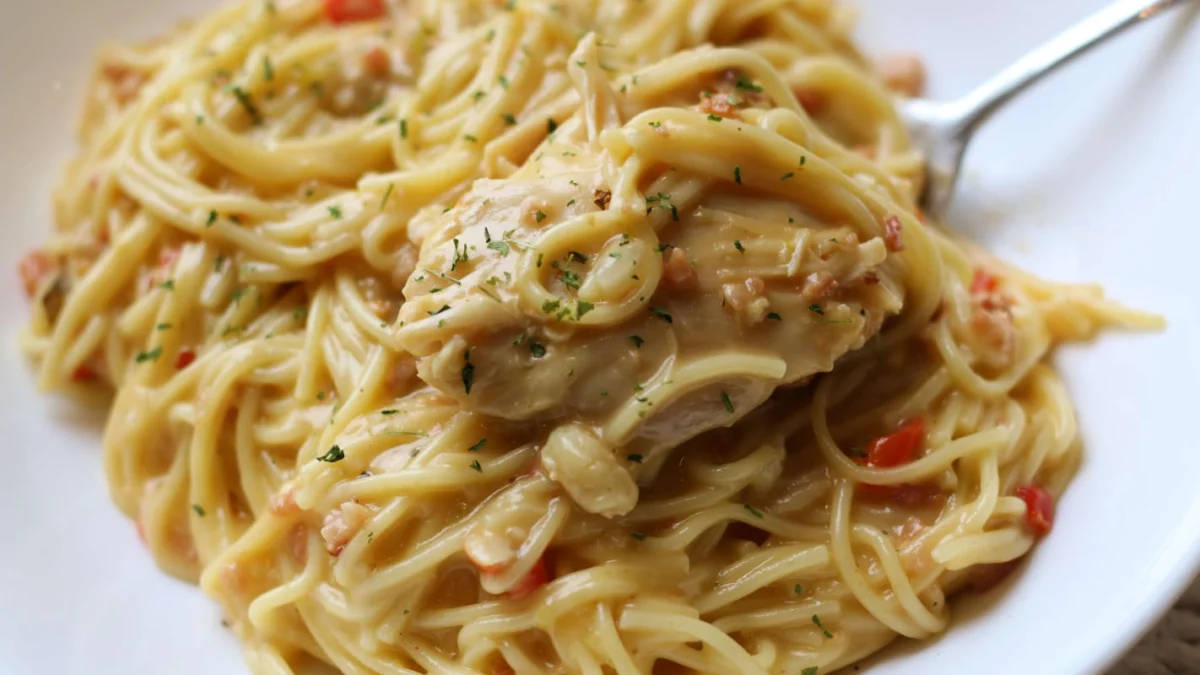
Modern culinary trends continue to favor the intersection of classic comfort food and high-efficiency kitchen technology. The Pioneer Chicken Casserole represents a significant evolution in this space, adapting the traditional oven-baked methods popularized by cultural icons like Ree Drummond, known as "The Pioneer Woman," for the contemporary electric pressure cooker (EPC) era. This specific dish—a rich amalgamation of creamy angel hair pasta, savory bacon, chicken, and a signature blend of green chiles and cheddar cheese—illustrates a broader shift in American home cooking toward one-pot solutions that reduce labor without sacrificing the complex flavor profiles associated with Southern and Midwestern comfort cuisine.
The Evolution of the Chicken Spaghetti Tradition
To understand the significance of the Pioneer Chicken Casserole, one must examine its roots in the American South and Midwest. Chicken spaghetti has long been a staple of communal gatherings, church potlucks, and family Sunday suppers. Traditionally, the dish required multiple steps: boiling pasta separately, poaching chicken, sautéing aromatics, and finally assembling the ingredients in a large casserole dish to be baked until bubbly.
The adaptation of this recipe for the Instant Pot, a brand that became synonymous with the electric pressure cooker revolution of the mid-2010s, marks a technological milestone for home cooks. By utilizing the pressurized environment of an EPC, the cooking time for the chicken and pasta is reduced by approximately 50% to 70% compared to traditional oven methods. Furthermore, the "one-pot" nature of the recipe addresses a primary consumer demand for minimized cleanup, a factor that market research indicates is a leading driver in recipe selection for working families.
Technical Chronology of the Cooking Process
The preparation of the Pioneer Chicken Casserole follows a precise technical sequence designed to ensure the integrity of the pasta while fully developing the flavors of the protein and aromatics. The process is divided into two primary pressurized phases, particularly when starting with raw or frozen ingredients.
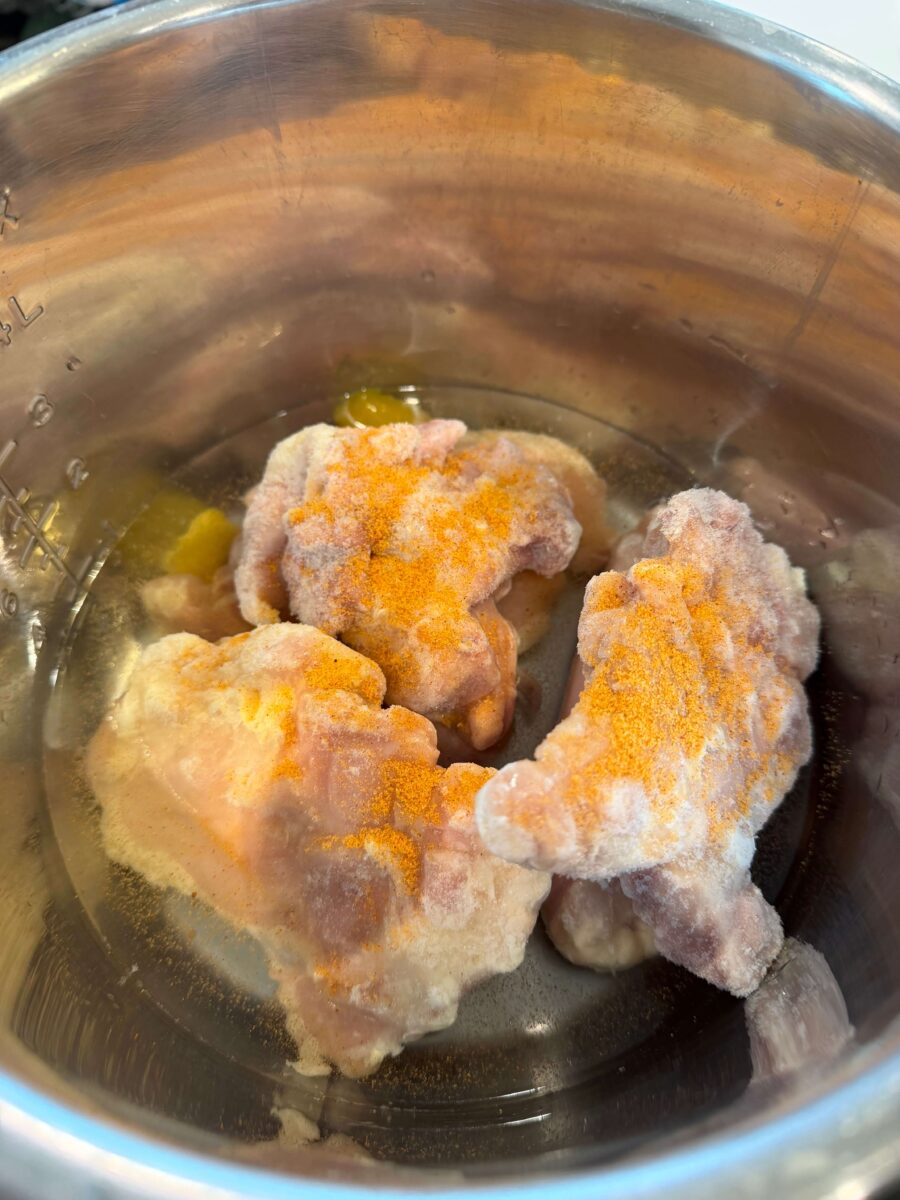
Phase I: Protein Preparation
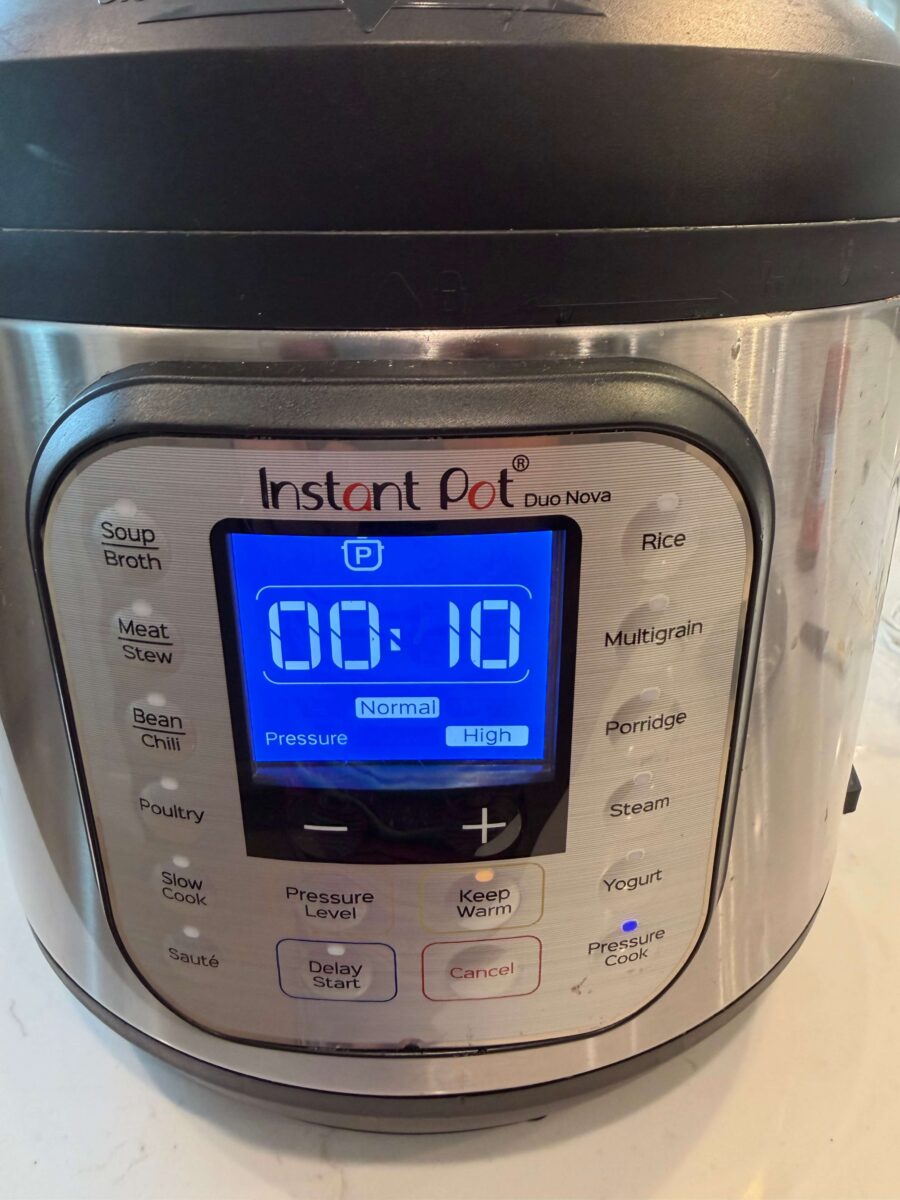
For home cooks utilizing raw chicken thighs or breasts, the first stage involves pressure cooking the meat in a base of chicken broth. This step ensures that the chicken is tender and easily shredded. In this phase, the Instant Pot is typically set to high pressure for 10 minutes. This high-heat, high-pressure environment breaks down connective tissues in the chicken much faster than simmering on a stovetop.
Phase II: The Pasta Infusion
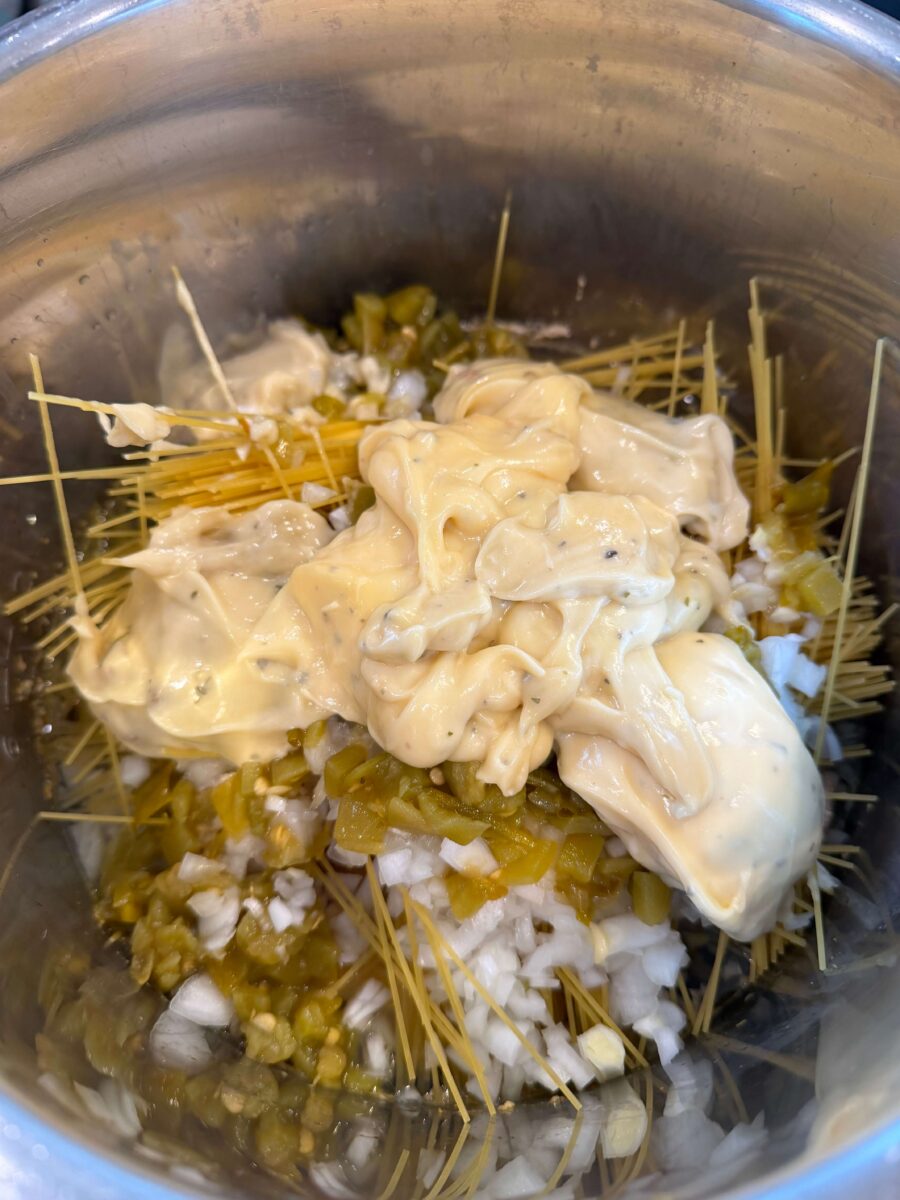
Following the initial pressure release, the secondary stage introduces the starches and flavor agents. The choice of angel hair pasta is strategic; its thin diameter allows for rapid hydration and cooking under pressure. The pasta is broken in half and arranged in a criss-cross pattern to prevent "clumping," a common technical failure in pressure-cooked pasta dishes.
At this juncture, the aromatics and base liquids are added:
- Aromatics: Diced onions and green chiles provide a foundational sharp and mild-heat profile.
- Binding Agents: Cream of chicken soup acts as a thickener and emulsifier, ensuring the sauce adheres to the pasta.
- Seasoning: A combination of seasoned salt, cayenne pepper, and the residual chicken broth from Phase I.
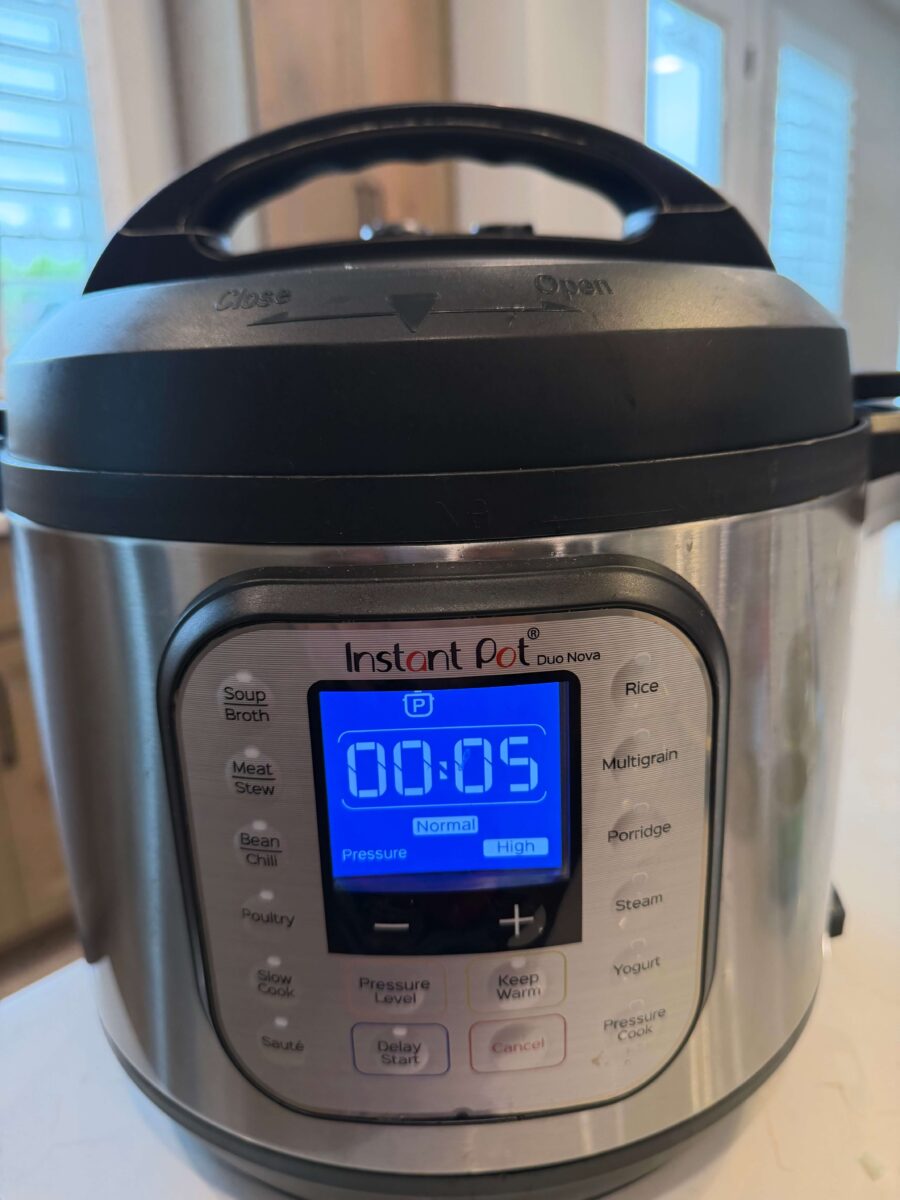
The secondary cooking cycle is brief, typically requiring only five minutes of high pressure followed by a five-minute natural release period to allow the starches to stabilize.
Phase III: Final Emulsification and Assembly
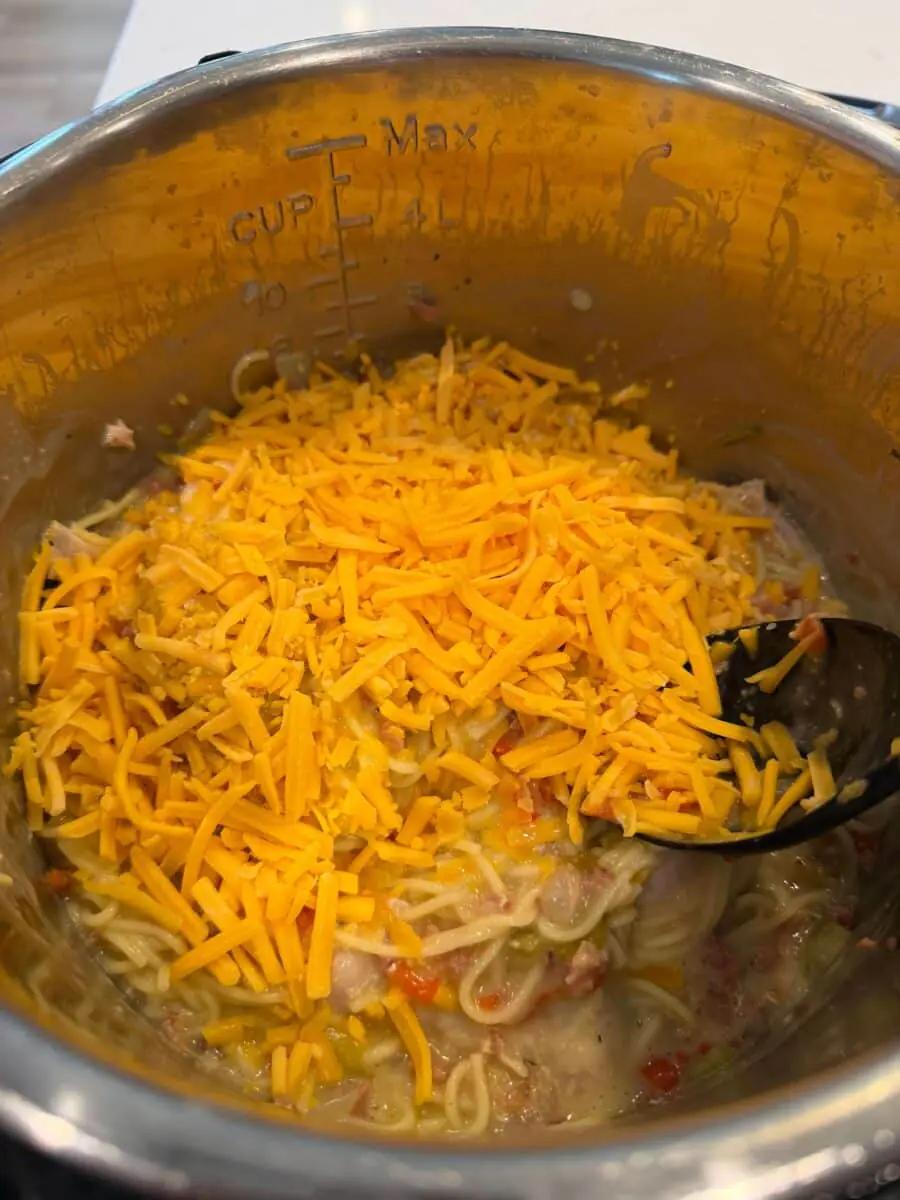
The final stage occurs after the pressure is fully released. Heat-sensitive ingredients—specifically cheddar cheese, pimentos, and pre-cooked crispy bacon—are folded into the hot mixture. The residual heat of the pasta is sufficient to melt the cheese, creating a homogenous, creamy sauce. The chicken is shredded or broken into bite-sized pieces and reintegrated, completing the casserole.
Ingredient Analysis and Flavor Profile
The success of the Pioneer Chicken Casserole lies in its balanced contrast of textures and flavors. Culinary analysts point to the "high-low" ingredient mix as a hallmark of the Pioneer Woman style:
- The Heat Element: The inclusion of diced green chiles and a touch of cayenne pepper provides a "Tex-Mex" undertone that cuts through the heaviness of the cream and cheese.
- The Texture Contrast: While the pasta and chicken provide a soft, comforting base, the addition of crispy bacon adds a necessary smokiness and crunch.
- The Umami Component: The use of chicken thighs, which have a higher fat content than breasts, contributes to a deeper flavor, while pimentos offer a mild sweetness and visual vibrance.
Market Data and Consumer Trends
The rise of recipes like the Pioneer Chicken Casserole aligns with several key data points in the domestic appliance and grocery sectors. According to market research reports, the global electric pressure cooker market was valued at approximately $4.5 billion in 2022 and is projected to grow at a compound annual growth rate (CAGR) of over 7% through 2030.
This growth is driven by several factors:
- Time Poverty: Modern households report less time available for meal preparation, leading to a 35% increase in searches for "one-pot" and "30-minute" meals over the last five years.
- Economic Efficiency: Casserole-style dishes are inherently "stretchable," allowing a relatively small amount of protein (chicken and bacon) to feed a large family when combined with inexpensive staples like pasta.
- Influencer Impact: The "Pioneer Woman" brand, which began as a blog by Ree Drummond in 2006, has grown into a multi-million dollar empire encompassing television, cookware, and retail. Her endorsement of specific flavor profiles—such as the "chicken spaghetti" base—creates a standardized "comfort food" lexicon that other recipe developers, such as Karen Petersen of 365 Days of Crockpot, then adapt for different appliances.
Nutritional and Dietary Implications
From a nutritional standpoint, the Pioneer Chicken Casserole is a calorie-dense meal designed for satiety. A standard serving provides a high protein count from the chicken and bacon, balanced by carbohydrates from the pasta. However, analysts note that the dish is high in sodium and saturated fats due to the canned soup and cheddar cheese.
To address modern dietary preferences, culinary experts often suggest several substitutions:
- Low-Carb Options: Replacing angel hair pasta with spaghetti squash or hearts of palm noodles, though this requires significant adjustments to the pressure cooking time.
- Gluten-Free: Utilizing gluten-free pasta varieties, which often require a shorter pressure cycle to avoid disintegration.
- Sodium Reduction: Using "low-sodium" versions of chicken broth and cream of chicken soup to mitigate the salt content of the processed ingredients.
Broader Impact on Home Cooking Culture
The transition of the Pioneer Chicken Casserole from a traditional oven dish to a high-speed Instant Pot recipe reflects a broader democratization of cooking. It bridges the gap between the "slow food" movement’s emphasis on flavor and the "fast food" necessity of modern scheduling.
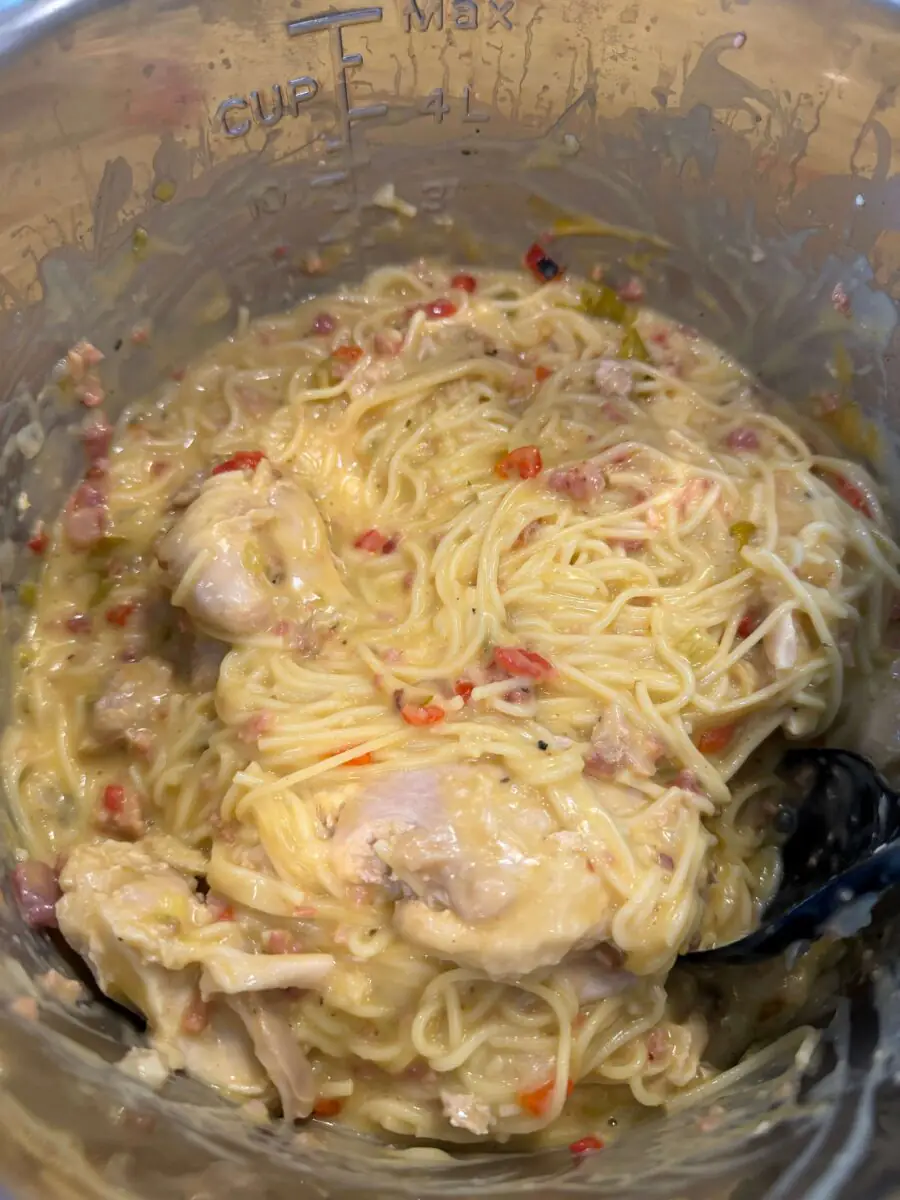
Furthermore, the "leftover potential" of this dish—often cited as being "better the next day"—speaks to the chemical stability of the sauce. As the pasta sits, it continues to absorb the seasoned cream sauce, a process known as starch retrogradation, which can enhance the mouthfeel of the dish upon reheating. This makes it an ideal candidate for "meal prepping," a trend that has seen a 20% uptick in participation among urban professionals in the last three years.
Conclusion and Future Outlook
The Pioneer Chicken Casserole is more than a simple recipe; it is a case study in the resilience of traditional American flavors in the face of technological change. By leveraging the speed of the Instant Pot, the dish remains relevant to a new generation of home cooks who value the heritage of Ree Drummond’s kitchen but require the efficiency of modern appliances.
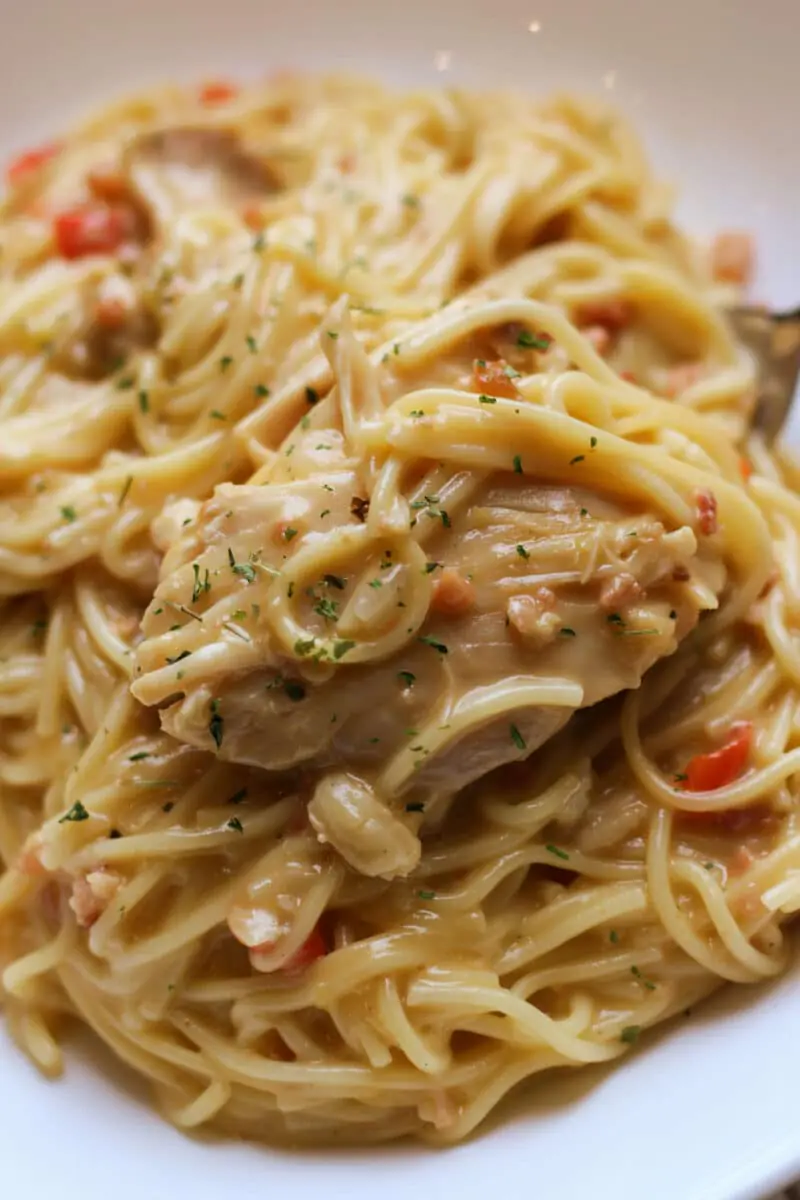
As kitchen technology continues to evolve—incorporating AI-driven cooking sensors and multi-functional air-fryer lids—it is likely that dishes like the Pioneer Chicken Casserole will continue to be refined. The core appeal, however, remains unchanged: a reliable, flavorful, and communal meal that provides a sense of "home" in a fraction of the traditional time. The ongoing popularity of such recipes ensures that the "casserole culture" of the 20th century will persist, albeit under higher pressure, well into the 21st.
