
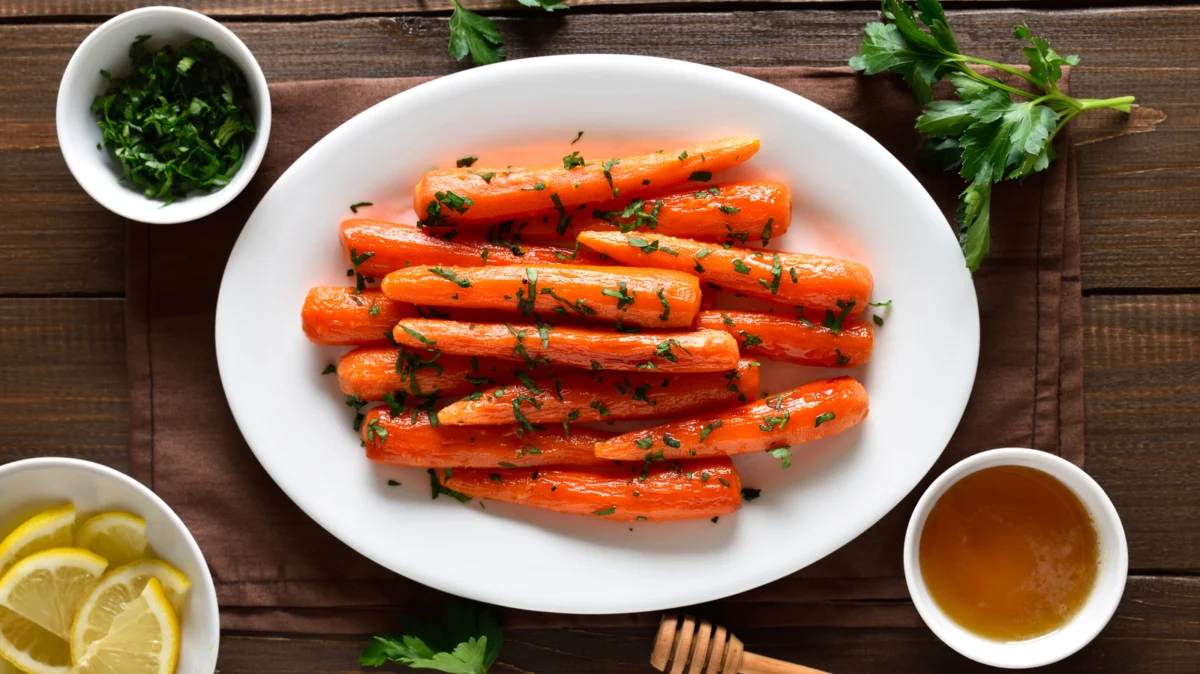
The humble root vegetable, often relegated to a supporting role in the grand spectacle of a summer cookout, possesses the potential to transform from a mere accompaniment into a star attraction. While the siren song of grilled burgers and succulent ribs rightfully commands attention, the true culinary artistry at a barbecue often lies in the thoughtful preparation of the vegetables. According to celebrated chef Alex Guarnaschelli, a seemingly minor pre-grilling step – braising – can unlock an extraordinary depth of flavor and a superior texture that elevates grilled vegetables from ordinary to exceptional. This technique, when applied diligently, ensures that vegetables are not merely cooked but are imbued with a complexity that can rival even the most meticulously prepared meats.
The Foundation of Flavor: Braising Before Grilling
Traditionally, root vegetables like carrots, sweet potatoes, and parsnips are subjected directly to the heat of the grill, often resulting in a dichotomy of textures: an overcooked, mushy interior juxtaposed with a lightly charred exterior. This haphazard approach frequently leaves these robust vegetables tasting underwhelmed and lacking in cohesive flavor. Chef Guarnaschelli’s advocated method addresses this culinary challenge head-on by introducing a preliminary braising stage.
The process begins with a preliminary sear, allowing the vegetables to develop a foundational layer of color and sweetness. This initial browning is crucial for initiating the Maillard reaction, a complex chemical process responsible for the rich, savory flavors and appealing brown hues in cooked foods. Following this sear, the vegetables are transferred to a braising pan. Here, they are submerged in a liquid medium – initially a simple blend of tap water, fat, and seasonings – and allowed to cook at a low, slow temperature. This gentle cooking process softens the vegetables partway through, rendering them tender yet retaining a crucial firmness.
The significance of this partial cooking lies in its ability to pre-condition the vegetables for the intense heat of the grill. By absorbing moisture and beginning the softening process, the interior of the vegetable is already on its way to being perfectly cooked. Consequently, when these pre-braised vegetables encounter the direct heat of the grill, their exteriors can caramelize and char beautifully without the interior remaining stubbornly raw or undercooked. This dual-action cooking technique results in a final product that is a symphony of textures and tastes: a smoky, delightfully charred exterior yielding to a tender, rich, and deeply flavorful interior. This contrasts sharply with vegetables that have bypassed the braising step, which often lack the nuanced complexity that braising imparts.
Amplifying the Braise: Enhancing the Liquid and Fat
While water serves as a functional base for braising, culinary experts consistently advocate for a more flavorful liquid to truly imbue vegetables with depth. The use of homemade chicken or vegetable stock, for instance, provides a robust savory foundation that permeates the vegetables from the outset. This foundational flavor is further enhanced by the strategic addition of aromatics.
Aromatic Infusions:
- Garlic: Gently smashed cloves release their pungent, sweet aroma into the braising liquid, adding a layer of savory complexity.
- Herbs: Fresh sprigs of thyme, rosemary, or bay leaves contribute herbaceous notes that complement the natural sweetness of root vegetables. These herbs infuse the liquid and, by extension, the vegetables with their distinct fragrances and subtle flavors.
- Spices: Whole peppercorns or a pinch of dried chilies can introduce a gentle warmth and subtle spice that awakens the palate.
Over a period of approximately one hour, the aromatic liquid works its magic, infusing the vegetables with layers of flavor long before they are exposed to the grill. This extended contact with flavorful liquids and aromatics is the key to achieving a vegetable side dish that is far more than the sum of its parts.
Fat’s Flavorful Role:
The choice of fat used in the braising process also significantly impacts the final flavor profile. Moving beyond neutral oils, incorporating fats with inherent flavor can further enrich the vegetables.
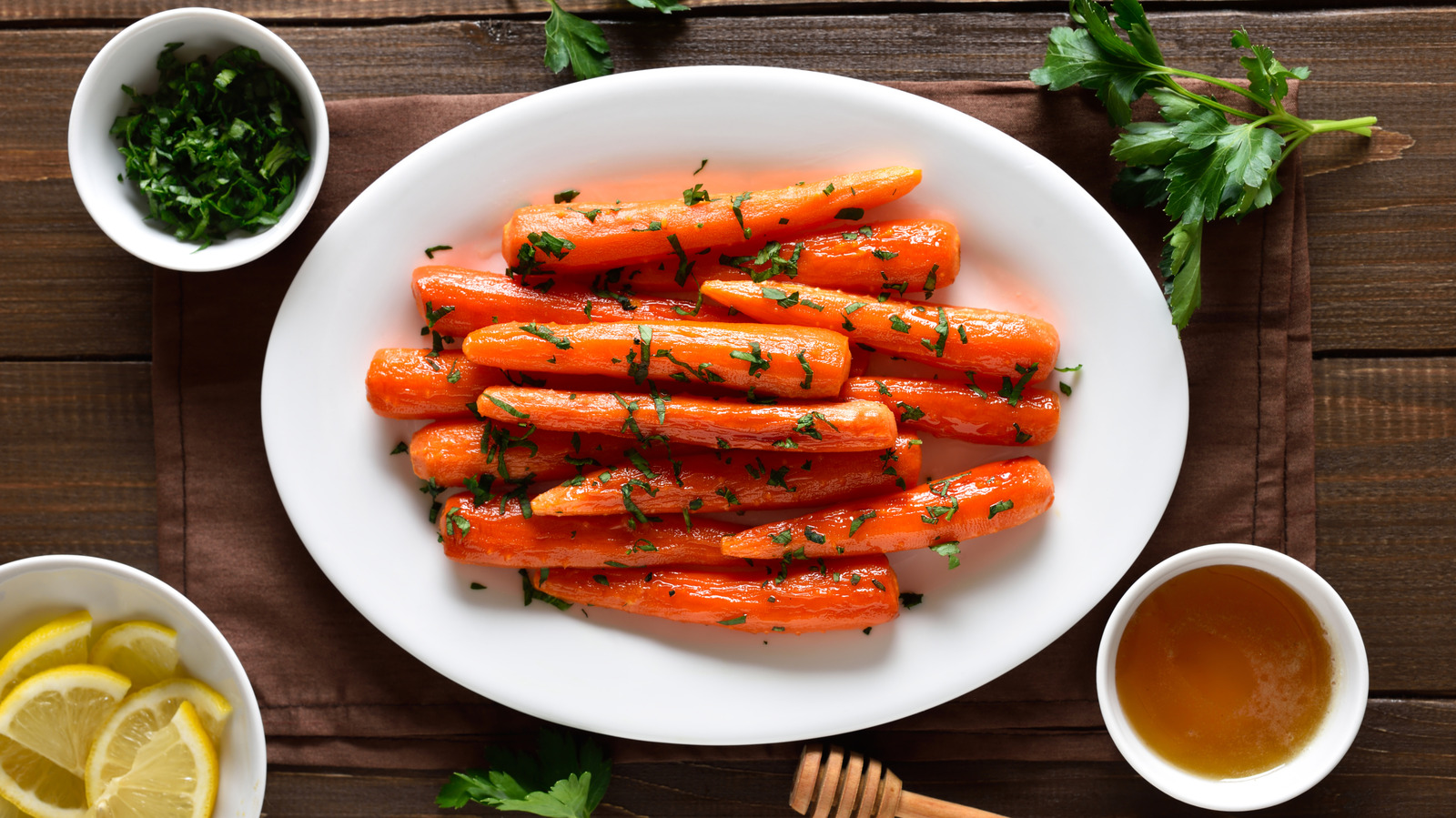
- Extra-Virgin Olive Oil: Its fruity, peppery notes add a sophisticated Mediterranean flair, enhancing the natural sweetness of the vegetables and carrying the infused aromatics.
- Butter: The creamy richness of butter contributes a luxurious mouthfeel and a decadent flavor that pairs exceptionally well with the earthy notes of root vegetables.
These flavorful fats not only enhance the taste but also aid in the even distribution of heat and the absorption of other ingredients, ensuring a more uniform and deeply flavored result.
The Finishing Touches: Seasoning for Maximum Impact
The final stage of preparation, seasoning before the vegetables hit the grill, is a critical opportunity to layer in additional flavors and textures. While salt and freshly ground black pepper are essential for basic seasoning, venturing beyond these staples can unlock even greater culinary potential.
Spice Blends for Enhanced Flavor:
- Smoked Paprika: This spice lends a distinct smoky character, mimicking the grill’s char and adding a rich, savory depth. Its vibrant color also enhances the visual appeal of the dish.
- Aleppo Pepper: Known for its mild, fruity heat and subtle tang, Aleppo pepper offers a gentle warmth that awakens the palate without overwhelming other flavors. It provides a nuanced heat that complements the sweetness of vegetables like bell peppers and tomatoes, and can add an interesting dimension to root vegetables as well.
- Celery Seed: This often-overlooked spice offers a subtle, earthy, and slightly bitter note that enhances the natural flavors of root vegetables, providing an herbaceous quality that is often associated with classic vegetable preparations.
A light coating of oil applied just before grilling ensures that the vegetables sear properly, developing a beautiful crust and preventing sticking. This comprehensive approach, from the initial sear and braise to the thoughtful selection of aromatics, fats, and spices, culminates in a side dish with such profound depth and complexity that it transcends its humble designation, becoming a compelling and satisfying element of any barbecue spread.
The Evolution of Grilling and Vegetable Preparation
The practice of grilling vegetables has a long and varied history, evolving from simple, practical methods of cooking to a sophisticated culinary art form. Historically, grilling was a primary method of cooking, particularly in cultures where open fires were common. Vegetables were often cooked directly on embers or placed on rudimentary grates, with the focus being on practicality and sustenance rather than nuanced flavor development.
The mid-20th century saw a surge in the popularity of outdoor grilling as a recreational activity, particularly in North America. Barbecues became synonymous with summer gatherings, family celebrations, and social events. Initially, the emphasis remained heavily on grilled meats, with vegetables often serving as a colorful but secondary component. The common preparation involved simply cutting vegetables into large pieces and tossing them onto the grill, sometimes with a light coating of oil and basic seasoning.
The late 20th and early 21st centuries witnessed a significant shift in culinary philosophy, with a growing appreciation for fresh, seasonal ingredients and a desire to explore more complex flavor profiles. This period saw the rise of "gourmet" grilling, where chefs and home cooks alike began experimenting with marinades, rubs, and more intricate preparation techniques for all components of the barbecue, including vegetables. The concept of "farm-to-table" gained traction, highlighting the importance of ingredient quality and thoughtful preparation.
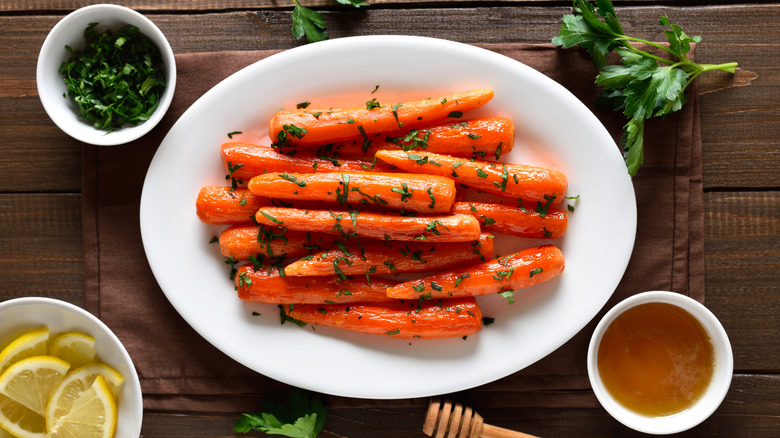
Chef Alex Guarnaschelli’s recommendation to braise vegetables before grilling represents a sophisticated evolution in this ongoing trend. It acknowledges that root vegetables, with their dense structure and inherent sweetness, benefit from a more deliberate approach to cooking. By introducing a pre-cooking step, the goal is to achieve a more consistent and desirable texture while simultaneously layering in flavors that would be difficult, if not impossible, to achieve through direct grilling alone. This method aligns with modern culinary principles that emphasize maximizing the potential of each ingredient through intelligent cooking techniques.
Data-Driven Insights into Vegetable Consumption and Grilling Trends
Recent culinary surveys and market research highlight a growing consumer interest in vegetable consumption, particularly in healthier and more flavorful preparations. Data from the Produce Marketing Association indicates a steady increase in the purchase of fresh vegetables for home cooking, with a notable surge in interest for recipes that offer innovative ways to prepare commonly consumed produce.
Key Trends in Vegetable Consumption:
- Health and Wellness: A significant driver for increased vegetable consumption is the growing awareness of their health benefits. Consumers are actively seeking ways to incorporate more nutrient-dense foods into their diets.
- Flavor Exploration: Beyond health, consumers are increasingly motivated by taste and culinary experience. They are seeking out vegetables that can deliver complex and satisfying flavors.
- Convenience and Ease: While flavor is paramount, the demand for recipes that are both delicious and relatively easy to prepare remains high. Techniques that promise significant flavor enhancement with manageable effort are particularly appealing.
The rise of outdoor cooking and barbecuing, as tracked by industry reports from organizations like the Hearth, Patio & Barbecue Association (HPBA), shows that grilling remains a cornerstone of warm-weather dining. While meat consumption continues to be dominant, there is a discernible trend towards including a wider variety of vegetables in these grilling occasions. This expansion in vegetable presence at barbecues reflects a broader societal shift towards more balanced and diverse dietary habits.
The braising technique, as advocated by Chef Guarnaschelli, directly addresses the consumer desire for both enhanced flavor and a more satisfying texture in grilled vegetables. By preparing vegetables in advance, this method also offers a degree of convenience, allowing for some of the cooking to be completed before guests arrive or before the grill is fired up. The ability to infuse vegetables with multiple layers of flavor through stock, aromatics, and spices aligns perfectly with the consumer’s growing interest in culinary exploration and gourmet experiences at home. The implication is that by adopting such techniques, home cooks can elevate their barbecue offerings, transforming a standard side dish into a memorable culinary highlight, thereby driving further demand for creative vegetable preparations.
Broader Impact and Culinary Implications
The strategic implementation of braising before grilling has significant implications beyond mere recipe enhancement. It represents a shift in perspective, moving away from viewing vegetables as passive participants in the grilling process to active contributors of flavor and texture. This approach encourages a more thoughtful and deliberate engagement with ingredients, fostering a deeper understanding of how different cooking methods can unlock unique culinary potentials.
The widespread adoption of such techniques could lead to a broader re-evaluation of vegetable preparation in casual dining settings. Restaurants and catering services might incorporate similar pre-preparation methods to offer more sophisticated and flavorful vegetable dishes, potentially increasing their appeal and profitability. For home cooks, mastering this technique can significantly boost confidence in preparing a wider array of vegetables, making them more adventurous and experimental with their culinary choices.
Furthermore, this emphasis on flavor layering and textural complexity contributes to the ongoing elevation of plant-based and plant-forward cuisine. As consumers increasingly seek out delicious and satisfying meatless options, techniques that imbue vegetables with rich, savory characteristics become invaluable. The braising method, by transforming simple root vegetables into deeply flavorful components, aligns perfectly with this trend, demonstrating that plant-based dishes can be as robust and satisfying as their carnivorous counterparts. This culinary evolution not only benefits individual diners but also contributes to a more sustainable and diverse food landscape, encouraging a greater appreciation for the versatility and inherent deliciousness of vegetables.
